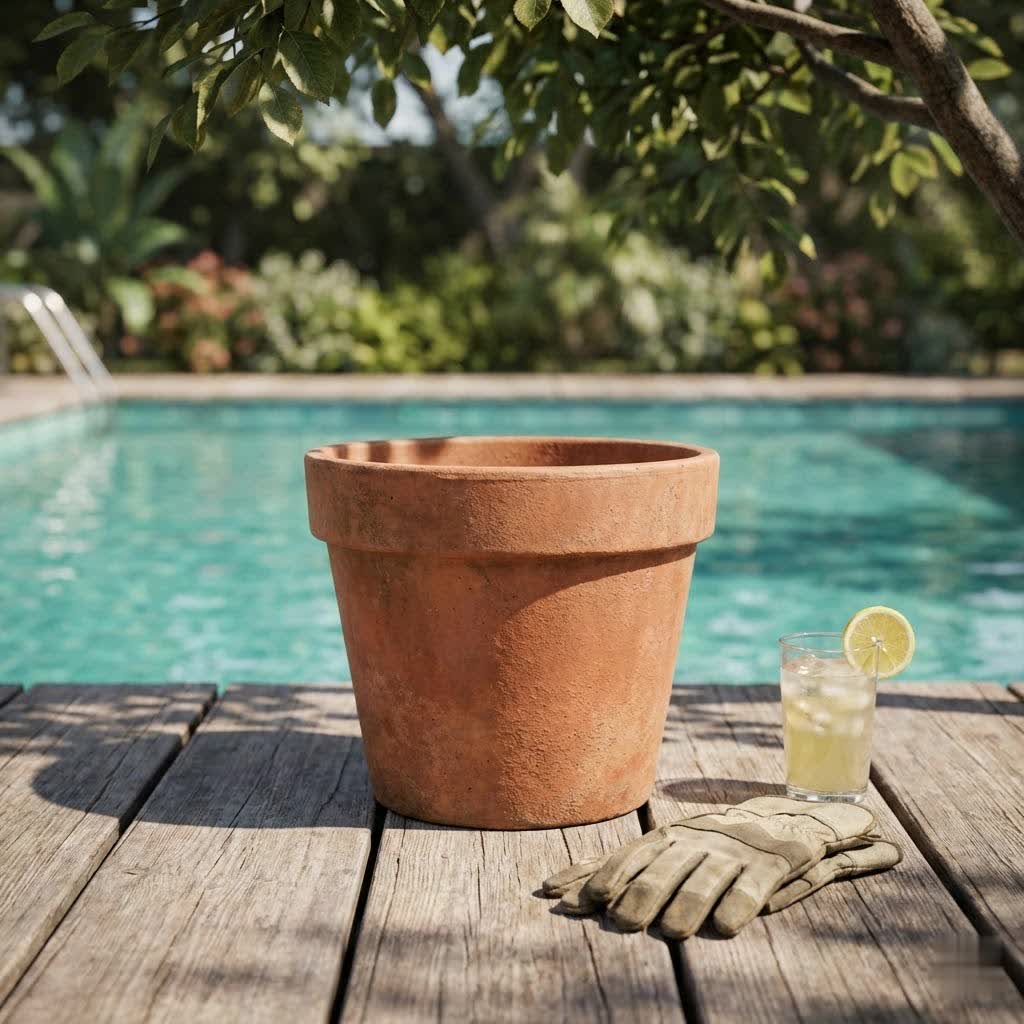
As a seasoned technician with over a decade in plant cultivation and landscape care, particularly specializing in plant pots, I’ve witnessed firsthand the transformative power of choosing the right container. For many gardeners, the 2-gallon plant pot is the unsung hero, offering a versatile sweet spot for a wide array of plants. It strikes an optimal balance between providing ample root space for healthy development and maintaining portability for dynamic garden designs.
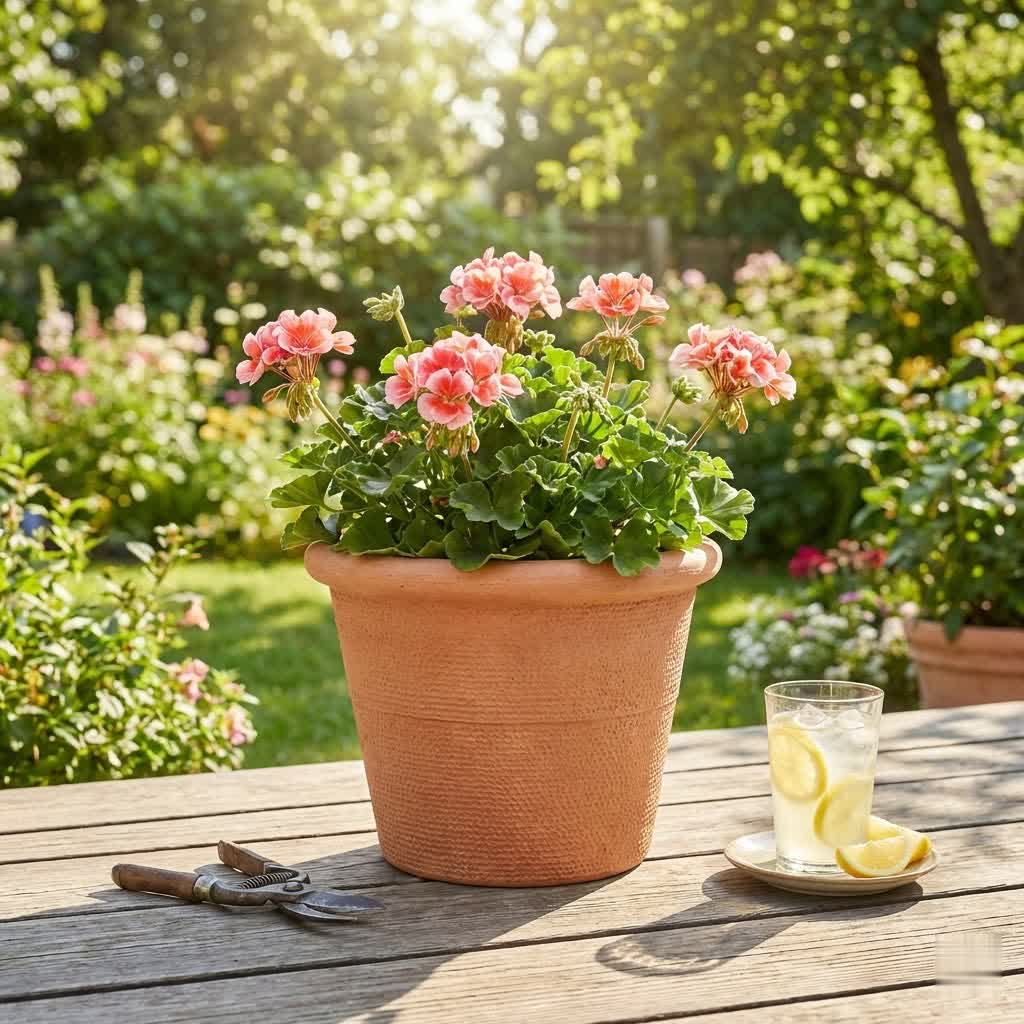
Whether you’re nurturing young seedlings into robust plants, cultivating a vibrant patio garden, or simply looking to refresh your indoor greenery, understanding the nuances of 2-gallon plant pots is crucial. This guide will delve into everything you need to know, from materials and dimensions to plant compatibility and care tips, ensuring your green companions thrive.
Why Choose a 2 Gallon Plant Pot?
The 2-gallon plant pot is often considered the ideal intermediate size in a plant’s journey from a small starter to a permanent home. It’s perfectly proportioned to nurture young plants, especially succulents and delicate cuttings, offering sufficient room for root expansion without encouraging excessive water retention that can lead to rot. This balanced environment is critical for robust, delicate new growth.
Gardeners frequently opt for 2-gallon pots as a transition size, moving plants from smaller cells before they are established enough for field planting or larger, decorative containers. This size provides enough real estate for roots to develop vigorously, leading to significantly healthier plant development and a substantial reduction in transplant shock when the time comes to upsize. The portability of these pots also makes them incredibly versatile, allowing for easy repositioning to optimize sun exposure or reconfigure garden layouts, whether indoors, on a patio, or in a greenhouse. Beyond their practical benefits, 2-gallon plants often represent a cost-effective choice, offering more developed specimens than 1-gallon options but at a more accessible price point than their larger 3-gallon counterparts.
Understanding 2 Gallon Pot Dimensions and Volume
When you see a “2 gallon” plant pot, it’s important to understand that this typically refers to a nursery or “trade” gallon, which is a horticultural standard rather than an exact liquid gallon measurement. In reality, a 2-gallon plant pot usually holds an actual volume of about 1.5 to 1.6 gallons (approximately 5.678 to 6.31 liters) of potting mix.
In terms of physical dimensions, these pots are generally around 8 to 10 inches in diameter (width) and 8 to 8.5 inches in height (depth). These consistent dimensions across the industry make them practical for commercial nurseries and home gardeners alike, ensuring compatibility with standard growing setups and facilitating easy storage.
What to Grow in a 2 Gallon Plant Pot
The versatility of a 2-gallon plant pot makes it suitable for a diverse range of plant types at various growth stages. Its balanced size accommodates enough root growth without becoming too cumbersome, offering an ideal environment for many popular garden and house plants.
Herbs
Many culinary herbs flourish in 2-gallon pots, offering fresh ingredients right at your fingertips.
- Basil: A favorite for Italian dishes, basil loves the ample space to develop a strong root system.
- Rosemary: This woody herb can grow into a small shrub, making a 2-gallon pot suitable for several seasons.
- Oregano, Thyme, Sage, Mint: These herbs, some of which can spread aggressively in garden beds, are well-contained and thrive in this pot size.
|
Our Picks for the Best Plant Pot in 2026
We may earn a commission when you use one of our links to make a purchase.
|
||
| Num | Product | Action |
|---|---|---|
| 1 | Indoor Self Watering Planters with Drainage Holes and Saucers, 8, 7, 6.5, 6, 5.5, 5 Inches, White, 6 Pots |

|
| 2 | Kante 18 Inch Diameter Round Concrete Planter, Indoor Outdoor Large Plant Pot with Drainage Hole and Rubber Plug for Home Patio Garden, Buff Concrete |
|
| 3 | Indoor Outdoor Plant Pots- Self Watering Planters with Drainage Holes and Saucers, 9,8, 7.5 Inches, 3 Pots (Snow) |
|
| 4 | Indoor Self Watering Planters with Drainage Holes and Saucers, 8, 7, 6.5, 6, 5.5, 5 Inches, Green, 6 Pots. |
|
| 5 | Indoor Self Watering Planters with Drainage Holes and Saucers, 8, 7, 6.5, 6, 5.5, 5 Inches, Black, 6 Pots |
|
| 6 | 7 pcs Plant Pots with Drainage Holes and Saucers, Indoor Planters, Set of 7 (7.5, 7, 6.5, 6, 5.5, 4.5, 3.5 Inches), White |
|
| 7 | Kante 18 Inch Dia Round Concrete Planter, Indoor Outdoor Large Plant Pot with Drainage Hole and Rubber Plug for Home Patio Garden, Weathered Concrete |
|
| 8 | Kante 18 Inch Dia Round Concrete Planter, Indoor Outdoor Large Plant Pot with Drainage Hole and Rubber Plug for Home Patio Garden, Black |
|
| 9 | Kante 18 Inch Dia Round Concrete Planter, Indoor Outdoor Large Plant Pot with Drainage Hole and Rubber Plug for Home Patio Garden, Charcoal |
|
| 10 | Indoor Self Watering Planters with Drainage Holes and Saucers, 8, 7, 6.5, 6, 5.5, 5 Inches, 6 Pots(Green+Brown |
|
Vegetables
For urban gardeners or those with limited space, 2-gallon pots are excellent for growing certain vegetables.
- Cherry Tomatoes: While full-sized tomato varieties might eventually need larger containers, cherry tomatoes are perfectly suited for the root space provided.
- Peppers and Eggplants: These compact fruiting plants can produce a good harvest in 2-gallon pots.
- Kale, Bok Choy, Chinese Cabbage, Swiss Chard: Leafy greens and smaller heading cabbages appreciate the increased soil volume over 1-gallon pots, leading to bigger yields.
- Beets: This pot size allows enough depth for root vegetables to develop properly.
Small Shrubs & Dwarf Trees
A 2-gallon pot is an excellent starting point for many small shrubs and dwarf tree varieties, providing a nurturing environment before they are transplanted or moved into larger permanent containers.
- Rosemary and Lavender: These fragrant shrubs thrive and can be maintained in 2-gallon pots for extended periods.
- Dwarf Fruit Trees: Citrus and fig varieties, especially when young, will benefit from this size before needing an upgrade.
- Boxwood, Azaleas, Hydrangeas, Nandina, Junipers, Ligustrum, Viburnum: Many ornamental shrubs are sold in 2-gallon nursery pots and can continue their intermediate growth phase effectively in them.
Flowering Plants
Annuals and some perennials that offer continuous blooms are perfect for 2-gallon pots, whether for seasonal displays or long-term beauty.
- Petunias, Marigolds, Geraniums, Impatiens, Zinnias: These popular annuals create vibrant displays throughout the growing season.
- Violas and Pansies: Ideal for cooler season color.
- Daffodils and Fuchsia: Some bulbs and trailing flowers do well.
- Canna Lily, Calibrachoa, Angelonia, Coleus, Nemesia: Provide lush foliage and beautiful blooms.
Succulents and Cuttings
For propagating and growing young succulents or cuttings, the 2-gallon pot provides optimal conditions. It offers ample root development space while preventing the excessive moisture retention that can lead to rot in overly large containers. This balance of containment and airflow is essential for delicate new growth.
Popular Materials for 2 Gallon Plant Pots
The material of your 2-gallon plant pot significantly impacts plant health, durability, and aesthetic appeal. Each material comes with its own set of advantages and considerations.
Ceramic Pots
Ceramic pots, especially those that are glazed, are prized for their aesthetic appeal, offering a vast array of colors, textures, and designs. They can be a beautiful decorative element for any indoor or outdoor space.
- Pros: Highly ornamental, come in many styles, less prone to freeze damage if glazed, good for plant growth.
- Cons: Can be heavy, especially when filled with soil, expensive in larger sizes, breakable if dropped. Unglazed ceramic can be porous, leading to quicker drying.
- Selection: Look for frost-proof labels if using outdoors in cold climates. Choose designs that complement your space.
- Care: Clean periodically to prevent mineral buildup. Handle with care to avoid chips or cracks.
Plastic Pots
Plastic pots are perhaps the most common choice, especially for nursery-grade 2-gallon containers, due to their practicality and affordability.
- Pros: Lightweight, durable, versatile in appearance (can mimic other materials), affordable, retains moisture well (reduces watering frequency). Many are stackable for easy storage.
- Cons: Cheaper plastics can fade and crack over time due to UV exposure. Dark colors absorb more heat, which can stress roots in direct sun.
- Safe Plastics: Opt for pots made from High-Density Polyethylene (HDPE) that are labeled “UV-stabilized” or “outdoor-rated.” These are designed for multi-season use and resist brittleness and fading. Standard nursery-grade plastics typically have walls between 0.8mm and 1.2mm thick for durability.
- Recycling: Many plastic pots can be recycled, but check local guidelines as recycling codes vary. Reusing them is also an environmentally friendly option.
Terracotta Pots
Terracotta pots, made from unglazed fired clay, are a classic choice known for their rustic charm and excellent breathability.
- Pros: Highly porous, allowing for excellent air exchange to roots, which helps prevent root rot. Evaporative cooling keeps roots cooler in hot weather. Attractive, classic look.
- Cons: Dries out much faster than plastic, requiring more frequent watering. Heavy and fragile, prone to cracking in freezing temperatures (due to moisture absorption).
- Regular vs. High-Fired: Regular terracotta is more porous. High-fired or “frost-proof” terracotta is less porous and more durable in cold climates.
- Curing: New terracotta pots can benefit from soaking in water overnight before use to prevent them from wicking moisture too quickly from the potting mix.
Metal Pots
Metal pots offer a modern, industrial, or elegant aesthetic, depending on the finish and design.
- Pros: Highly ornamental, durable if well-made, can add a unique visual element.
- Cons: Can absorb and transfer extreme heat or cold to the roots, potentially stressing the plant. Prone to rust if not galvanized or treated. Can be heavy.
- Usage Tips: Use plastic liners inside metal pots to provide insulation and protect roots from temperature fluctuations. Ensure adequate drainage holes are present or drilled.
- Rust Prevention: Choose galvanized metal or apply a rust-inhibiting sealant for outdoor use.
Fabric Grow Bags
Fabric grow bags are a relatively newer innovation gaining popularity for their unique benefits to root health.
- Pros: Excellent aeration prevents roots from circling (air-pruning). Promotes a denser, healthier root ball. Superior drainage helps prevent overwatering. Lightweight and flexible.
- Cons: Dries out more quickly, especially in hot, sunny conditions, requiring more frequent watering. Less aesthetically pleasing than decorative pots for some uses.
- Mechanism: The porous fabric allows air to reach the root tips, causing them to self-prune and encouraging new lateral root growth, leading to a fibrous, non-circling root system.
Self-Watering Pots
Self-watering pots, typically made of plastic, feature a reservoir at the base that supplies water to the soil over time, reducing the frequency of manual watering.
- Pros: Time-saving, ideal for busy gardeners or those who travel frequently, ensures consistent moisture levels.
- Cons: Can lead to overwatering if not managed correctly, as the reservoir may keep soil too consistently wet for some plants. Less control over watering cycles.
- Mechanism: A wicking system draws water from the reservoir up into the soil as needed, mimicking natural capillary action.
- Suitable Plants: Best for plants that prefer consistently moist soil, such as many herbs, leafy greens, and some tropical plants. Less suitable for succulents or plants that prefer drier conditions between waterings.
Comparison Table: Choosing Your 2 Gallon Pot Material
| Feature | Plastic (HDPE) | Ceramic (Glazed) | Terracotta (Unglazed) | Metal | Fabric Grow Bag | Self-Watering (Plastic) |
|---|---|---|---|---|---|---|
| Price | Affordable | Moderate to Expensive | Inexpensive to Moderate | Moderate to Expensive | Inexpensive | Moderate |
| Durability | High (UV-stabilized) | Moderate (breakable) | Low (breakable, frost-prone) | High (if treated/galvanized) | Moderate (wear over time) | High |
| Drainage | Good (needs holes) | Good (needs holes) | Excellent (porous) | Good (needs holes) | Excellent (porous) | Good (reservoir-fed) |
| Aesthetics | Variable (can mimic others) | High (diverse designs) | Rustic, classic | Modern, industrial, elegant | Functional | Functional |
| Weight | Very Lightweight | Heavy | Moderate to Heavy | Moderate to Heavy | Very Lightweight | Lightweight (can be heavy when full) |
| Insulation | Moderate | Moderate | Low (evaporative cooling) | Poor (conductive) | Good (air pockets) | Moderate |
| Moisture Reg. | High (retains water) | Moderate | Low (dries quickly) | Moderate | Low (dries quickly) | High (consistent moisture) |
How to Select the Perfect 2 Gallon Plant Pot
Choosing the right 2-gallon pot involves more than just picking a pretty container. It’s about aligning the pot with your plant’s needs, your environment, and your personal style.
1. Assessing Your Needs
Before you even look at a pot, consider the plant you intend to grow, its current size, and its mature size.
- Type of Plant: Is it a moisture-loving herb, a drought-tolerant succulent, a fast-growing vegetable, or a small shrub? This will guide your material choice.
- Current and Mature Size: While a 2-gallon pot is great for many plants, ensure it provides sufficient space for the plant to grow for at least a season or two. Some plants might need an upgrade sooner.
- Position: Will the pot be indoors, on a sunny patio, in a shaded corner, or in a greenhouse? Environmental factors like sun exposure, temperature fluctuations, and humidity play a critical role.
2. Matching Material to Plant & Environment
The material of your pot directly influences watering frequency and root health.
- For Hot, Dry Climates or Overwaterers: Terracotta or fabric pots are excellent choices as their porosity promotes aeration and allows soil to dry out faster, preventing root rot.
- For Cooler Climates or Underwaterers: Plastic or glazed ceramic pots retain moisture longer, reducing the need for frequent watering. Self-watering pots are also beneficial for consistent moisture.
- For Outdoor Use: Prioritize UV-resistant plastic or frost-proof ceramic/terracotta to ensure durability against the elements. Metal pots require liners to protect roots from temperature extremes.
- For Indoor Aesthetics: Glazed ceramic, decorative plastic, or even metal pots can seamlessly integrate into your home decor.
3. Design and Aesthetics
The visual appeal of the pot is a crucial factor, especially for decorative purposes.
- Style Harmony: Choose a design and color that complements your interior decor or garden landscape. Modern, minimalist designs suit contemporary spaces, while rustic terracotta enhances traditional or bohemian settings.
- Drainage: Regardless of material, always ensure the pot has adequate drainage holes. Proper drainage is non-negotiable for plant health. Consider using pot feet or risers to elevate pots, promoting airflow and preventing waterlogging.
4. Inspection Before Purchase
A quick check can save you future headaches.
- Cracks and Damage: Inspect the pot thoroughly for any hairline cracks, chips, or manufacturing defects that could compromise its integrity.
- Drainage Holes: Confirm that drainage holes are present and adequately sized. If buying a decorative pot without holes, be prepared to drill them yourself or use a plastic liner.
- Quality: For plastic pots, check the thickness of the material. Thicker walls usually indicate better durability and UV resistance. For ceramic, inquire about its frost resistance.
- Warranty: Some higher-end pots come with a warranty, especially for outdoor use, which can offer peace of mind.
Mẹo Chăm Sóc Chậu Cây (Care Tips for Potted Plants)
Caring for plants in 2-gallon pots involves a few specific considerations to ensure their long-term health and vitality.
1. Vệ Sinh Chậu Cây (Pot Cleaning)
Regular cleaning is essential to prevent the buildup of salts, minerals, and pathogens.
- Routine Cleaning: Periodically wipe down the exterior of decorative pots to remove dust and debris. For empty pots, especially when reusing them, scrub thoroughly with a stiff brush and a solution of 1 part bleach to 9 parts water to sterilize them. Rinse thoroughly.
- Safe Cleaning Products: Avoid harsh chemicals that could leave residues harmful to plants. Mild soap and water are usually sufficient for routine cleaning. For stubborn mineral deposits, a weak vinegar solution can be effective, followed by a good rinse.
2. Thay Đất Cho Chậu Cây (Repotting Plants)
Repotting is a vital process that provides fresh nutrients and space for growing roots.
- When to Repot: Look for signs like roots emerging from drainage holes, stunted growth, rapid drying of soil, or a plant becoming top-heavy. Generally, annual plants might need fresh soil each season, while perennials and shrubs in 2-gallon pots may need repotting every 1-2 years.
- Choosing the Right Soil: Always use a high-quality potting mix specifically formulated for containers. This ensures good drainage, aeration, and nutrient retention. Avoid using garden soil, which can compact and harbor pests or diseases.
- Proper Repotting Technique:
- Gently remove the plant from its old pot.
- Loosen any circling roots at the bottom and sides.
- Add a layer of fresh potting mix to the new, larger pot.
- Place the plant in the new pot, ensuring the soil line is at the same level as in the previous pot.
- Fill around the roots with more potting mix, gently tamping it down to remove air pockets.
- Water thoroughly to settle the soil.
3. Bón Phân Cho Cây Trong Chậu (Fertilizing Potted Plants)
Plants in pots have a finite amount of nutrients in their soil, which depletion faster than in garden beds.
- Suitable Fertilizers: Use a balanced liquid fertilizer, slow-release granular fertilizer, or organic options like compost tea. Choose a formula appropriate for your specific plant type (e.g., vegetable fertilizer for edibles, bloom booster for flowers).
- Dosage and Frequency: Always follow the manufacturer’s instructions for dosage. Over-fertilizing can harm plants. For most plants, a diluted liquid fertilizer applied every 2-4 weeks during the active growing season is effective. Slow-release fertilizers typically last for several months. Reduce or stop fertilizing during dormant periods.
Conclusion
Choosing the right 2-gallon plant pot is a foundational step toward successful container gardening, providing the ideal environment for healthy root development and vibrant plant growth. By understanding the true volume, common dimensions, and the unique properties of different materials—from the breathability of terracotta to the durability of HDPE plastic—you can make informed decisions that benefit your plants. This versatile size allows you to cultivate a wide variety of plants, offering the perfect balance of space and portability.
With a mindful approach to pot selection and consistent care, your 2-gallon plant pots will not only serve as functional homes for your green companions but also as integral elements of your personal gardening style. What will you choose to grow in your next 2-gallon pot?
Câu Hỏi Thường Gặp
What is the actual volume of a “2-gallon” nursery pot?
A “2-gallon” nursery pot, often referred to as a #2 trade pot, typically holds an actual volume of about 1.5 to 1.6 gallons (approximately 5.678 to 6.31 liters) of potting mix, not a full 2 liquid gallons. This is a common industry standard for horticultural containers.
Are 2-gallon plastic pots good for outdoor use?
Yes, 2-gallon plastic pots can be excellent for outdoor use, especially those made from UV-stabilized High-Density Polyethylene (HDPE). These are designed to withstand sun exposure and various weather conditions without becoming brittle or fading. Ensure they have adequate drainage holes.
What kind of plants are best for 2-gallon pots?
Two-gallon pots are ideal for a range of plants including many herbs (basil, rosemary), compact vegetables (cherry tomatoes, peppers, kale), small shrubs (lavender, dwarf fruit trees), and flowering annuals (petunias, impatiens). They are also excellent for propagating succulents and cuttings.
How often do plants in 2-gallon pots need to be watered?
The watering frequency for plants in 2-gallon pots depends on the plant type, pot material, and environmental conditions. Porous pots like terracotta or fabric bags will dry out faster than plastic or glazed ceramic, requiring more frequent watering. Always check the soil moisture before watering.
Can I grow a small tree in a 2-gallon pot?
A 2-gallon pot is suitable for starting young trees or dwarf varieties, providing enough room for initial root development. However, most small trees will eventually outgrow a 2-gallon pot and require transplanting into a larger container or directly into the ground for long-term growth.
How do I prevent roots from circling in a 2-gallon pot?
To prevent roots from circling, choose pots with internal ridges or those designed for “air-pruning,” like fabric grow bags. These features encourage roots to grow downwards and branch out, promoting a healthier root system that is less prone to becoming root-bound.
What are the main advantages of a 2-gallon pot over a 1-gallon pot?
A 2-gallon pot offers significantly more root space, supporting more vigorous growth, larger plant sizes, and healthier root development compared to a 1-gallon pot. It also requires less frequent watering due to the increased soil volume and provides a more stable environment for intermediate plant growth stages.