Are you a proud cactus parent, or perhaps just starting your journey with these resilient desert dwellers? Choosing the right plant pot for your beloved cactus is far more crucial than you might imagine. It’s not merely about aesthetics; the perfect pot plays a vital role in your cactus’s health, growth, and overall well-being. With countless materials, sizes, and styles available, selecting the ideal home for your spiky friend can feel overwhelming. This comprehensive guide will equip you with all the knowledge you need to make an informed decision, ensuring your cactus thrives for years to come.
Common Types of Cactus Plant Pots
Understanding the characteristics of different pot materials is the first step in providing the best environment for your cactus. Each material offers unique advantages and disadvantages concerning drainage, breathability, and durability.
Terracotta Plant Pots
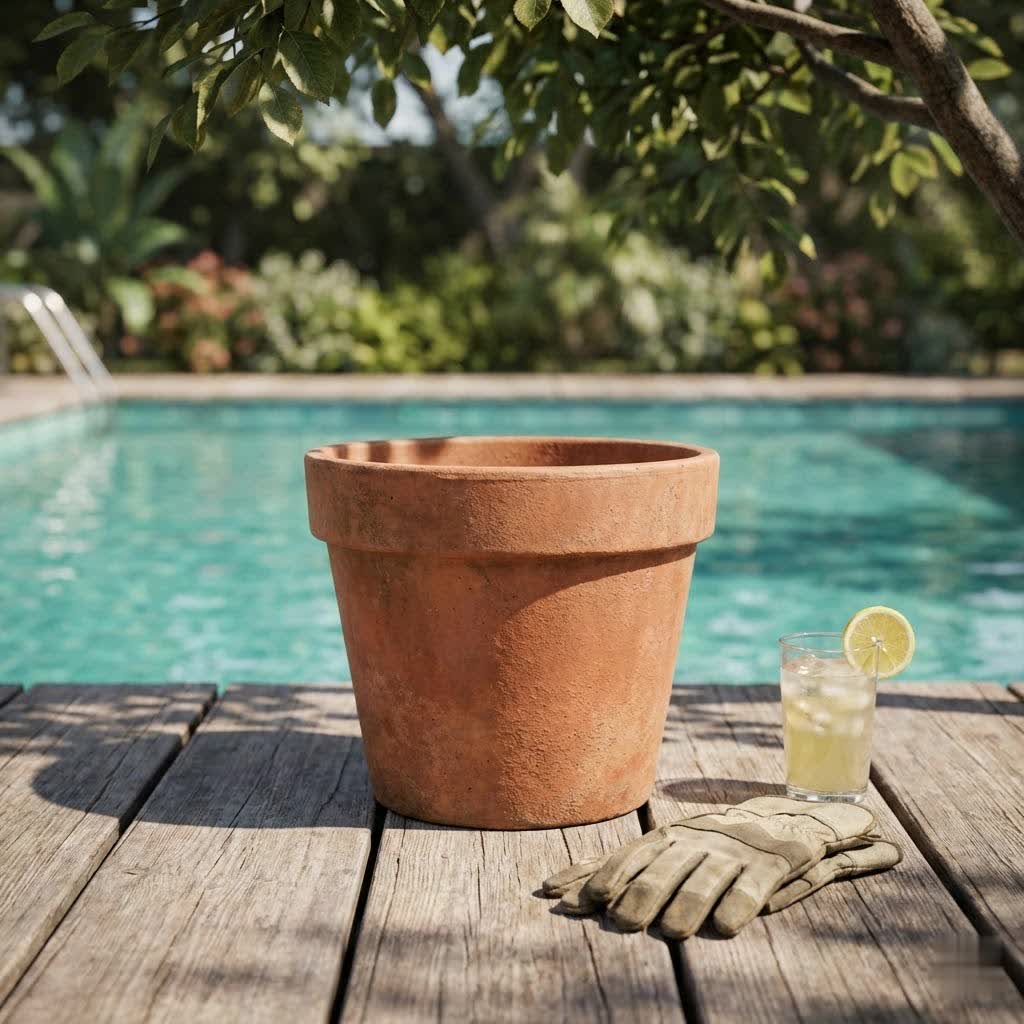
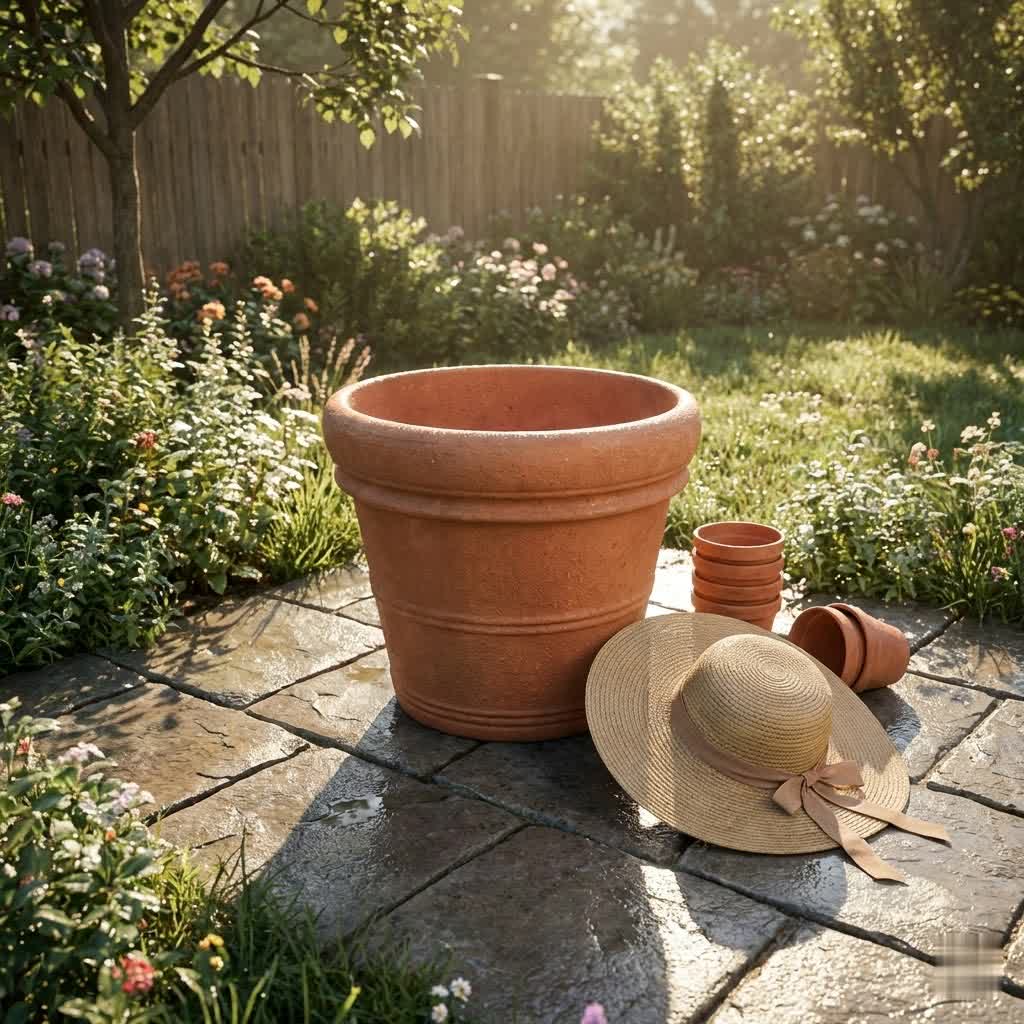
Terracotta pots, made from unglazed fired clay, are a classic choice for cacti and succulents, and for good reason. Their porous nature allows for excellent airflow and moisture evaporation through the pot’s walls, promoting rapid drying of the soil, which is crucial for preventing root rot.
- Pros: Exceptional breathability, excellent drainage, helps prevent overwatering, provides good insulation against temperature fluctuations, classic aesthetic.
- Cons: Can dry out soil quickly (requiring more frequent watering in hot climates), heavier than plastic, can break easily, salt buildup can occur on the exterior over time.
- How to Choose: Opt for unglazed terracotta with a prominent drainage hole. The rough surface indicates optimal porosity.
- Care Tips: Before initial use, soak new terracotta pots in water for an hour to prevent them from wicking too much moisture from the soil immediately. Clean regularly to remove salt deposits.
|
Our Picks for the Best Plant Pot in 2026
We may earn a commission when you use one of our links to make a purchase.
|
||
| Num | Product | Action |
|---|---|---|
| 1 | 7 pcs Plant Pots with Drainage Holes and Saucers, Indoor Planters, Set of 7 (7.5, 7, 6.5, 6, 5.5, 4.5, 3.5 Inches), White |

|
| 2 | Indoor Outdoor Plant Pots- Self Watering Planters with Drainage Holes and Saucers, 9,8, 7.5 Inches, 3 Pots (Snow) |
|
| 3 | Indoor Self Watering Planters with Drainage Holes and Saucers, 8, 7, 6.5, 6, 5.5, 5 Inches, White, 6 Pots |
|
| 4 | Indoor Self Watering Planters with Drainage Holes and Saucers, 8, 7, 6.5, 6, 5.5, 5 Inches, 6 Pots(Green+Brown |
|
| 5 | Indoor Self Watering Planters with Drainage Holes and Saucers, 8, 7, 6.5, 6, 5.5, 5 Inches, Green, 6 Pots. |
|
| 6 | Kante 18 Inch Dia Round Concrete Planter, Indoor Outdoor Large Plant Pot with Drainage Hole and Rubber Plug for Home Patio Garden, Weathered Concrete |
|
| 7 | Kante 18 Inch Diameter Round Concrete Planter, Indoor Outdoor Large Plant Pot with Drainage Hole and Rubber Plug for Home Patio Garden, Buff Concrete |
|
| 8 | Kante 18 Inch Dia Round Concrete Planter, Indoor Outdoor Large Plant Pot with Drainage Hole and Rubber Plug for Home Patio Garden, Black |
|
| 9 | Indoor Self Watering Planters with Drainage Holes and Saucers, 8, 7, 6.5, 6, 5.5, 5 Inches, Black, 6 Pots |
|
| 10 | Kante 18 Inch Dia Round Concrete Planter, Indoor Outdoor Large Plant Pot with Drainage Hole and Rubber Plug for Home Patio Garden, Charcoal |
|
Plastic Plant Pots
Plastic pots are a lightweight and economical option, widely available in various shapes, sizes, and colors. While convenient, their non-porous nature means they retain moisture more effectively than terracotta.
- Pros: Lightweight, durable, inexpensive, retains moisture (less frequent watering needed), wide variety of styles and colors.
- Cons: Poor breathability, can lead to overwatering and root rot if drainage is inadequate, less insulating than clay, can degrade in UV light over time.
- Safe Plastics: Look for food-grade plastics or those explicitly labeled as plant-safe. Generally, polypropylene (#5 PP) and high-density polyethylene (#2 HDPE) are considered safe.
- Recycling Tips: Many municipal recycling programs accept plastic pots. Check local guidelines for proper disposal or consider reusing them for propagation or temporary housing.
Glazed Ceramic Plant Pots
Glazed ceramic pots are essentially terracotta pots with a waterproof glaze applied to their surface, making them less porous. They offer a vast array of decorative options, but their functionality for cacti requires careful consideration.
- Pros: Highly decorative, wide range of colors and finishes, provides good insulation, adds a sophisticated touch to interiors.
- Cons: Non-porous (retains moisture), poor breathability, heavier than plastic, typically more expensive, susceptible to cracking from temperature changes.
- Selection: Always choose glazed ceramic pots with a large drainage hole. The glaze prevents water from evaporating through the sides, so proper bottom drainage is even more critical.
- Maintenance: Treat them similarly to plastic pots regarding watering frequency. Ensure excess water can drain freely to avoid a soggy environment.
Metal Plant Pots
Metal pots offer a sleek, modern aesthetic that can complement contemporary décor. While stylish, their thermal conductivity and lack of porosity pose specific challenges for cactus care.
- Pros: Modern and industrial look, durable, lightweight (depending on metal type), adds unique visual interest.
- Cons: Can heat up quickly in direct sunlight (potentially cooking roots), retains moisture, prone to rust (if not treated), poor breathability.
- Usage Notes: Use metal pots primarily as decorative cachepots (outer pots) for cacti housed in well-draining inner pots (like plastic or terracotta). If planting directly, ensure excellent drainage holes and consider a liner to protect roots from temperature extremes.
- Rust Prevention: Choose galvanized, stainless steel, or powder-coated metal pots. For untreated metal, apply a rust-inhibiting sealant periodically.
Self-Watering Plant Pots
Self-watering pots feature a reservoir that supplies water to the soil via wicks or capillary action, reducing the frequency of manual watering. While convenient for many plants, they are generally not recommended for cacti.
- Mechanism: A separate water reservoir sits below the soil, drawing moisture upwards as needed.
- Pros: Less frequent watering, consistent moisture for plants that prefer it, can be convenient for busy individuals.
- Cons (for cacti): Maintains consistently moist soil, which is detrimental to cacti and leads to root rot, limits the necessary “dry period” between waterings, can lead to mineral buildup.
- Suitability: Cacti thrive on a “soak and dry” watering cycle, meaning their soil needs to dry out completely between waterings. Self-watering pots negate this crucial requirement, making them unsuitable for most cactus species.
Plant Pot Comparison Table
To help you visualize the differences, here’s a quick comparison of common cactus pot materials:
| Feature | Terracotta (Unglazed Clay) | Plastic | Glazed Ceramic | Metal |
|---|---|---|---|---|
| Price Range | Low to Medium | Low | Medium to High | Medium to High |
| Durability | Moderate (can chip/break) | High | Moderate (can chip/break) | High |
| Drainage | Excellent (porous + hole) | Requires good hole | Requires good hole | Requires good hole |
| Breathability | Excellent | Poor | Poor | Poor |
| Moisture Reg. | Dries quickly | Retains moisture | Retains moisture | Retains moisture |
| Aesthetics | Natural, earthy | Versatile, modern | Highly decorative | Modern, industrial |
| Weight | Heavy | Lightweight | Heavy | Varies (Light to Medium) |
| Insulation | Good | Poor | Good | Poor (heats/cools quickly) |
Guide to Selecting Your Cactus Plant Pot
Choosing the right pot involves more than just picking a pretty container. It requires a thoughtful consideration of your cactus’s needs and your environment.
Determine Your Cactus’s Needs
Every cactus is unique. Understanding its specific requirements is paramount.
- Cactus Type: Different species have varying growth habits and root systems. Some prefer deeper pots, while others are fine with shallower containers.
- Current Size: Assess the size of your cactus and its root ball. The new pot should be slightly larger, but not excessively so.
- Placement: Will your cactus live indoors or outdoors? This impacts material choice regarding insulation and UV resistance. For outdoor cacti, consider frost-proof materials in colder climates.
Choose the Right Material
As discussed, the material is key to managing moisture and airflow.
- Prioritize Drainage: This is non-negotiable. Regardless of material, the pot must have at least one adequately sized drainage hole. Lack of drainage is the biggest killer of cacti. If a pot you love lacks a drainage hole, use it as a cachepot with your cactus in a well-draining nursery pot inside.
- Consider Breathability: Terracotta is superior for this. If using less breathable materials like plastic or glazed ceramic, be extra vigilant with your watering schedule and ensure an extremely fast-draining soil mix.
Pay Attention to Design and Color
While health comes first, aesthetics are also important for integrating your cactus into your space.
- Style Harmony: Select a pot that complements your interior or exterior décor. A minimalist aesthetic might favor concrete or simple ceramic, while a rustic feel suits terracotta.
- Color Palette: Earth tones (terracotta, beige, brown) and muted shades (grays, blues, greens) often harmonize well with the natural colors of cacti. Contrasting colors can also create a striking focal point.
Thoroughly Inspect Before Buying
A quick check can save you headaches later.
- Cracks and Imperfections: Ensure the pot has no cracks or chips that could compromise its structural integrity or lead to breakage.
- Drainage Holes: Double-check for adequate drainage holes. If purchasing online, read product descriptions carefully to confirm this feature.
- Warranty: For more expensive or specialized pots, inquire about a warranty.
Tips for Cactus Plant Pot Care
Proper care extends beyond initial selection; it includes ongoing maintenance of both the pot and the plant.
Cleaning Your Cactus Pots
Regular cleaning prevents disease and keeps your pots looking their best.
- Routine Cleaning: Wipe down the exterior of your pots periodically to remove dust and dirt.
- Deep Cleaning: When repotting or between plantings, thoroughly wash pots with warm, soapy water. For terracotta, a stiff brush can help remove stubborn salt buildup. For plastic, a mild bleach solution (1 part bleach to 9 parts water) can sterilize the pot to prevent pathogen transfer. Rinse thoroughly.
Repotting Your Cactus
Cacti need repotting every few years to refresh soil and accommodate growth.
- When to Repot: Repot when your cactus outgrows its current pot (roots are circling the bottom or growing out of drainage holes), or when the soil appears depleted and compacted. Generally, every 2-4 years is a good rhythm.
- Soil Choice: Always use a specialized cactus and succulent potting mix. This mix is formulated for excellent drainage and aeration, often containing perlite, pumice, or coarse sand.
- Repotting Process: Choose a pot that is only slightly larger than the old one – about 1-2 inches (2.5-5 cm) wider in diameter. Gently remove the cactus, clean off old soil, inspect roots, and replant into the new pot with fresh cactus mix. Do not water for a week or so after repotting to allow any root damage to heal.
Fertilizing Cacti in Pots
While low-maintenance, cacti still benefit from occasional feeding.
- Appropriate Fertilizers: Use a balanced, low-nitrogen fertilizer specifically designed for cacti and succulents. Dilute it to half or quarter strength.
- Application: Fertilize sparingly during the active growing season (spring and summer), typically once a month or every other month. Avoid fertilizing in fall and winter when the plant is dormant.
- Dosage and Frequency: Over-fertilizing can harm cacti, so always err on the side of caution. Follow product instructions, but use a diluted strength.
“The secret to a flourishing cactus isn’t just about the plant itself, but the silent partner it lives in. A pot that allows its roots to breathe and drain is non-negotiable for long-term health.” – Admin, ReviewMacy.com
Conclusion
Choosing the right Cactus Plant Pot is a foundational step in successful cactus care. By prioritizing proper drainage, selecting breathable materials like terracotta, and matching the pot size to your cactus’s needs, you create an environment where these remarkable plants can truly thrive. Remember to inspect pots before purchase, understand the nuances of different materials, and implement consistent care routines. With these insights, you are well-equipped to provide your cactus with the perfect home it deserves, adding enduring beauty to your space.
What unique plant pot combinations have you found successful for your cacti?
Frequently Asked Questions
What is the most important feature of a cactus plant pot?
The most important feature is a drainage hole. Cacti are extremely susceptible to root rot in waterlogged soil, so excess water must be able to escape easily. Pots without drainage holes should be avoided unless used as decorative cachepots with an inner, draining pot.
Can I use a regular potting mix for my cactus?
No, regular potting mixes retain too much moisture and are not suitable for cacti. Always use a specialized cactus and succulent potting mix, which is formulated to be fast-draining and well-aerated, often containing ingredients like pumice, perlite, or coarse sand.
How often should I repot my cactus?
Most cacti benefit from repotting every 2-4 years. This allows you to replenish the soil, which can become depleted of nutrients and compacted over time, and to provide a slightly larger pot if the cactus has grown.
Is it okay to use a large pot for a small cactus?
It is generally not recommended to use an oversized pot for a small cactus. A large pot holds more soil and thus retains more moisture than a small cactus needs, increasing the risk of overwatering and root rot. Choose a pot that is only slightly larger than the cactus’s root ball.
Can I put a layer of gravel at the bottom of a pot without drainage holes for my cactus?
No, a layer of gravel at the bottom of a pot without drainage holes does not create effective drainage. It only raises the “perched water table” and still leaves the roots sitting in stagnant water, which can lead to root rot. Always use a pot with proper drainage holes.