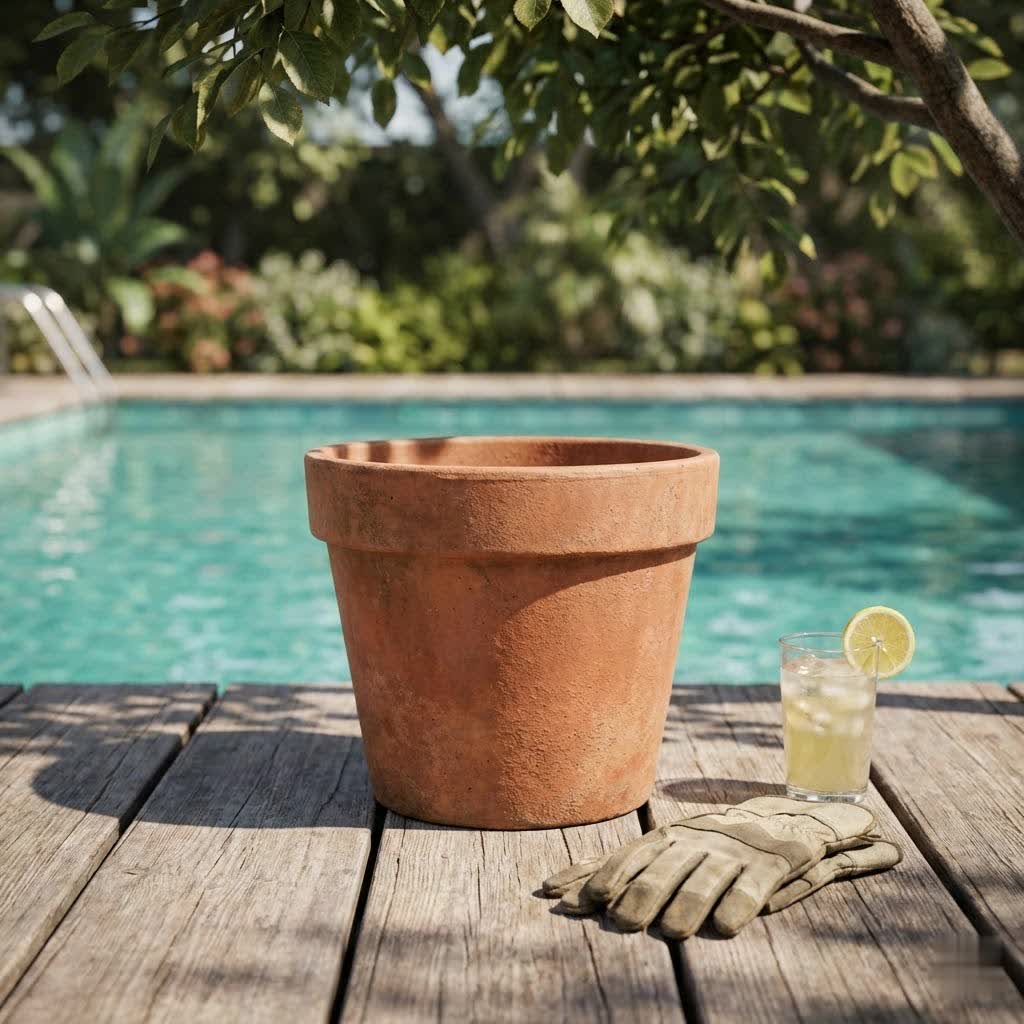
Orange Plant Pots are more than just containers; they are vibrant statements that inject warmth, energy, and a touch of cheerful sophistication into any indoor or outdoor space. As an expert with over a decade in plant care and specializing in container gardening, I understand the unique appeal of a well-chosen pot. Selecting the right orange plant pot involves balancing aesthetic desire with practical plant needs, ensuring your greenery thrives while enhancing your decor. This comprehensive guide will walk you through everything you need to know to pick an orange pot that not only dazzles but also supports the optimal health of your beloved plants.
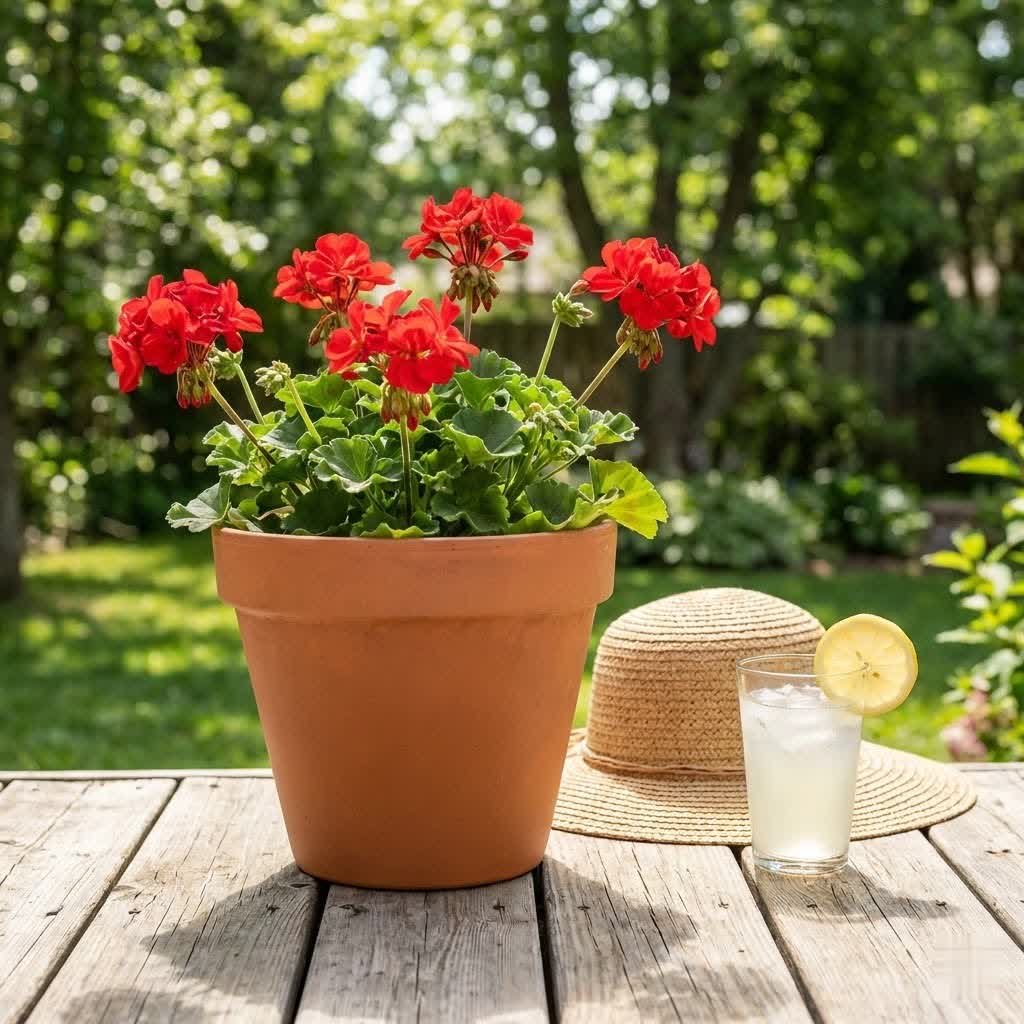
Popular Types of Orange Plant Pots
Orange plant pots come in a variety of materials, each offering distinct characteristics that influence both plant health and aesthetic appeal. Understanding these differences is key to making an informed choice.
Ceramic Orange Plant Pots
Ceramic pots, often glazed for a sleek finish, are a popular choice for their vibrant color and decorative potential. They can range from bright, glossy tangerine to more muted, earthy terracotta orange shades.
- Advantages and Disadvantages: Ceramic orange plant pots offer a stunning visual impact, providing a pop of color that stands out. They are typically heavy, offering excellent stability for larger plants, especially outdoors where wind can be a factor. The glazed surface means they retain moisture more effectively than unglazed terracotta, reducing the frequency of watering. This also helps in maintaining a more consistent soil temperature, acting as a natural insulator. However, their weight can make them difficult to move, and they are prone to cracking or shattering if dropped or exposed to severe freeze-thaw cycles without proper care. Some decorative ceramic pots may lack drainage holes, which can lead to overwatering and root rot if not addressed.
- How to Choose a Suitable Ceramic Pot: When selecting a ceramic orange pot, always prioritize those with proper drainage holes to prevent waterlogging. If a pot lacks drainage, you might consider drilling one (with the right tools) or using it as a cachepot, placing your plant in a smaller nursery pot inside. Choose a glaze and shade of orange that complements your plant’s foliage and your existing decor.
- Ceramic Pot Care Tips: To maintain the vibrant orange finish, regularly wipe down your ceramic pots with a soft, damp cloth. If mineral deposits appear (often white crusty rings), a diluted vinegar solution can help remove them. For outdoor use in cold climates, consider bringing unglazed or thinner ceramic pots indoors to prevent cracking during winter.
|
Our Picks for the Best Plant Pot in 2026
We may earn a commission when you use one of our links to make a purchase.
|
||
| Num | Product | Action |
|---|---|---|
| 1 | Indoor Self Watering Planters with Drainage Holes and Saucers, 8, 7, 6.5, 6, 5.5, 5 Inches, White, 6 Pots |

|
| 2 | 7 pcs Plant Pots with Drainage Holes and Saucers, Indoor Planters, Set of 7 (7.5, 7, 6.5, 6, 5.5, 4.5, 3.5 Inches), White |
|
| 3 | Indoor Self Watering Planters with Drainage Holes and Saucers, 8, 7, 6.5, 6, 5.5, 5 Inches, Green, 6 Pots. |
|
| 4 | Indoor Outdoor Plant Pots- Self Watering Planters with Drainage Holes and Saucers, 9,8, 7.5 Inches, 3 Pots (Snow) |
|
| 5 | Kante 18 Inch Dia Round Concrete Planter, Indoor Outdoor Large Plant Pot with Drainage Hole and Rubber Plug for Home Patio Garden, Charcoal |
|
| 6 | Kante 18 Inch Dia Round Concrete Planter, Indoor Outdoor Large Plant Pot with Drainage Hole and Rubber Plug for Home Patio Garden, Weathered Concrete |
|
| 7 | Kante 18 Inch Diameter Round Concrete Planter, Indoor Outdoor Large Plant Pot with Drainage Hole and Rubber Plug for Home Patio Garden, Buff Concrete |
|
| 8 | Indoor Self Watering Planters with Drainage Holes and Saucers, 8, 7, 6.5, 6, 5.5, 5 Inches, 6 Pots(Green+Brown |
|
| 9 | Indoor Self Watering Planters with Drainage Holes and Saucers, 8, 7, 6.5, 6, 5.5, 5 Inches, Black, 6 Pots |
|
| 10 | Kante 18 Inch Dia Round Concrete Planter, Indoor Outdoor Large Plant Pot with Drainage Hole and Rubber Plug for Home Patio Garden, Black |
|
Plastic Orange Plant Pots
Plastic pots are ubiquitous for their affordability, lightweight nature, and versatility. Orange plastic pots offer a cheerful, budget-friendly way to introduce this energetic color.
- Advantages and Disadvantages: The primary benefits of plastic orange plant pots include their light weight, making them easy to move and reposition, and their lower cost, allowing for more extensive container gardening without a significant investment. Plastic retains moisture exceptionally well, which is beneficial for plants that prefer consistently moist soil or for gardeners who tend to forget watering. Modern plastic pots are often durable, shatterproof, and resistant to impact. However, plastic can degrade over time, becoming brittle and cracking when exposed to prolonged sunlight and extreme temperatures, especially if not UV-stabilized. Darker orange plastics can absorb a lot of heat in direct sun, potentially overheating roots. They also offer less airflow to the roots compared to porous materials.
- Safe Plastic Types for Plants: Opt for plastics labeled as UV-resistant to ensure longevity and color retention. If you plan to grow edible plants, look for food-safe plastics to avoid any potential leaching of chemicals.
- Plastic Pot Recycling: Always check the recycling code on the bottom of plastic pots. Many nurseries now offer recycling programs for their plastic containers, or you can clean them thoroughly and reuse them yourself.
Terracotta Orange Plant Pots
While natural terracotta typically presents a reddish-brown hue, many terracotta pots are available with an orange finish or can be painted. This material is celebrated for its breathability.
- Advantages and Disadvantages: Terracotta’s porous nature allows for excellent air and water exchange through its walls, making it ideal for plants that prefer drier soil, such as succulents, cacti, and many herbs. This porosity helps prevent overwatering and root rot, a common killer of houseplants. The evaporative cooling effect of terracotta also helps keep plant roots cooler in hot climates. On the downside, this rapid drying means plants in terracotta pots will require more frequent watering, especially in warm or arid conditions. Terracotta is also heavy and fragile, susceptible to breaking if dropped or to cracking during freeze-thaw cycles if water seeps into its pores. Over time, mineral salts from water and fertilizer can accumulate on the outside, creating a white, crusty “patina” that some find charming and others prefer to clean.
- Distinguishing Between Terracotta and Premium Clay: Higher-quality terracotta, often from specific regions like Italy, is typically fired at a higher temperature, resulting in a stronger, more durable pot. You can sometimes test quality by tapping the pot; a ringing sound indicates higher quality. Natural terracotta’s earthy, muted orange tones contrast with the bright, glazed orange of some ceramic or painted terracotta options.
- Preparing and Maintaining New Terracotta Pots: Before using a new terracotta pot, especially if it’s unglazed, soak it in water for several hours or overnight. This saturates the clay, preventing it from wicking essential moisture from your plant’s soil immediately after potting. To clean off mineral stains, scrub with a brush and a solution of equal parts water and white vinegar.
Metal Orange Plant Pots
Metal orange plant pots offer a contemporary, often industrial aesthetic, bringing a bold and modern edge to your planting.
- Advantages and Disadvantages: Metal pots, particularly those made from steel or aluminum, are exceptionally durable and resistant to chipping, cracking, or breaking. Powder-coated or galvanized finishes can provide a vibrant orange color and offer good rust resistance, making them suitable for outdoor use. They can be a striking design element. However, metal is a good conductor of heat and cold. In direct sunlight, metal pots can quickly overheat the soil, potentially damaging roots. Conversely, in cold weather, they can cause the soil to freeze faster. Untreated metals are prone to rust, and lower-quality painted finishes can fade or flake over time. Some Corten steel options offer a rich, rusty brown-orange patina, which is distinct from a bright, manufactured orange.
- Considerations for Using Metal Pots: For plants sensitive to temperature fluctuations, consider lining metal pots with insulation or placing a plastic nursery pot inside (acting as a cachepot) to create a buffer. Ensure excellent drainage to prevent water accumulation that can exacerbate rust or root issues. Choose powder-coated or galvanized steel for the best color retention and corrosion resistance for a bright orange look.
- Rust Prevention: High-quality powder-coating or galvanization is crucial for orange metal pots to prevent rust. Avoid leaving them in standing water, and inspect regularly for any chips in the finish that could expose the metal.
Self-Watering Orange Plant Pots
Combining convenience with vibrant color, self-watering orange plant pots are an excellent solution for busy gardeners.
- Operating Mechanism: Self-watering pots typically consist of an inner pot that holds the plant and soil, nestled within an outer reservoir that stores water. A wicking system (often a rope or a specific soil layer) draws water from the reservoir up to the plant’s roots as needed, mimicking natural capillary action.
- Advantages and Disadvantages: These pots provide a consistent moisture level, preventing the common “wet-dry” cycle that stresses many plants. They reduce the frequency of watering, making them ideal for travelers or those prone to forgetting. This efficient watering method can also promote stronger root development and better water conservation. However, it can be challenging to gauge the exact moisture level in the soil, and they are not suitable for plants that prefer to dry out thoroughly between waterings (like most succulents and cacti), as constant moisture can lead to root rot. Nutrient buildup can also be a concern, requiring occasional top-watering to flush salts.
- Suitable Plants for Self-Watering Pots: Self-watering orange pots are perfect for moisture-loving plants such as ferns, peace lilies, African violets (which prefer water away from their leaves), most herbs, and many common houseplants like pothos. Avoid them for arid-loving plants or those sensitive to consistently damp soil.
Comparison Table: Popular Orange Plant Pot Materials
Choosing the right material for your orange plant pot depends on your priorities, from aesthetics to plant health. Here’s a quick comparison:
| Feature | Ceramic (Glazed) Orange Pots | Plastic Orange Pots | Terracotta Orange Pots (Natural/Painted) | Metal Orange Pots (Powder-Coated) | Self-Watering Orange Pots |
|---|---|---|---|---|---|
| Cost | Moderate to High | Low | Low to Moderate | Moderate to High | Moderate to High |
| Durability | Durable, but prone to cracking/breaking | Good, but can degrade/become brittle | Moderate, prone to cracking/breaking | Excellent, highly durable | Good (material-dependent) |
| Drainage | Often has holes, retains moisture well | Variable (easy to add holes), retains moisture | Highly porous, excellent drainage | Requires drain holes, non-porous | Excellent, consistent moisture |
| Aesthetics | Vibrant, sleek, modern, varied designs | Functional, cheerful, can look less premium | Earthy, rustic, develops natural patina | Modern, industrial, bold | Modern, convenient (often plastic/ceramic) |
| Weight | Heavy | Lightweight | Heavy | Heavy (steel/iron) to Lightweight (aluminum) | Varies (material-dependent) |
| Insulation | Good (regulates soil temp) | Poor (heats up/cools quickly) | Good (evaporative cooling) | Poor (conducts heat/cold easily) | Good (reservoir buffers temp) |
| Ideal Use | Decorative, indoor/outdoor, moisture-loving plants | Budget-friendly, temporary, plants needing moisture | Arid-loving plants, good airflow, outdoor | Statement piece, modern spaces | Busy gardeners, moisture-loving plants |
Guide to Choosing Your Ideal Orange Plant Pot
Selecting the perfect orange plant pot involves a thoughtful consideration of several factors beyond just its eye-catching color.
Determine Your Needs
Before diving into the vast array of options, consider the specifics of your gardening project.
- Plant Type: Different plants have different needs. Do you have a succulent that craves dry conditions, or a fern that thrives in consistent moisture? This will heavily influence your material choice. Also, consider the plant’s mature size to select an adequately sized pot that allows for root growth.
- Plant Size: A small seedling won’t thrive in a massive pot, and a large, established plant will quickly outgrow a tiny one. Choose a pot that is proportionate to your plant’s current size and allows for future growth without constant repotting.
- Placement: Will the pot live indoors, becoming a focal point in your living room, or outdoors on a sunny patio? Indoor pots might prioritize aesthetics, while outdoor pots need to withstand varying weather conditions, including sun exposure, wind, and temperature fluctuations.
Choose the Right Material
Match the pot’s material to your plant’s requirements and your environmental conditions.
- Prioritize Safe and Durable Materials: For plants that will be in direct sunlight, materials with good insulation like glazed ceramic or even well-insulated plastic are preferable to dark metals that can overheat. For outdoor use in areas with strong winds, heavier materials like ceramic or terracotta provide stability. If you’re growing edible plants, ensure any painted or glazed pots are food-safe.
- Consider Drainage and Moisture Retention: If you tend to overwater, a porous terracotta pot can be a lifesaver. If you frequently forget to water, a plastic or glazed ceramic pot that retains moisture better, or even a self-watering pot, might be a better fit. Always ensure the pot has adequate drainage holes to prevent root rot.
Pay Attention to Design and Color
The color orange itself has a spectrum, from bright, fiery hues to soft, muted tones.
- Match Your Interior Style: A sleek, minimalist orange ceramic pot might suit a modern home, while a distressed terracotta orange pot could enhance a rustic or bohemian aesthetic. Consider the overall color palette of your room or garden space.
- Harmonize with Your Surroundings: A bright orange pot can create a bold focal point, drawing the eye to your plant. Complementary colors (like blues and purples in the foliage) will pop against orange, while analogous colors (reds and yellows) will create a warm, inviting feel. The style of the pot – whether ribbed, smooth, textured, or patterned – also plays a role in its overall impact.
Thoroughly Inspect Before Buying
A quick check before purchasing can save you future headaches.
- Check for Cracks or Damage: Always inspect the pot for any hairline cracks, chips, or manufacturing defects that could compromise its integrity or aesthetic appeal.
- Verify Drainage Holes: Ensure there are sufficient drainage holes. If not, consider if you can safely add them or if the pot is better suited as a cachepot.
- Inquire About Warranties: For more expensive or specialty pots, ask about warranties or guarantees, especially regarding outdoor use and weather resistance.
Tips for Caring for Your Orange Plant Pots
Proper care extends the life of your orange plant pots and keeps them looking their best.
Cleaning Your Orange Plant Pots
Regular cleaning prevents residue buildup and maintains their vibrant appearance.
- Regular Cleaning: For ceramic and plastic pots, a simple wipe-down with a damp cloth and mild soap is usually sufficient. For terracotta pots, which can develop white mineral stains, a mixture of equal parts white vinegar and water can be used with a stiff brush to remove the buildup. Always rinse thoroughly.
- Safe Cleaning Products: Avoid harsh abrasives or strong chemical cleaners, especially on painted or glazed surfaces, as these can damage the finish. For metal pots, use gentle cleansers specifically designed for the metal type to prevent corrosion or dulling of the orange finish.
Repotting Plants in Orange Pots
Knowing when and how to repot is crucial for plant health.
- Signs It’s Time to Repot: Look for roots growing out of the drainage holes, slowed growth, a plant that seems top-heavy, or soil that dries out exceptionally quickly. Most plants need repotting every 1-2 years.
- Choosing the Right Potting Mix: Always use a high-quality potting mix appropriate for your specific plant type. For instance, succulents need a well-draining cactus mix, while tropical plants prefer a richer, moisture-retentive blend.
- Proper Repotting Technique: Gently remove the plant from its current pot, loosen any circling roots, and place it in the new orange pot with fresh soil, ensuring the plant sits at the same depth as before. Water thoroughly after repotting.
Fertilizing Plants in Pots
Potted plants rely entirely on you for nutrients.
- Selecting Suitable Fertilizers: Choose a balanced, slow-release fertilizer or a liquid feed tailored to your plant’s needs. Follow package instructions carefully to avoid over-fertilization, which can burn roots.
- Dosage and Frequency: Fertilize during the plant’s active growing season (typically spring and summer), reducing or stopping in fall and winter. Self-watering pots may require more frequent fertilization, as constant watering can leach nutrients more quickly. Occasional top-watering in self-watering pots helps flush out accumulated salts.
Conclusion
Choosing an orange plant pot is an opportunity to express your personal style while providing an ideal home for your plants. Whether you opt for the earthy charm of terracotta, the sleekness of ceramic, the practicality of plastic, or the modern edge of metal, understanding the unique characteristics of each material is paramount. By considering your plant’s needs, the environment it will inhabit, and your aesthetic preferences, you can select an orange plant pot that not only brings a burst of joyful color but also ensures your greenery flourishes. Embrace the warmth and vibrancy that orange brings, and transform your space into a lively oasis.
What kind of atmosphere do you hope to create with an orange plant pot in your home or garden?
Frequently Asked Questions
Which plants look best in an orange plant pot?
Plants with contrasting cool-toned foliage, like deep greens, blues, or silvers, create a striking visual impact against orange. Alternatively, plants with warm-toned flowers or foliage (yellows, reds, and even purples) can create a harmonious, vibrant display. Consider coleus, succulents, hibiscus, or agaves for stunning combinations.
Can orange plant pots fade in the sun?
Yes, certain materials, especially lower-quality plastics or paints on metal and terracotta, can fade over time with prolonged exposure to direct sunlight. To minimize fading, choose UV-stabilized plastic pots, powder-coated metal, or glazed ceramic pots with durable finishes, and consider placing them in areas with partial shade if possible.
Are orange plant pots suitable for both indoor and outdoor use?
Many orange plant pots are designed for both indoor and outdoor environments, but it depends on the material. Ceramic, terracotta, and UV-resistant plastic are generally versatile. Metal pots might require insulation for temperature extremes, and some ceramic or terracotta options need protection from freezing temperatures if used outdoors in cold climates.
How do I prevent my orange plant pot from accumulating white mineral stains?
White mineral stains, or efflorescence, are common on porous pots like terracotta due to water evaporation. Using filtered water instead of hard tap water can reduce mineral buildup. Regular cleaning with a diluted white vinegar solution and a brush can effectively remove existing stains.
Do orange plant pots affect plant growth or health?
The color of a plant pot primarily affects aesthetics and slightly influences temperature regulation. Darker colors, including dark orange, can absorb more solar radiation and heat up quicker than lighter colors, potentially affecting root temperature. However, the material’s porosity, insulation, and drainage capabilities have a much greater impact on plant growth and health than color alone.