For centuries, gardeners and landscape enthusiasts have turned to Stone Plant Pots to introduce an unmatched sense of gravitas and timeless beauty into their green spaces. These durable containers are more than just functional vessels; they are statements of enduring style, offering both practical benefits for your plants and an aesthetic anchor for any design scheme. Whether you’re envisioning a grand formal garden or a cozy urban balcony, understanding the nuances of stone plant pots is key to selecting the perfect one that will thrive alongside your botanicals for years to come.
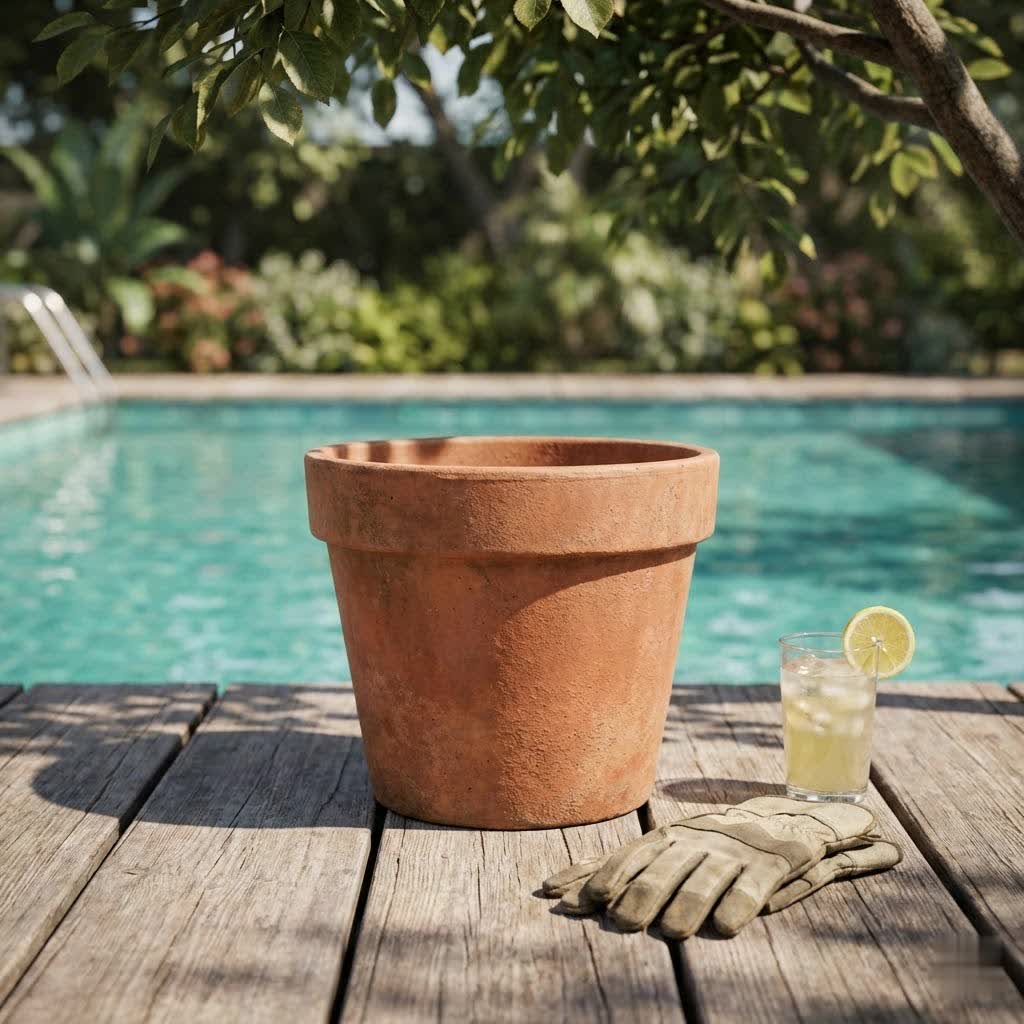
This comprehensive guide will delve into the various types of stone plant pots, their unique advantages and considerations, and essential tips for choosing and caring for them. Prepare to transform your planting experience with the inherent elegance and robust nature of stone.
Unpacking the Different Types of Stone Plant Pots
When you consider a “stone plant pot,” you might imagine a heavy, hand-carved piece of natural rock. While that’s certainly one magnificent option, the category encompasses a broader range of materials, each with distinct characteristics. Understanding these differences is crucial for making an informed choice.
Natural Stone Pots
Crafted from solid blocks of granite, limestone, or sandstone, natural stone pots are the epitome of authenticity and luxury. Each piece boasts unique textures and color variations inherent to the earth from which it was quarried.
- Advantages:
- Exceptional Durability: Natural stone is incredibly robust and can last for generations, often aging beautifully with time.
- Natural Beauty: The inherent patterns, colors, and textures provide an unmatched organic aesthetic.
- Excellent Heat Retention: The thermal mass of natural stone helps insulate roots, protecting them from extreme temperature fluctuations.
- Pest and Rot Resistant: Being a natural, inorganic material, it naturally resists rot and pests.
- Disadvantages:
- Very Heavy: Their substantial weight makes them extremely difficult to move once placed, often requiring specialized equipment.
- High Cost: Natural stone pots are typically the most expensive option due to material and craftsmanship.
- Limited Shapes and Sizes: Carving limitations can restrict complex designs and very large sizes.
- Freeze-Thaw Vulnerability: If porous and exposed to freeze-thaw cycles without proper drainage or sealing, they can be prone to cracking.
- Choosing and Care: Best suited for permanent, stately installations. Ensure adequate drainage and consider sealing to protect against moisture absorption and staining in harsher climates.
|
Our Picks for the Best Plant Pot in 2026
We may earn a commission when you use one of our links to make a purchase.
|
||
| Num | Product | Action |
|---|---|---|
| 1 | Kante 18 Inch Dia Round Concrete Planter, Indoor Outdoor Large Plant Pot with Drainage Hole and Rubber Plug for Home Patio Garden, Weathered Concrete |

|
| 2 | 7 pcs Plant Pots with Drainage Holes and Saucers, Indoor Planters, Set of 7 (7.5, 7, 6.5, 6, 5.5, 4.5, 3.5 Inches), White |
|
| 3 | Indoor Self Watering Planters with Drainage Holes and Saucers, 8, 7, 6.5, 6, 5.5, 5 Inches, White, 6 Pots |
|
| 4 | Indoor Self Watering Planters with Drainage Holes and Saucers, 8, 7, 6.5, 6, 5.5, 5 Inches, Black, 6 Pots |
|
| 5 | Indoor Self Watering Planters with Drainage Holes and Saucers, 8, 7, 6.5, 6, 5.5, 5 Inches, Green, 6 Pots. |
|
| 6 | Kante 18 Inch Diameter Round Concrete Planter, Indoor Outdoor Large Plant Pot with Drainage Hole and Rubber Plug for Home Patio Garden, Buff Concrete |
|
| 7 | Indoor Self Watering Planters with Drainage Holes and Saucers, 8, 7, 6.5, 6, 5.5, 5 Inches, 6 Pots(Green+Brown |
|
| 8 | Indoor Outdoor Plant Pots- Self Watering Planters with Drainage Holes and Saucers, 9,8, 7.5 Inches, 3 Pots (Snow) |
|
| 9 | Kante 18 Inch Dia Round Concrete Planter, Indoor Outdoor Large Plant Pot with Drainage Hole and Rubber Plug for Home Patio Garden, Charcoal |
|
| 10 | Kante 18 Inch Dia Round Concrete Planter, Indoor Outdoor Large Plant Pot with Drainage Hole and Rubber Plug for Home Patio Garden, Black |
|
Cast Stone Pots
Cast stone pots are manufactured by combining cement with fine aggregates, pigments, and often fiberglass reinforcement. This process allows them to realistically mimic the appearance and texture of natural stone at a more accessible price point.
- Advantages:
- Mimics Real Stone: Offers a high-end, sophisticated look without the premium cost of natural stone.
- Customizable Shapes and Sizes: The casting process allows for a wider variety of designs, from classic urns to modern geometric shapes.
- Good Durability: High-quality cast stone is very strong and weather-resistant, providing excellent longevity.
- Wind Resistance: Their weight provides superior stability, preventing them from blowing over in windy conditions.
- Disadvantages:
- Still Heavy: While lighter than solid natural stone, cast stone pots are still considerably heavy, making frequent relocation challenging.
- Quality Varies: The quality can differ significantly between manufacturers; look for high-density versions with fiberglass reinforcement for better crack resistance.
- Limited Color Palette: Primarily available in earthy tones, which might not suit those looking for vibrant hues.
- Potential for Chipping: Can chip if dropped or subjected to strong impacts.
- Choosing and Care: A versatile choice for those seeking elegance and endurance. Always check for drainage holes and use a suitable, well-draining potting mix to prevent staining and promote plant health.
Fiber-Reinforced Concrete Pots
These modern variants incorporate glass or synthetic fibers into the concrete mix, creating a material that is lighter and stronger than traditional concrete.
- Advantages:
- Lighter Weight: Significantly lighter than natural or traditional cast stone, offering a good balance of durability and relative mobility.
- High Strength-to-Weight Ratio: The fiber reinforcement provides enhanced impact resistance and reduces brittleness.
- Frost-Resistant and UV-Stable: Designed to withstand harsh weather conditions, including freezing temperatures and prolonged sun exposure.
- Disadvantages:
- Higher Initial Cost: Can be more expensive than basic cast stone due to advanced manufacturing.
- Fewer Decorative Finishes: May offer a more industrial or minimalist aesthetic, with fewer intricate designs compared to traditional stone.
- Choosing and Care: Ideal for contemporary architectural projects or for gardeners who need durable, stone-like planters with greater ease of movement.
Resin or Polymer Composite Pots (Stone-Look)
While not true stone, these pots are engineered from mineral fillers and polymers to replicate the look and texture of stone. They offer a practical alternative for specific needs.
- Advantages:
- Lightest Option: Extremely lightweight, making them easy to move and reposition.
- Weatherproof: Resistant to chipping, cracking, and fading, often excelling in freeze-thaw cycles due to flexibility.
- Affordable: Generally the most budget-friendly stone-look option.
- Easy to Clean: Non-porous surfaces make them resistant to stains and easy to wipe down.
- Disadvantages:
- Less Breathable: Can retain more moisture than porous stone, potentially requiring careful watering.
- May Degrade Over Time: Unless specifically UV-stabilized, prolonged sun exposure can eventually lead to degradation or fading.
- Not “True” Stone: Lacks the inherent thermal mass and prestige of natural or cast stone.
- Choosing and Care: Perfect for temporary displays, rental properties, or situations where portability is a priority. Ensure good drainage and select UV-stabilized options for outdoor use.
Comparing Stone Plant Pots with Other Materials
Understanding how stone pots stack up against other common planter materials helps clarify their unique value proposition.
| Feature | Stone (Natural/Cast) | Ceramic (Glazed/Unglazed) | Plastic | Terracotta | Metal |
|---|---|---|---|---|---|
| Price | High (Natural), Mid-High (Cast) | Mid-High | Low | Low-Mid | Mid-High |
| Durability | Excellent; can last decades, but heavy; potential cracking in freeze-thaw (if porous) | Good; can last years, but fragile; prone to cracking if unglazed/frozen | Variable; can be brittle or durable; degrades with UV | Moderate; prone to cracking in freeze-thaw; chips easily | Good; rust-resistant (galvanized/powder-coated); dents |
| Drainage | Usually good; often pre-drilled holes; thermal mass aids root insulation | Varies; glazed retains moisture, unglazed wicks water; requires holes | Usually good; easy to drill more if needed | Excellent (porous nature allows aeration and wicking) | Varies; requires holes; heat conduction can harm roots |
| Aesthetics | Timeless, elegant, natural, substantial | Versatile; can be artistic, rustic, or modern; wide colors | Casual; many shapes/colors | Rustic, earthy, classic | Modern, industrial, sleek |
| Weight | Very Heavy | Heavy | Very Lightweight | Moderate | Moderate-Heavy |
| Mobility | Low (difficult to move) | Low | High (easy to move) | Moderate | Moderate |
| Thermal Properties | High thermal mass; insulates roots from temperature extremes | Varies; unglazed offers some insulation; glazed retains heat | Poor insulation; heats up quickly | Good; porous structure cools soil through evaporation | Conducts heat well; can overheat roots in direct sun |
Your Guide to Choosing the Perfect Stone Plant Pot
Selecting the ideal stone plant pot involves harmonizing your plant’s needs with your aesthetic preferences and practical considerations.
Determine Your Needs
Before falling in love with a design, assess the fundamental requirements of your planting project.
- Type of Plant and Its Size:
- Consider the plant’s mature size and root system. A general rule is to choose a pot that is at least 2 inches wider than the plant’s current root ball.
- Deeper pots are better for plants with taproots, while wider, shallower pots suit those with spreading, fibrous root systems.
- Placement of the Pot:
- Indoor vs. Outdoor: Outdoor pots need to withstand weather, while indoor pots need aesthetic integration.
- Permanent vs. Movable: If you plan to move the pot frequently, lightweight composite options might be preferred. For permanent installations, the weight of natural or cast stone provides unmatched stability.
- Wind Exposure: Heavy stone pots are excellent in high-wind areas, preventing plants from toppling.
- Climate Conditions:
- Frost Resistance: In regions with freezing winters, opt for frost-resistant cast stone or fiber-reinforced composites to prevent cracking.
- Sunlight Exposure: Stone’s thermal mass can protect roots from extreme heat, but dark colors can absorb more heat.
Select the Right Material
Based on your needs, narrow down the material options:
- Natural Stone: Choose for unparalleled authenticity, prestige, and permanence in stable climates.
- Cast Stone: Offers the best balance of aesthetics, durability, and cost for most outdoor applications. Look for high-density, fiberglass-reinforced options.
- Fiber-Reinforced Concrete: A robust and relatively lighter alternative for modern designs and diverse climates.
- Resin or Polymer Composite: Ideal for portability, ease of cleaning, and budget-friendliness, especially where true stone is too heavy or costly.
Consider Design and Aesthetics
The visual appeal of your stone pot will significantly impact your space.
- Shape and Style:
- Classic Round, Urn, and Pedestal Pots: Imbue a sense of tradition and grandeur, perfect for formal gardens or entryways.
- Square and Rectangular Pots: Offer clean lines and a structured look, ideal for modern landscaping, lining pathways, or creating symmetrical arrangements.
- Decorative Carved Pots: Introduce artistic expression and serve as focal points.
- Color and Finish:
- Stone pots typically come in natural, earthy tones (grey, charcoal, limestone, aged white, brown).
- Choose a color that harmonizes with your home’s exterior, interior design, or the specific plants you intend to showcase. Lighter colors can visually enlarge a space, while darker tones create drama.
Essential Checks Before Buying
A few crucial checks can save you from future disappointment.
- Verify Drainage Capability: Proper drainage is absolutely vital for plant health. Ensure the pot has adequate drainage holes. If not, consider if you can safely drill them (not recommended for delicate natural stone).
- Evaluate Material Quality: Tap the surface; a hollow sound might indicate thin walls. Inspect for hairline cracks, uneven coloring, or rough edges that suggest poor craftsmanship.
- Check Weight vs. Usability: Physically gauge the weight if possible. If purchasing a heavy pot, plan its placement carefully and consider using plant caddies or dollies for any future repositioning.
- Review Warranty and Return Policy: Reputable manufacturers often offer warranties (typically 1-5 years) against material defects or cracking, especially for cast stone. Keep your proof of purchase.
Stone Plant Pot Care and Maintenance Tips
While stone pots are known for their durability, a little care goes a long way in preserving their beauty and functionality.
Cleaning Your Stone Pot
Regular cleaning helps maintain the aesthetic appeal and prevents buildup.
- Routine Cleaning: Use a soft brush, water, and mild, biodegradable soap to gently scrub away dirt, dust, and minor stains. Rinse thoroughly.
- Tackling Stubborn Stains: For tougher stains like moss or algae, a diluted solution of white vinegar or a specialized stone cleaner can be used. Always test on an inconspicuous area first. Avoid harsh chemicals or wire brushes that could damage the surface or change the stone’s color.
- Preventing Stains: Using a high-quality potting mix can help prevent mineral leaching and staining on the pot’s exterior. Sealing natural or porous cast stone can also protect against moisture absorption and discoloration.
Repotting and Soil Management
Proper soil and repotting practices are crucial for plants thriving in stone pots.
- When to Repot: Repot your plants when they become root-bound, typically every 1-3 years, or when their growth slows significantly.
- Choosing Suitable Soil: Always use a well-draining potting mix appropriate for your specific plant. For cast stone, using a multi-purpose organic compost can help avoid unsightly staining.
- Proper Repotting Technique: Gently remove the plant, loosen circling roots, and place it in the new pot with fresh soil, ensuring the plant is at the same depth as before. Water thoroughly after repotting.
Fertilizing Plants in Stone Pots
Plants in containers have limited access to nutrients, making fertilization important.
- Appropriate Fertilizers: Use a balanced, slow-release granular fertilizer or a liquid feed according to your plant’s needs.
- Dosage and Frequency: Follow the manufacturer’s instructions carefully. Over-fertilization can harm your plant. Adjust frequency based on the plant’s growth cycle and the specific fertilizer type.
Winterizing Outdoor Stone Pots
Protecting your outdoor stone pots from harsh winter conditions, especially freeze-thaw cycles, is critical to prevent cracking.
- Empty and Store: Ideally, empty natural and porous cast stone pots and store them in a sheltered, frost-free location like a garage or shed during winter.
- Elevate for Drainage: If leaving outdoors, ensure the pot is elevated on “pot feet” to allow water to drain freely and prevent it from freezing and expanding beneath the pot.
- Covering: Large, immovable stone pots can be covered with breathable burlap or frost cloth to offer some protection from moisture and extreme cold.
“Choosing the right plant pot is as important as choosing the right plant. Stone planters, with their unparalleled durability and aesthetic versatility, offer a foundation that elevates any garden, transforming it into a lasting sanctuary of beauty.” – ReviewMacy Admin, Horticultural Technician
Conclusion
Stone plant pots are an investment that pays dividends in both lasting beauty and robust functionality. From the majestic grandeur of natural granite to the versatile charm of cast stone and the practical lightness of composite options, there’s a stone-look pot to suit every plant, every space, and every gardener’s vision. By understanding the unique characteristics of each material, making careful choices regarding size, drainage, and aesthetic, and committing to simple care routines, you can ensure your stone plant pots become cherished elements of your landscape for decades.
Ready to embark on a journey of timeless elegance for your garden? What kind of stone plant pot will you choose to enhance your green haven?
Frequently Asked Questions
Are stone pots good for plants?
Yes, stone pots are generally excellent for plants. Their significant weight provides stability against wind, while their thermal mass helps insulate roots from temperature fluctuations, keeping them cooler in summer and warmer in winter. Good drainage is essential for plant health in any pot, including stone ones.
Do stone pots need drainage holes?
Absolutely. Proper drainage is crucial for preventing root rot and ensuring healthy plant growth in any container, and stone pots are no exception. Always choose stone pots with pre-drilled drainage holes or ensure you can safely add them.
How heavy are stone plant pots?
The weight of stone plant pots varies significantly by material. Natural stone pots are extremely heavy, often requiring machinery to move. Cast stone pots are also substantial but can be managed by a strong individual or two. Fiber-reinforced concrete and resin composites are considerably lighter, offering more portability while still retaining a stone-like appearance.
Can stone pots crack in winter?
Yes, natural stone and some cast stone pots can crack in freezing conditions, especially if they are porous and water seeps into micro-fissures, then expands as it freezes. To prevent this, ensure excellent drainage, consider sealing porous pots, or ideally, move them to a frost-free environment during winter in cold climates.
How do you clean moss or algae off stone plant pots?
To clean moss or algae, gently scrub the pot with a stiff brush and a solution of warm water mixed with a small amount of mild, biodegradable dish soap or a diluted vinegar solution (1 part vinegar to 10 parts water). Rinse thoroughly with clean water. Avoid harsh chemicals or pressure washers that could damage the stone’s surface.