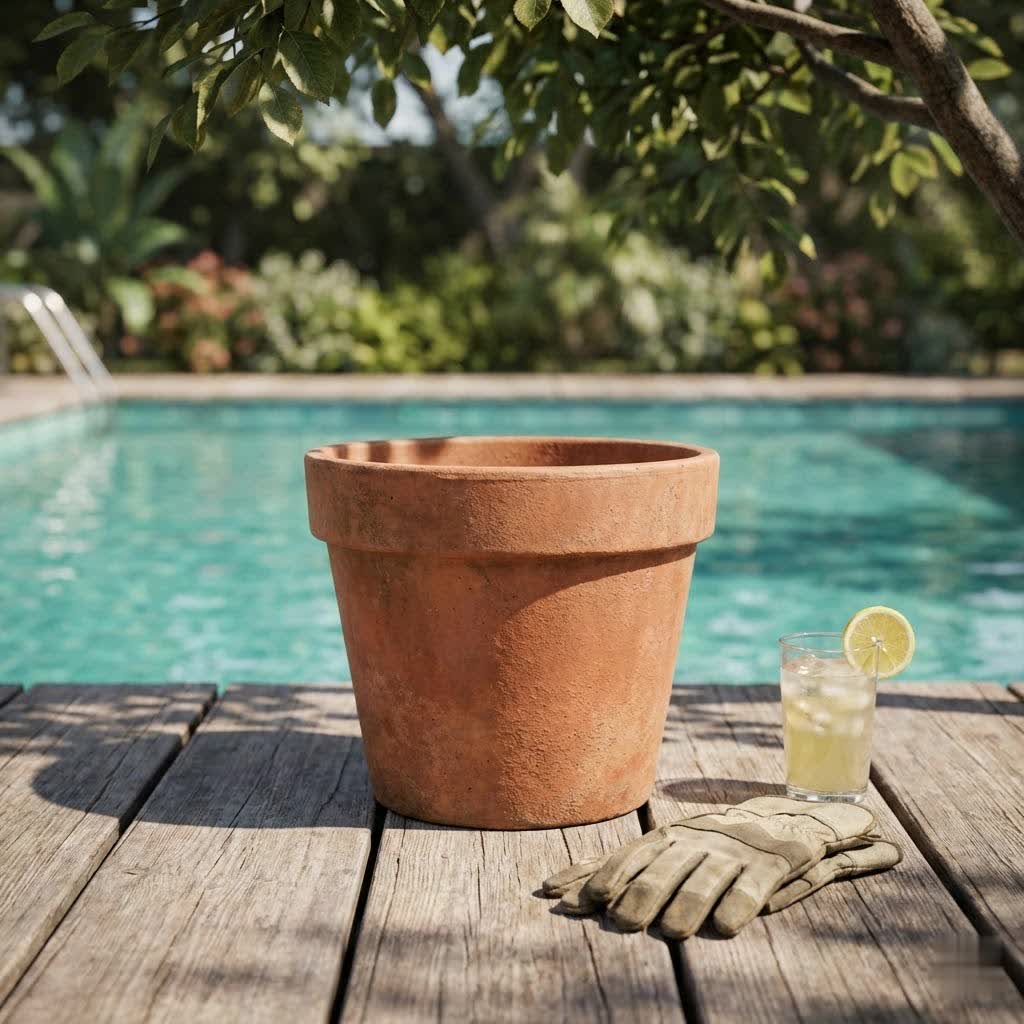
Selecting the perfect plant pot is more than just a functional decision; it’s an opportunity to enhance your space and showcase your beloved plants. White Plant Pots, with their timeless elegance and versatility, have become a favorite among plant enthusiasts and interior designers alike. They offer a clean, sophisticated backdrop that allows your plant’s vibrant foliage and unique form to truly stand out. But with a myriad of materials, sizes, and designs available, how do you choose the ideal white plant pot for your green companions and living environment? This comprehensive guide will explore the different types, their benefits and drawbacks, and provide essential tips to help you make an informed choice that blends seamlessly with your needs and aesthetic.
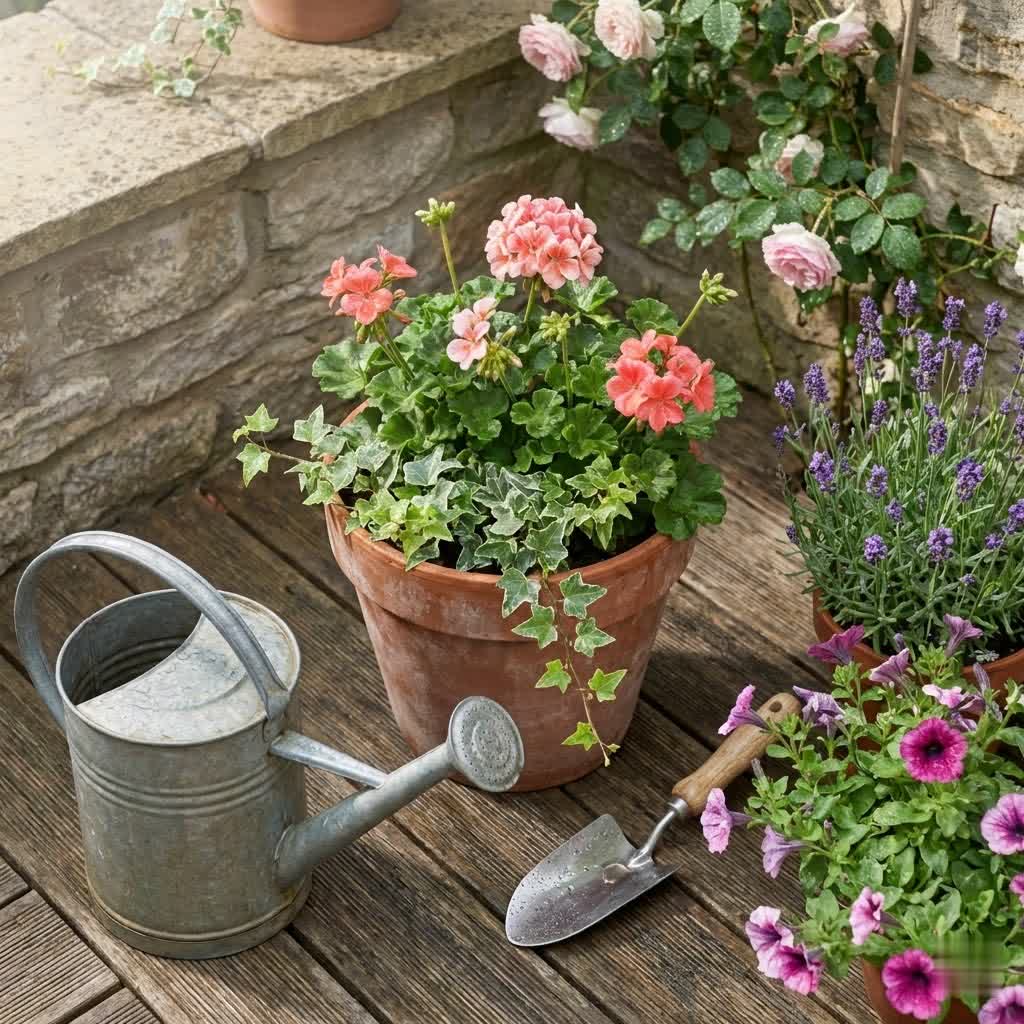
Popular Types of White Plant Pots
Understanding the characteristics of various materials is crucial when selecting a white plant pot. Each type offers distinct advantages and disadvantages that can impact plant health and overall décor.
White Ceramic Plant Pots
White ceramic plant pots are renowned for their classic beauty and sturdy construction, often bringing a touch of sophistication to any setting. Their smooth, often glazed surface offers a sleek look that complements modern and traditional interiors alike.
- Pros and Cons: Ceramic pots are typically heavier, providing excellent stability for larger plants. Their density offers good insulation, protecting roots from extreme temperature fluctuations. However, they can be fragile, prone to cracking or chipping if dropped. Mineral salts from water and fertilizer can sometimes leave white, crusty stains on unglazed or matte finishes, requiring more frequent cleaning.
- Choosing the Right Ceramic Pot: When selecting, consider if you prefer a glossy finish, which is easier to clean, or a matte finish for a more understated look. Ensure there’s a drainage hole to prevent waterlogging, which is critical for most plants.
- Care Tips for Ceramic Pots: To maintain their pristine appearance, regularly wipe down white ceramic pots with a damp cloth. For stubborn mineral stains, a gentle scrub with a mixture of water and vinegar or baking soda can be effective. Handle them with care to prevent accidental breakage.
|
Our Picks for the Best Plant Pot in 2026
We may earn a commission when you use one of our links to make a purchase.
|
||
| Num | Product | Action |
|---|---|---|
| 1 | Kante 18 Inch Dia Round Concrete Planter, Indoor Outdoor Large Plant Pot with Drainage Hole and Rubber Plug for Home Patio Garden, Charcoal |

|
| 2 | Indoor Self Watering Planters with Drainage Holes and Saucers, 8, 7, 6.5, 6, 5.5, 5 Inches, Black, 6 Pots |
|
| 3 | 7 pcs Plant Pots with Drainage Holes and Saucers, Indoor Planters, Set of 7 (7.5, 7, 6.5, 6, 5.5, 4.5, 3.5 Inches), White |
|
| 4 | Kante 18 Inch Diameter Round Concrete Planter, Indoor Outdoor Large Plant Pot with Drainage Hole and Rubber Plug for Home Patio Garden, Buff Concrete |
|
| 5 | Indoor Self Watering Planters with Drainage Holes and Saucers, 8, 7, 6.5, 6, 5.5, 5 Inches, White, 6 Pots |
|
| 6 | Kante 18 Inch Dia Round Concrete Planter, Indoor Outdoor Large Plant Pot with Drainage Hole and Rubber Plug for Home Patio Garden, Black |
|
| 7 | Indoor Self Watering Planters with Drainage Holes and Saucers, 8, 7, 6.5, 6, 5.5, 5 Inches, 6 Pots(Green+Brown |
|
| 8 | Indoor Self Watering Planters with Drainage Holes and Saucers, 8, 7, 6.5, 6, 5.5, 5 Inches, Green, 6 Pots. |
|
| 9 | Kante 18 Inch Dia Round Concrete Planter, Indoor Outdoor Large Plant Pot with Drainage Hole and Rubber Plug for Home Patio Garden, Weathered Concrete |
|
| 10 | Indoor Outdoor Plant Pots- Self Watering Planters with Drainage Holes and Saucers, 9,8, 7.5 Inches, 3 Pots (Snow) |
|
White Plastic Plant Pots
White plastic plant pots are a practical and versatile choice, widely available in various shapes and sizes. They are a popular option for both novice and experienced gardeners due to their ease of use and affordability.
- Pros and Cons: Plastic pots are incredibly lightweight, making them easy to move, and highly durable, resisting breakage better than ceramic or terracotta. They retain moisture well, which can be beneficial for plants that prefer consistently moist soil, reducing watering frequency. However, some plastic pots may lack the aesthetic appeal of natural materials, and prolonged exposure to direct sunlight can sometimes lead to discolouration or brittleness over time.
- Safe Plastics for Plants: Look for pots made from virgin plastic or those labeled as food-grade (e.g., PP – polypropylene, HDPE – high-density polyethylene), as these are generally considered safe and stable for plant use. Avoid plastics with unknown compositions that might leach chemicals into the soil.
- Recycling Plastic Pots: Many white plastic pots are recyclable. Check the bottom of the pot for a recycling symbol (a number inside a triangle) and consult your local recycling guidelines to ensure proper disposal and environmental responsibility.
White Terracotta Plant Pots
Terracotta pots are a classic choice known for their earthy appeal. When painted or glazed white, they combine the natural benefits of terracotta with a fresh, contemporary aesthetic.
- Pros and Cons: Original terracotta is highly porous, promoting excellent air circulation to the roots and wicking away excess moisture, which helps prevent root rot—especially beneficial for plants that prefer drier conditions. However, this porosity also means plants may dry out faster, requiring more frequent watering. White-glazed terracotta retains moisture better, similar to ceramic, but loses some of the natural breathability. Unglazed white terracotta can also show salt buildup more prominently.
- Distinguishing Terracotta Types: Natural terracotta is unglazed and porous. White-painted terracotta offers a rustic, often distressed look, retaining some porosity depending on the paint. White-glazed terracotta, on the other to hand, has a non-porous surface, sealing in moisture and offering a more polished appearance.
- Preparing New Terracotta Pots: Before using an unglazed white terracotta pot, it’s advisable to soak it in water for an hour or two. This saturates the clay, preventing it from drawing essential moisture out of the potting mix once your plant is in place.
White Metal Plant Pots
White metal plant pots, often made from galvanized steel, aluminum, or iron, offer a sleek, industrial-chic aesthetic that can instantly modernize any space. They are frequently used as decorative cachepots.
- Pros and Cons: Metal pots are extremely durable and can withstand bumps and knocks without breaking, offering a long lifespan. Their contemporary look is perfect for minimalist or urban décor. A significant drawback is that metal can absorb and retain heat, potentially warming the soil excessively in direct sunlight and stressing plant roots. Without proper treatment, some metals are also susceptible to rust.
- Considerations for Metal Pots: Always use a plastic or terracotta liner inside metal pots to protect the plant from direct contact with the metal, which can heat up quickly or rust. Ensure the liner has drainage holes.
- Rust Prevention: Choose metal pots that are galvanized, powder-coated, or specifically treated for outdoor use to resist rust. Regularly inspect for any signs of corrosion and address them promptly.
White Self-Watering Plant Pots
White self-watering plant pots combine functionality with modern design, offering a convenient solution for busy plant parents or those prone to forgetting to water. These pots simplify plant care, maintaining consistent moisture levels.
- Mechanism of Action: Self-watering pots typically feature a reservoir at the bottom and a wicking system (often a cotton string or a raised platform) that draws water up into the soil as needed. This allows plants to absorb water from the bottom, preventing overwatering from the top.
- Pros and Cons: The primary advantage is convenience and consistent moisture, leading to healthier plant growth and fewer watering worries. They are great for plants that prefer constantly moist soil. A potential downside is that they might not be suitable for plants that prefer their soil to dry out completely between waterings, such as succulents or cacti, and can sometimes lead to mineral buildup in the reservoir.
- Suitable Plants: These pots are ideal for thirsty plants like ferns, African violets, herbs, and many tropical houseplants that thrive with continuous hydration. Ensure the pot size matches your plant’s needs.
Comparison Table of White Plant Pot Types
Choosing the right white plant pot involves weighing various factors beyond just aesthetics. This table provides a quick overview to help you compare your options.
| Feature | Ceramic (White Glazed) | Plastic (White) | Terracotta (White Painted/Unglazed) | Metal (White Coated) | Self-Watering (White) |
|---|---|---|---|---|---|
| Price | Medium to High | Low | Low to Medium | Medium to High | Medium to High |
| Durability | Fragile | High | Medium (Fragile) | High | Medium (depends on material) |
| Drainage | Requires drainage hole | Requires drainage hole | Excellent (if unglazed) | Often uses a liner | Integrated, controlled |
| Aesthetics | Elegant, classic | Casual, functional | Rustic, natural | Modern, industrial | Modern, functional |
| Moisture | Retains well | Retains very well | Dries quickly (if unglazed) | Retains well (with liner) | Consistent, automatic |
| Weight | Heavy | Lightweight | Medium | Medium to Heavy | Medium |
| Heat Retention | Good insulation | Moderate | Good insulation | High (can overheat) | Moderate |
Guide to Choosing the Perfect White Plant Pot
Making the right choice for your white plant pot involves a thoughtful consideration of your plant’s needs, your living space, and your personal style.
Assess Your Needs
Before diving into materials and designs, take a moment to understand the specific requirements for your plant and environment.
- Plant Type and Size: Different plants have different root systems and moisture preferences. A large plant will need a stable, weighty pot, while a smaller one can thrive in a lighter option. Consider the plant’s mature size to avoid frequent repotting.
- Location and Light: Where will the pot be placed? An outdoor pot needs to withstand elements, while an indoor pot should complement your décor. Consider sun exposure; a dark pot in direct sun can overheat soil, though white pots reflect light, mitigating this.
Select the Right Material
The material of your white plant pot directly influences plant health and maintenance. Prioritize materials that align with your plant’s specific needs.
- Safety and Durability: Opt for materials that are non-toxic and robust enough for their intended use. For instance, a heavy ceramic pot might not be ideal in a high-traffic area with pets or children where it could easily break.
- Drainage and Moisture Retention: If your plant likes to dry out between waterings (like succulents), unglazed terracotta is excellent. For moisture-loving plants (like ferns), plastic or glazed ceramic will retain water better. Always ensure adequate drainage holes to prevent root rot.
Consider Design and Aesthetics
White plant pots are incredibly versatile and can be used to achieve various interior design looks. The right design and color tone can significantly enhance your space.
- Matching Interior Style: A sleek, glossy white ceramic pot suits a modern or minimalist home, while a distressed white terracotta pot might better fit a rustic or bohemian aesthetic. The clean lines of a white metal pot can add an industrial touch.
- Color Harmony: White is a neutral and versatile color that provides a striking contrast to green foliage, making plants pop. It can brighten a dull corner and create a sense of spaciousness. Choose a shade of white (warm vs. cool) that harmonizes with your existing decor.
Inspect Before Purchase
A thorough inspection before buying can save you future hassle and ensure your plant’s longevity.
- Check for Damage: Carefully examine the pot for any cracks, chips, or imperfections that could compromise its integrity or aesthetic appeal. This is especially important for fragile materials like ceramic and terracotta.
- Drainage Holes: Confirm that the pot has sufficient drainage holes. If it doesn’t, consider drilling one yourself (if the material allows) or using it as a cachepot with an inner liner that does drain.
- Warranty or Return Policy: For more expensive or specialized pots, inquire about a warranty or the store’s return policy in case of unforeseen issues.
Tips for Caring for Your White Plant Pots
Proper care for your white plant pots ensures they remain beautiful and functional for years, supporting the health of your plants.
Cleaning White Plant Pots
Maintaining the pristine look of white pots is key to keeping your plant display looking fresh and vibrant.
- Regular Cleaning: Periodically wipe down your white pots with a damp cloth to remove dust and dirt. This prevents buildup that can become harder to remove over time.
- Tackling Stains: For mineral deposits or stubborn watermarks, a solution of equal parts white vinegar and water can work wonders. For more porous materials like unglazed terracotta, a paste of baking soda and water, gently scrubbed on, can lift stains effectively. Always rinse thoroughly afterward.
Repotting Plants in White Pots
Repotting is a vital part of plant care, and doing it correctly ensures your plant continues to thrive in its white home.
- When to Repot: Signs your plant needs repotting include roots growing out of the drainage holes, stunted growth, or soil drying out too quickly. Typically, plants need repotting every one to two years, depending on their growth rate.
- Choosing the Right Soil: Always use fresh potting mix suitable for your specific plant type. A well-draining mix is crucial for most houseplants to prevent root rot.
- The Repotting Process: Gently remove the plant from its old pot, loosen any circling roots, and place it in the new white pot with a layer of fresh soil at the bottom. Fill around the root ball with more soil, leaving an inch or two from the rim. Water thoroughly after repotting.
Fertilizing Potted Plants
Fertilizing provides essential nutrients that potting soil alone cannot always supply, especially for long-term plant health in a confined pot.
- Suitable Fertilizers: Liquid fertilizers are easy to apply and provide quick nutrient boosts. Slow-release granular fertilizers offer a steady supply of nutrients over several months.
- Dosage and Frequency: Always follow the product instructions carefully. Over-fertilizing can harm plants. Adjust frequency based on the plant’s growth cycle; most plants need more fertilizer during active growing seasons (spring and summer) and less in dormant periods.
“Choosing the right pot material is as critical as choosing the right plant. It’s about creating a harmonious ecosystem where aesthetic meets biology, allowing both the plant and the space to flourish.” – Sarah Bloom, Horticultural Expert at Green Living Designs
Conclusion
Choosing the perfect white plant pot is a delightful journey that blends practical horticulture with personal style. From the classic elegance of ceramic to the modern edge of metal, and the breathable nature of terracotta to the convenience of self-watering options, there’s a white pot for every plant and every home. By considering material, drainage, size, and your aesthetic preferences, you can create stunning displays that not only elevate your greenery but also enhance your living spaces. Remember, a well-chosen white plant pot is more than just a container; it’s a statement piece that celebrates the beauty of nature within your home.
What kind of white plant pot will you choose to brighten your space next?
Frequently Asked Questions
Are white plant pots good for plants?
Yes, white plant pots are excellent for plants! Their light color reflects sunlight, which can help keep the soil cooler than darker pots, especially beneficial for outdoor plants or those in bright, sunny spots, preventing root overheating. They also visually highlight the plant’s natural colors.
Do white plant pots get dirty easily?
White plant pots can show dirt and mineral stains more visibly than darker pots, but they don’t necessarily get dirty “easier.” Regular wiping with a damp cloth and occasional cleaning with mild soap or a vinegar solution will keep them looking pristine and prevent unsightly buildup.
Can I paint my old plant pots white?
Absolutely! Painting old plant pots white is a great way to refresh their look and match your decor. Ensure the pot is clean and dry before painting. Use outdoor-grade acrylic or spray paint designed for pottery or plastic, and consider a primer and sealer for a durable, long-lasting finish.
What plants look best in white pots?
White pots enhance the beauty of almost any plant. They particularly complement plants with vibrant green foliage (like Monsteras, Fiddle Leaf Figs), variegated leaves, or colorful blooms (like orchids, African violets) by providing a clean, contrasting backdrop that makes their features pop.
How do I remove hard water stains from white ceramic pots?
To remove hard water stains, create a paste with baking soda and a little water, or use a solution of equal parts white vinegar and water. Apply it to the stained areas, let it sit for 15-30 minutes, then scrub gently with a soft brush or cloth and rinse thoroughly.
Should white pots have drainage holes?
Yes, almost all plant pots, including white ones, should have drainage holes. Proper drainage is crucial for plant health as it prevents waterlogging, which can lead to root rot. If a decorative white pot lacks drainage, use it as a cachepot with an inner nursery pot that has holes.
Are white plastic pots safe for outdoor plants?
White plastic pots are generally safe for outdoor plants. Their light color helps reflect sunlight, which is an advantage in hot climates as it prevents the soil from overheating. Look for UV-stabilized plastic pots to ensure they withstand sun exposure without becoming brittle or discolored over time.