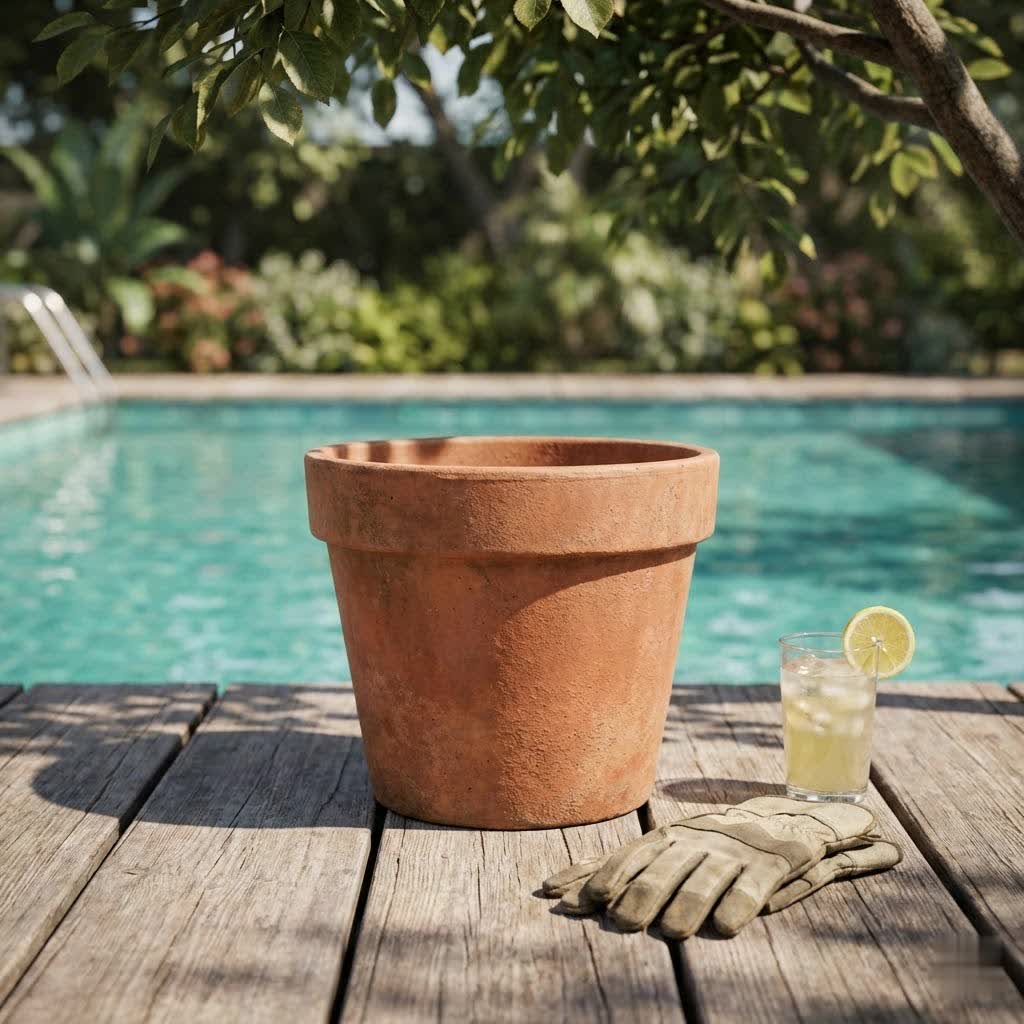
Stepping into the world of container gardening can feel both exciting and a little overwhelming. As the Admin of ReviewMacy.com and a seasoned horticultural technician with a decade of hands-on experience, I understand the nuances of nurturing plants in pots. Today, we’re focusing on a true workhorse in the gardening arsenal: the 12-inch plant pot. This versatile size offers an ideal home for a wide array of plants, bridging the gap between small tabletop containers and large statement planters. Choosing the right 12-inch pot—considering its material, design, and suitability for your plant—is crucial for your plant’s health and your space’s aesthetic.
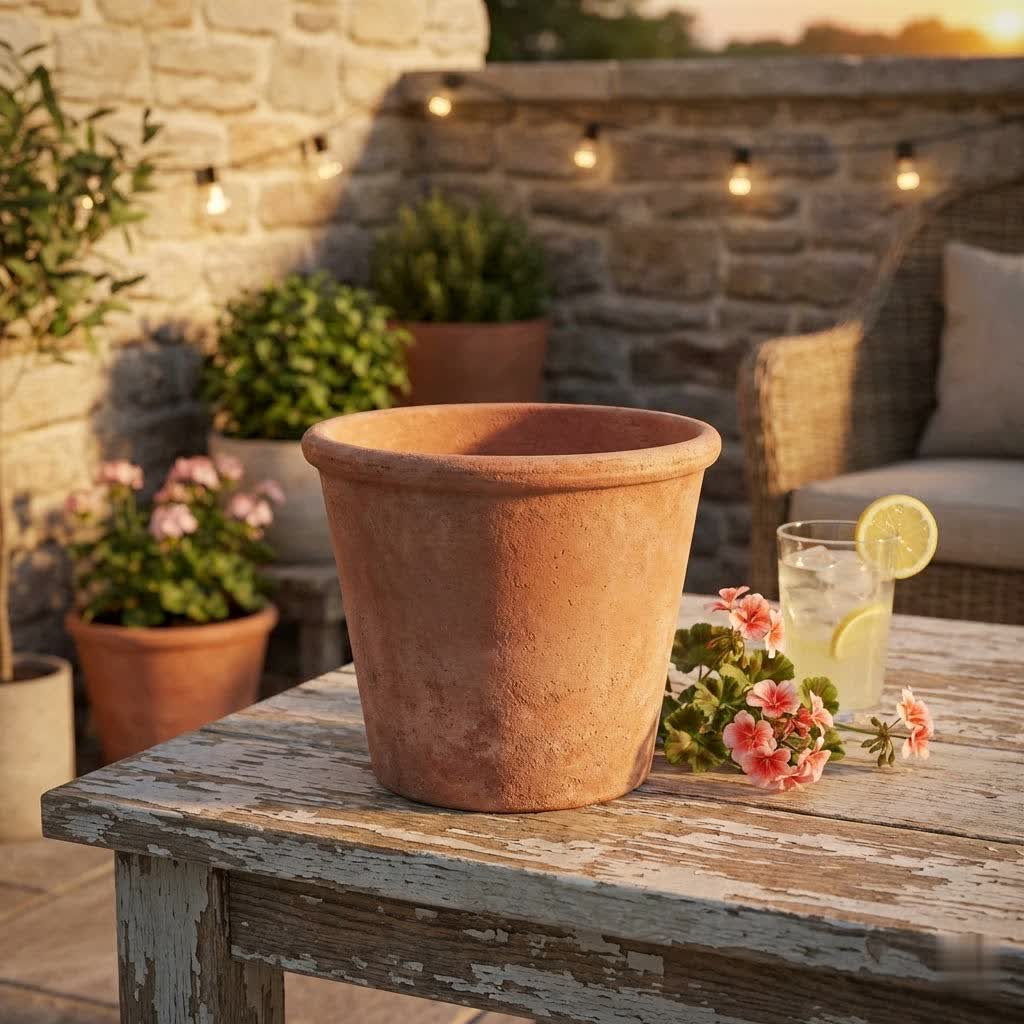
Whether you’re looking to cultivate a burgeoning indoor jungle, add vibrant splashes of color to your patio, or grow your own edibles, the 12-inch plant pot provides ample room for root development without becoming too cumbersome to move. It typically holds around 3.5 to 4 gallons of potting mix, making it suitable for medium to large plants that have outgrown smaller containers but don’t yet need massive planters. This guide will walk you through everything you need to know about selecting, using, and maintaining 12-inch plant pots to ensure your green companions flourish.
Popular Types of 12-Inch Plant Pots
The material of your plant pot profoundly impacts everything from watering frequency to thermal regulation and overall aesthetics. Understanding the characteristics of each type is the first step toward making an informed choice.
Ceramic Plant Pots
Ceramic pots, often admired for their elegant appearance and a wide range of glazes and designs, bring a touch of sophistication to any setting.
- Pros:
- Aesthetic Appeal: Available in countless colors, finishes, and styles, easily complementing diverse decor themes.
- Good for Air Exchange: Unglazed ceramic is porous, allowing air to reach the roots and reducing the risk of root rot.
- Moisture Retention: Glazed ceramic retains moisture effectively, ideal for plants that prefer consistently moist soil.
- Cons:
- Weight: Can be quite heavy, especially when filled with soil and a plant, making them difficult to move.
- Fragility: Ceramic is prone to breaking if dropped or knocked.
- Cost: Often more expensive than plastic alternatives.
- Freeze-Thaw Risk: Unglazed pots can crack in freezing temperatures if they absorb water.
- How to Choose a Suitable Ceramic Pot: Consider whether your plant thrives in consistently moist or slightly drier conditions. Opt for glazed ceramic for moisture-loving plants and unglazed for those needing more air circulation. For outdoor use in colder climates, look for frost-proof varieties.
- Tips for Ceramic Pot Maintenance: Regularly clean the exterior of unglazed pots to prevent mineral salt buildup, which appears as white crusty rings. Use a gentle brush and warm water.
|
Our Picks for the Best Plant Pot in 2026
We may earn a commission when you use one of our links to make a purchase.
|
||
| Num | Product | Action |
|---|---|---|
| 1 | Kante 18 Inch Dia Round Concrete Planter, Indoor Outdoor Large Plant Pot with Drainage Hole and Rubber Plug for Home Patio Garden, Charcoal |

|
| 2 | Kante 18 Inch Diameter Round Concrete Planter, Indoor Outdoor Large Plant Pot with Drainage Hole and Rubber Plug for Home Patio Garden, Buff Concrete |
|
| 3 | Kante 18 Inch Dia Round Concrete Planter, Indoor Outdoor Large Plant Pot with Drainage Hole and Rubber Plug for Home Patio Garden, Black |
|
| 4 | Indoor Self Watering Planters with Drainage Holes and Saucers, 8, 7, 6.5, 6, 5.5, 5 Inches, Black, 6 Pots |
|
| 5 | Indoor Self Watering Planters with Drainage Holes and Saucers, 8, 7, 6.5, 6, 5.5, 5 Inches, White, 6 Pots |
|
| 6 | Kante 18 Inch Dia Round Concrete Planter, Indoor Outdoor Large Plant Pot with Drainage Hole and Rubber Plug for Home Patio Garden, Weathered Concrete |
|
| 7 | Indoor Self Watering Planters with Drainage Holes and Saucers, 8, 7, 6.5, 6, 5.5, 5 Inches, 6 Pots(Green+Brown |
|
| 8 | 7 pcs Plant Pots with Drainage Holes and Saucers, Indoor Planters, Set of 7 (7.5, 7, 6.5, 6, 5.5, 4.5, 3.5 Inches), White |
|
| 9 | Indoor Self Watering Planters with Drainage Holes and Saucers, 8, 7, 6.5, 6, 5.5, 5 Inches, Green, 6 Pots. |
|
| 10 | Indoor Outdoor Plant Pots- Self Watering Planters with Drainage Holes and Saucers, 9,8, 7.5 Inches, 3 Pots (Snow) |
|
Plastic Plant Pots
Plastic pots are a ubiquitous choice for both novice and experienced gardeners due to their practicality and affordability.
- Pros:
- Affordability: Generally the most budget-friendly option.
- Lightweight: Easy to move, which is a significant advantage for larger 12-inch pots.
- Moisture Retention: Non-porous material reduces water evaporation, meaning less frequent watering.
- Durability (High-Quality): More expensive plastic pots, especially those made from polypropylene, are UV-resistant and less likely to crack or fade over time.
- Variety: Available in a vast array of colors, shapes, and sizes, some even mimicking other materials like terracotta or stone.
- Cons:
- Aesthetic (Cheaper Varieties): Inexpensive plastic can look less premium and may degrade faster.
- Heat Absorption: Dark-colored plastic can absorb significant heat in direct sunlight, potentially overheating roots.
- Environmental Impact: Less eco-friendly if not made from recycled materials or recycled after use.
- Safe Plastic Types for Plants: Look for pots made from virgin polypropylene (PP, usually labeled with recycling symbol #5) or high-density polyethylene (HDPE, #2), as these are generally considered safe and durable. Avoid flimsy, single-use plastics for long-term planting.
- Recycling Plastic Pots: Many garden centers and municipal recycling programs accept plastic pots. Always check local guidelines. If you can’t recycle, consider reusing them for starting seeds or transplanting.
Terracotta Plant Pots
Terracotta, meaning “baked earth,” refers to unglazed, reddish-brown clay pots known for their classic, earthy appeal.
- Pros:
- Excellent Breathability: Highly porous material allows for superb air and moisture exchange, preventing waterlogging and root rot.
- Ideal for Specific Plants: Perfect for plants that prefer drier soil conditions, such as succulents, cacti, and many herbs.
- Classic Aesthetic: Offers a timeless, natural look that complements almost any plant.
- Cons:
- Dries Out Quickly: Requires more frequent watering than non-porous materials, especially in hot or windy conditions.
- Weight & Fragility: Similar to ceramic, they can be heavy and are easily breakable.
- Mineral Buildup: Can develop white mineral salt deposits on the exterior, which some find unsightly.
- Frost Damage: Untreated terracotta is highly susceptible to cracking in freezing temperatures.
- Distinguishing Standard vs. High-Quality Terracotta: High-quality terracotta is often denser and fired at higher temperatures, making it more durable and sometimes even frost-resistant. Regular terracotta is more porous and best suited for warmer climates or indoor use.
- Treating New Terracotta Pots: Before planting, soak new terracotta pots in water for several hours to prevent them from wicking moisture away from the soil too rapidly, which can stress new plants.
Metal Plant Pots
Metal planters offer a contemporary and industrial aesthetic, adding a distinct edge to both indoor and outdoor spaces.
- Pros:
- Durability: Materials like steel, aluminum, or wrought iron are very robust and long-lasting.
- Modern Aesthetic: Provides a sleek, clean, or rustic look depending on the finish and type of metal (e.g., Corten steel develops a protective rust patina).
- Stability: Heavy metals provide excellent stability for larger plants, reducing tipping.
- Cons:
- Heat Conduction: Metal can heat up significantly in direct sunlight, potentially scorching plant roots.
- Rusting: Many metals are prone to rust unless treated, coated, or naturally rust-resistant (like aluminum).
- Weight: Can be very heavy, making relocation challenging.
- Cost: Often among the more expensive pot materials.
- Considerations for Metal Pots: If using outdoors in sunny spots, consider lining the pot with an insulating material (like a foam sheet) or choosing lighter colored metals to reflect heat. Ensure the pot has proper drainage.
- Rust Prevention: For non-stainless or Corten steel, look for galvanized or powder-coated options. Regular cleaning and inspection can help prevent early corrosion.
Self-Watering Plant Pots
Self-watering pots, especially beneficial for busy gardeners or those prone to forgetting to water, incorporate a reservoir system.
- Mechanism: These pots feature a water reservoir at the bottom, separate from the soil. A wicking system (often a wick or a permeable section of the pot) draws water up into the soil as needed.
- Pros:
- Reduced Watering Frequency: Plants can draw water over several days or even weeks, depending on the reservoir size.
- Prevents Over/Under-watering: The plant takes only what it needs, minimizing common watering mistakes.
- Consistent Moisture: Maintains a more uniform soil moisture level, which many plants prefer.
- Cons:
- Root Rot Risk: If the reservoir is constantly full and the soil isn’t well-draining, it can still lead to overly saturated conditions, especially if roots sit in stagnant water.
- Limited Aeration: Some designs may offer less root aeration compared to traditional pots with ample drainage.
- Initial Setup: Requires proper initial setup to ensure the wicking system functions correctly.
- Suitable Plants for Self-Watering Pots: Most houseplants, herbs, and many annual flowers thrive in self-watering pots. However, plants that prefer dry conditions (like cacti and some succulents) are not ideal candidates.
Comparison Table: Common 12-Inch Plant Pot Materials
Making the best choice often comes down to balancing practical needs with personal preferences. Here’s a quick comparison to help you decide:
| Feature | Ceramic | Plastic | Terracotta | Metal |
|---|---|---|---|---|
| Price | Moderate to High | Low to Moderate | Low to Moderate | Moderate to High |
| Durability | Moderate (breakable) | High (high-quality types) | Moderate (breakable) | High |
| Drainage | Good (unglazed), Moderate (glazed) | Needs holes | Excellent (porous) | Needs holes |
| Weight (12-inch) | Heavy | Lightweight | Heavy | Varies (moderate to heavy) |
| Aesthetics | Very high (classic, decorative) | Varies (functional to decorative) | High (earthy, classic) | High (modern, industrial) |
| Moisture Retention | High (glazed), Moderate (unglazed) | High | Low | Moderate |
| Thermal Regulation | Good (insulating) | Varies (dark colors heat up) | Good (evaporative cooling) | Poor (conducts heat) |
| Indoor/Outdoor | Both | Both | Both | Both |
Guide to Selecting Your Perfect 12-Inch Plant Pot
Choosing the right 12-inch plant pot involves more than just picking a pretty container. It’s about creating an optimal environment for your plant to thrive.
Defining Your Needs
Before you even start looking at pots, consider these fundamental questions:
- What type of plant are you growing? Different plants have distinct root systems and moisture requirements. A 12-inch pot is excellent for medium-to-large houseplants such as Fiddle Leaf Figs, Monstera Deliciosa, or Rubber Plants. It’s also ideal for dwarf citrus trees, hibiscus, hydrangeas, or a collection of herbs and leafy greens outdoors. Deep-rooted species need a pot with adequate depth (often 10 inches or more for a 12-inch diameter pot).
- What is the plant’s current size and growth rate? While a 12-inch pot is versatile, avoid making drastic jumps in pot size. If your plant is in a 6-inch pot, a 12-inch might be too large initially, leading to overwatering. For a 12-inch pot, aim for plants that are already a decent size or fast growers.
- Where will the pot be placed?
- Indoors: Aesthetics, weight (for moving), and protecting surfaces are key. A decorative ceramic pot might be perfect.
- Outdoors: Durability, UV resistance, frost resistance, and drainage become paramount. A lightweight plastic or durable fiberglass pot might be more practical. Consider if it will be in direct sun, which affects material choice.
Choosing the Right Material
As discussed, each material has its strengths and weaknesses.
- Prioritize Safe, Durable Materials: For longevity and plant health, opt for materials known to be stable and non-toxic. High-quality plastic (polypropylene), durable ceramics, and treated metals are generally safe.
- Consider Drainage and Moisture Retention:
- For plants that like to dry out between waterings (e.g., many succulents, cacti, some herbs), terracotta’s porosity is a benefit.
- For moisture-loving plants (e.g., ferns, tropical plants), glazed ceramic or plastic will help retain humidity.
- Crucially, every pot must have drainage holes. Without them, water will stagnate, leading to root rot. If a decorative pot lacks holes, use it as a cachepot with an inner pot that has drainage.
Design and Color Considerations
Your plant pot is also a decorative element that contributes to the overall ambiance of your space.
- Match Your Style: Choose a pot that complements your interior design or outdoor aesthetic. A sleek, minimalist metal pot might suit a modern home, while a rustic terracotta pot enhances a bohemian or traditional garden.
- Harmonize with Your Space: Consider the color palette of your room or garden. Neutral tones (terracotta, white, grey) allow the plant to be the focal point, while vibrant colors can add a pop of personality. Remember that lighter colors reflect heat, beneficial for roots in sunny outdoor spots, while darker colors absorb it.
Pre-Purchase Inspection
Always perform a quick check before taking your new pot home.
- Check for Cracks or Damage: Inspect the pot thoroughly for any hairline cracks, chips, or manufacturing defects that could compromise its integrity or aesthetic.
- Verify Drainage Holes: Confirm the presence of adequate drainage holes. A single hole is usually sufficient for a 12-inch pot, but some designs might have multiple.
- Measure Dimensions: While labeled as “12-inch,” actual dimensions (top diameter and height) can vary slightly between manufacturers. If precise fit is important (e.g., for a plant stand), measure it.
- Warranty: For more expensive pots, inquire about warranties against manufacturing defects or weather damage.
Essential Care Tips for 12-Inch Plant Pots
Once you’ve chosen the perfect 12-inch pot and your plant is happily settled, ongoing care is vital.
Cleaning Your Plant Pots
Regular cleaning not only keeps your pots looking good but also promotes plant health.
- Routine Cleaning: Wipe down the exterior of your pots regularly to remove dust, dirt, and water stains. Use a soft cloth and mild soap and water.
- Deep Cleaning: When repotting or refreshing soil, give the empty pot a thorough cleaning. For terracotta, scrub off any mineral buildup with a stiff brush and a solution of equal parts white vinegar and water. Rinse thoroughly. This helps prevent the spread of diseases and removes salt accumulations that can harm roots.
- Safe Cleaning Products: Avoid harsh chemicals or abrasive scrubbers that could damage the pot’s finish or porous surface.
Repotting and Soil Management
The right soil and timely repotting are critical for plants in 12-inch pots.
- When to Repot:
- Root-bound: If roots are circling the drainage holes or pushing the plant up out of the pot.
- Stunted Growth: If your plant isn’t growing despite proper care.
- Depleted Soil: After 1-2 years, potting mix can lose its nutrients and structure.
- When moving a plant from a smaller pot (e.g., an 8-inch pot) to a 12-inch pot, it’s often an ideal “next size up.”
- Choosing the Right Potting Mix: Always use a high-quality potting mix, not garden soil. Potting mixes are sterile, lighter, and designed for container drainage and aeration. Select a mix specific to your plant’s needs (e.g., succulent mix for cacti, orchid mix for orchids, all-purpose for most houseplants). A 12-inch pot will typically require about 3.5 to 4 gallons (or 14-16 quarts) of potting mix.
- Proper Repotting Technique: Gently remove the plant from its old pot, loosen any circling roots, and place it in the new 12-inch pot with fresh soil, ensuring the plant’s crown is at the same level as before. Water thoroughly after repotting.
Fertilizing Plants in 12-Inch Pots
Plants in containers have limited access to nutrients compared to those in the ground, so supplemental feeding is essential.
- Suitable Fertilizers: Use a balanced, water-soluble liquid fertilizer or a slow-release granular fertilizer formulated for container plants. Organic options like compost tea or worm castings are also excellent.
- Dosage and Frequency: Follow the manufacturer’s instructions carefully. Over-fertilizing can lead to nutrient burn. Generally, fertilize during the active growing season (spring and summer) and reduce or stop during dormancy (fall and winter). The frequency will depend on the plant type and the fertilizer’s strength.
“A 12-inch pot is often the ‘sweet spot’ for many gardeners. It’s large enough to allow significant plant growth and root development, offering more stability than smaller pots, yet still manageable for rearranging or moving indoors for winter. It truly empowers you to bring substantial greenery into any space.”
Frequently Asked Questions
What plants are best for a 12-inch plant pot?
A 12-inch pot is ideal for a wide range of plants, including medium to large houseplants like Fiddle Leaf Figs, Monstera Deliciosa, and Snake Plants. It’s also great for dwarf citrus trees, flowering shrubs such as Hibiscus and Hydrangeas, and many edibles like peppers, tomatoes (bush varieties), herbs, and leafy greens.
How many gallons is a 12-inch plant pot?
A standard round 12-inch plant pot typically holds approximately 3.5 to 4 gallons of potting mix. This capacity provides sufficient space for a plant’s root system to develop while retaining enough moisture and nutrients for healthy growth.
Do 12-inch plant pots need drainage holes?
Absolutely. Drainage holes are critical for any plant pot, including 12-inch ones. They prevent water from accumulating at the bottom of the pot, which can lead to root rot and other detrimental plant health issues. If a decorative pot lacks drainage, always use an inner pot with holes.
What’s the difference between glazed and unglazed ceramic 12-inch pots?
The main difference lies in porosity and moisture retention. Unglazed ceramic (like terracotta) is porous, allowing air and moisture to pass through, promoting root aeration but requiring more frequent watering. Glazed ceramic is non-porous, retaining moisture longer, which is good for plants that prefer consistent humidity, but can limit air exchange.
How often should I water a plant in a 12-inch plastic pot?
The watering frequency for a plant in a 12-inch plastic pot depends on several factors: the specific plant’s needs, environmental conditions (temperature, humidity, light), and the type of potting mix. Plastic retains moisture longer than porous materials like terracotta, so generally, you’ll water less frequently. Always check the soil moisture before watering.
Conclusion
The 12-inch plant pot is a fantastic choice for expanding your green sanctuary, whether indoors or out. By carefully considering the material, ensuring proper drainage, and understanding your plant’s specific needs, you can provide an optimal environment for robust growth and stunning displays. From classic terracotta to modern metal, each pot type offers unique benefits and aesthetic appeal.
Remember, the journey of nurturing plants is a continuous learning process. With these insights and a little attention, your 12-inch plant pots will not just hold soil; they’ll hold thriving ecosystems that enhance your home and your life. What plant will you choose to call your next 12-inch pot home?