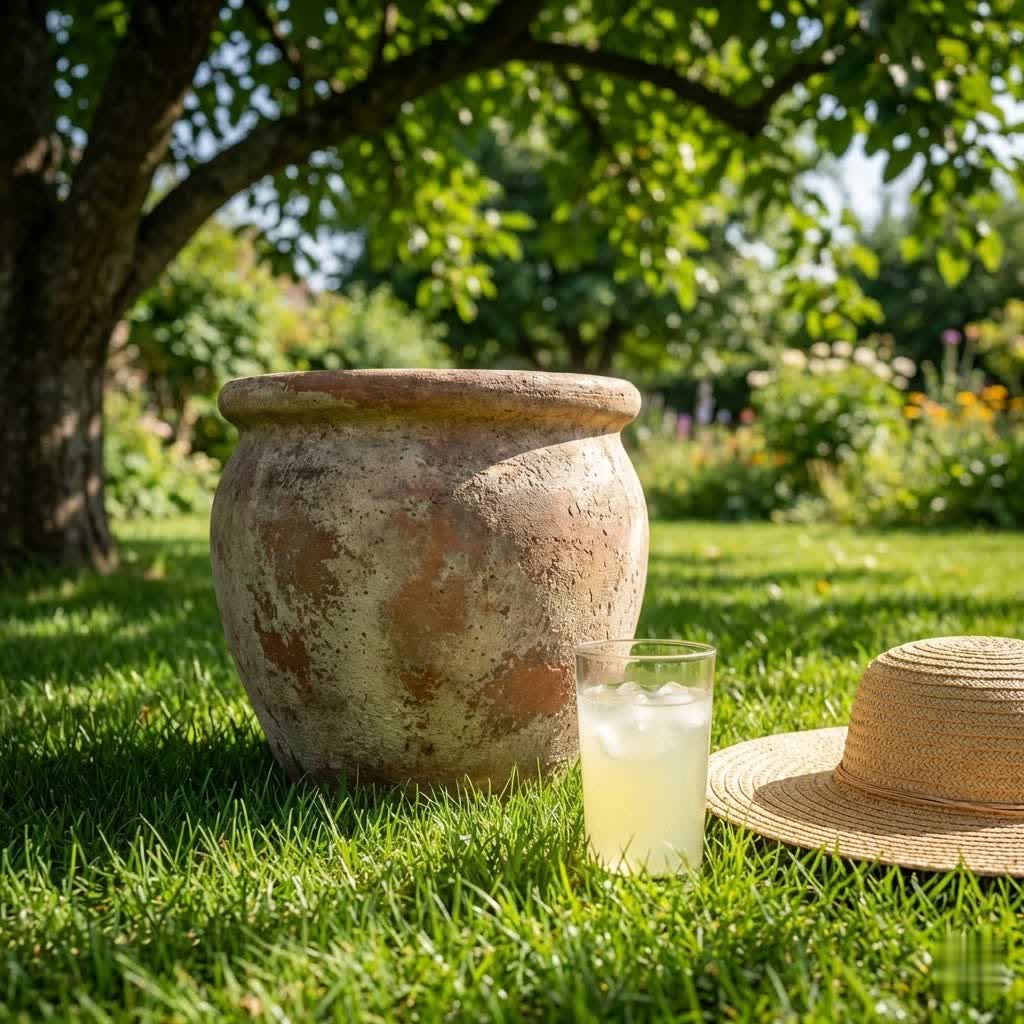
The simple act of placing a plant in a pot transforms a space, bringing life, color, and tranquility into our homes and gardens. But behind every thriving potted plant lies a thoughtful decision: choosing the right plant pot. Far more than just a decorative vessel, the ideal plant pot is a critical partner in your plant’s health and growth, influencing everything from watering needs to root aeration. This comprehensive guide, drawing on over a decade of hands-on experience in horticulture and plant pot dynamics, will equip you with the knowledge to select and maintain the perfect plant pot for every green companion and setting.
Popular Plant Pot Types
The world of plant pots offers an astonishing variety of materials, each with unique properties that impact plant health and aesthetics. Understanding these differences is the first step toward successful container gardening. For explore our indoor reviews on this site.
Ceramic Plant Pots
Ceramic pots, often glazed, are celebrated for their sophisticated appearance and ability to complement any decor. They are typically heavier than plastic alternatives and come in an endless array of colors and designs, making them a favorite for indoor display.
- Advantages: Ceramic pots boast high aesthetic appeal, offering a wide variety of designs and colors. Glazed ceramic options are excellent at moisture retention, which can reduce the frequency of watering. They also provide good temperature insulation, protecting roots from sudden changes in temperature. With proper care, ceramic pots are durable and long-lasting.
- Disadvantages: Their primary drawbacks include significant weight, especially in larger sizes, making them difficult to move. They are also prone to cracking or breaking if dropped, and generally come at a higher cost compared to other materials.
- Choosing Ceramic Pots: When selecting a ceramic pot, consider whether your plant prefers consistent moisture (opt for glazed) or needs more airflow and quicker drying (look for unglazed options, which are less common but available). Ensure the design harmonizes with your interior or outdoor space.
- Care Tips: Regular cleaning with a soft cloth and mild soap will maintain their beauty. To prevent breakage, handle them with care and place them on stable surfaces.
Plastic Plant Pots
Plastic pots are perhaps the most common and versatile choice, widely available and suitable for a multitude of plants and environments. Modern plastic pots can mimic the look of more expensive materials like ceramic or concrete.
- Advantages: Plastic pots are lightweight, making them easy to move and rearrange, and are generally the most affordable option. They offer a diverse range of sizes, shapes, and colors. Higher-quality plastics, especially those with UV protection, are durable and resistant to cracking. They retain moisture well, which can be beneficial for many plant types.
- Disadvantages: While improving, some plastic pots may still be considered less aesthetically pleasing than natural materials. Without UV protection, they can become brittle and degrade over time, particularly in direct sunlight. They offer less breathability than porous materials like terracotta, potentially leading to root rot if overwatered.
- Safe Plastics and Recycling: Look for pots made from virgin polypropylene (marked with a #5 recycling symbol) or recycled plastics, which are generally considered safe for plants. Always aim to reuse plastic pots or recycle them properly to minimize environmental impact.
Terracotta Plant Pots
|
Our Picks for the Best Plant Pot in 2026
As an Amazon Associate I earn from qualifying purchases.
|
||
| Num | Product | Action |
|---|---|---|
| 1 | Indoor Self Watering Planters with Drainage Holes and Saucers, 8, 7, 6.5, 6, 5.5, 5 Inches, Black, 6 Pots |

|
| 2 | Indoor Self Watering Planters with Drainage Holes and Saucers, 8, 7, 6.5, 6, 5.5, 5 Inches, White, 6 Pots |
|
| 3 | Indoor Self Watering Planters with Drainage Holes and Saucers, 8, 7, 6.5, 6, 5.5, 5 Inches, 6 Pots(Green+Brown |
|
| 4 | Kante 18 Inch Diameter Round Concrete Planter, Indoor Outdoor Large Plant Pot with Drainage Hole and Rubber Plug for Home Patio Garden, Buff Concrete |
|
| 5 | Kante 18 Inch Dia Round Concrete Planter, Indoor Outdoor Large Plant Pot with Drainage Hole and Rubber Plug for Home Patio Garden, Weathered Concrete |
|
| 6 | Kante 18 Inch Dia Round Concrete Planter, Indoor Outdoor Large Plant Pot with Drainage Hole and Rubber Plug for Home Patio Garden, Black |
|
| 7 | Indoor Outdoor Plant Pots- Self Watering Planters with Drainage Holes and Saucers, 9,8, 7.5 Inches, 3 Pots (Snow) |
|
| 8 | 7 pcs Plant Pots with Drainage Holes and Saucers, Indoor Planters, Set of 7 (7.5, 7, 6.5, 6, 5.5, 4.5, 3.5 Inches), White |
|
| 9 | Kante 18 Inch Dia Round Concrete Planter, Indoor Outdoor Large Plant Pot with Drainage Hole and Rubber Plug for Home Patio Garden, Charcoal |
|
| 10 | Indoor Self Watering Planters with Drainage Holes and Saucers, 8, 7, 6.5, 6, 5.5, 5 Inches, Green, 6 Pots. |
|
Terracotta, or unglazed clay, pots are a classic for a reason. Their warm, earthy tones and distinctive porous nature make them a favorite among experienced and novice gardeners alike.
- Advantages: The porous nature of terracotta allows for excellent airflow to the roots and promotes rapid drainage, making them ideal for plants that prefer drier conditions, such as succulents, cacti, and many herbs. This breathability helps prevent root rot. They offer a natural, rustic aesthetic that complements green foliage beautifully.
- Disadvantages: Due to their porosity, terracotta pots dry out quickly, necessitating more frequent watering, especially in hot or windy conditions. They are also fragile and can break if dropped or exposed to freezing temperatures while wet. Over time, mineral salts from water and fertilizer can accumulate on the outside, creating a white residue.
- Distinguishing Terracotta: True terracotta is unglazed and made from earthenware clay, offering superior breathability. Differentiate this from glazed ceramic pots, which are also clay-based but non-porous.
- Preparing New Terracotta Pots: Before using a new terracotta pot, it’s beneficial to soak it in water for an hour or two. This prevents the dry clay from immediately wicking moisture from the potting soil, which could dehydrate your new plant.
Metal Plant Pots
Metal pots, crafted from materials like galvanized steel, iron, or copper, bring a sleek, modern, or industrial aesthetic to plant displays. They are particularly popular for contemporary interior designs and robust outdoor settings.
- Advantages: Metal pots offer a unique, contemporary aesthetic and are exceptionally durable, capable of withstanding various weather conditions (depending on the metal and finish). They can be a strong visual statement piece.
- Disadvantages: The primary concern with metal pots is their high thermal conductivity. They can heat up very quickly in direct sunlight, potentially cooking roots, and cool down rapidly in cold weather, which can shock plants. Some metals are prone to rust, and they can be quite heavy.
- Considerations for Use: To mitigate temperature fluctuations, consider using a liner inside metal pots. Choose galvanized, stainless steel, or powder-coated options for rust resistance. If using untreated metal, ensure excellent drainage to prevent standing water that can accelerate corrosion.
- Rust Prevention: Liners, proper drainage, and applying rust-inhibiting paints or sealants can extend the life and appearance of metal pots.
Self-Watering Plant Pots
Self-watering pots are an ingenious solution for busy plant parents or those who travel frequently. They are designed to provide a consistent supply of moisture to the plant’s roots.
- Mechanism: Most self-watering pots consist of a main planting container and a separate water reservoir below it. A wicking system (often a cotton rope or a soil column) draws water from the reservoir up to the plant’s roots as needed.
- Advantages: The most significant benefit is reduced watering frequency, ensuring plants receive consistent moisture without the risk of drying out. They are excellent for maintaining humidity-loving plants and can lead to more vigorous growth.
- Disadvantages: While convenient, they are not suitable for all plant types, especially those that prefer drier conditions or are highly susceptible to root rot (like succulents). If the reservoir is constantly full, it can lead to stagnant water and potential overwatering if not managed correctly. They may also have a higher initial cost.
- Suitable Plants: These pots are best for plants that thrive in consistently moist soil, such as ferns, impatiens, and many tropical houseplants.
Comparing Plant Pot Types
Choosing the right plant pot often involves balancing practical needs with aesthetic desires. Here’s a comparative overview of common pot types:
| Feature | Ceramic (Glazed) | Plastic | Terracotta | Metal | Self-Watering |
|---|---|---|---|---|---|
| Price | High | Low | Moderate | High | Moderate/High |
| Durability | Good (if not dropped) | Moderate/Good | Fragile | Excellent | Good |
| Drainage | Requires holes | Requires holes | Excellent | Requires holes | Controlled |
| Moisture Retention | High | High | Low | High | Consistent |
| Aesthetics | Very High | Varied | Natural/Rustic | Modern/Industrial | Modern |
| Weight | Heavy | Lightweight | Moderate | Heavy | Moderate |
Choosing the Perfect Plant Pot
Selecting a plant pot goes beyond just finding one that looks good. It’s about creating the optimal environment for your specific plant to flourish.
Assess Your Needs
Before you even start browsing, consider the plant and its future home.
- Type of Plant: Research your plant’s specific needs. Does it prefer to dry out completely between waterings (like cacti and succulents), or does it need consistent moisture (like ferns and tropicals)? This will guide your material choice.
- Plant Size: A common rule of thumb for repotting is to choose a pot that is 1-2 inches larger in diameter than the current pot if the plant is in a 10-inch pot or smaller. For plants already in pots larger than 10 inches, a pot 2-3 inches wider in diameter is generally appropriate. Avoid jumping to a pot that is too large, as this can lead to overwatering and root rot.
- Location of the Pot:
- Indoors: Aesthetics, weight (if you plan to move it), and floor protection (using saucers) are key.
- Outdoors: Durability against weather, thermal properties (metal pots can overheat in sun), and stability against wind are important.
Select the Right Material
Based on your plant’s needs and the pot’s location, narrow down your material options.
- Porous materials (Terracotta): Ideal for plants susceptible to root rot or those that prefer drier soil.
- Non-porous materials (Glazed Ceramic, Plastic, Metal): Best for plants that thrive in consistent moisture or if you want to reduce watering frequency.
- Insulation: Terracotta and wood offer some insulation against temperature extremes, while metal pots can rapidly transfer heat or cold.
Consider Design and Color
While functionality is paramount, the visual appeal of a plant pot is undeniable.
- Style Harmony: Choose a pot that complements your home’s interior decor or garden’s aesthetic. A sleek, modern ceramic pot might suit a minimalist home, while a rustic terracotta pot enhances a bohemian or traditional space.
- Color Impact: The color of the pot can either highlight your plant or blend into the background. Neutral tones often allow the plant’s foliage to stand out, while vibrant colors can create a bold statement. Darker pots absorb more heat, which can be a factor for outdoor plants in sunny climates.
Inspect Before Buying
A quick check can save you future headaches.
- Integrity: Always inspect pots for cracks, chips, or manufacturing defects, especially with ceramic and terracotta.
- Drainage Holes: Crucially, ensure the pot has adequate drainage holes. Without them, water can pool at the bottom, suffocating roots and leading to rot. If a decorative pot lacks holes, either drill them or use it as a cachepot, placing your plant (in its nursery pot with drainage) inside it.
- Warranty: For more expensive or specialized pots, inquire about warranty or return policies.
Essential Plant Pot Care Tips
Once you’ve chosen the perfect plant pot, ongoing care ensures both the pot and your plant remain healthy and beautiful.
Cleaning Your Plant Pots
Maintaining cleanliness is vital for plant health and pot longevity.
- Routine Cleaning: Regularly wipe down the exterior of your pots to remove dust and dirt. This improves air circulation around the pot and keeps them looking fresh.
- Deep Cleaning: When repotting or reusing old pots, perform a deep clean. Wash ceramic, plastic, and terracotta pots thoroughly with warm water and a mild dish soap. For terracotta, you may need a stiff brush to remove mineral deposits.
- Sterilization: To prevent the spread of diseases, especially when reusing pots, sterilize them. A common method is soaking pots in a solution of one part bleach to nine parts water for at least 30 minutes, then rinsing thoroughly and allowing them to air dry.
Repotting Your Plant
Repotting is a crucial step in a plant’s lifecycle, giving it fresh soil and room to grow.
- When to Repot: Look for signs like roots circling the inside of the pot or growing out of drainage holes, the plant becoming top-heavy and unstable, or slower-than-usual growth. Most plants benefit from repotting every 1-2 years.
- Choosing the Right Soil: Always use fresh, high-quality potting mix appropriate for your specific plant type. Avoid using garden soil, as it can compact and harbor pests and diseases in a pot.
- The Repotting Process: Gently remove the plant from its current pot. Loosen any circling roots at the bottom. Place a small amount of new soil in the slightly larger pot, center the plant, and fill with more soil, leaving about an inch of space from the rim. Water thoroughly after repotting.
Fertilizing Potted Plants
Potted plants have limited access to nutrients compared to those in the ground, making fertilization essential.
- Types of Fertilizers:
- Slow-Release Granules: Incorporated into the soil, they release nutrients gradually over several months.
- Liquid Fertilizers: Mixed with water and applied during regular watering, offering quick nutrient delivery.
- Dosage and Frequency: Always follow the specific instructions on your chosen fertilizer product. Generally, fertilize during the plant’s active growing season (spring and summer) and reduce or stop during dormancy (fall and winter). Over-fertilizing can harm plants, so err on the side of caution.
“The right pot is more than just a container; it’s a critical component in your plant’s ecosystem, influencing everything from hydration to root health.”
Conclusion
Choosing the ideal plant pot and providing diligent care are foundational to cultivating thriving plants. By understanding the unique characteristics of ceramic, plastic, terracotta, metal, and self-watering pots, you can make informed decisions that cater to your plant’s specific needs and enhance your living space. From ensuring proper drainage and selecting the correct size to maintaining cleanliness and providing essential nutrients, every aspect of plant pot management contributes to the vitality of your green companions. Embrace the journey of discovery, and watch your plants flourish in their perfectly chosen homes.
What plant pot wisdom have you discovered that transformed your gardening journey?
Frequently Asked Questions
What is the best pot material for succulents?
Terracotta is often recommended for succulents due to its porous nature. This allows excess moisture to evaporate quickly, preventing waterlogging and root rot, which succulents are highly susceptible to.
How do I know if my plant needs a bigger pot?
Signs that your plant needs a bigger pot include roots growing out of drainage holes, the plant becoming top-heavy and unstable, slower-than-usual growth despite adequate care, or water running through the pot too quickly without absorbing into the soil.
Can I use a pot without drainage holes?
It’s generally not recommended to use a pot without drainage holes for direct planting as it can easily lead to waterlogging and root rot. If you must use one, either drill drainage holes or place the plant in a nursery pot with drainage inside the decorative pot (cachepot style).
How often should I clean my plant pots?
For routine maintenance, wipe down pots regularly to keep them dust-free. A thorough cleaning, especially with sterilization, should be done when repotting or before reusing a pot for a new plant to prevent the transmission of pests and diseases.
What is the ideal pot size for a new plant?
For most new plants, choose a pot that is typically 1-2 inches larger in diameter than the plant’s current nursery pot. This provides sufficient room for root growth without overwhelming the plant with too much soil, which can lead to overwatering.
Are plastic pots bad for the environment?
Traditional plastic pots contribute to plastic waste, but many eco-conscious options are now available, including pots made from recycled plastics or biodegradable materials. Proper recycling of plastic pots (if available in your area) is crucial to minimize environmental impact.
Get our weekly buyer guide
Practical specs, not advice. Unsubscribe anytime.
