Stepping into the world of indoor and outdoor gardening is a delightful journey, and at its heart lies a crucial decision: selecting the perfect plant pot. As an Admin at ReviewMacy.com with over a decade of experience in horticulture, specializing in all things pots and planters, I’ve seen firsthand how the right container can transform a struggling plant into a vibrant, flourishing masterpiece. Choosing a plant pot goes far beyond mere aesthetics; it impacts drainage, aeration, moisture retention, and ultimately, the health and vitality of your green companions. This comprehensive guide will share expert insights on various materials, sizes, and styles, alongside essential care tips, to help you make informed decisions that match your gardening needs and personal style.
Common Plant Pot Types
The material of your plant pot is a foundational choice, influencing everything from watering frequency to a plant’s overall well-being. Each type offers distinct advantages and disadvantages.
Ceramic Plant Pots
Ceramic pots, often recognized for their timeless beauty, are made from clay and come in two primary finishes: glazed and unglazed.
- Pros: Glazed ceramic pots boast a beautiful, often vibrant, finish that adds an artisan touch to any space. They are non-porous, excellent at retaining soil moisture, and offer good insulation for plant roots, protecting them from temperature fluctuations. Their substantial weight makes them stable for larger or top-heavy plants.
- Cons: Ceramic pots can be quite heavy, making them challenging to move, especially in larger sizes. They are also more fragile than some other materials, prone to chipping or cracking if dropped or bumped. Unglazed ceramic, while attractive, can dry out quicker due to its porous nature.
- Choosing: Opt for glazed ceramic if your plants prefer consistently moist soil, such as ferns or tropical varieties. For plants that thrive in drier conditions, like cacti or succulents, unglazed terracotta (a type of ceramic) is often preferred for its breathability.
- Care: Glazed pots require less frequent watering than porous options. Both types should be handled with care to prevent breakage.
Plastic Plant Pots
Plastic pots are ubiquitous in the gardening world, largely due to their practicality and affordability.
- Pros: Inexpensive, lightweight, and available in an almost endless array of colors, shapes, and sizes, plastic pots offer immense versatility. Their non-porous nature means they excel at retaining moisture, reducing the frequency of watering. Many plastic pots come with integrated drainage holes and saucers.
- Cons: Plastic can degrade over time, becoming brittle and cracking when exposed to prolonged UV radiation and extreme temperatures. Aesthetically, they can sometimes appear less sophisticated than natural materials. Poor breathability can lead to root rot if overwatered.
- Safe Plastic: For growing edibles, look for pots made from uPVC (unplasticized polyvinyl chloride), which is considered a safer plastic option that minimizes chemical leaching into the soil.
- Recycling: Many nurseries accept used plastic pots for recycling. You can also repurpose them by drilling additional drainage holes for plants that prefer more airflow or using them as liner pots inside decorative containers.
Terracotta Plant Pots
|
Our Picks for the Best Plant Pot in 2026
As an Amazon Associate I earn from qualifying purchases.
|
||
| Num | Product | Action |
|---|---|---|
| 1 | Kante 18 Inch Dia Round Concrete Planter, Indoor Outdoor Large Plant Pot with Drainage Hole and Rubber Plug for Home Patio Garden, Black |

|
| 2 | 7 pcs Plant Pots with Drainage Holes and Saucers, Indoor Planters, Set of 7 (7.5, 7, 6.5, 6, 5.5, 4.5, 3.5 Inches), White |
|
| 3 | Indoor Self Watering Planters with Drainage Holes and Saucers, 8, 7, 6.5, 6, 5.5, 5 Inches, Black, 6 Pots |
|
| 4 | Kante 18 Inch Dia Round Concrete Planter, Indoor Outdoor Large Plant Pot with Drainage Hole and Rubber Plug for Home Patio Garden, Charcoal |
|
| 5 | Indoor Self Watering Planters with Drainage Holes and Saucers, 8, 7, 6.5, 6, 5.5, 5 Inches, 6 Pots(Green+Brown |
|
| 6 | Kante 18 Inch Dia Round Concrete Planter, Indoor Outdoor Large Plant Pot with Drainage Hole and Rubber Plug for Home Patio Garden, Weathered Concrete |
|
| 7 | Kante 18 Inch Diameter Round Concrete Planter, Indoor Outdoor Large Plant Pot with Drainage Hole and Rubber Plug for Home Patio Garden, Buff Concrete |
|
| 8 | Indoor Self Watering Planters with Drainage Holes and Saucers, 8, 7, 6.5, 6, 5.5, 5 Inches, White, 6 Pots |
|
| 9 | Indoor Self Watering Planters with Drainage Holes and Saucers, 8, 7, 6.5, 6, 5.5, 5 Inches, Green, 6 Pots. |
|
| 10 | Indoor Outdoor Plant Pots- Self Watering Planters with Drainage Holes and Saucers, 9,8, 7.5 Inches, 3 Pots (Snow) |
|
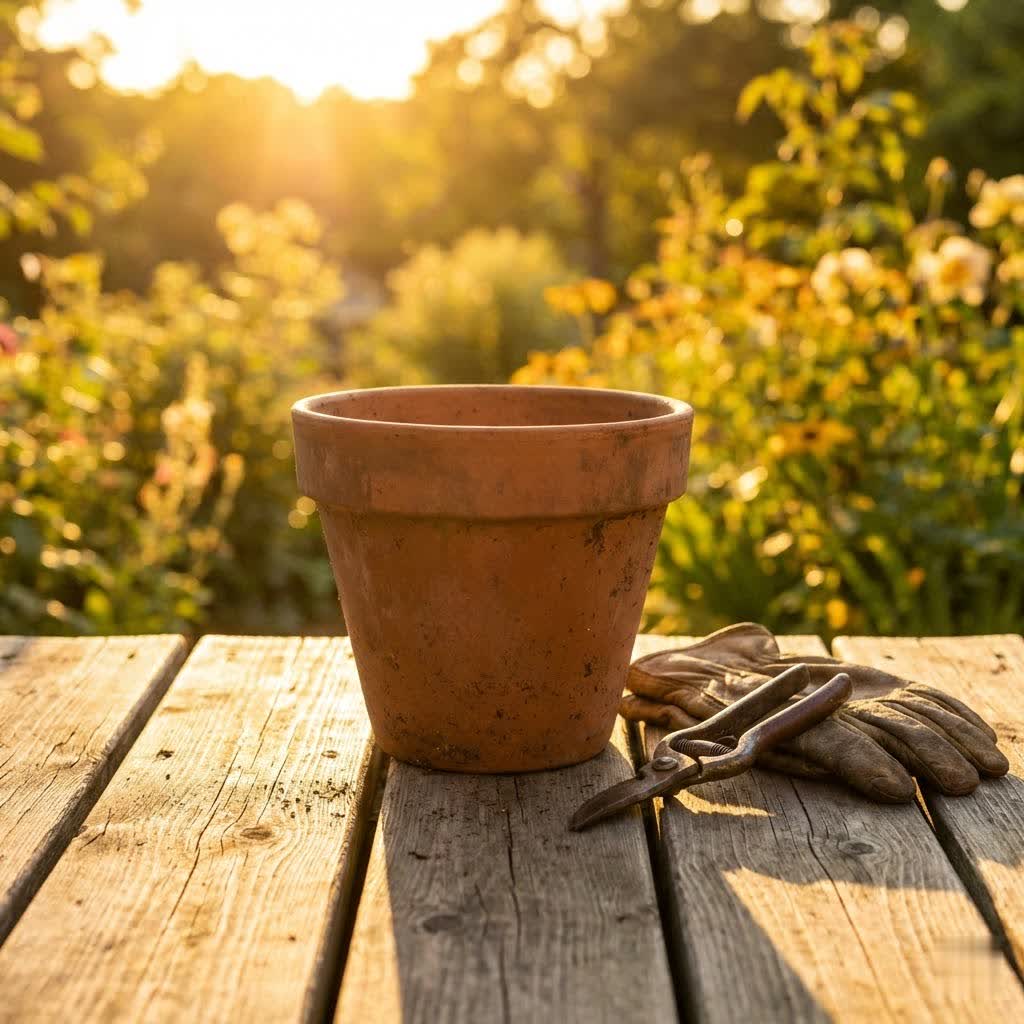
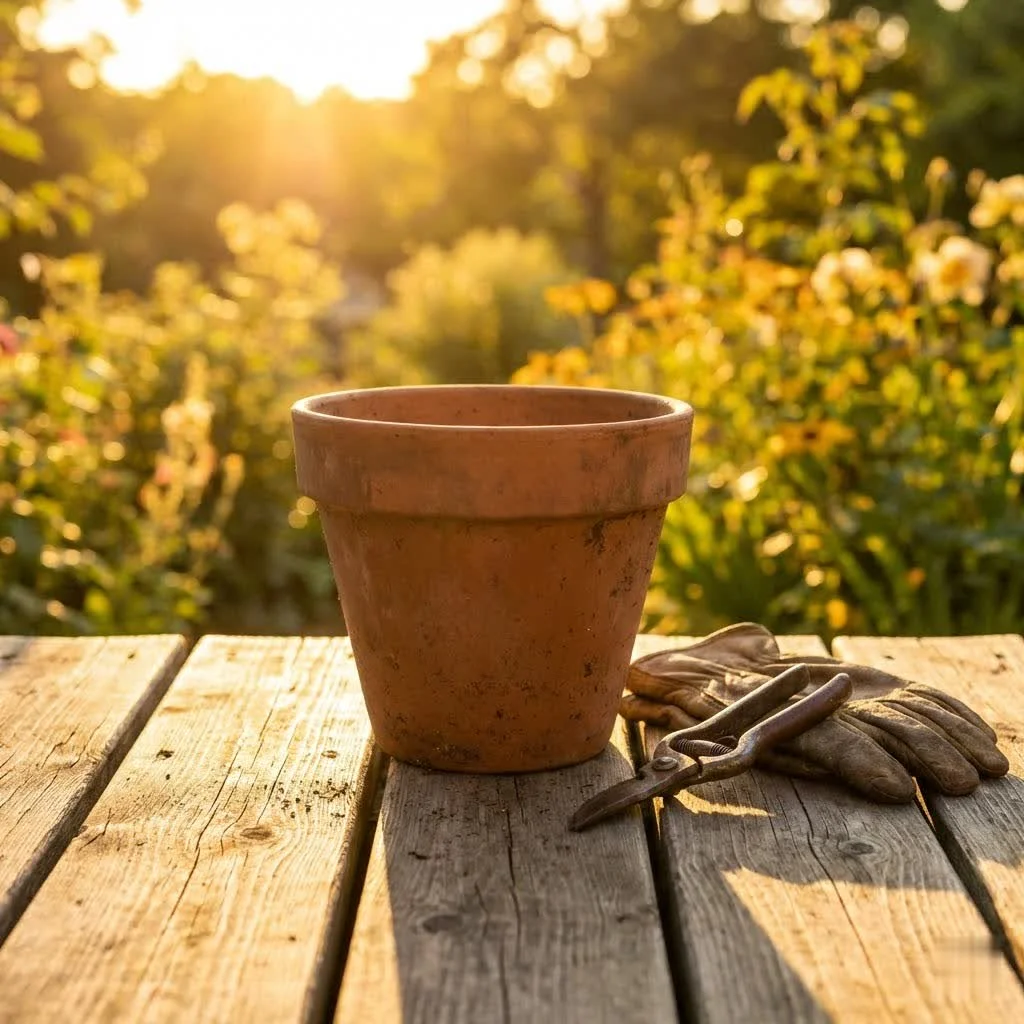
Terracotta pots, with their distinctive reddish-brown hue and rustic charm, are a classic choice loved by many gardeners.
- Pros: Made from unglazed clay, terracotta is highly porous, allowing for excellent airflow to the roots and promoting healthy drainage. This breathability helps prevent waterlogging and root rot, making them ideal for plants that prefer drier soil. They are affordable and offer a natural, earthy aesthetic.
- Cons: The porous nature that makes them breathable also means they dry out quickly, necessitating more frequent watering, especially in warm climates. Terracotta is brittle and susceptible to chipping, cracking, or breaking, particularly during freezing and thawing cycles if left outdoors in winter. Larger pots can also be heavy.
- Distinction: Terracotta is essentially a type of unglazed ceramic. Its inherent porosity is its defining characteristic.
- Treatment: Before using new terracotta pots, it’s beneficial to soak them in water for a few hours. This prevents the dry clay from wicking moisture away from the freshly planted soil. For plants needing more moisture retention, terracotta pots can be sealed internally, though this diminishes their primary benefit of breathability.
Metal Plant Pots
Metal planters bring a modern, industrial, or rustic elegance to any setting, depending on the finish and design. Common materials include steel, copper, zinc, and galvanized varieties.
- Pros: Metal pots are exceptionally durable and strong, resisting chipping, cracking, and breaking. They can add a unique decorative flair and are available in various styles to complement diverse aesthetics.
- Cons: A significant drawback is metal’s high thermal conductivity; in direct sunlight, metal pots can rapidly heat up, potentially damaging sensitive plant roots. Conversely, they offer little insulation in cold weather, requiring indoor relocation during winter. Large metal planters can also be quite heavy and are prone to rust, especially steel, which can degrade the pot’s integrity over time.
- Usage Tips: It’s best to place metal planters in shaded areas to prevent overheating. Consider using a liner or an inner plastic pot to create a buffer against temperature extremes and to prevent rust from directly impacting the soil and roots. Look for galvanized or powder-coated options for better rust resistance.
Self-Watering Plant Pots
Self-watering pots are designed to simplify plant care by providing a consistent water supply to the plant roots.
- Mechanism: These pots typically feature a water reservoir at the bottom, separate from the soil, and a wicking system (often a wick or a soil column) that draws water up to the plant’s roots as needed. This mechanism mimics capillary action.
- Pros: They ensure a steady supply of moisture, reducing the frequency of watering and preventing both under-watering and over-watering, which can be particularly beneficial for busy gardeners or those new to plant care. They can also provide nutrients more efficiently when liquid fertilizers are added to the reservoir.
- Cons: While convenient, self-watering pots can sometimes lead to less aeration in the root zone if the system isn’t well-designed or if the soil mixture isn’t appropriate. They might not be suitable for plants that prefer very dry conditions, as consistent moisture can still encourage root rot in those varieties. Initial cost can also be higher than traditional pots.
- Suitable Plants: Self-watering pots are excellent for moisture-loving plants such as ferns, impatiens, and many herbs. They are less ideal for succulents, cacti, or other plants that thrive on drier soil conditions between waterings.
Comparison Table of Plant Pot Types
To help you quickly compare the most popular plant pot materials, here’s a detailed overview of their key features:
| Feature | Ceramic (Glazed) | Plastic | Terracotta | Metal | Fiberglass | Self-Watering |
|---|---|---|---|---|---|---|
| Price | Medium-High | Low | Low-Medium | Medium-High | Medium-High | Medium-High |
| Durability | High | Medium (can crack) | Medium (can crack) | Very High | Very High | High |
| Drainage | Low (retains) | Low (retains) | High (porous) | Low (retains) | Low (retains) | Controlled |
| Moisture Ret. | High | High | Low | High | High | Consistent (High) |
| Aesthetics | Very High | Low-Medium | High (natural/rustic) | High (modern/industrial) | High (versatile) | Varies |
| Weight | Heavy | Lightweight | Heavy | Heavy | Ultra-lightweight | Medium (with water) |
| Insulation | Good | Poor (extreme weather) | Poor | Poor (heats fast) | Excellent | Good |
| UV Resistance | Good | Poor (can degrade) | Good | Good | Excellent | Good |
| Best For | Indoors, moist plants | Budget, temporary, moist plants | Succulents, dry plants | Modern aesthetics (shade) | All plants, indoors/outdoors | Busy gardeners, moist plants |
How to Choose the Right Plant Pot
Selecting the ideal plant pot involves a careful balance of practical considerations and personal preferences.
Assess Your Needs
Begin by understanding the specific requirements of your plant and your environment.
- Plant Type: Different plants have varying needs. Consider how much moisture your plant prefers, the depth of its root system, and its light requirements. For instance, a cactus needs a pot that drains quickly, while a fern prefers consistent moisture.
- Plant Size: A common guideline is to choose a pot that is 1-2 inches larger in diameter than the plant’s current pot for smaller plants (under 10 inches). For larger plants (over 10 inches), increase the pot size by 2-3 inches in diameter. Avoid pots that are drastically too large, as they can retain too much moisture, leading to root rot.
- Placement: Will the plant reside indoors or outdoors? Outdoor pots need to withstand local weather conditions, including extreme temperatures and strong winds. Indoor pots should complement your interior decor and fit the available space.
Select Suitable Material
As explored earlier, material significantly impacts plant health and durability.
- Durability vs. Weight: If you need to move your pots frequently, lightweight yet durable materials like fiberglass or plastic are excellent choices. For stationary, long-term displays, heavier options like concrete or ceramic offer stability and longevity.
- Drainage vs. Moisture Retention: Plants that prefer consistently moist soil will thrive in non-porous materials like glazed ceramic, plastic, or resin. For plants that need their soil to dry out between waterings, porous terracotta is an excellent choice as it promotes air circulation and wicks away excess moisture.
- Insulation: Consider materials that offer good insulation if your plants will be exposed to fluctuating temperatures. Fiberglass and concrete provide superior insulation compared to thin plastic or metal.
Consider Design and Color
A plant pot is also a decorative element that can enhance your living space.
- Match Interior/Exterior Style: Choose a pot style that harmonizes with your home’s decor or garden landscape. Sleek, minimalist designs work well in modern settings, while rustic terracotta or textured wood suits more traditional or bohemian aesthetics.
- Color Harmony: Select colors that complement your plant’s foliage and blooms, as well as the surrounding environment. Neutral tones allow the plant to be the star, while vibrant colors can add a pop of personality.
Inspect Before Purchase
A quick check can save you future headaches.
- Check for Cracks/Damage: Thoroughly inspect the pot for any hairline cracks, chips, or manufacturing defects that could compromise its integrity or lead to leaks.
- Verify Drainage Holes: This is paramount. Ensure the pot has adequate drainage holes at the bottom to prevent water from accumulating and causing root rot. If a decorative pot lacks drainage, plan to use it as a cachepot (a decorative outer pot) for a plant housed in a nursery pot with drainage, or add a layer of lava rocks at the bottom to create a false drainage layer.
- Warranty Information: For more expensive or specialized pots, inquire about warranty or guarantee policies, especially regarding weather resistance or structural integrity.
Essential Plant Pot Care Tips
Proper care extends beyond simply watering; it includes maintaining the pot itself and ensuring the plant has optimal conditions within its container.
Cleaning Plant Pots
Regular cleaning keeps your pots looking good and, more importantly, prevents the buildup of harmful elements.
- Routine Cleaning: Periodically wipe down the exterior of your pots to remove dust and dirt. For ceramic or plastic pots, mineral buildup (white crust) can be scrubbed away with a stiff brush and a solution of equal parts white vinegar and water. Algae or moss on porous pots like terracotta can be removed with a brush and soapy water.
- Sanitization: When repotting or reusing pots for new plants, it’s crucial to sanitize them to prevent the spread of diseases or pests. A solution of one part bleach to nine parts water can effectively sterilize ceramic and plastic pots. Soak them for at least 30 minutes, then rinse thoroughly.
- Material-Specific Care: For metal pots, promptly address any signs of rust with a wire brush and apply a rust-inhibiting sealant if necessary. Wooden pots benefit from an annual inspection and reapplication of a protective sealant (like polyurethane or lacquer) to ward off rot and moisture damage.
Repotting Plants
Repotting is a vital process that supports your plant’s continued growth and health.
- When to Repot: Signs that a plant needs repotting include roots growing out of the drainage holes, stunted growth, rapid soil drying, or the plant becoming top-heavy and unstable. Generally, most plants benefit from repotting every 1-2 years.
- Choosing Soil: Always use a high-quality, fresh potting mix specifically designed for container plants. Avoid using garden soil, as it compacts easily in pots, leading to poor drainage and aeration. Different plants may require specialized potting mixes (e.g., succulent mix, orchid bark).
- Process: Gently remove the plant from its old pot. Loosen any circling roots, trim dead or overly long roots, and place a layer of fresh potting mix at the bottom of the new pot. Center the plant, fill with more potting mix, ensuring the soil level is just below the pot rim, and water thoroughly.
Fertilizing Potted Plants
Plants in containers have a limited supply of nutrients, making fertilization crucial for their vitality.
- Right Fertilizer: For fast-growing annuals, edibles, and heavy feeders, a general-purpose liquid fertilizer applied regularly during the growing season (spring through late summer) is beneficial. For slower-growing perennials, shrubs, or trees in pots, a controlled-release granular fertilizer applied at the beginning of the growing season can provide nutrients over several months.
- Dosage and Frequency: Always follow the manufacturer’s instructions for dosage and frequency. Over-fertilizing can harm your plants. Adjust application based on the plant’s growth stage and seasonal needs; feeding is typically suspended during winter dormancy.
- Application: Apply fertilizer when the potting mix is already moist to prevent root burn. Watering after fertilizing helps distribute the nutrients.
The right plant pot is more than just a container; it’s a foundation for life, a design statement, and a shows mindful gardening. By thoughtfully considering material, size, drainage, and committing to consistent care, you empower your plants to reach their full potential, transforming any space into a thriving green oasis. Embrace the journey of discovery, experiment with different styles, and watch your plants flourish.
What’s your favorite plant pot type, and what unique challenges or joys has it brought to your gardening experience?
Frequently Asked Questions
Do all plant pots need drainage holes?
Yes, nearly all plant pots require drainage holes to prevent waterlogging, which deprives roots of oxygen and leads to root rot. If a decorative pot lacks drainage, use it as an outer cachepot for a plant in a smaller nursery pot with holes, or create a false bottom with a layer of inert material like lava rocks.
How often should I clean my plant pots?
Routine cleaning for aesthetics can be done as needed, perhaps monthly. For sanitization, especially when reusing pots for new plants, clean them thoroughly between plantings to eliminate potential diseases or pests. Aim for annual thorough cleaning of long-term pots to remove mineral buildup.
Can I use garden soil in a plant pot?
It is generally not recommended to use garden soil in plant pots. Garden soil is dense and tends to compact in containers, leading to poor drainage and aeration, which can suffocate plant roots. Instead, use a high-quality, lightweight potting mix specifically formulated for container gardening, as it provides better structure, drainage, and aeration.
What size pot is best for a small plant?
For a small plant currently in a pot up to 10 inches in diameter, choose a new pot that is 1-2 inches larger in diameter. This provides enough room for root growth without overwhelming the plant with excessive soil that could retain too much moisture.
Are plastic pots bad for plants?
No, plastic pots are not inherently bad for plants. They are lightweight, affordable, and excellent at retaining moisture, which can be beneficial for many plants. However, low-quality plastic can degrade from UV exposure, and their non-porous nature requires careful watering to prevent root rot. Opt for good quality, UV-resistant plastic or uPVC for edibles.
Get our weekly buyer guide
Practical specs, not advice. Unsubscribe anytime.
