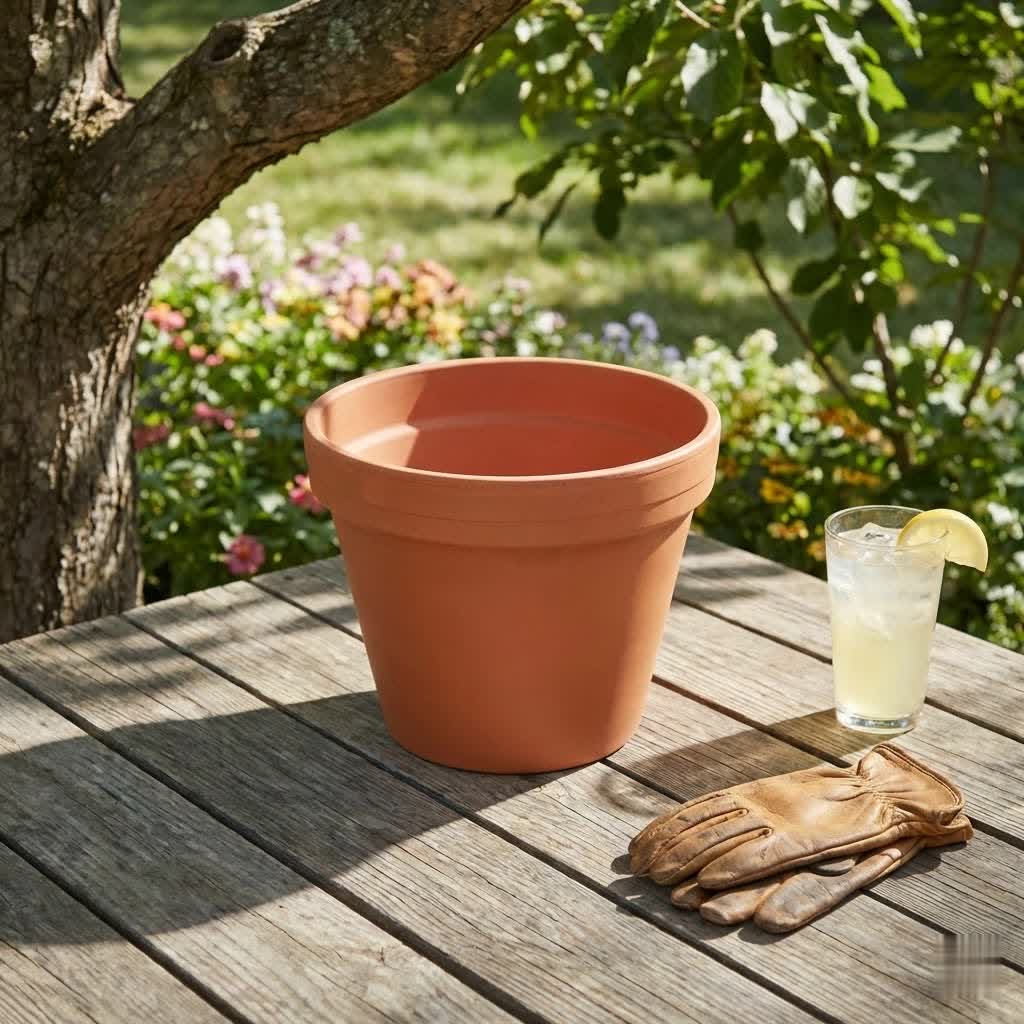
For gardeners and home decorators alike, the black plant pot has emerged as a design statement, offering a sleek, contemporary aesthetic that can elevate any space. Its bold, minimalist charm provides a dramatic backdrop for vibrant foliage and colorful blooms, creating eye-catching displays. However, beyond their striking appearance, black plant pots present unique considerations for plant health, primarily concerning heat regulation. Choosing the right black pot involves understanding its material, placement, and how it interacts with your plants and environment. This guide will help you navigate these nuances, ensuring your black plant pots are as functional as they are beautiful.
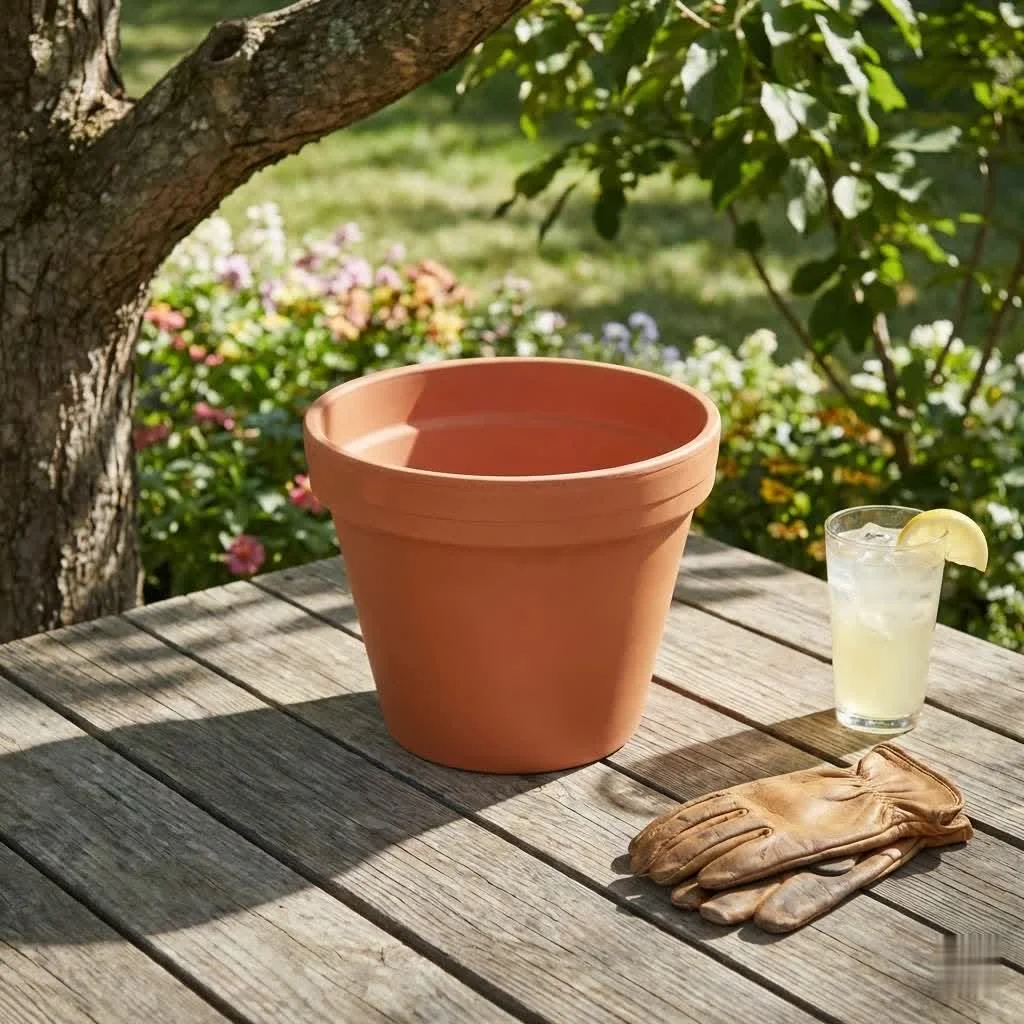
The Allure and Nuances of Black Plant Pots
Black plant pots bring a distinct character to any setting, whether indoors or out. But their dark hue isn’t just about style; it has practical implications for your plants.
Advantages of Black Plant Pots
The primary aesthetic advantage of black plant pots is their unparalleled versatility. They effortlessly blend into modern, industrial, or minimalist decor, providing a sophisticated touch. Beyond looks, black pots serve as a stark, dramatic contrast that makes plant colors pop, from the brightest floral hues to the deepest greens of foliage. Functionally, black pots are excellent heat absorbers. In colder climates or during winter months, this can be a significant advantage, helping to warm the soil and promote root activity, providing a cozy environment for root development when temperatures drop.
Disadvantages and Challenges
The very property that makes black pots beneficial in cold weather – heat absorption – becomes their main drawback in warm climates or direct sunlight. Black surfaces absorb nearly all visible light, converting it into heat, which can cause the soil inside the pot to reach dangerously high temperatures. This excessive heat can damage tender roots, inhibit their growth, and even lead to the plant’s demise. Consequently, plants in black pots, especially those made from thin plastic, tend to dry out much faster, demanding more frequent watering. If not managed properly, this can stress the plant and make it more susceptible to disease.
Popular Materials for Black Plant Pots: Pros & Cons
The material of your black plant pot plays a crucial role in its performance and suitability for different environments.
Black Ceramic Pots
Black ceramic pots are prized for their elegant, timeless appearance. When glazed, they offer excellent moisture retention compared to their unglazed counterparts, as the glaze makes the surface less porous.
- Pros: Classic aesthetic, good insulation (especially with thicker walls), durable.
- Cons: Heavy, making them difficult to move; can be expensive; prone to cracking if dropped or exposed to freezing temperatures without proper care.
Black Plastic Pots
|
Our Picks for the Best Plant Pot in 2026
As an Amazon Associate I earn from qualifying purchases.
|
||
| Num | Product | Action |
|---|---|---|
| 1 | Indoor Self Watering Planters with Drainage Holes and Saucers, 8, 7, 6.5, 6, 5.5, 5 Inches, Green, 6 Pots. |

|
| 2 | Kante 18 Inch Dia Round Concrete Planter, Indoor Outdoor Large Plant Pot with Drainage Hole and Rubber Plug for Home Patio Garden, Weathered Concrete |
|
| 3 | Kante 18 Inch Diameter Round Concrete Planter, Indoor Outdoor Large Plant Pot with Drainage Hole and Rubber Plug for Home Patio Garden, Buff Concrete |
|
| 4 | Kante 18 Inch Dia Round Concrete Planter, Indoor Outdoor Large Plant Pot with Drainage Hole and Rubber Plug for Home Patio Garden, Charcoal |
|
| 5 | Indoor Outdoor Plant Pots- Self Watering Planters with Drainage Holes and Saucers, 9,8, 7.5 Inches, 3 Pots (Snow) |
|
| 6 | Kante 18 Inch Dia Round Concrete Planter, Indoor Outdoor Large Plant Pot with Drainage Hole and Rubber Plug for Home Patio Garden, Black |
|
| 7 | Indoor Self Watering Planters with Drainage Holes and Saucers, 8, 7, 6.5, 6, 5.5, 5 Inches, 6 Pots(Green+Brown |
|
| 8 | Indoor Self Watering Planters with Drainage Holes and Saucers, 8, 7, 6.5, 6, 5.5, 5 Inches, White, 6 Pots |
|
| 9 | Indoor Self Watering Planters with Drainage Holes and Saucers, 8, 7, 6.5, 6, 5.5, 5 Inches, Black, 6 Pots |
|
| 10 | 7 pcs Plant Pots with Drainage Holes and Saucers, Indoor Planters, Set of 7 (7.5, 7, 6.5, 6, 5.5, 4.5, 3.5 Inches), White |
|
Plastic pots are a ubiquitous choice due to their affordability and versatility. Modern black plastic pots come in a variety of styles, some even mimicking more expensive materials.
- Pros: Lightweight, highly affordable, readily available in diverse designs and sizes, good moisture retention (requiring less frequent watering than porous materials).
- Cons: Cheaper plastics can degrade, fade, and crack under UV exposure; thin plastic varieties absorb heat intensely, posing a risk to roots in direct sun.
- Safe Plastics: Look for pots made from thick polypropylene, which offers better UV resistance and insulation, ensuring greater longevity and plant protection.
Black Terracotta Pots (or Dark Clay)
While less common as pure black, dark-colored terracotta or clay pots share many characteristics with traditional terracotta, celebrated for their natural material and breathability.
- Pros: Highly porous, allowing excellent air exchange to the roots and preventing waterlogging; rustic and natural aesthetic.
- Cons: Rapid water evaporation means soil dries out quickly, necessitating frequent watering; significant heat absorption, similar to other dark materials; can be fragile and break easily.
Black Metal Pots
For a contemporary, industrial look, black metal pots are a striking option. They are often seen in galvanized steel or aluminum, offering sleek lines and robust construction.
- Pros: Very durable and long-lasting; provides a distinct modern aesthetic; resistant to cracking from temperature changes.
- Cons: Can become extremely hot in direct sunlight, potentially cooking roots; prone to rusting if not properly coated or maintained; very heavy, especially in larger sizes.
- Tip: Consider stone-coated metal pots, which can mitigate heat absorption and offer enhanced durability and aesthetic appeal.
Black Fiberglass Pots
Fiberglass pots are a high-performance choice, offering a sophisticated look without the weight of traditional materials.
- Pros: Exceptionally lightweight yet incredibly durable; UV-resistant, preventing fading and degradation; excellent frost resistance; good insulation properties that help moderate soil temperature; available in numerous sleek designs.
- Cons: Generally more expensive than plastic or terracotta options.
Self-Watering Black Pots
Self-watering pots are designed to reduce the frequency of watering by providing a reservoir of water to the plant’s roots.
- Pros: Convenient for busy gardeners or those prone to forgetting to water; helps maintain consistent soil moisture levels.
- Cons: Initial cost can be higher; requires careful monitoring to ensure the reservoir doesn’t become stagnant; can sometimes mask overwatering issues if not used correctly.
Comparison Table: Black Plant Pot Materials
Understanding the trade-offs between materials is key to making an informed choice.
| Feature | Ceramic (Glazed) | Plastic (Polypropylene) | Terracotta (Dark) | Metal (Coated) | Fiberglass |
|---|---|---|---|---|---|
| Price | Medium-High | Low-Medium | Low-Medium | Medium-High | High |
| Durability | Good | Good (UV-resistant types) | Fragile | Excellent | Excellent |
| Water Retention | Good | Excellent | Low | Good | Excellent |
| Heat Absorption | Medium | High | High | Very High | Low-Medium |
| Aesthetic | Elegant | Modern/Versatile | Rustic | Industrial | Modern/Sleek |
| Weight | Heavy | Lightweight | Medium | Heavy | Lightweight |
| Drainage | Good (if holes) | Essential holes | Excellent | Essential holes | Essential holes |
Choosing the Perfect Black Plant Pot for Your Greenery
Selecting the ideal black plant pot requires a thoughtful approach that balances plant needs, environmental conditions, and your aesthetic preferences.
1. Assess Your Plant’s Needs
Begin by understanding the specific requirements of your plant. Does it thrive in full sun or prefer shade? What is its mature size, and how extensive is its root system? Sun-loving plants in black pots, for example, will need different considerations than shade-dwellers. Ensure the pot’s size accommodates the plant’s current root ball with room for growth, typically 1-2 inches larger in diameter for established plants.
2. Consider Placement and Climate
The location of your pot significantly influences material choice.
- Indoor vs. Outdoor: Indoor black pots generally face fewer heat-related issues, making material choice more about aesthetics.
- Sun Exposure: For outdoor plants in full sun, black pots, especially thin plastic ones, can lead to severe root overheating. Opt for shadier spots or use heat-mitigating strategies. In contrast, in cold climates, the heat-absorbing quality can be beneficial.
- Climate: In hot climates, prioritize materials with better insulation or move pots to areas with morning sun only, or filtered light.
3. Material Matters: Balancing Function and Form
Based on your plant’s needs and climate, select a material that offers the best balance. For sunny outdoor locations, prioritize UV-resistant materials like fiberglass or thick polypropylene. If you’re using a naturally heat-absorbing material like dark terracotta, consider its placement carefully.
4. Style and Aesthetics
Black pots are a statement piece. Consider how the pot’s design, finish (matte or glossy), and texture will complement your home or garden. For a vibrant display, pair black pots with brightly colored annuals or light-hued foliage. To create sophisticated drama, choose plants with deep purples, rich reds, or variegated green leaves.
5. Essential Features to Check
Before purchasing, always inspect the pot for critical features.
- Drainage Holes: Non-negotiable for most plants to prevent waterlogging and root rot. If a pot lacks holes, ensure the material allows you to drill them.
- Sturdiness and Quality: Check for any cracks, chips, or manufacturing defects that could compromise the pot’s integrity.
- Frost-Proof Guarantee: If you intend to leave black pots outdoors in cold climates, look for materials explicitly labeled as frost-proof to prevent cracking.
Elevating Your Garden: Best Plants for Black Pots
Black pots provide an exceptional canvas for showcasing a wide array of plants. Here are some ideas to make your greenery truly shine.
Bright & Bold Combinations
Black pots make bright colors pop with remarkable intensity.
- Seasonal Blooms: For spring, consider tulips, daffodils, and primroses. In summer, geraniums, petunias, lavender, and black-eyed Susans create stunning contrasts.
- Striking Whites & Pastels: White impatiens, light pink petunias, or yellow marigolds will truly stand out against the dark background.
Lush & Elegant Greenery
For a more subdued yet sophisticated look, pair black pots with various shades of green and silver foliage.
- Silver or Pale Green Foliage: Dusty Miller, Lamb’s Ear, and Sage offer soft, contrasting textures.
- Structured Greenery: Ferns add feathery texture, while Boxwood shrubs provide structured, manicured elegance.
Dramatic & Sophisticated Displays
Create an air of mystery and depth by choosing plants with darker hues or unique forms.
- Dark-Hued Plants: Coleus with its deep burgundy leaves, deep red ranunculus, or Mondo Grass (especially the ‘Niger’ variety) create rich, layered looks.
- Actual “Black” Flowers: For a truly unique display, seek out plants with exceptionally dark blooms like ‘Black Velvet’ petunias, ‘Black Baccara’ roses, black pansies, or chocolate cosmos.
Year-Round Appeal
To maintain interest throughout the seasons, incorporate evergreens into your black pot designs.
- Hardy Evergreens: Yucca, English Ivy, Heuchera (available in various foliage colors), and compact Skimmia provide consistent structure and color. Consider compact phormiums for architectural interest that endures year-round.
Expert Tips for Caring for Your Black Plant Pots
Proper care extends the life of your black pots and ensures your plants remain healthy.
Regular Cleaning and Maintenance
Keeping your pots clean is crucial for both aesthetics and plant health.
- How to Clean: For ceramic and plastic, a gentle scrub with warm soapy water is often enough. For metal, follow manufacturer recommendations to prevent rust.
- Preventing Mineral Buildup: Hard water can leave unsightly mineral deposits. Use a diluted vinegar solution to remove them, rinsing thoroughly afterward.
Repotting Essentials
Knowing when and how to repot is vital for thriving container plants.
- When to Repot: Signs include roots growing out of drainage holes, stunted growth, or the plant looking top-heavy. Typically, every 1-2 years is a good rhythm.
- Choosing the Right Potting Mix: Always use a high-quality potting mix suitable for your plant type. It should offer good drainage while retaining essential moisture.
- Proper Repotting Technique: Gently remove the plant, loosen circling roots, add fresh soil to the new pot, position the plant, and fill with soil, leaving space for watering.
Watering and Fertilizing Strategies
Adjusting your watering and fertilizing routine is especially important for black pots.
- Adjust Watering Frequency: Due to increased heat absorption, soil in black pots can dry out faster. Monitor soil moisture daily, especially during hot periods, and be prepared to water more frequently than you would with lighter-colored pots.
- Appropriate Fertilizers: Container plants deplete nutrients faster. Use a balanced, slow-release granular fertilizer or a liquid feed according to the product’s instructions and your plant’s needs.
- Monitoring Soil Moisture: Invest in a soil moisture meter or simply feel the top inch or two of the soil. Water when it feels dry to the touch.
Conclusion
Black plant pots offer an undeniable aesthetic appeal, injecting modern sophistication and dramatic contrast into any garden or interior. While their heat-absorbing nature requires careful consideration, particularly in sunny and hot environments, understanding the unique properties of different materials and employing smart placement strategies can turn potential challenges into distinct advantages. By choosing the right material, pairing it with complementary plants, and implementing mindful care practices, your black plant pots will not only enhance your space but also provide a healthy, thriving home for your beloved greenery. What dramatic black pot combination will you create next?
Frequently Asked Questions
Are black plant pots bad for plants?
Black pots aren’t inherently bad, but they can be problematic in direct, hot sunlight due to excessive heat absorption, which may damage roots. However, in cooler climates, shady spots, or indoors, they can be beneficial by keeping roots warmer.
Do black plant pots make soil hotter?
Yes, black pots absorb all visible light and convert it into heat, causing the soil temperature to rise significantly, especially when exposed to direct sunlight. This can be advantageous in cold weather but detrimental in hot conditions.
What color plants look best in black pots?
Bright, vibrant colors like white, yellow, orange, and light pastels create striking contrast against black pots. Silver or pale green foliage also stands out beautifully. For a more sophisticated look, consider deep purples, reds, and vibrant greens.
How can I prevent my black pot from overheating?
To prevent overheating, place black pots in shadier locations during hot weather, opt for thick-walled or insulated materials, or consider using a double-potting method with a lighter-colored inner pot. Partially burying them in the ground can also help dissipate heat.
What materials are best for outdoor black plant pots?
For outdoor use, especially in sunny areas, fiberglass, thick polypropylene with UV resistance, or stone-coated metal are excellent choices. These materials offer durability, better insulation, and resist degradation from sun exposure.
Do black pots require more watering?
Generally, yes. Due to their increased heat absorption, the soil in black pots can dry out faster than in lighter-colored pots, particularly in sunny conditions. This often necessitates more frequent watering to maintain adequate moisture levels for your plants.
Get our weekly buyer guide
Practical specs, not advice. Unsubscribe anytime.
