Choosing the right bonsai plant pot is more than just picking a container; it’s a pivotal decision that impacts both the aesthetic harmony and the long-term health of your miniature tree. Just as a meticulously crafted frame enhances a masterpiece painting, the perfect bonsai pot elevates the beauty of your tree, creating a unified composition that tells a compelling story. With over a decade of experience in plant cultivation and a deep understanding of various pot materials, sizes, and styles, I’m here to guide you through selecting a bonsai plant pot that not only meets your tree’s needs but also complements your personal style.
Popular Types of Bonsai Plant Pots
The world of bonsai pots offers a rich mix of materials, each with unique characteristics influencing your tree’s well-being and visual presentation. Understanding these differences is the first step toward making an informed choice. For explore our indoor reviews on this site.
Ceramic Bonsai Pots (Glazed & Unglazed)
Ceramic pots are the most traditional and widely used for bonsai, prized for their beauty, durability, and horticultural benefits. They come in two main forms: glazed and unglazed.
-
Unglazed Ceramic Pots
- Pros: Unglazed pots are breathable and porous, allowing for excellent air circulation to the roots and promoting healthy gas exchange. Their earthy, natural appearance often evokes a sense of age and tranquility, making them ideal for conifers like pines and junipers. They also facilitate the drying of the soil, reducing the risk of overwatering for species that prefer drier conditions.
- Cons: Due to their porosity, unglazed pots can dry out faster, requiring more frequent watering, especially in warmer climates. Some lower-fired unglazed pots may be more susceptible to frost damage if not properly kilned.
- How to Choose: Traditionally, conifers, which are often quieter species valued for their impression of age, are paired with unglazed pots to complement their subdued beauty.
- Care Tips: Regular cleaning with a soft brush and mild soap can prevent mineral buildup. Ensure they are well-drained and protected from extreme freezing if not specifically rated for frost.
-
Glazed Ceramic Pots
- Pros: Glazed pots are renowned for their vibrant colors and diverse finishes, offering a wide range of aesthetic possibilities. The glaze reduces porosity, helping the soil retain moisture for longer, which can be beneficial for deciduous and flowering species that prefer consistent hydration. They also provide good insulation for root systems.
- Cons: Their reduced breathability means less air exchange for the roots compared to unglazed pots, and they can be heavier. While many are frost-resistant, extreme temperature variations can still pose a risk to some glazes or less robust ceramics.
- How to Choose: Deciduous trees, especially flowering or fruiting varieties, benefit from the vibrancy of a glazed pot, which can highlight their seasonal changes and colors. Matching the pot’s color to the tree’s foliage, flowers, or trunk can create stunning visual harmony.
- Care Tips: Glazed pots are generally easier to clean. Avoid harsh abrasives that could scratch the surface.
Plastic Bonsai Pots
|
Our Picks for the Best Plant Pot in 2026
As an Amazon Associate I earn from qualifying purchases.
|
||
| Num | Product | Action |
|---|---|---|
| 1 | 7 pcs Plant Pots with Drainage Holes and Saucers, Indoor Planters, Set of 7 (7.5, 7, 6.5, 6, 5.5, 4.5, 3.5 Inches), White |

|
| 2 | Kante 18 Inch Dia Round Concrete Planter, Indoor Outdoor Large Plant Pot with Drainage Hole and Rubber Plug for Home Patio Garden, Weathered Concrete |
|
| 3 | Indoor Self Watering Planters with Drainage Holes and Saucers, 8, 7, 6.5, 6, 5.5, 5 Inches, Green, 6 Pots. |
|
| 4 | Indoor Outdoor Plant Pots- Self Watering Planters with Drainage Holes and Saucers, 9,8, 7.5 Inches, 3 Pots (Snow) |
|
| 5 | Indoor Self Watering Planters with Drainage Holes and Saucers, 8, 7, 6.5, 6, 5.5, 5 Inches, 6 Pots(Green+Brown |
|
| 6 | Indoor Self Watering Planters with Drainage Holes and Saucers, 8, 7, 6.5, 6, 5.5, 5 Inches, Black, 6 Pots |
|
| 7 | Kante 18 Inch Dia Round Concrete Planter, Indoor Outdoor Large Plant Pot with Drainage Hole and Rubber Plug for Home Patio Garden, Black |
|
| 8 | Indoor Self Watering Planters with Drainage Holes and Saucers, 8, 7, 6.5, 6, 5.5, 5 Inches, White, 6 Pots |
|
| 9 | Kante 18 Inch Dia Round Concrete Planter, Indoor Outdoor Large Plant Pot with Drainage Hole and Rubber Plug for Home Patio Garden, Charcoal |
|
| 10 | Kante 18 Inch Diameter Round Concrete Planter, Indoor Outdoor Large Plant Pot with Drainage Hole and Rubber Plug for Home Patio Garden, Buff Concrete |
|
Plastic pots have gained popularity, especially among beginners and for training young bonsai, due to their practical advantages.
- Pros: They are lightweight, inexpensive, and highly durable, making them resistant to accidental drops and frost. Plastic pots retain moisture better than porous ceramic, which can be advantageous for species that require consistent moisture or for those who cannot water frequently. Their affordability allows for experimentation without significant investment.
- Cons: The primary drawback is their aesthetic appeal, which generally falls short of traditional ceramic pots. They offer less breathability than unglazed options, which may not be ideal for all bonsai species. Over time, some plastics can become brittle from UV exposure.
- Safe Plastics for Plants: Look for food-grade or UV-stabilized plastics, which are typically safer for plant roots and more durable outdoors.
- Recycling Plastic Pots: Many plastic pots are recyclable, contributing to a more sustainable gardening practice. Check local recycling guidelines for proper disposal.
Terracotta Bonsai Pots
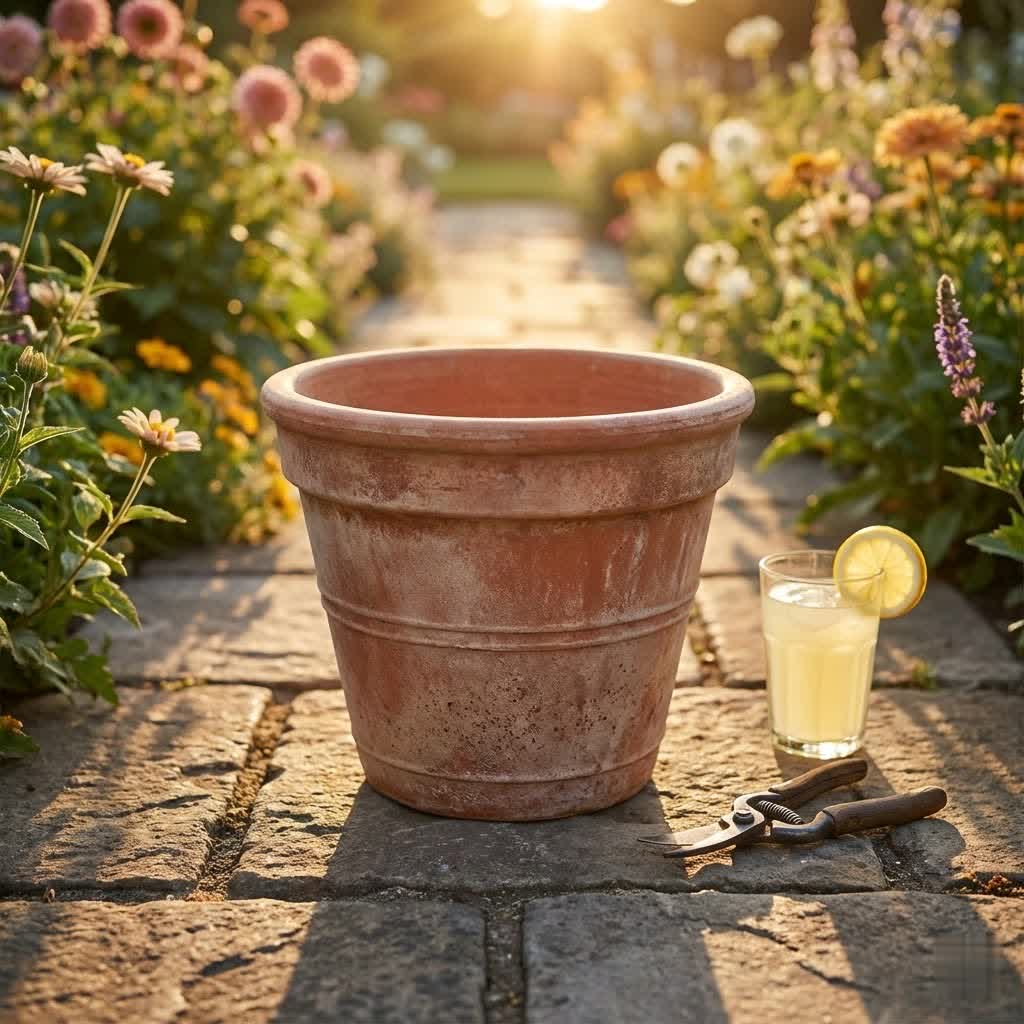
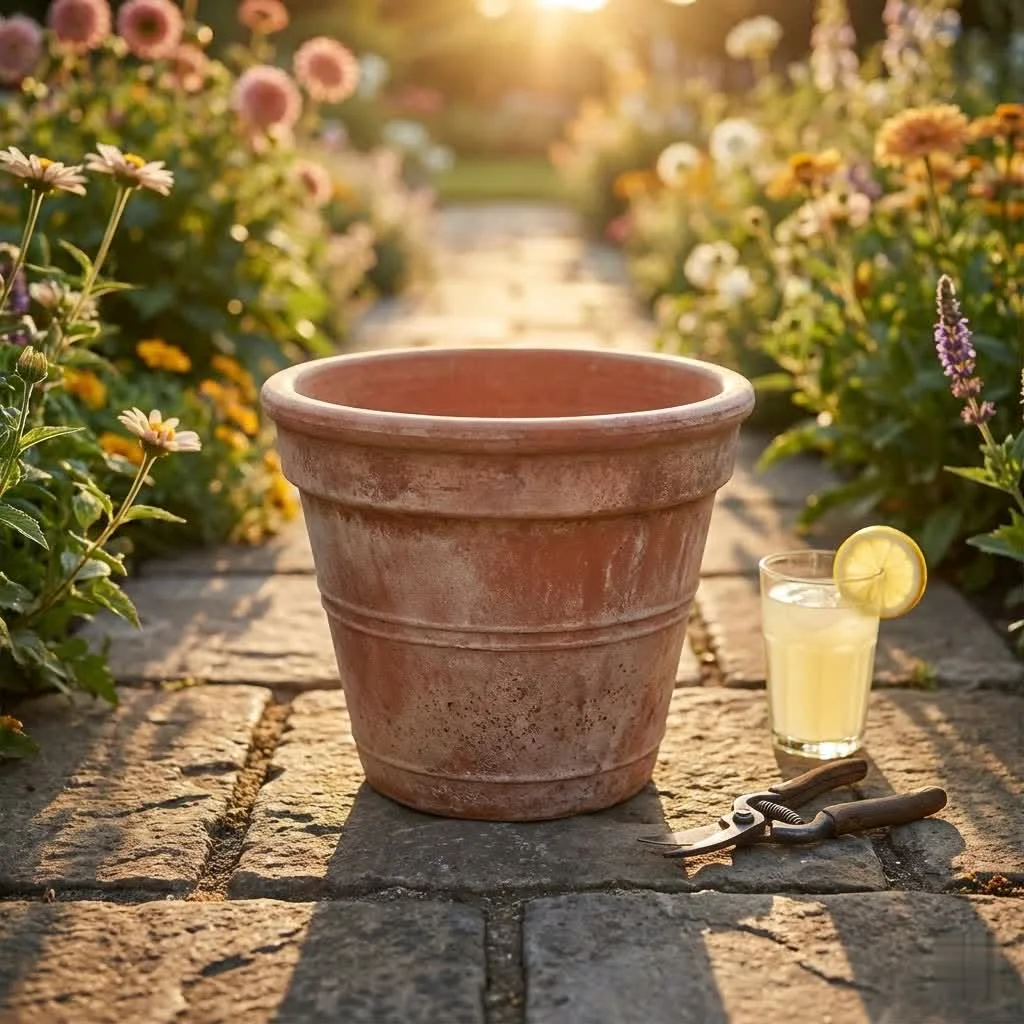
Terracotta, a type of unglazed clay, shares many characteristics with unglazed ceramic pots.
- Pros: Terracotta pots are highly breathable, facilitating excellent aeration for the roots and promoting a healthy soil environment. Their distinctive reddish-brown color provides a classic, earthy backdrop that complements many bonsai styles. They help prevent waterlogging.
- Cons: Similar to unglazed ceramics, terracotta dries out quickly and can be fragile, especially if not high-fired. They are also highly susceptible to frost damage, with water freezing within their porous structure and causing cracks.
- Distinguishing Terracotta: High-quality terracotta and unglazed ceramic are fired at higher temperatures, making them more durable and less prone to crumbling. Lower-fired options are more porous and delicate.
- Care Tips: Due to their rapid drying, terracotta pots often require more frequent watering. Protecting them from freezing temperatures is crucial to prevent damage.
Metal Bonsai Pots
While less common for traditional bonsai, metal pots can be used for specific artistic statements or temporary displays.
- Pros: Metal pots offer exceptional durability and can introduce a striking, contemporary aesthetic. They are often chosen for their unique textures and finishes.
- Cons: The high thermal conductivity of metal is a significant disadvantage; roots can quickly overheat in direct sun or freeze in cold temperatures, causing stress or damage to the tree. Metal is also prone to rust, which can be unsightly and potentially harmful to the soil over time. They tend to be heavy.
- Considerations: To mitigate thermal issues, metal pots should ideally be placed in shaded areas or insulated. Using a protective lining or rust-resistant coatings can help prolong the pot’s life and ensure tree health. Drainage is paramount to prevent water accumulation and rust.
Self-Watering Bonsai Pots
Self-watering pots are an innovative solution for modern bonsai enthusiasts seeking convenience and consistent moisture.
- Mechanism: These pots typically feature a double-layered design with a water reservoir at the bottom and a planting compartment for soil and the tree. Wicking systems, often made of capillary strips or cords, draw water up from the reservoir to the soil as needed, ensuring a steady supply of moisture.
- Pros: The main advantage is reduced watering frequency and consistent moisture levels, which can prevent both overwatering and underwatering, two common issues in bonsai care. They are excellent for busy individuals, frequent travelers, or for species that prefer consistently moist soil. They can promote healthier root growth by maintaining optimal hydration.
- Cons: While convenient, self-watering pots can reduce the fine control over soil moisture that experienced bonsai artists often prefer. There’s a risk of stagnant water in the reservoir, potentially leading to root rot if not properly managed or if the pot is oversized for the tree’s root system. They may not be suitable for all bonsai species, particularly those that thrive in drier conditions.
- Suitable Trees: They are particularly beneficial for humidity-loving tropical bonsai or for individuals seeking a low-maintenance approach. Always ensure the pot size is proportional to the bonsai’s root system.
Comparison Table of Bonsai Plant Pots
| Feature | Ceramic (Unglazed) | Ceramic (Glazed) | Plastic | Terracotta | Metal | Self-Watering (Plastic/Ceramic) |
|---|---|---|---|---|---|---|
| Price Range | Medium – High | Medium – High | Low – Medium | Low – Medium | High | Medium – High |
| Durability | Good (if high-fired) | Excellent | Excellent | Fair (fragile) | Excellent | Good – Excellent |
| Drainage/Breathability | High | Low – Medium | Low | High | Very Low | Controlled (Wicking) |
| Aesthetics | High (Earthy) | High (Vibrant) | Low – Medium | High (Classic) | Medium – High (Modern) | Medium – High |
| Moisture Retention | Low | High | High | Low | High | Consistent |
| Thermal Insulation | Good | Good | Excellent | Good | Poor | Good |
| Frost Resistance | Medium (depends on firing) | Good – Excellent | Excellent | Poor (very susceptible) | Poor (conductive) | Good – Excellent |
Guide to Selecting Your Bonsai Plant Pot
Choosing the perfect bonsai plant pot involves a careful balance of horticultural requirements and aesthetic principles.
Determine Your Needs
Before you even begin looking, consider your tree and its environment.
- Type of Tree: Is it a conifer, deciduous, or flowering species? This will influence material and glaze choices.
- Tree Size: The overall height and spread of your bonsai, as well as the diameter of its trunk (nebari), will dictate the appropriate pot dimensions. As a general rule, the pot’s length should be about two-thirds the height of the tree, or two-thirds the width if the tree’s canopy is wider than its height. The pot’s depth should typically be roughly equivalent to the trunk’s diameter just above the nebari.
- Placement: Will your bonsai live indoors or outdoors? The climate in your region will affect material choice, especially concerning frost resistance and heat retention.
Choose the Right Material
Prioritize materials that support your tree’s health and your watering habits.
- Horticultural First: For species needing excellent aeration or prone to overwatering, unglazed ceramic or terracotta is ideal. For those needing consistent moisture, glazed ceramic or plastic might be better.
- Durability and Climate: If you live in a region with harsh winters, frost-resistant glazed ceramics or durable plastic pots are safer choices than delicate terracotta.
Consider Design and Color
The pot is an extension of the tree; its design should enhance, not detract from, the bonsai.
- Style Harmony: Rectangular pots often convey stability and formality, complementing strong, masculine tree styles like formal uprights. Oval or round pots offer a softer, more fluid feel, perfect for informal or feminine tree styles. Cascade styles require deep, tall pots that mimic natural cliff-side growth.
- Color Matching: Traditionalists often choose earthy, subdued tones for conifers to emphasize their age. For deciduous or flowering trees, you might select a glazed pot that harmonizes with or subtly contrasts with the foliage or flower color. Always aim to pull a color that already exists within the tree’s bark, leaves, or blooms.
Inspection Before Purchase
A thorough inspection ensures you’re bringing home a quality product.
- Check for Cracks: Carefully inspect the pot for any hairline cracks or chips, especially on ceramic and terracotta, as these can worsen over time and compromise structural integrity.
- Examine Drainage Holes: Ensure there are sufficient and appropriately sized drainage holes at the bottom of the pot. Proper drainage is absolutely critical for bonsai health to prevent root rot. Also, check for integrated drainage mesh or anchor wire holes, which are signs of a well-designed bonsai pot.
- Inquire About Warranty: Reputable suppliers may offer warranties for their high-quality pots, providing peace of mind for your investment.
Bonsai Plant Pot Care Tips
Proper care extends the life of your bonsai pot and maintains its aesthetic appeal.
Cleaning Bonsai Pots
Regular cleaning is essential for hygiene and appearance.
- Routine Cleaning: Periodically clean your pots using a soft brush and warm water. For stubborn stains, a mild, non-toxic soap can be used, ensuring it’s thoroughly rinsed off.
- Mineral Deposit Removal: Over time, mineral deposits from water and fertilizer can build up, especially on unglazed pots. A diluted vinegar solution or a specialized cleaner can help remove these, but always test on an inconspicuous area first.
Repotting and Soil Changes
The pot is integral to the repotting process.
- When to Repot: Bonsai typically require repotting every 2-5 years, depending on the species and its growth rate, when the roots have filled the pot or the soil structure has broken down.
- Choosing the Right Soil: Always use a well-draining bonsai-specific soil mix. The pot’s material (e.g., highly porous terracotta vs. moisture-retaining glazed ceramic) should influence your soil choice; a more moisture-retentive pot might benefit from a slightly coarser, faster-draining mix, and vice versa.
- Proper Repotting Technique: Carefully remove the tree, prune old or circling roots, and place it back into the clean pot with fresh soil, ensuring good contact between roots and substrate. Anchor the tree if necessary through drainage holes.
Fertilizing for Potted Bonsai
Fertilization supports your bonsai’s growth within its confined space.
- Suitable Fertilizers: Use slow-release granular fertilizers or liquid fertilizers specifically formulated for bonsai, which provide balanced nutrients without burning the delicate root system.
- Dosage and Frequency: Follow the manufacturer’s instructions, adjusting based on the tree’s species, season, and growth stage. Bonsai in smaller pots may require more frequent, diluted feeding due to less soil volume.
Conclusion
The journey of bonsai cultivation is a continuous act of creation, and the bonsai plant pot is a silent, yet powerful, partner in this art. From the earthy simplicity of unglazed ceramic to the vibrant statements of glazed pieces, and the pragmatic utility of plastic, each pot material, size, and shape offers unique benefits and challenges. By understanding your tree’s horticultural needs and aligning them with aesthetic principles, you can choose a bonsai pot that not only provides a healthy home but also dramatically enhances its beauty, creating a living sculpture that reflects your dedication and vision. What story will your next bonsai pot help you tell?
Frequently Asked Questions
What is the ideal size for a bonsai pot?
Generally, the length of the pot should be about two-thirds the height of the tree (or its width if the canopy is wider). The depth of the pot should roughly match the diameter of the tree’s trunk at its base. However, these are guidelines; horticultural needs for root space or specific cascade styles may require adjustments.
Should I choose a glazed or unglazed bonsai pot?
The choice depends on your tree and aesthetic preference. Unglazed pots are porous and breathable, ideal for conifers and species preferring drier conditions. Glazed pots retain moisture better and offer vibrant colors, suiting deciduous and flowering trees, or those needing consistent hydration.
Are plastic pots suitable for bonsai?
Yes, plastic pots are suitable, especially for beginners or during the training phases of a bonsai. They are lightweight, inexpensive, durable, frost-resistant, and retain moisture well. While they may lack the traditional aesthetic of ceramic, their practical benefits make them an excellent choice for developing trees.
How important is drainage in a bonsai pot?
Drainage is paramount for bonsai health. Adequate drainage holes prevent waterlogging, which can lead to root rot and deprive roots of oxygen. Pot feet also contribute by allowing air circulation underneath the pot, further aiding drainage and drying.
Can I use a self-watering pot for my bonsai?
Self-watering pots can be convenient, providing a consistent moisture supply and reducing watering frequency. They are well-suited for busy enthusiasts or species that prefer consistently moist soil. However, careful monitoring is still needed to avoid overwatering, and they may offer less precise control for advanced growers.
How do I clean my bonsai pot?
Regularly clean your bonsai pot with a soft brush and warm water to remove soil residue and algae. For mineral deposits, a diluted vinegar solution can be effective. Always rinse thoroughly to remove any cleaning agents, ensuring no harmful residues are left behind.
Get our weekly buyer guide
Practical specs, not advice. Unsubscribe anytime.
