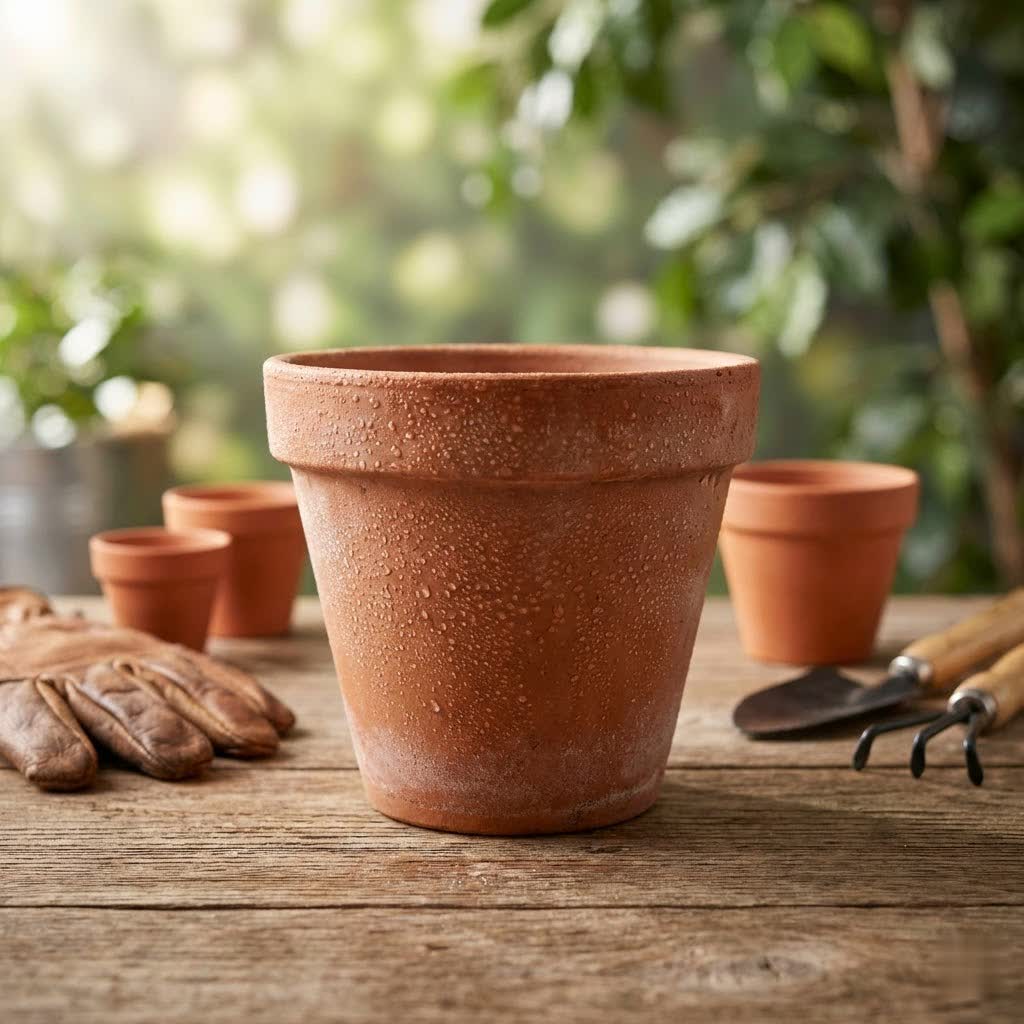
As the Admin of ReviewMacy.com and a plant care technician with over a decade of hands-on experience, I’ve seen countless plants thrive—and struggle—based on seemingly small details. One such detail, often overlooked yet profoundly impactful, is the humble plant pot foot. These unassuming accessories are not just decorative accents; they are fundamental to plant health, drainage, and the longevity of your cherished pots and surfaces. Choosing the right pot feet can improve your container gardening, providing essential airflow and preventing common plant ailments.
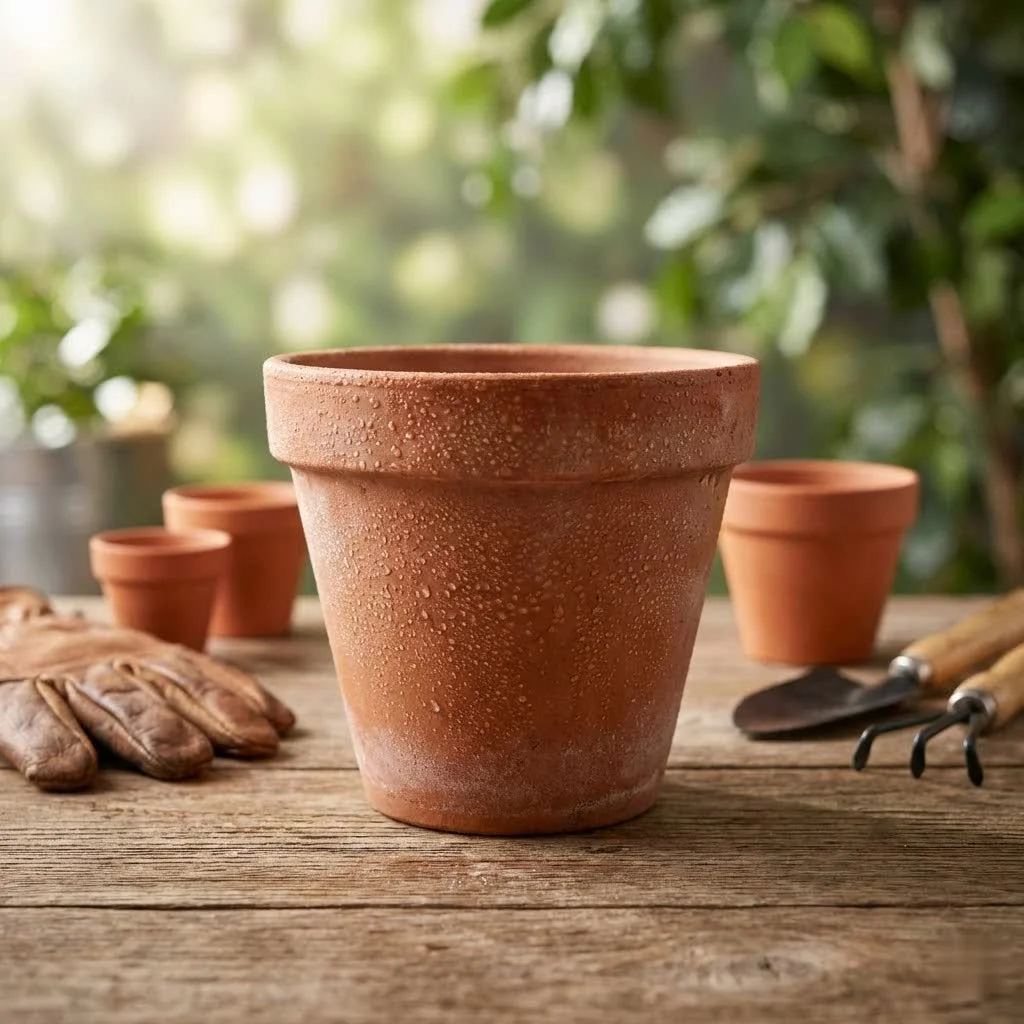
Common Types of Plant Pot Feet Materials
Understanding the different materials available for plant pot feet is the first step to making an informed choice. Each material offers unique advantages and aesthetic appeals.
Terracotta and Ceramic Pot Feet
Terracotta and ceramic pot feet are popular choices, often complementing traditional garden aesthetics. Made from natural clay, they offer a classic look that blends seamlessly with many pot styles.
- Pros: Excellent aesthetic appeal, especially with terracotta pots; durable; can withstand various weather conditions, particularly terracotta which is porous and aids in additional evaporation and air circulation.
- Cons: Can be brittle and prone to chipping or breaking if dropped; porous materials like terracotta can absorb water and potentially promote mold growth in very damp, shaded conditions if not properly maintained.
- Choosing suitable terracotta/ceramic feet: Select feet that match the pot’s color or provide a pleasant contrast. For larger pots, opt for thicker, more robust designs to ensure adequate support.
- Maintenance tips for these feet: Regularly brush off any accumulated soil or debris. For stubborn stains, a gentle scrub with a mild soap and water solution can restore their appearance.
Plastic and Rubber Pot Feet
Plastic and rubber pot feet are often chosen for their practicality, affordability, and discreet nature. They are particularly useful for indoor plants or on delicate surfaces.
- Pros: Lightweight; highly durable and resistant to breakage; non-marking on floors and surfaces; often more affordable; some rubber options offer anti-slip properties.
- Cons: Less aesthetic appeal for some gardeners, though many are designed to be inconspicuous; plastic can degrade over time when exposed to harsh UV rays.
- Safe plastics for gardening use: Most commercially available plastic pot feet are made from inert plastics safe for plants. Focus on durability to minimize replacement frequency.
- Recycling plastic pot feet: When their life cycle ends, check local recycling guidelines for proper disposal, as some plastics may be recyclable.
Metal Pot Feet
Metal pot feet, such as those made from wrought iron or aluminum, add a touch of elegance and can be quite decorative. They are known for their strength and longevity.
- Pros: Extremely strong and durable, ideal for supporting very heavy pots; offers a sophisticated, often antique, aesthetic; wrought iron can provide a timeless look.
- Cons: Can be heavy; some metals (like iron) are susceptible to rust if not treated; can be more expensive than other materials; may scratch delicate surfaces if not properly protected underneath.
- Considerations when using metal feet: Ensure the design is stable and provides even support. For indoor use, ensure the feet have protective pads to prevent floor damage.
- Preventing rust on metal feet: Choose powder-coated or rust-resistant options. For wrought iron, periodic cleaning and applying a rust-inhibiting sealant can extend their life.
Concrete and Resin Pot Feet
|
Our Picks for the Best Plant Pot in 2026
As an Amazon Associate I earn from qualifying purchases.
|
||
| Num | Product | Action |
|---|---|---|
| 1 | Kante 18 Inch Diameter Round Concrete Planter, Indoor Outdoor Large Plant Pot with Drainage Hole and Rubber Plug for Home Patio Garden, Buff Concrete |

|
| 2 | Kante 18 Inch Dia Round Concrete Planter, Indoor Outdoor Large Plant Pot with Drainage Hole and Rubber Plug for Home Patio Garden, Black |
|
| 3 | Indoor Self Watering Planters with Drainage Holes and Saucers, 8, 7, 6.5, 6, 5.5, 5 Inches, 6 Pots(Green+Brown |
|
| 4 | Indoor Self Watering Planters with Drainage Holes and Saucers, 8, 7, 6.5, 6, 5.5, 5 Inches, Black, 6 Pots |
|
| 5 | Indoor Self Watering Planters with Drainage Holes and Saucers, 8, 7, 6.5, 6, 5.5, 5 Inches, White, 6 Pots |
|
| 6 | 7 pcs Plant Pots with Drainage Holes and Saucers, Indoor Planters, Set of 7 (7.5, 7, 6.5, 6, 5.5, 4.5, 3.5 Inches), White |
|
| 7 | Kante 18 Inch Dia Round Concrete Planter, Indoor Outdoor Large Plant Pot with Drainage Hole and Rubber Plug for Home Patio Garden, Charcoal |
|
| 8 | Indoor Outdoor Plant Pots- Self Watering Planters with Drainage Holes and Saucers, 9,8, 7.5 Inches, 3 Pots (Snow) |
|
| 9 | Kante 18 Inch Dia Round Concrete Planter, Indoor Outdoor Large Plant Pot with Drainage Hole and Rubber Plug for Home Patio Garden, Weathered Concrete |
|
| 10 | Indoor Self Watering Planters with Drainage Holes and Saucers, 8, 7, 6.5, 6, 5.5, 5 Inches, Green, 6 Pots. |
|
Concrete and resin composite pot feet combine durability with versatility in design. They often mimic the look of natural stone and can be quite heavy and stable.
- Pros: Very sturdy, suitable for large and heavy planters; excellent weather resistance; available in various decorative shapes and finishes; resistant to pests and decay.
- Cons: Can be very heavy, making pots harder to move; may be more expensive than plastic or terracotta options; some cheaper resin mixes might become brittle over time.
- Distinguishing standard vs. high-quality concrete/resin: High-quality options will feel dense, have a smooth finish (unless intentionally textured), and show no visible air bubbles or inconsistencies.
- Caring for concrete/resin feet: These are generally low-maintenance. Occasional cleaning to remove dirt and algae is usually sufficient.
Innovative and DIY Pot Feet Solutions
For those who enjoy a personal touch or seek eco-friendly alternatives, DIY pot feet are a fantastic option. Repurposed materials can offer functionality and unique charm.
- Working mechanism: These solutions elevate the pot, creating the crucial air gap for drainage. Common materials include bricks, stones, pieces of wood, wine corks, or even sections of PVC pipe.
- Pros: Cost-effective; environmentally friendly (repurposing); allows for creative expression and custom heights; readily available materials.
- Cons: May not offer the same level of aesthetic consistency or long-term durability as purpose-built feet; requires some effort to create and ensure stability.
- Suitable for: Any potted plant needing elevation. Just ensure the DIY solution is stable and can bear the pot’s weight without compromising drainage.
The Undeniable Benefits of Using Plant Pot Feet
If you’ve ever wondered whether plant pot feet are truly necessary, let me assure you, from years of experience, they are a small investment with a significant payoff for your plants and garden spaces.
Optimal Drainage and Root Health
One of the primary benefits of pot feet is their role in preventing waterlogged soil. When a pot sits directly on a flat surface, its drainage holes can become blocked, trapping excess water. This leads to suffocated roots, a common cause of root rot and other fungal diseases. Pot feet elevate the pot, ensuring water can freely exit, promoting healthy root development.
“Proper drainage is non-negotiable for plant health. Pot feet create the essential space for water to escape, keeping roots happy and healthy, especially after heavy watering or rain.” – [Your Name], Admin of ReviewMacy.com
Enhanced Air Circulation
Lifting the pot slightly off the ground allows for better air circulation around the base. This improved airflow helps the soil dry out more consistently between waterings, preventing excessive moisture build-up that can harbor harmful pathogens.
Pest Prevention
Damp, dark spaces under pots are prime real estate for various pests like slugs, snails, woodlice, and ants. Elevating your pots with feet creates a less inviting environment, making it harder for these critters to access drainage holes and potentially damage roots or nest underneath.
Surface Protection
Sitting pots can leave unsightly water rings, stains, mold, or mildew on your patios, decks, and indoor floors. Pot feet create a barrier, allowing moisture to evaporate and preventing direct contact that causes stains and surface damage, preserving the integrity and appearance of your outdoor and indoor spaces.
Winter Weather Defense
In colder climates, the freeze-thaw cycle can be detrimental to potted plants and the pots themselves. By raising pots off cold ground, pot feet help minimize direct contact with freezing surfaces, reducing the risk of the soil freezing solid and potentially cracking ceramic or terracotta pots due to expansion.
Aesthetic Appeal
Beyond their functional benefits, pot feet can also enhance the visual appeal of your potted plants. They add a finished, intentional look, elevating your plants (literally!) and turning them into more prominent features in your garden or home decor. Whether you choose discreet risers or decorative animal-shaped feet, they add character.
Comparison Table of Plant Pot Feet Materials
| Material Type | Pros | Cons | Ideal For |
|---|---|---|---|
| Terracotta/Ceramic | Classic look, good airflow, durable | Brittle, prone to chipping/breaking, can absorb moisture | Traditional gardens, complementing clay pots, outdoor use |
| Plastic/Rubber | Lightweight, affordable, non-marking, anti-slip (rubber) | Less decorative (often), plastic can degrade from UV | Indoor plants, delicate surfaces, budget-friendly options |
| Metal (Wrought Iron/Aluminum) | Extremely strong, highly durable, elegant/decorative | Heavy, rust potential (iron), can be expensive, may scratch surfaces | Heavy pots, formal gardens, statement pieces, long-term outdoor use |
| Concrete/Resin | Very sturdy, weather-resistant, wide range of designs, pest-resistant | Heavy, can be expensive, resin may become brittle over time | Large/heavy pots, decorative elements, all-weather outdoor use |
| DIY/Repurposed | Cost-effective, eco-friendly, customizable, unique | Varies in durability/aesthetics, requires effort to create, stability needs checking | Creative gardeners, temporary solutions, specific height adjustments, budget conscious |
Guide to Choosing Plant Pot Feet
Selecting the perfect plant pot feet involves more than just picking what looks good. It’s about a harmonious blend of function, durability, and aesthetics tailored to your specific needs.
Determine Your Needs
Before you even look at materials or designs, consider the context.
- Type of pot and plant: A delicate orchid in a small ceramic pot will require different feet than a large, heavy olive tree in a terracotta planter. Consider the pot’s base shape and size.
- Pot size and weight: Heavier, larger pots demand robust, stable feet, usually three or four, to evenly distribute weight and prevent tipping. Smaller pots can often manage with three.
- Placement (indoor/outdoor): Indoor feet should be non-marking and potentially more decorative. Outdoor feet need to be weather-resistant and durable against elements like frost and UV light.
Select the Right Material
The material of your pot feet should complement both your pot and its environment.
- Prioritize safe, durable materials: For outdoor use, opt for materials known for weather resistance—concrete, resin, treated metal, or specific woods like cedar or teak. Indoors, plastic, rubber, or ceramic work well.
- Consider drainage and moisture retention properties: While pot feet create the drainage space, the material of the pot itself plays a role. Terracotta feet complement terracotta pots, aiding the overall moisture management.
Mind the Design and Color
Pot feet come in an astonishing array of designs, from minimalist pucks to intricate animal figures.
- Choose a style complementing your decor: Decorative feet can add whimsy or sophistication. Invisible feet are perfect when you want the focus purely on the plant and pot.
- Color harmony with the surroundings: Select colors that either blend seamlessly (e.g., grey rubber feet on a concrete patio) or provide a deliberate, pleasing contrast.
Thorough Inspection Before Purchase
Always examine pot feet carefully, whether buying in-store or upon delivery.
- Ensure no cracks or defects: Especially for ceramic, terracotta, or concrete feet, check for any hairline cracks that could compromise their strength and longevity.
- Check for stability and proper lift: Ensure the feet are uniform in height and provide adequate lift—typically at least half an inch to an inch—for effective drainage and airflow.
- Inquire about warranty (if applicable): For higher-end or specialized pot feet, understanding the manufacturer’s warranty can provide peace of mind.
Tips for Caring for Plant Pot Feet
Even these sturdy little helpers need a bit of attention to ensure they continue to perform their best.
Cleaning Pot Feet
Regular cleaning prevents debris buildup and maintains functionality.
- How to clean regularly: Periodically lift your pots and brush away any accumulated soil, leaves, or other debris from both the pot feet and the surface beneath. This ensures drainage holes remain clear and airflow is unobstructed.
- Safe cleaning products: A simple solution of water and a mild dish soap is usually sufficient. For tougher algae or mildew stains, a dilute bleach solution or vinegar can be used, but always rinse thoroughly.
Re-positioning/Adjusting Pot Feet
It’s wise to periodically check the stability of your pots on their feet.
- When to check and adjust: After heavy winds, moving the pot, or if you notice any wobbling, check that all feet are still securely in place and providing even support.
- Ensuring even support: For rectangular pots, four feet placed near the corners often offer the best stability. For round pots, three feet arranged in an equilateral triangle is ideal.
Winter Protection
Protecting your pot feet during winter can extend their lifespan, especially for materials prone to cracking.
- Protecting feet and pots from frost: While pot feet help prevent frost damage by improving drainage, consider bringing very delicate pots and their feet indoors in extreme cold. For outdoor pots, ensure feet are clear of standing water and ice to avoid them freezing to surfaces or cracking.
Conclusion
Plant pot feet are far more than just accessories; they are essential components for fostering healthy, vibrant plants and preserving your valuable surfaces. From promoting vital drainage and air circulation to deterring pests and offering winter protection, these often-underestimated items play a critical role in successful container gardening. By thoughtfully selecting the right plant pot feet for your specific needs—considering material, size, and aesthetic—you invest in the long-term well-being of your green companions and the beauty of your living spaces. So, are you ready to give your potted plants the lift they deserve?
Frequently Asked Questions
Why do I need plant pot feet if my pot already has drainage holes?
Even with drainage holes, a pot sitting directly on a flat surface can have those holes blocked, leading to water accumulation. Plant pot feet lift the pot, ensuring continuous drainage and allowing air to circulate freely beneath, which is crucial for root health and preventing waterlogging.
How many plant pot feet should I use for one pot?
For most round or square pots, three plant pot feet arranged in a triangular formation provide excellent stability. For very large, heavy, or rectangular planters, using four feet, one near each corner, offers enhanced support and balance.
Can plant pot feet prevent my patio from staining?
Yes, plant pot feet are highly effective at preventing stains. By elevating the pot, they allow water to drain freely and air to circulate, preventing the prolonged moisture contact that causes unsightly water rings, mold, and mildew on surfaces like patios, decks, and indoor floors.
What’s the best material for outdoor plant pot feet?
For outdoor use, durable and weather-resistant materials are best. Concrete, resin composites, treated metal (like powder-coated aluminum or wrought iron), and specific hardwoods (cedar, teak) are excellent choices that can withstand varying temperatures and moisture levels.
Can I make my own DIY plant pot feet?
Absolutely! Many gardeners create effective and charming DIY pot feet using materials like bricks, stones, wine corks, pieces of wood, or sections of PVC pipe. The key is to ensure they are stable, provide adequate lift, and can support the weight of your pot.
How high should plant pot feet lift my pot?
Generally, pot feet should lift your pot by at least half an inch to an inch (1.25 to 2.5 cm). This height is usually sufficient to ensure proper drainage, facilitate good air circulation, and prevent direct contact with the underlying surface.
Do plant pot feet help protect pots in winter?
Yes, plant pot feet offer protection in winter. By lifting pots off the ground, they minimize direct contact with cold, freezing surfaces. This helps prevent the soil from freezing solid and expanding, which can otherwise cause frost-sensitive pots (like terracotta) to crack.
Get our weekly buyer guide
Practical specs, not advice. Unsubscribe anytime.
