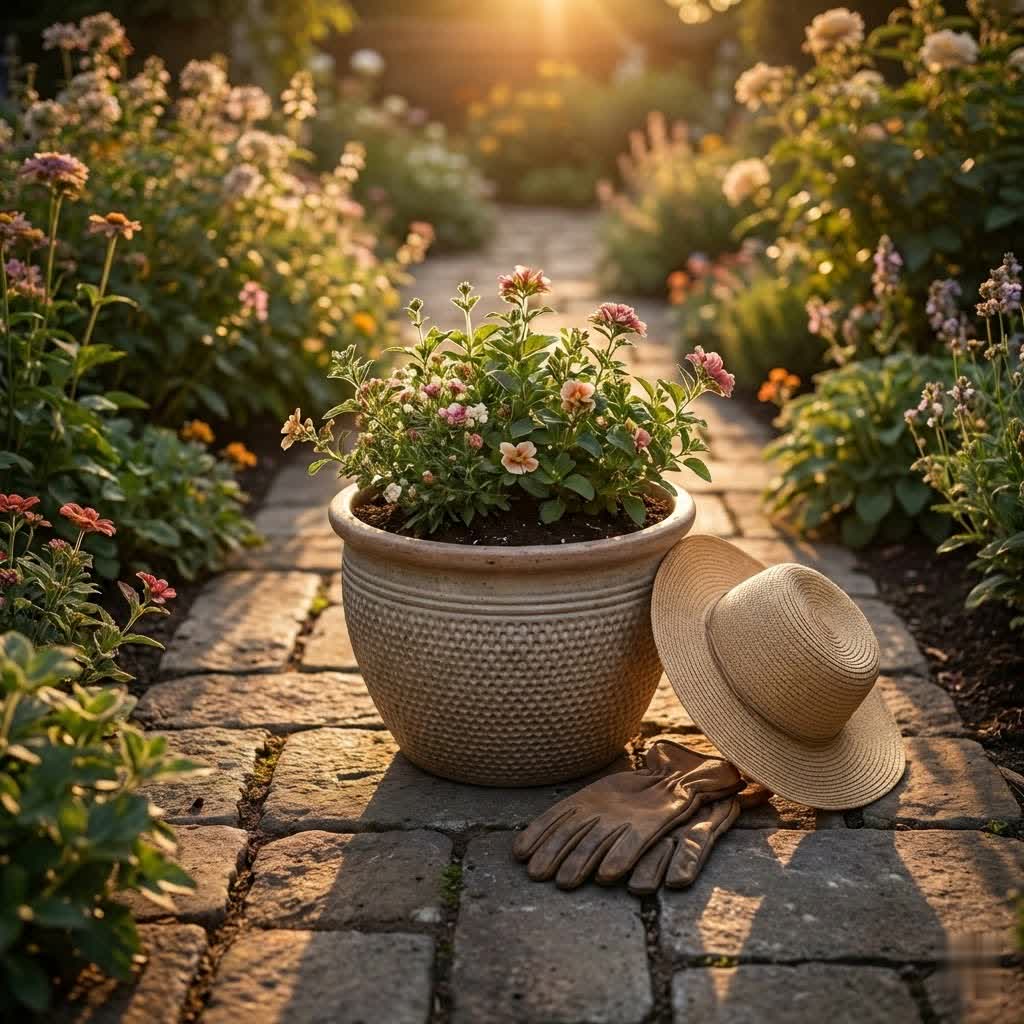
Elevate your indoor and outdoor greenery with the timeless sophistication of black and white plant pots. These classic hues offer unparalleled versatility, seamlessly integrating into any decor style from minimalist modern to industrial chic, or even adding a bold statement to a traditional setting. Choosing the right pot goes beyond aesthetics; it significantly impacts your plant’s health, influencing soil temperature, moisture retention, and overall growth. This comprehensive guide will navigate you through the diverse world of black and white planters, helping you select, care for, and style them to perfection.
Popular Black and White Plant Pot Types
The monochrome palette lends itself beautifully to a variety of materials and designs, each offering unique characteristics that can complement your plants and living spaces.
Ceramic Plant Pots
Ceramic plant pots are a perennial favorite, known for their artistic appeal and decorative finishes. In black and white, they can range from sleek, glossy cylinders to intricate, hand-painted patterns like stripes or checkerboards.
- Advantages: Ceramic pots offer aesthetic versatility and a classic, premium look. Glazed ceramic retains moisture well, while unglazed options provide better breathability for roots. They are also heavy, offering stability for larger plants.
- Disadvantages: Their weight can make them difficult to move, and they can be fragile, prone to chipping or cracking if dropped. Unglazed ceramic can also dry out soil more quickly.
- Choosing: Consider glazed options for moisture retention and a polished look, or unglazed for plants that prefer drier soil. Look for proper drainage holes and inspect for any imperfections.
- Care Tips: Clean with mild soap and water. If unglazed, avoid harsh chemicals that could be absorbed. Protect from freezing temperatures to prevent cracking.
Plastic Plant Pots
Plastic plant pots are a practical and economical choice, widely available in various black and white designs. They are excellent for those seeking durability and ease of handling.
- Advantages: Plastic pots are lightweight, making them easy to move and reposition. They are durable, resistant to breakage, and often more affordable. Their non-porous nature helps retain soil moisture, reducing watering frequency.
- Disadvantages: Black plastic pots can absorb significant heat in direct sunlight, potentially overheating roots. They may also appear less premium than ceramic or metal alternatives. Over time, outdoor black plastic can fade.
- Choosing: Look for high-quality, UV-resistant plastic to minimize fading and degradation. Ensure adequate drainage holes are present. Consider ribbed designs that can help insulate roots.
- Care Tips: Easily cleaned with soap and water. Monitor soil moisture, especially in black pots exposed to sun, to prevent overheating.
Terracotta Plant Pots
|
Our Picks for the Best Plant Pot in 2026
As an Amazon Associate I earn from qualifying purchases.
|
||
| Num | Product | Action |
|---|---|---|
| 1 | Indoor Self Watering Planters with Drainage Holes and Saucers, 8, 7, 6.5, 6, 5.5, 5 Inches, White, 6 Pots |

|
| 2 | 7 pcs Plant Pots with Drainage Holes and Saucers, Indoor Planters, Set of 7 (7.5, 7, 6.5, 6, 5.5, 4.5, 3.5 Inches), White |
|
| 3 | Indoor Self Watering Planters with Drainage Holes and Saucers, 8, 7, 6.5, 6, 5.5, 5 Inches, Green, 6 Pots. |
|
| 4 | Indoor Outdoor Plant Pots- Self Watering Planters with Drainage Holes and Saucers, 9,8, 7.5 Inches, 3 Pots (Snow) |
|
| 5 | Indoor Self Watering Planters with Drainage Holes and Saucers, 8, 7, 6.5, 6, 5.5, 5 Inches, Black, 6 Pots |
|
| 6 | Indoor Self Watering Planters with Drainage Holes and Saucers, 8, 7, 6.5, 6, 5.5, 5 Inches, 6 Pots(Green+Brown |
|
| 7 | Kante 18 Inch Dia Round Concrete Planter, Indoor Outdoor Large Plant Pot with Drainage Hole and Rubber Plug for Home Patio Garden, Charcoal |
|
| 8 | Kante 18 Inch Dia Round Concrete Planter, Indoor Outdoor Large Plant Pot with Drainage Hole and Rubber Plug for Home Patio Garden, Weathered Concrete |
|
| 9 | Kante 18 Inch Diameter Round Concrete Planter, Indoor Outdoor Large Plant Pot with Drainage Hole and Rubber Plug for Home Patio Garden, Buff Concrete |
|
| 10 | Kante 18 Inch Dia Round Concrete Planter, Indoor Outdoor Large Plant Pot with Drainage Hole and Rubber Plug for Home Patio Garden, Black |
|
While traditionally earthy-toned, terracotta pots can be painted in black and white to merge rustic charm with modern aesthetics.
- Advantages: Terracotta is highly porous, allowing air and moisture to pass through, which is excellent for root health and preventing overwatering. This breathability is especially beneficial for plants that prefer drier conditions.
- Disadvantages: Their porosity means soil dries out faster, requiring more frequent watering. They are also heavy and can be fragile, similar to ceramic. Painted versions may chip or fade over time.
- Choosing: Opt for thick-walled terracotta for better insulation. If buying painted pots, ensure the paint is suitable for outdoor use if intended for outside.
- Care Tips: New terracotta pots should be soaked before use. Regularly check soil moisture. Clean painted surfaces gently to prevent stripping the finish.
Metal Plant Pots
Metal plant pots bring an undeniable modern and industrial edge to any space, perfectly suiting a black and white theme.
- Advantages: Metal pots are incredibly durable, offering a sleek, contemporary, and often sophisticated look. They can be lightweight (aluminum) or substantial (steel, iron).
- Disadvantages: Untreated metal can rust, and all metal types can absorb or transfer heat quickly, potentially stressing roots in extreme temperatures. They often lack drainage holes and require a liner.
- Choosing: Look for powder-coated or galvanized finishes for rust resistance. Double-potting (placing your plant in a standard nursery pot inside the metal planter) is often recommended.
- Care Tips: Use liners to protect plants from direct contact with metal and ensure proper drainage. Treat rust spots promptly to prevent spread. Keep an eye on soil temperature, especially in direct sun.
Self-Watering Plant Pots
Self-watering plant pots, available in various materials including plastic and sometimes ceramic or fiberglass, offer a convenient solution for plant care, often featuring minimalist black and white designs.
- Mechanism: These pots typically have a reservoir at the bottom that provides a continuous supply of water to the plant’s roots through a wicking system.
- Advantages: They significantly reduce the frequency of watering, providing consistent moisture levels which is ideal for busy plant owners or plants with high water needs. They prevent both over- and under-watering.
- Disadvantages: They might not be suitable for all plant types, particularly those that prefer to dry out completely between waterings. Styles can sometimes be more limited.
- Suitable Plants: Thirsty plants like ferns, peace lilies, and many herbs thrive in self-watering systems.
Comparison of Black and White Plant Pot Types
| Feature | Ceramic (Glazed) | Plastic | Terracotta (Painted) | Metal (Coated) | Fiberglass |
|---|---|---|---|---|---|
| Price | Medium to High | Low to Medium | Low to Medium | Medium to High | Medium to High |
| Durability | Moderate (can chip) | High | Moderate (can chip) | High | High |
| Drainage/Breathability | Low (glazed) | Low (needs holes) | High | Low (needs liner/holes) | Low (needs holes) |
| Aesthetics | Classic, Elegant | Casual, Modern | Rustic Chic | Sleek, Industrial | Modern, Versatile |
| Heat Retention | Medium | Black: High, White: Low | Medium | Black: High, White: Low | Medium |
| Maintenance | Moderate | Low (easy to clean) | Medium (dries fast) | Moderate (rust/liners) | Low (durable, lightweight) |
How to Choose the Perfect Black and White Plant Pot
Selecting the ideal black and white planter involves a thoughtful consideration of both your plant’s needs and your design aspirations.
Assess Your Needs
- Plant Type and Size: Different plants have varying requirements. Heat-sensitive plants will thrive better in white pots, which reflect sunlight and keep roots cooler. Conversely, plants that appreciate warmer soil, especially in cooler climates, might benefit from black pots that absorb heat. Always choose a pot size that accommodates your plant’s current root system and allows for future growth without being excessively large, which can lead to overwatering.
- Location (Indoor vs. Outdoor):
- Indoors: White pots can reflect ambient light, aiding photosynthesis and creating a brighter, cooler environment. They make greenery pop and contribute to an open, fresh look in minimalist spaces.
- Outdoors: In hot, sunny gardens, white planters are often preferred as they absorb less heat, keeping roots cooler and preventing rapid drying. Black planters, while striking, can overheat soil in direct sun, potentially damaging roots. However, in cooler climates or during colder months, black pots can help retain warmth, protecting roots from sudden temperature drops.
- Desired Aesthetic: Do you want a bold, dramatic contrast or a subtle, refined elegance? Black pots exude strength and sophistication, adding depth and making bright foliage or flowers stand out. White pots offer a crisp, clean backdrop that enhances any plant, perfect for Scandinavian or Mediterranean styles.
Select the Right Material
Consider the functional implications of the pot material alongside its aesthetic. Plastic is lightweight and retains moisture, but black plastic can get very hot. Ceramic offers a premium look but is heavy and fragile. Terracotta provides excellent breathability but requires more frequent watering. Metal is durable and modern but can heat up quickly and may require rust treatment. Fiberglass offers a good balance of durability, insulation, and lightness.
Pay Attention to Design and Finish
The shape, pattern, and finish of your black and white pot can significantly impact its visual effect.
- Shape: Square pots optimize space in tight arrangements, while round pots offer a classic, softer look. Tall planters can make a statement, while bowl-shaped pots are perfect for succulents.
- Pattern and Finish: Stripes, checkerboards, or geometric patterns in black and white can add dynamic interest. Matte finishes offer a subtle, modern appeal, while glossy finishes provide a luxurious sheen. Textured surfaces can add tactile depth.
- Drainage: Crucially, always ensure your pot has adequate drainage holes to prevent waterlogging and root rot. If a pot lacks holes, consider using it as a cachepot with a well-draining nursery pot inside.
Inspection Before Purchase
Before making your final selection, always inspect the pot thoroughly. Check for any cracks, chips, or manufacturing defects. For painted pots, ensure the finish is even and durable. Verify that drainage holes are present and properly sized. Inquire about warranty or return policies, especially for higher-value items.
Black and White Plant Pot Care Tips
Proper care ensures the longevity of your pots and the health of your plants.
Cleaning Your Plant Pots
Regular cleaning maintains the aesthetic appeal of your black and white pots and prevents the buildup of salts, algae, or pests.
- White Pots: These tend to show dirt, dust, and algae more easily, so they will require more frequent cleaning to maintain their bright appearance. Use a soft cloth or brush with mild soap and warm water. For stubborn stains, a diluted vinegar solution can be effective.
- Black Pots: While less prone to showing dirt, black pots still benefit from periodic cleaning to remove dust and mineral deposits.
- Preventing Buildup: Regularly wipe the exterior and occasionally rinse the interior (when empty) to prevent hard water stains or mineral residue.
Repotting and Soil Management
Repotting is essential for plant growth and health.
- When to Repot: You know it’s time to repot when roots start emerging from drainage holes, growth slows significantly, or the plant becomes top-heavy.
- Choosing Soil: Always use fresh, high-quality potting mix appropriate for your specific plant type. Good drainage is key.
- Process: Gently remove the plant from its old pot, loosen any circling roots, and place it in a new pot that is typically one to two inches larger in diameter. Fill with fresh soil, water thoroughly, and allow excess water to drain.
Fertilizing Potted Plants
Plants in pots rely entirely on you for their nutrients.
- Types of Fertilizer: Liquid fertilizers offer quick nutrient delivery, while slow-release granules provide a steady supply over time. Choose a fertilizer balanced for your plant’s needs.
- Dosage and Frequency: Always follow the product instructions, adjusting for the size of your pot and the specific requirements of your plant. Over-fertilizing can harm plants, so err on the side of caution. Generally, fertilize during the active growing season (spring and summer) and reduce or stop during dormancy.
Frequently Asked Questions
Are black or white plant pots better for plants?
Neither is universally “better”; it depends on your climate and plant needs. White pots reflect light and keep soil cooler, making them ideal for hot climates or heat-sensitive plants. Black pots absorb heat, which can be beneficial in cooler climates for plants that thrive with warmer roots.
How do black and white pots affect indoor light?
White pots can reflect more light into your indoor space, which can help distribute light more evenly to your plants and potentially boost photosynthesis, especially in areas with limited natural light. Black pots absorb light, creating a bolder visual statement but not contributing to light reflection.
Can black plant pots damage roots in hot weather?
Yes, black plant pots, especially those in direct sunlight, can absorb a significant amount of heat. This can cause the soil to overheat rapidly, potentially damaging sensitive plant roots and requiring more frequent watering to prevent the soil from drying out too quickly.
What plants look best in black and white pots?
Black pots create a striking contrast that makes bright green foliage, variegated leaves, and vibrant flowers truly pop. White pots offer a clean, crisp backdrop that highlights the natural beauty and color of any plant, from minimalist succulents to lush, colorful blooms.
How often should I clean my black and white plant pots?
White pots tend to show dirt, dust, and algae more visibly, so they generally require more frequent cleaning with mild soap and water to maintain their pristine appearance. Black pots are lower maintenance in terms of hiding dirt but should still be cleaned periodically to prevent buildup and maintain their sleek look.
Get our weekly buyer guide
Practical specs, not advice. Unsubscribe anytime.
