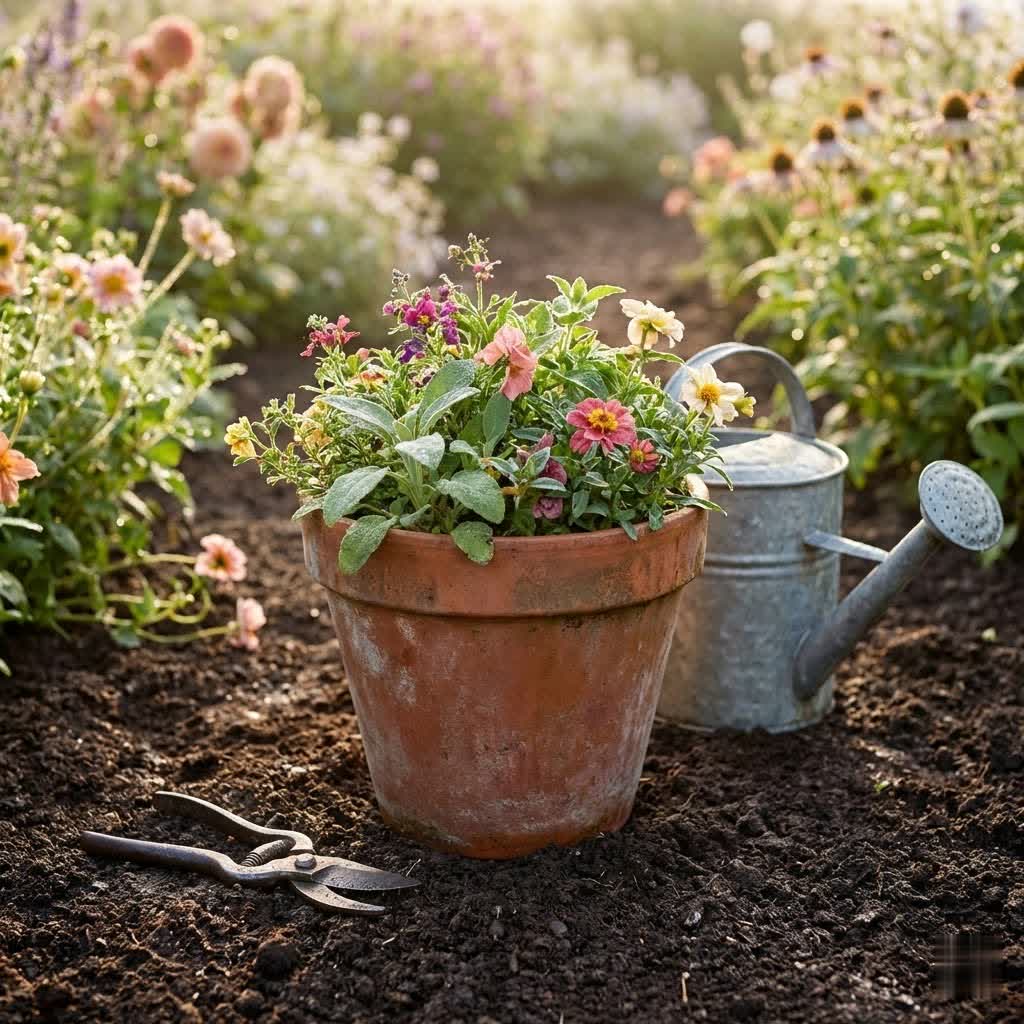
Dreaming of crisp, homegrown cucumbers but limited on garden space? You’re in luck! Growing cucumber plants in pots is not only possible but also incredibly rewarding. With the right approach to container gardening, even a small balcony or patio can become a thriving cucumber patch, yielding fresh, flavorful fruits all summer long. As an experienced technician with a decade in plant care, I’m here to guide you through selecting the perfect pot and nurturing your cucumber plants to their full potential.
Popular Plant Pot Types for Cucumbers
Choosing the right pot is fundamental for a healthy cucumber plant. Cucumbers are vigorous growers and heavy feeders, requiring ample space for their roots and consistent moisture. The material and design of your plant pot can significantly impact their success. For shop curated indoor on this site.
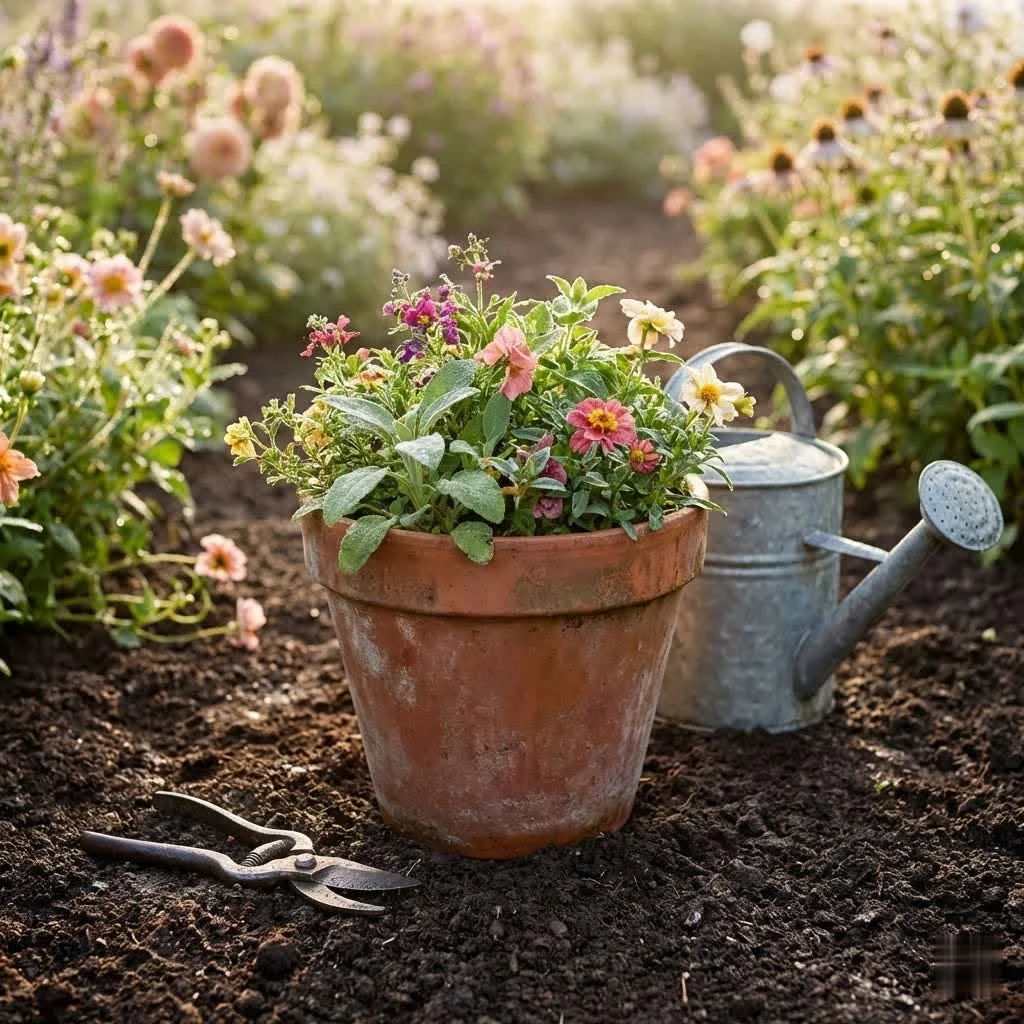
Clay Pots (Terracotta)
Clay pots are classic for their earthy appeal and excellent breathability.
- Pros: Clay’s porous nature allows for good air circulation to the roots and helps prevent waterlogging, which is crucial for cucumbers. They are also heavy and stable, providing good support for vining varieties.
- Cons: These pots dry out quickly, especially in hot or windy conditions, meaning you’ll need to water more frequently. They can also break easily and are heavier to move.
- Care Tips: To mitigate rapid drying, consider larger clay pots and apply a layer of mulch. Ensure they have sufficient drainage holes.
Plastic Pots
Lightweight and affordable, plastic pots are a common choice for container gardening.
- Pros: Plastic retains moisture well, reducing the frequency of watering compared to terracotta. They are durable, lightweight, and come in a vast array of sizes and colors.
- Cons: Poor drainage can be an issue if not enough holes are present, leading to root rot. Darker plastic pots can also heat up quickly in direct sun, potentially harming roots.
- Safe Plastic Types: Look for food-grade plastic or those specifically marked for gardening. Ensure adequate drainage by drilling extra holes if needed.
- Recycling: Many plastic pots are recyclable; check local guidelines.
Glazed Ceramic Pots
These decorative pots offer a blend of aesthetics and functionality.
- Pros: Glazed ceramic pots are beautiful and can be a focal point in your garden. The glaze makes them less porous than terracotta, retaining moisture better. They are also very stable.
- Cons: They tend to be heavier and more expensive. Like plastic, ensure they have sufficient drainage holes to prevent waterlogging. Their weight can make them difficult to move once filled.
Metal Pots
|
Our Picks for the Best Plant Pot in 2026
As an Amazon Associate I earn from qualifying purchases.
|
||
| Num | Product | Action |
|---|---|---|
| 1 | Indoor Self Watering Planters with Drainage Holes and Saucers, 8, 7, 6.5, 6, 5.5, 5 Inches, 6 Pots(Green+Brown |

|
| 2 | Indoor Self Watering Planters with Drainage Holes and Saucers, 8, 7, 6.5, 6, 5.5, 5 Inches, White, 6 Pots |
|
| 3 | Kante 18 Inch Dia Round Concrete Planter, Indoor Outdoor Large Plant Pot with Drainage Hole and Rubber Plug for Home Patio Garden, Weathered Concrete |
|
| 4 | 7 pcs Plant Pots with Drainage Holes and Saucers, Indoor Planters, Set of 7 (7.5, 7, 6.5, 6, 5.5, 4.5, 3.5 Inches), White |
|
| 5 | Indoor Outdoor Plant Pots- Self Watering Planters with Drainage Holes and Saucers, 9,8, 7.5 Inches, 3 Pots (Snow) |
|
| 6 | Kante 18 Inch Diameter Round Concrete Planter, Indoor Outdoor Large Plant Pot with Drainage Hole and Rubber Plug for Home Patio Garden, Buff Concrete |
|
| 7 | Kante 18 Inch Dia Round Concrete Planter, Indoor Outdoor Large Plant Pot with Drainage Hole and Rubber Plug for Home Patio Garden, Charcoal |
|
| 8 | Kante 18 Inch Dia Round Concrete Planter, Indoor Outdoor Large Plant Pot with Drainage Hole and Rubber Plug for Home Patio Garden, Black |
|
| 9 | Indoor Self Watering Planters with Drainage Holes and Saucers, 8, 7, 6.5, 6, 5.5, 5 Inches, Green, 6 Pots. |
|
| 10 | Indoor Self Watering Planters with Drainage Holes and Saucers, 8, 7, 6.5, 6, 5.5, 5 Inches, Black, 6 Pots |
|
Metal containers can add a modern or rustic touch to your space.
- Pros: They are durable and can be visually striking. Some are quite lightweight.
- Cons: Metal heats up very quickly in the sun, which can cook the roots of your cucumber plants. They can also rust over time if not properly treated or made from rust-resistant materials.
- Considerations: Choose lighter colored metal pots or place them in partial shade during the hottest parts of the day. Using an inner liner or adding a thick layer of insulation can help regulate soil temperature. Ensure good drainage.
- Rust Prevention: Opt for galvanized metal or apply a rust-inhibiting coating.
Fabric Grow Bags
Fabric grow bags are an increasingly popular choice for their unique benefits.
- Pros: These breathable pots offer excellent drainage and aeration, preventing root circling and promoting a healthy root system. They are lightweight, flexible, and easy to store when not in use. They also help regulate soil temperature, keeping roots cooler in summer and warmer in cooler weather.
- Cons: Fabric bags can dry out faster than plastic pots, requiring more frequent watering. They may not be as aesthetically pleasing for some gardeners.
- Mechanism: Their porous material allows for “air pruning” of roots, encouraging a denser, healthier root ball.
- Ideal Plants: Cucumbers thrive in grow bags due to the superior aeration and drainage.
Self-Watering Planters
These innovative planters are designed to simplify watering.
- Pros: Self-watering planters have a built-in reservoir that provides a consistent water supply to your plants, reducing the frequency of manual watering. This is particularly beneficial for thirsty cucumbers and can help prevent the stress of inconsistent moisture, which can lead to bitter fruit.
- Cons: While they reduce watering frequency, you still need to monitor the reservoir. Overfilling can still lead to waterlogged conditions if not designed well.
- How They Work: A wicking system draws water from a reservoir into the soil, keeping it consistently moist without overdoing it.
- Best For: Cucumbers are excellent candidates for self-watering pots, especially if you live in a hot climate or tend to forget watering.
Comparing Popular Plant Pot Materials for Cucumbers
When deciding on the ideal container for your potted cucumber plant, understanding the differences between common materials can make all the difference. Here’s a comparative look:
| Feature | Clay (Terracotta) | Plastic | Glazed Ceramic | Metal | Fabric Grow Bag | Self-Watering Planter |
|---|---|---|---|---|---|---|
| Price | Moderate | Low | High | Moderate-High | Low-Moderate | Moderate-High |
| Durability | Fragile | High | Moderate | High | Moderate | High |
| Drainage | Excellent | Variable | Good | Variable | Excellent | Excellent (with reservoir) |
| Moisture Rent. | Low | High | Moderate | Low | Moderate | High |
| Breathability | High | Low | Low | Low | High | Moderate |
| Weight | Heavy | Lightweight | Heavy | Variable | Lightweight | Variable |
| Aesthetics | Natural, classic | Versatile | Decorative | Modern/Rustic | Utilitarian | Functional |
| Temp. Reg. | Good | Poor (dark) | Moderate | Poor (dark) | Excellent | Moderate |
Essential Guidance for Choosing Your Cucumber Plant Pot
Selecting the perfect container for your cucumber plant involves more than just picking a pretty pot. It’s about matching the pot to the plant’s needs, your growing conditions, and your personal style.
Determine Your Needs
Before you even look at pots, consider these factors:
- Cucumber Variety: “Bush” varieties are best for pots as they are more compact. Vining varieties can also be grown but will require a robust trellis.
- Plant Size: Cucumbers are heavy feeders and grow vigorously. Each cucumber plant needs ample space. A pot that is at least 5 gallons (20 quarts), or 12 to 24 inches in diameter and 12 inches deep, is generally recommended per plant. For larger bush varieties or vining types, go even bigger.
- Location: Where will your pot sit? A sunny patio, a balcony, or a small deck? This impacts the pot’s material choice and how much sun it receives (cucumbers need 6-8 hours of direct sunlight daily).
Select the Right Material
As discussed, each material has its pros and cons.
- Prioritize Drainage: Regardless of material, ensure the pot has ample drainage holes at the bottom. Cucumbers hate “wet feet,” and poor drainage leads to root rot. If a pot lacks holes, drill them yourself.
- Consider Moisture Retention: If you live in a hot climate, materials like plastic or glazed ceramic, or self-watering planters, might reduce your watering frequency. In cooler, wetter climates, breathable terracotta or fabric pots can prevent overwatering.
Factor in Design and Color
The look of your pot can enhance your outdoor space.
- Style Harmony: Choose a pot design that complements your existing decor or garden aesthetic.
- Color Impact: Lighter colored pots reflect sunlight and keep the soil cooler, which can be beneficial in hot climates. Darker pots absorb more heat.
Inspect Thoroughly Before Purchase
A quick check can save you future headaches.
- Check for Cracks: Especially with terracotta and ceramic, inspect for any hairline cracks that could worsen with watering and temperature changes.
- Verify Drainage Holes: Confirm there are sufficient drainage holes. If plugs are present, ensure they can be removed.
- Warranty: For more expensive pots, inquire about a warranty, especially if purchasing from a specialized garden center.
Essential Care Tips for Your Potted Cucumber Plant
Once you’ve planted your cucumber in its ideal pot, consistent care is key to a healthy plant and a bountiful harvest.
Watering Your Potted Cucumbers
Cucumbers are thirsty plants, and container-grown plants dry out faster than those in the ground.
- Frequency: Check the soil moisture daily. Water when the top 1-2 inches of soil feel dry to the touch. In hot weather, this might mean watering once or even twice a day.
- Technique: Water deeply and evenly until water drains from the bottom of the pot. Water at the base of the plant to keep foliage dry, reducing the risk of fungal diseases.
- Mulching: Add a 1-2 inch layer of organic mulch (like straw or shredded leaves) on top of the soil to help retain moisture, regulate soil temperature, and suppress weeds.
Fertilizing Your Cucumber Plant
Cucumbers are heavy feeders and will quickly deplete the nutrients in their potting soil.
- Initial Feeding: Use a high-quality potting mix enriched with compost. After the first true leaves appear, you can start with a balanced, slow-release granular fertilizer or a liquid feed.
- Regular Feeding: Once fruits begin to form, switch to a fertilizer with a lower nitrogen (N) content and higher potassium (K) and phosphorus (P) content (e.g., 5-10-10 or 1-1.5-3 NPK ratio). Apply every one to two weeks, following product instructions.
Providing Support and Trellising
Most cucumber varieties are vining plants and will benefit greatly from support.
- Why Trellis? Trellising saves space, improves air circulation around the foliage, keeps fruits clean and off the soil (reducing disease), and makes harvesting easier.
- Options: A small tomato cage, a sturdy stake, a miniature obelisk, or a section of wire fencing can all work. Install the trellis at planting time to avoid disturbing roots later. Gently guide the young vines onto the support as they grow.
Managing Pests and Diseases
Potted plants are still susceptible to common cucumber issues.
- Common Pests: Watch out for aphids, squash bugs, and cucumber beetles.
- Prevention: Regularly inspect plants, especially undersides of leaves. Consider covering young seedlings with row covers.
- Treatment: Hand-pick larger pests, use a strong spray of water to dislodge aphids, or apply organic insecticides like neem oil.
- Common Diseases: Powdery mildew is frequent, especially in humid conditions or with poor air circulation.
- Prevention: Ensure good airflow by proper spacing and trellising. Water at the base of the plant, not on the leaves.
- Treatment: Remove affected leaves. Apply organic fungicides if needed.
Pollination Assistance
Cucumbers produce both male and female flowers. Sometimes, especially in protected environments, natural pollinators might be scarce.
- How to Identify: Male flowers often appear first and have a thin stem. Female flowers have a tiny swollen area (an immature cucumber) at their base.
- Hand Pollination: If fruits aren’t developing, use a small paintbrush or cotton swab to gently collect pollen from a male flower and transfer it to the stigma of a female flower.
Final Thoughts on Growing Cucumbers in Pots
Growing a cucumber plant in a pot is an incredibly rewarding experience, bringing fresh, crispy cucumbers right to your doorstep. By understanding the nuances of pot selection, providing consistent care, and offering proper support, you can enjoy a season full of homegrown goodness. Don’t let limited space deter you from this delightful gardening venture.
Are you ready to enjoy your very own garden-fresh cucumbers this summer?
Frequently Asked Questions
Which cucumber varieties are best for container growing?
Bush varieties such as ‘Spacemaster,’ ‘Bush Slicer,’ ‘Diva,’ and ‘Lemon Cucumber’ are ideal for pots due to their compact growth habit. Vining types can also be grown but require sturdy trellising to support their extensive growth.
How large should a pot be for a cucumber plant?
For each cucumber plant, a pot of at least 5 gallons (20 quarts) is recommended. This translates to a container roughly 12 to 24 inches in diameter and at least 12 inches deep to allow for adequate root development and moisture retention.
Can I use regular garden soil in a pot for cucumbers?
No, it’s generally not recommended to use regular garden soil in pots. Garden soil can become compacted in containers, leading to poor drainage and aeration, which can suffocate cucumber roots. Always opt for a high-quality potting mix that drains well and retains moisture.
How often should I water my potted cucumber plant?
Potted cucumber plants typically need to be watered daily, especially in warm, sunny weather, as containers dry out faster than garden beds. Check the top 1-2 inches of soil; if it’s dry, water thoroughly until it drains from the bottom.
Do I need to fertilize cucumbers grown in pots?
Yes, cucumbers are heavy feeders and will quickly deplete nutrients in potting soil. Begin with a balanced fertilizer after true leaves appear, then switch to a low-nitrogen, high-potassium formula every 1-2 weeks once fruits start to form to support vigorous growth and fruit production.
Get our weekly buyer guide
Practical specs, not advice. Unsubscribe anytime.
