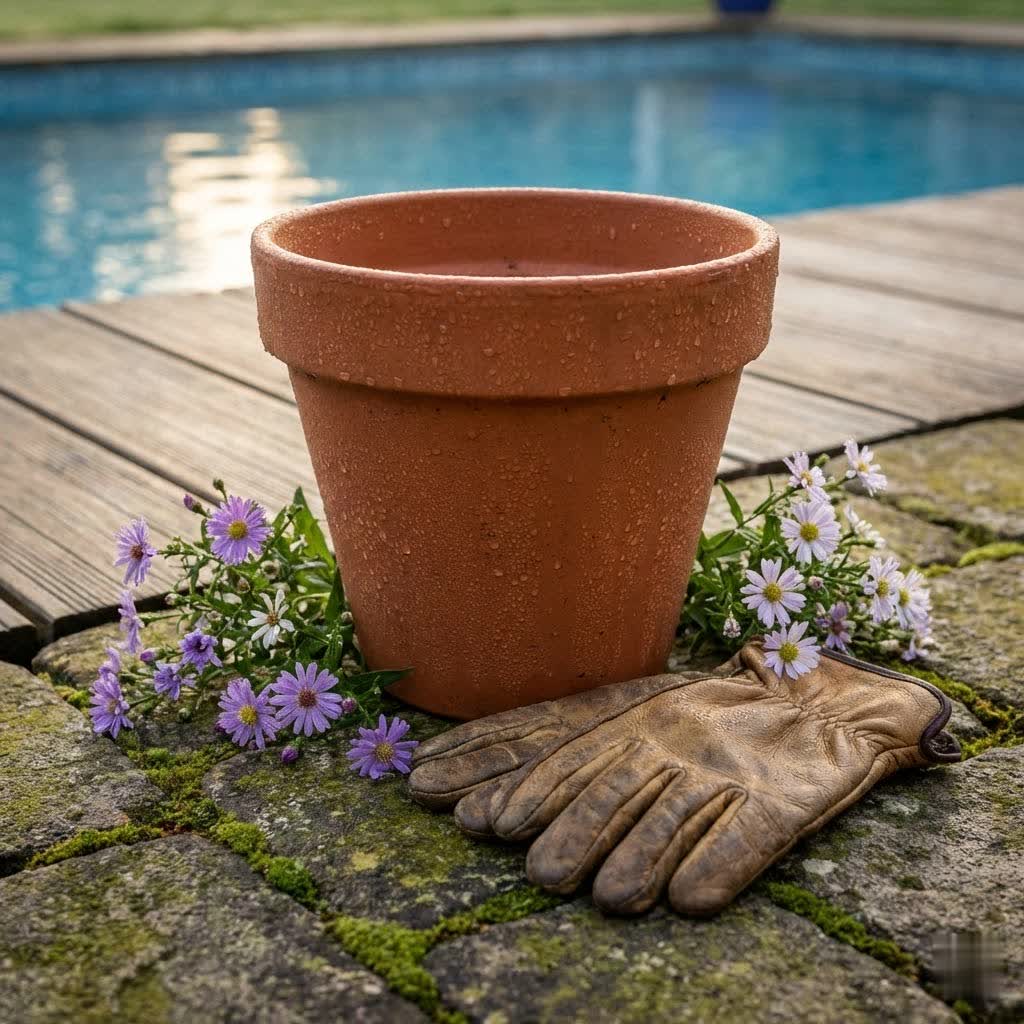
Transforming your living space with vibrant plant life is a joy, but the right accessories can elevate both your plants and your home decor. Plant pot holders, often overlooked, are essential tools that offer much more than just a place to rest your pots. From enhancing air circulation for healthier plants to protecting your precious floors and adding a touch of sophisticated style, selecting the perfect plant pot holder can dramatically impact your indoor and outdoor gardening. This comprehensive guide will explore the diverse world of plant pot holders, helping you make informed choices that benefit both your botanical companions and your aesthetic vision.
Common Types of Plant Pot Holders
Plant pot holders come in a myriad of designs and materials, each offering unique advantages and a distinct aesthetic. Understanding these variations is the first step to finding the ideal match for your plants and space. For best indoor roundups on this site.
Wooden Plant Pot Holders
Wooden plant pot holders, including stands, shelves, and hanging designs, bring a natural warmth and rustic charm to any setting. Made from materials like bamboo, pine, or oak, they blend seamlessly with various decor styles.
- Advantages: Their natural look integrates well with greenery, and wood can offer some insulation for roots against temperature fluctuations.
- Disadvantages: Untreated wood is susceptible to rot, warping, and pest damage, especially in moist or outdoor environments. They often require more maintenance.
- How to Choose: Look for treated or naturally weather-resistant woods for outdoor use. Consider the type of wood for durability and appearance.
- Maintenance Tips: Regular cleaning and applying sealants or stains are crucial to protect wooden holders from moisture and prolong their lifespan.
Metal Plant Pot Holders
Metal plant pot holders, encompassing stands, racks, and wall-mounted options, offer durability and a sleek, modern aesthetic. They are versatile and can be crafted from iron, stainless steel, or aluminum, with various finishes like powder-coated, matte, or glossy.
- Advantages: Metal holders are exceptionally durable, easy to clean, and resistant to pests. Powder-coated versions resist rust and weathering, making them excellent for both indoor and outdoor use. They provide a strong, stable base for heavier pots.
- Disadvantages: Some metals can conduct heat, potentially affecting soil temperature in direct sun. Untreated metal can rust.
- Considerations: Look for rust-resistant coatings, especially for outdoor use. Consider the weight capacity for larger plants.
- Maintenance Tips: Clean with a soft cloth and mild soap. Periodically check for rust and touch up any chips in the coating to prevent further corrosion.
Plastic and Resin Plant Pot Holders
|
Our Picks for the Best Plant Pot in 2026
As an Amazon Associate I earn from qualifying purchases.
|
||
| Num | Product | Action |
|---|---|---|
| 1 | Kante 18 Inch Dia Round Concrete Planter, Indoor Outdoor Large Plant Pot with Drainage Hole and Rubber Plug for Home Patio Garden, Charcoal |

|
| 2 | Indoor Outdoor Plant Pots- Self Watering Planters with Drainage Holes and Saucers, 9,8, 7.5 Inches, 3 Pots (Snow) |
|
| 3 | Kante 18 Inch Dia Round Concrete Planter, Indoor Outdoor Large Plant Pot with Drainage Hole and Rubber Plug for Home Patio Garden, Black |
|
| 4 | Kante 18 Inch Diameter Round Concrete Planter, Indoor Outdoor Large Plant Pot with Drainage Hole and Rubber Plug for Home Patio Garden, Buff Concrete |
|
| 5 | Indoor Self Watering Planters with Drainage Holes and Saucers, 8, 7, 6.5, 6, 5.5, 5 Inches, White, 6 Pots |
|
| 6 | 7 pcs Plant Pots with Drainage Holes and Saucers, Indoor Planters, Set of 7 (7.5, 7, 6.5, 6, 5.5, 4.5, 3.5 Inches), White |
|
| 7 | Indoor Self Watering Planters with Drainage Holes and Saucers, 8, 7, 6.5, 6, 5.5, 5 Inches, 6 Pots(Green+Brown |
|
| 8 | Kante 18 Inch Dia Round Concrete Planter, Indoor Outdoor Large Plant Pot with Drainage Hole and Rubber Plug for Home Patio Garden, Weathered Concrete |
|
| 9 | Indoor Self Watering Planters with Drainage Holes and Saucers, 8, 7, 6.5, 6, 5.5, 5 Inches, Black, 6 Pots |
|
| 10 | Indoor Self Watering Planters with Drainage Holes and Saucers, 8, 7, 6.5, 6, 5.5, 5 Inches, Green, 6 Pots. |
|
Lightweight and versatile, plastic and resin plant pot holders include decorative sleeves, saucers, and various stand designs. Resin, a high-quality composite, offers superior durability compared to cheaper plastics.
- Advantages: These holders are often cost-effective, highly weather-resistant, and come in an extensive range of colors and designs, often mimicking other materials like terracotta or stone without the weight. They are generally lightweight and easy to move.
- Disadvantages: Lower-quality plastics can become brittle, fade, or crack over time, especially with prolonged sun exposure. Very light holders might be less stable in windy conditions.
- Safe Options: Look for durable, UV-resistant resin or polypropylene plastics for longevity and color stability.
- Recycling Tips: Consider holders made from recycled materials, and ensure proper disposal or recycling at the end of their life.
Natural Fiber Plant Pot Holders
Natural fiber holders, such as macrame hangers, woven rattan stands, or jute baskets, add a bohemian, earthy, or minimalist touch to interior spaces.
- Advantages: They are lightweight, provide a unique textural element, and contribute to a relaxed, natural decor.
- Disadvantages: Generally less durable and more susceptible to moisture damage than other materials, making them best suited for indoor use or covered outdoor areas. They can be harder to clean.
- Care Tips: Primarily for indoor use. Avoid prolonged exposure to direct sunlight or moisture to prevent degradation. Spot clean gently.
Ceramic and Stone Pot Risers
While not full “holders,” ceramic and stone risers or small feet are designed to subtly elevate pots, primarily for drainage and surface protection.
- Advantages: Offer classic elegance and exceptional stability. They are naturally heavy, providing a sturdy base, and can be highly decorative.
- Disadvantages: Very heavy and often expensive. They are prone to cracking in freeze-thaw cycles if not specifically designed to be frost-proof, and can break if dropped.
- Usage: Ideal for providing essential air circulation beneath pots and protecting surfaces from water rings.
Comparison Table: Choosing Your Ideal Plant Pot Holder
Understanding the trade-offs between different materials can guide your decision. Here’s a comparison to help you weigh your options:
| Feature | Wooden Holders | Metal Holders | Plastic/Resin Holders | Natural Fiber Holders | Ceramic/Stone Risers |
|---|---|---|---|---|---|
| Durability | Moderate (with proper treatment) | High | Moderate to High (quality dependent) | Low to Moderate | High (but brittle) |
| Aesthetic | Natural, rustic, warm | Modern, industrial, sleek | Versatile, mimics other materials | Bohemian, earthy, minimalist | Classic, elegant |
| Weather Resistance | Low (requires treatment/sealing) | High (if powder-coated/rust-proof) | High (especially UV-resistant resin) | Low (best for indoors) | Moderate (can crack in cold) |
| Weight | Moderate | Moderate to Heavy | Light | Light | Heavy |
| Maintenance | Regular sealing, cleaning | Occasional cleaning, rust checks | Low, easy to clean | Gentle cleaning, indoor only | Low, but prone to chips |
| Indoor/Outdoor | Both (treated for outdoor) | Both | Both | Primarily Indoor | Both |
Guide to Selecting the Perfect Plant Pot Holders
Choosing the right plant pot holder involves more than just aesthetics; it’s about creating an optimal environment for your plants while complementing your home.
Identify Your Needs
Start by considering the specifics of your plant and its environment.
- Plant Type and Size: Heavier, larger plants require sturdy holders with a wide base, like metal or robust wooden stands. Delicate plants might suit hanging planters or lighter stands.
- Location: For outdoor use, prioritize weather-resistant and durable materials. Indoors, consider how the holder fits with your existing decor and if it needs to protect delicate surfaces. Plant holders also allow you to bring plants closer to natural light sources, which is crucial for their growth.
- Aesthetic and Space: Do you need to maximize vertical space with tiered stands or hanging planters? Does your style lean towards modern minimalism, rustic charm, or vibrant bohemian?
Choose the Right Material
Your material choice should align with the durability and maintenance needs dictated by your plant’s environment. Metal and high-quality resin are excellent for outdoor settings due to their weather resistance. Wood needs treatment for outdoor use, while natural fibers are best kept indoors.
Prioritize Functionality
Beyond looks, functionality is key for plant health and home protection.
- Drainage and Air Circulation: Elevating pots off the ground, whether with a full stand or simple risers, dramatically improves air circulation around the pot. This prevents waterlogging, reduces the risk of root rot, and deters pests that thrive in damp conditions.
- Surface Protection: Plant pot holders act as a critical barrier, preventing unsightly water rings, soil stains, and moisture damage on your floors, decks, or furniture.
Examine Quality and Design
Always inspect the quality before purchasing. Ensure the holder is stable, has a robust construction, and lacks sharp edges that could harm your plants or yourself. For stands, check that the base is wide enough to prevent tipping.
“A plant pot holder isn’t just a functional item; it’s an extension of your plant’s ecosystem and your personal style. By selecting a holder that matches both your plant’s needs for optimal growth and your home’s aesthetic, you create a harmonious environment where everything thrives.” – Alice Chen, Admin of ReviewMacy.com & Plant Care Expert
Essential Care Tips for Plant Pot Holders
Proper care for your plant pot holders ensures their longevity and maintains their aesthetic appeal.
Regular Cleaning
Dust, soil, and water can accumulate on holders. Clean them regularly with a damp cloth and mild soap to prevent buildup and maintain their appearance. For metal, avoid abrasive cleaners that can damage coatings.
Preventing Damage
- For Wood: Reapply sealants or paint as needed, especially for outdoor holders, to prevent moisture absorption and rot.
- For Metal: Keep an eye out for any signs of rust. For minor spots, sand lightly and apply a rust-inhibiting primer and paint. Ensure any protective coatings remain intact.
- For All Materials: Always use a saucer beneath pots, especially indoors or on delicate surfaces, even if the holder provides some elevation. This creates an extra layer of protection against drips and spills.
Proper Placement
Consider where your holder is placed. Direct, intense sunlight can fade some materials like plastic or certain wood finishes. Ensure the holder is on a stable, level surface to prevent tipping, particularly for taller stands or heavy pots.
Conclusion
Plant pot holders are indispensable accessories for any plant enthusiast, merging practicality with aesthetic enhancement. They safeguard your surfaces, boost your plants’ health by optimizing air circulation and light exposure, and serve as stylish decor elements that personalize your space. By carefully considering the material, design, and specific needs of your plants and environment, you can choose the perfect holders that not only support your greenery but also elevate your home’s ambiance. Make a smart choice, and watch your plants flourish in style.
What kind of plant pot holder will you choose to transform your green sanctuary?
Frequently Asked Questions
Why should I use a plant pot holder?
Plant pot holders offer numerous benefits, including elevating your plants for better visibility and aesthetic appeal, improving air circulation around pots to prevent root rot and pests, and protecting your floors and furniture from water damage and soil spills.
Are plant pot holders good for plant health?
Yes, absolutely. By elevating pots, holders enhance air circulation around the base, which is crucial for preventing fungal diseases like root rot and discouraging pests. They can also help position plants to receive optimal light, contributing to healthier growth.
What is the most durable material for outdoor plant pot holders?
For outdoor plant pot holders, metal (especially powder-coated steel or aluminum) and high-quality resin are generally the most durable choices due to their resistance to rust, UV, and various weather conditions. Treated wood can also be durable with regular maintenance.
Can plant pot holders prevent water stains?
Yes, one of their key functions is to prevent water stains. By lifting the pot off the ground or surface, they create a barrier. Using a saucer in conjunction with a holder provides maximum protection against water rings and soil runoff.
How do I choose the right size plant pot holder?
To choose the right size, measure the diameter of your plant pot at its widest point. The holder should be slightly larger than the pot’s base to ensure stability and proper fit, but not so large that the pot looks lost within it. Consider the plant’s mature size and weight as well.
Get our weekly buyer guide
Practical specs, not advice. Unsubscribe anytime.
