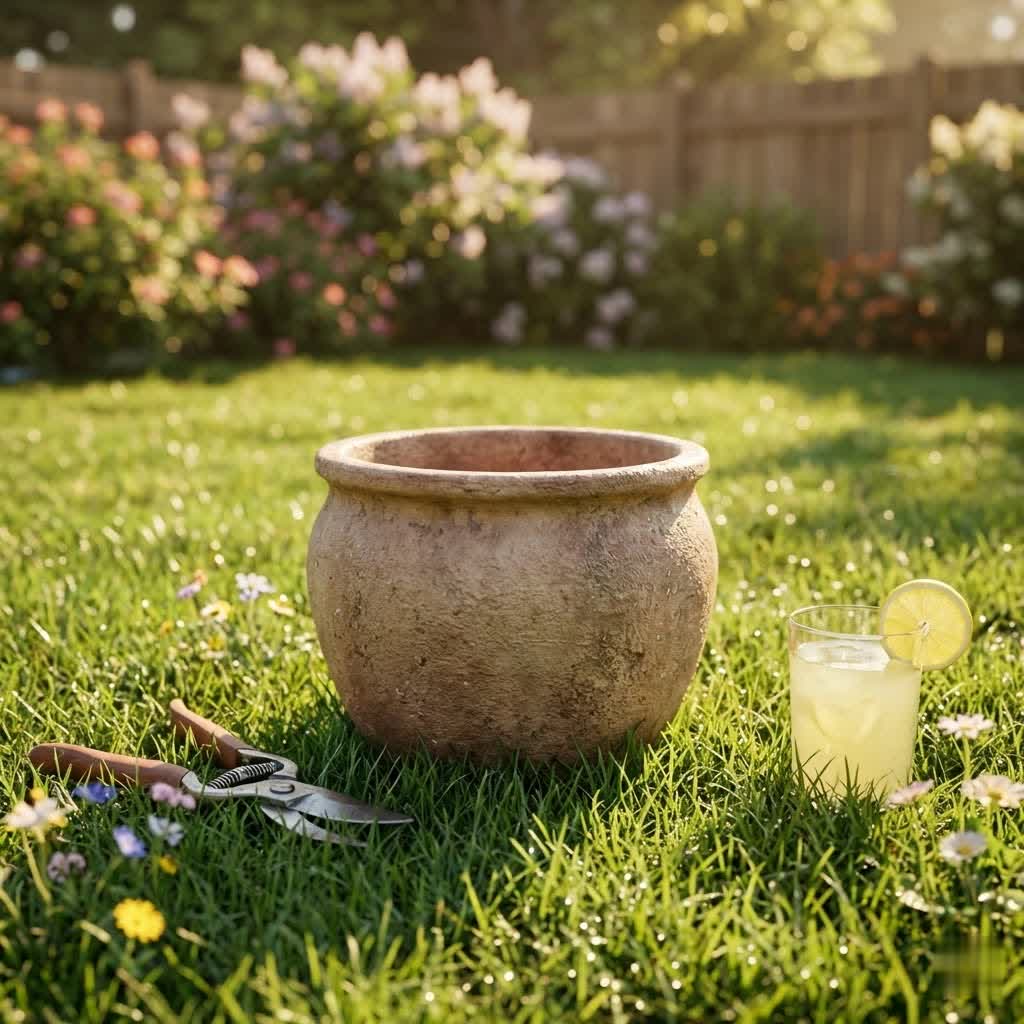
Stepping into the world of indoor gardening or enhancing your outdoor living space often brings you to a fundamental choice: the plant pot. Among the myriad of shapes and styles, the round plant pot stands out, a classic choice cherished by gardeners for centuries. But beyond its timeless appeal, what makes a round plant pot an exceptional home for your beloved plants? As an experienced technician with a decade dedicated to understanding plant care and containers, I’m here to guide you through the multifaceted benefits and considerations when choosing the perfect round plant pot. From optimizing plant health to elevating your home décor, these curved containers offer a blend of function and beauty that is hard to match.
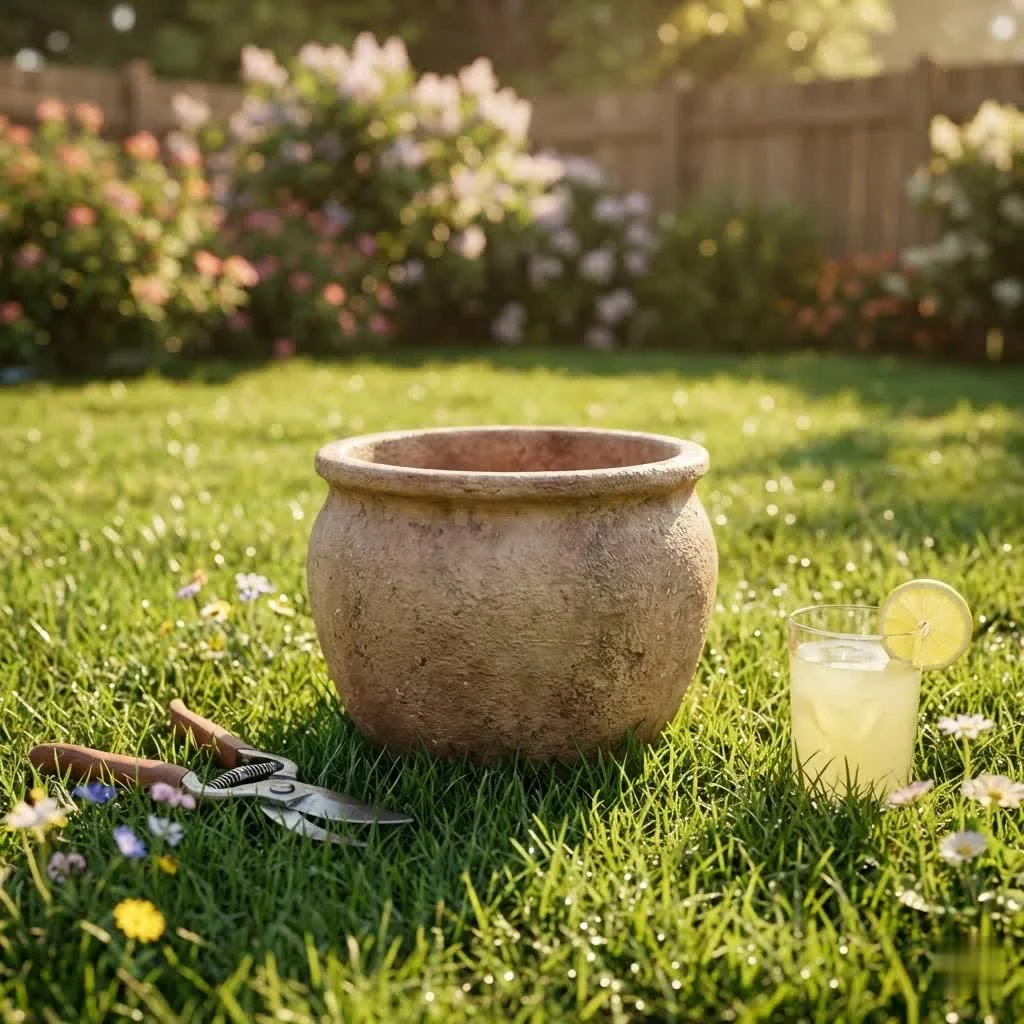
Popular Types of Round Plant Pots
Round plant pots are available in a diverse array of materials, each offering unique characteristics that influence plant health, aesthetic appeal, and maintenance requirements. Understanding these differences is key to making an informed choice for your green companions. For shop curated indoor on this site.
Round Ceramic Plant Pots
Ceramic pots, often glazed, are celebrated for their vibrant colors and smooth finishes, adding a sophisticated touch to any setting. These pots are typically less porous than terracotta, meaning they retain moisture longer.
- Pros: Visually striking, available in countless designs and colors, durable, good for plants that prefer consistently moist soil.
- Cons: Can be heavy, especially in larger sizes, susceptible to cracking in freezing temperatures if unglazed or improperly fired, and glazed versions can lead to overwatering if drainage isn’t perfect.
- How to Choose: Look for well-fired ceramic with a sturdy base. Ensure there’s at least one drainage hole. For outdoor use in colder climates, opt for frost-proof varieties.
- Care Tips: Clean with warm soapy water and a soft brush to prevent mineral buildup and keep the glaze shining.
Round Plastic Plant Pots
Plastic round pots are a ubiquitous choice, prized for their affordability, lightweight nature, and versatility. Modern plastic pots come in designs that mimic more expensive materials.
- Pros: Lightweight and easy to move, highly durable, cost-effective, excellent at retaining soil moisture, often made from recycled materials.
- Cons: Can degrade over time with UV exposure, less breathable than porous materials, and some cheaper plastics may lack aesthetic appeal.
- Safe Plastic Types: Look for polypropylene (PP) plastics, often marked with a #5 recycling symbol, as they are generally considered safer and more durable for plants.
- Recycling Tips: Many municipalities accept plastic pots for recycling, especially those made from #5 plastic. Always clean them thoroughly before recycling.
Round Terracotta Plant Pots
|
Our Picks for the Best Plant Pot in 2026
As an Amazon Associate I earn from qualifying purchases.
|
||
| Num | Product | Action |
|---|---|---|
| 1 | Indoor Self Watering Planters with Drainage Holes and Saucers, 8, 7, 6.5, 6, 5.5, 5 Inches, White, 6 Pots |

|
| 2 | Indoor Self Watering Planters with Drainage Holes and Saucers, 8, 7, 6.5, 6, 5.5, 5 Inches, 6 Pots(Green+Brown |
|
| 3 | Indoor Outdoor Plant Pots- Self Watering Planters with Drainage Holes and Saucers, 9,8, 7.5 Inches, 3 Pots (Snow) |
|
| 4 | 7 pcs Plant Pots with Drainage Holes and Saucers, Indoor Planters, Set of 7 (7.5, 7, 6.5, 6, 5.5, 4.5, 3.5 Inches), White |
|
| 5 | Kante 18 Inch Dia Round Concrete Planter, Indoor Outdoor Large Plant Pot with Drainage Hole and Rubber Plug for Home Patio Garden, Charcoal |
|
| 6 | Indoor Self Watering Planters with Drainage Holes and Saucers, 8, 7, 6.5, 6, 5.5, 5 Inches, Green, 6 Pots. |
|
| 7 | Kante 18 Inch Dia Round Concrete Planter, Indoor Outdoor Large Plant Pot with Drainage Hole and Rubber Plug for Home Patio Garden, Weathered Concrete |
|
| 8 | Kante 18 Inch Dia Round Concrete Planter, Indoor Outdoor Large Plant Pot with Drainage Hole and Rubber Plug for Home Patio Garden, Black |
|
| 9 | Indoor Self Watering Planters with Drainage Holes and Saucers, 8, 7, 6.5, 6, 5.5, 5 Inches, Black, 6 Pots |
|
| 10 | Kante 18 Inch Diameter Round Concrete Planter, Indoor Outdoor Large Plant Pot with Drainage Hole and Rubber Plug for Home Patio Garden, Buff Concrete |
|
Terracotta, or baked clay, pots embody a rustic charm and are a traditional choice for many gardeners. Their porous nature is a defining characteristic, offering unique benefits for plant health.
- Pros: Excellent breathability promotes healthy root systems, aids in preventing overwatering by allowing excess moisture to evaporate, and provides a classic, earthy aesthetic.
- Cons: Dries out soil quickly, requiring more frequent watering, brittle and prone to breaking if dropped, and can show salt buildup over time.
- Distinguishing Quality: High-quality terracotta is usually heavier and has a finer, more consistent texture. Premium varieties are often denser and less prone to efflorescence (salt deposits).
- Pre-use Treatment: Soak new terracotta pots in water for several hours or overnight before planting. This prevents the pot from wicking moisture directly from the fresh potting mix, allowing plants to establish better.
Round Metal Plant Pots
Metal plant pots offer a contemporary or industrial edge to your décor, with materials like galvanized steel, copper, or aluminum providing distinct looks. They are known for their strength and longevity.
- Pros: Extremely durable, adds a modern or industrial aesthetic, lightweight options (aluminum) are available, and some metals develop an attractive patina over time (e.g., copper).
- Cons: Conducts heat readily, potentially stressing roots in direct sun, susceptible to rust if not properly treated, and often lack drainage holes, requiring careful planning.
- Usage Notes: Use liners to protect roots from extreme temperature fluctuations. Ensure adequate drainage is provided, either by drilling holes or using a layer of pebbles and an inner pot.
- Rust Prevention: Choose galvanized or powder-coated metal pots. For untreated metal, apply a rust-inhibiting sealant periodically.
Round Self-Watering Plant Pots
Self-watering pots are ingeniously designed to simplify plant care by providing a water reservoir, reducing the frequency of manual watering. They are a boon for busy gardeners.
- How They Work: A wick or capillary action draws water from a reservoir at the bottom up into the soil, keeping it consistently moist.
- Pros: Reduces watering frequency, prevents both over and under-watering, promotes consistent moisture for optimal plant growth, and helps maintain plant health while you’re away.
- Cons: Can encourage root rot in plants that prefer dry conditions if not chosen carefully, requires occasional flushing to prevent salt buildup, and some designs can be bulky.
- Suitable Plants: Ideal for moisture-loving plants like ferns, peace lilies, and many herbs and vegetables. Avoid for succulents or cacti which prefer dry spells.
Comparison Table of Popular Round Plant Pot Materials
| Feature | Ceramic (Glazed) | Plastic (Polypropylene) | Terracotta (Unglazed) | Metal (Galvanized Steel) | Self-Watering (Plastic) |
|---|---|---|---|---|---|
| Price | Moderate to High | Low to Moderate | Low to Moderate | Moderate to High | Moderate |
| Durability | Good (can chip/crack) | Very Good | Moderate (brittle) | Excellent | Very Good |
| Drainage | Requires holes, retains moisture | Requires holes, retains moisture | Excellent (porous) | Often requires drilling/liner | Built-in reservoir, slow release |
| Breathability | Low | Low | High | Low | Low |
| Weight | Heavy | Lightweight | Moderate (heavy when wet) | Moderate to Heavy | Moderate |
| Aesthetics | Elegant, colorful, modern | Versatile, various finishes | Classic, rustic, earthy | Modern, industrial, sleek | Practical, modern |
| Heat Retention | Moderate | Moderate (dark colors absorb more) | Low (evaporative cooling) | High (can heat roots) | Moderate |
Guide to Choosing Your Round Plant Pot
Selecting the ideal round plant pot involves more than just picking a pretty container. It’s about matching the pot to your plant’s needs, your living space, and your gardening style.
Determine Your Needs
Before falling in love with a pot, consider the practical aspects of your plant and its environment.
- Plant Type and Size: Different plants have varying root systems and growth rates. A small succulent won’t thrive in a huge pot, nor will a large fiddle-leaf fig be happy in a tiny one. Round pots are particularly good for plants with a central root ball or those that appreciate even root distribution.
- Current Plant Size: A good rule of thumb is to choose a pot that is 1-2 inches larger in diameter than the current grow pot for smaller plants (under 10 inches), and 2-3 inches larger for bigger plants (over 10 inches). This provides room for growth without excessive soil that could lead to waterlogging.
- Placement: Will the pot be indoors or outdoors? In direct sunlight or shade? Consider the weight, insulation properties, and weather resistance of the material.
Select the Right Material
The material of your round plant pot significantly impacts plant health and care.
- Safety and Durability: Prioritize materials that are non-toxic and built to last. For outdoors, consider weather-resistant options like fiberglass, high-quality plastic, or concrete.
- Drainage and Moisture Retention: Plants like succulents and cacti prefer quick-drying soil, making porous terracotta an excellent choice. Moisture-loving plants, on the other hand, benefit from less porous options like glazed ceramic or plastic. Round pots, by their nature, allow for even water absorption throughout the soil, reducing the risk of dry spots or overwatering in corners.
Consider Design and Color
Beyond functionality, the aesthetic appeal of your round plant pot plays a crucial role in enhancing your space.
- Style Harmony: Choose a pot that complements your interior décor or garden aesthetic. A sleek, modern ceramic pot might suit a contemporary living room, while a rustic terracotta pot enhances a traditional patio. Round shapes create a sense of flow and softness, which can make spaces feel more inviting and less rigid.
- Color Palette: Select colors that harmonize with your plants and surroundings. Neutral tones allow the plant to be the focal point, while vibrant colors can add a pop of personality.
Thorough Inspection Before Purchase
A quick check can save you future headaches and ensure you’re getting a quality product.
- Cracks and Imperfections: Always inspect the pot for any visible cracks, chips, or manufacturing defects, especially with ceramic or terracotta.
- Drainage Holes: Ensure there are adequate drainage holes. If not, be prepared to drill them yourself or use a liner system. Proper drainage is essential for almost all plants to prevent root rot.
- Warranty: For higher-priced or specialized pots, inquire about a warranty, especially for outdoor use where weather resistance is critical.
Tips for Caring for Your Round Plant Pots
Proper care extends beyond the plant itself to the container it lives in. Maintaining your round plant pots will ensure their longevity and contribute to a healthier environment for your plants.
Cleaning Your Plant Pots
Regular cleaning prevents disease and keeps your pots looking their best.
- Routine Cleaning: Wipe down the exterior of your pots regularly to remove dust and dirt. For porous pots like terracotta, a stiff brush can help remove mineral buildup.
- Safe Cleaning Agents: Use a solution of warm water and mild dish soap. For stubborn mineral stains, a diluted vinegar solution can be effective. Always rinse thoroughly to remove any residue.
Repotting and Soil Management
Understanding when and how to refresh your plant’s environment is vital for its continued growth.
- When to Repot: Plants typically need repotting when they become root-bound (roots are circling the pot and emerging from drainage holes), when growth slows significantly, or when the soil appears depleted. For fast-growing plants, this might be annually; for slower growers, every 2-3 years.
- Choosing the Right Soil: Always use high-quality, well-draining potting mix specifically formulated for container plants. Avoid using garden soil, as it can compact and lead to drainage issues in pots.
- Repotting Process: Gently remove the plant, loosen any circling roots, add fresh soil to the new pot (following the 1-2 or 2-3 inch rule for size increase), place the plant, and fill with more soil, leaving about an inch of space from the rim for watering.
Fertilizing Potted Plants
Container plants rely entirely on you for nutrients, as the soil nutrients can deplete faster than in garden beds.
- Appropriate Fertilizers: Use a balanced, slow-release granular fertilizer or a liquid fertilizer according to the plant’s specific needs. For flowering plants, a higher phosphorus (middle number) fertilizer can encourage blooms.
- Dosage and Frequency: Follow the product instructions carefully to avoid over-fertilizing, which can burn roots. Generally, fertilize during the growing season (spring and summer) and reduce or stop during dormancy. Container plants often need more frequent fertilization than in-ground plants.
“Round plant pots are more than just aesthetically pleasing; their circular geometry inherently supports healthier root development and more even moisture distribution, proving that form and function can beautifully intertwine in your garden.” – Dr. Eleanor Vance, Horticultural Design Specialist
Conclusion
Choosing the right round plant pot is an essential decision that impacts both the vitality of your plants and the beauty of your living spaces. From the breathability of terracotta to the sleekness of glazed ceramic or the modern resilience of plastic and metal, each material offers distinct advantages for different plants and environments. By considering factors like size, material, and aesthetic, and by following good care practices, you can ensure your plants thrive in their circular homes. Embrace the timeless appeal and practical benefits of round plant pots to create lush, vibrant displays that truly flourish. What kind of round plant pot will you choose to transform your green sanctuary next?
Frequently Asked Questions
What are the main benefits of using round plant pots?
Round plant pots offer several key advantages, including promoting even water distribution and airflow, which helps prevent root crowding and rot. Their curved shape also contributes to a softer aesthetic, making them versatile for various indoor and outdoor design schemes.
How do I choose the correct size round pot for my plant?
As a general guideline, select a round pot that is 1-2 inches larger in diameter than your plant’s current pot if it’s 10 inches or smaller. For larger plants, a 2-3 inch increase is often suitable. This provides ample room for root growth without excess soil that can lead to moisture issues.
Do round plant pots always need drainage holes?
Yes, most plants require drainage holes to prevent waterlogging and root rot. While some decorative round pots may lack them, it’s highly recommended to use an inner nursery pot with drainage or to drill holes if the material allows, to ensure optimal plant health.
Can round plastic pots be used outdoors?
Absolutely. Many round plastic pots are designed for outdoor use, often featuring UV-resistant materials that prevent fading and cracking. They are lightweight, durable, and an economical choice for patios, balconies, and garden spaces.
What is the best material for a round plant pot?
The “best” material depends on your plant’s specific needs and your environment. Porous materials like terracotta are excellent for plants that prefer drier conditions, while less porous options like glazed ceramic or plastic suit moisture-loving plants. Each material offers unique aesthetic and functional properties.
Get our weekly buyer guide
Practical specs, not advice. Unsubscribe anytime.
