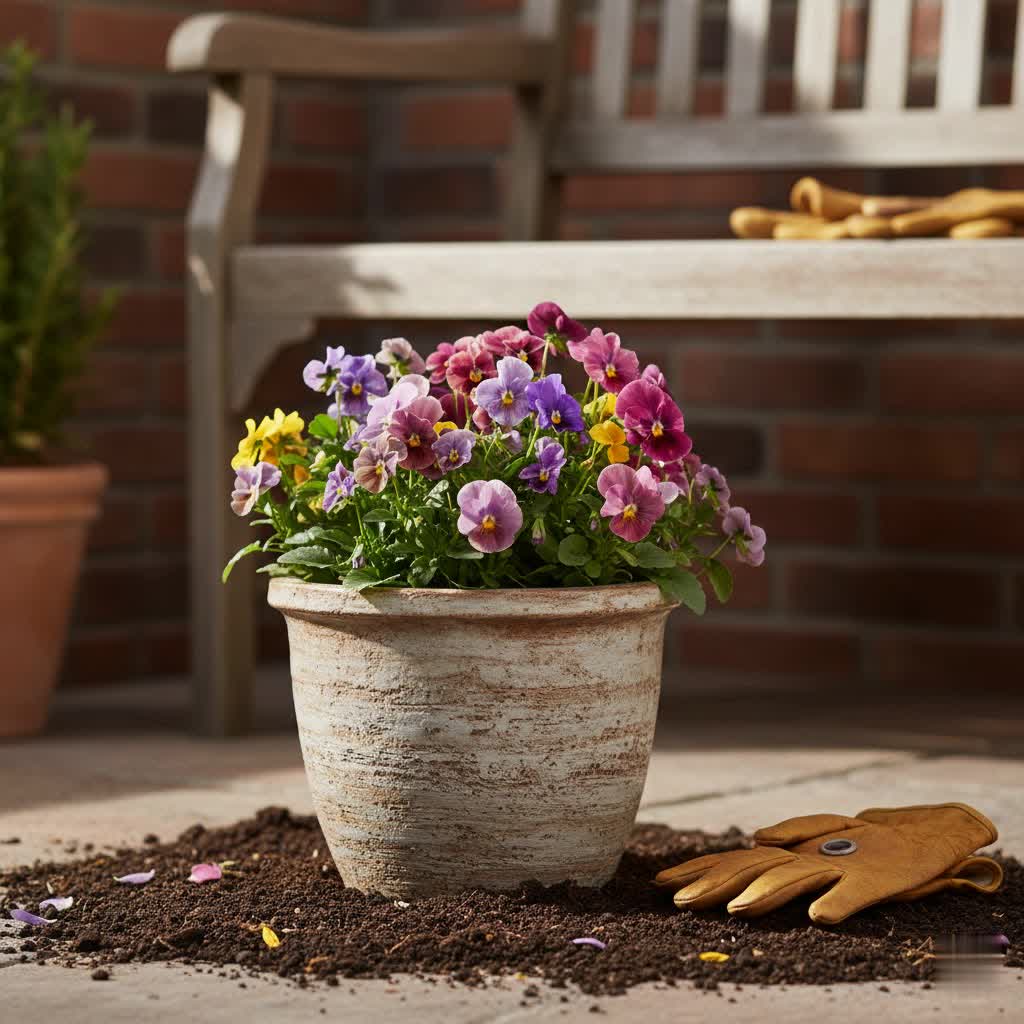
Are you looking to expand your garden, cultivate a small fruit tree, or simply give your favorite plant the room it needs to flourish? The 10 gallon plant pot could be your ideal solution, offering generous space for root development without demanding an entire garden bed. This versatile container size is a sweet spot for many gardeners, providing enough volume for substantial growth while remaining manageable for patios, balconies, and indoor spaces. Understanding the nuances of a 10 gallon plant pot – from its true dimensions to the best materials and suitable plant choices – is key to a thriving container garden.
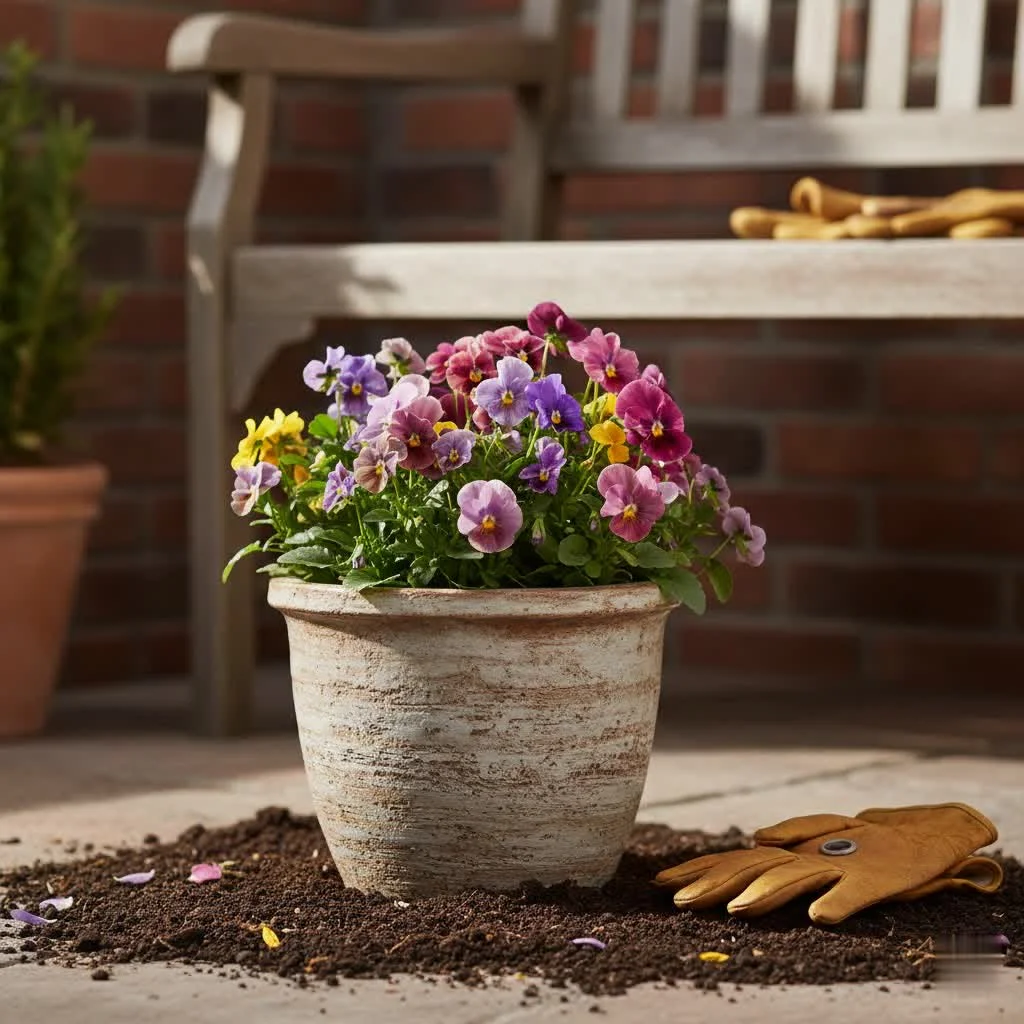
Often, when you see a “10 gallon” nursery pot, it refers to a “trade gallon,” which is roughly 0.71 U.S. liquid gallons. This means a standard 10 gallon nursery pot typically holds about 7.1 U.S. liquid gallons or approximately 1.33 cubic feet (38 liters) of soil. Common dimensions for such a pot are around 15 to 17 inches in height and 17 inches in top diameter, tapering to about 13 inches at the base. This substantial size provides ample room for a variety of plants to establish strong root systems, leading to healthier and more productive growth.
Popular Types of 10 Gallon Plant Pots
Choosing the right material for your 10 gallon plant pot is crucial for the health of your plants and the aesthetic appeal of your space. Each type comes with its own set of advantages and disadvantages.
Ceramic Plant Pots
Ceramic pots, whether glazed or unglazed, bring a touch of elegance to any garden. Unglazed ceramic, like terracotta, is porous, allowing for excellent airflow and drainage. This breathability is beneficial for plants that prefer drier soil conditions, as it helps prevent root rot. Glazed ceramic pots, on the other hand, are non-porous and retain moisture more effectively, making them suitable for plants that need consistently moist soil.
- Pros: Wide array of styles, colors, and designs; unglazed options offer superior airflow; glazed options retain moisture well.
- Cons: Often heavy, especially in larger sizes, making them difficult to move; prone to cracking in freezing temperatures; can absorb and retain heat, potentially warming the soil too much in direct sun; glazed interiors may contain heavy metals, so check for food-safe options if growing edibles.
- Choosing Ceramic: Consider the plant’s moisture needs. For plants that like to dry out between waterings, unglazed is excellent. For moisture-loving plants, a glazed ceramic pot works well. Always ensure adequate drainage holes.
- Care Tips: Clean regularly with a brush and mild soap to prevent mineral buildup and algae. Store indoors in cold climates to prevent cracking.
Plastic Plant Pots
|
Our Picks for the Best Plant Pot in 2026
As an Amazon Associate I earn from qualifying purchases.
|
||
| Num | Product | Action |
|---|---|---|
| 1 | Indoor Self Watering Planters with Drainage Holes and Saucers, 8, 7, 6.5, 6, 5.5, 5 Inches, Black, 6 Pots |

|
| 2 | Indoor Self Watering Planters with Drainage Holes and Saucers, 8, 7, 6.5, 6, 5.5, 5 Inches, Green, 6 Pots. |
|
| 3 | Kante 18 Inch Dia Round Concrete Planter, Indoor Outdoor Large Plant Pot with Drainage Hole and Rubber Plug for Home Patio Garden, Weathered Concrete |
|
| 4 | Indoor Self Watering Planters with Drainage Holes and Saucers, 8, 7, 6.5, 6, 5.5, 5 Inches, 6 Pots(Green+Brown |
|
| 5 | Kante 18 Inch Diameter Round Concrete Planter, Indoor Outdoor Large Plant Pot with Drainage Hole and Rubber Plug for Home Patio Garden, Buff Concrete |
|
| 6 | Indoor Outdoor Plant Pots- Self Watering Planters with Drainage Holes and Saucers, 9,8, 7.5 Inches, 3 Pots (Snow) |
|
| 7 | Kante 18 Inch Dia Round Concrete Planter, Indoor Outdoor Large Plant Pot with Drainage Hole and Rubber Plug for Home Patio Garden, Charcoal |
|
| 8 | Kante 18 Inch Dia Round Concrete Planter, Indoor Outdoor Large Plant Pot with Drainage Hole and Rubber Plug for Home Patio Garden, Black |
|
| 9 | 7 pcs Plant Pots with Drainage Holes and Saucers, Indoor Planters, Set of 7 (7.5, 7, 6.5, 6, 5.5, 4.5, 3.5 Inches), White |
|
| 10 | Indoor Self Watering Planters with Drainage Holes and Saucers, 8, 7, 6.5, 6, 5.5, 5 Inches, White, 6 Pots |
|
Plastic 10 gallon plant pots are a ubiquitous choice due to their practicality and affordability. Made from materials like polyethylene or polypropylene, they are lightweight and easy to handle, making them a good option for gardeners who frequently rearrange their plants.
- Pros: Inexpensive, lightweight, durable, easy to move, available in many colors and styles, excellent moisture retention. High-density polyethylene (HDPE) varieties are more resistant to cracking in cold weather.
- Cons: Can degrade over time with prolonged UV exposure unless stabilized; may become brittle; darker colors can absorb excessive heat, potentially “frying” roots outdoors; prone to tipping in windy conditions if not weighted; some plastics may leach microplastics or BPA, a concern for edible plants.
- Safe Plastic Choices: Look for pots made from virgin plastic or those labeled as food-grade. Avoid plastics with recycling codes #3 (PVC), #6 (PS), and #7 (Other) if growing edibles, opting instead for #2 (HDPE), #4 (LDPE), or #5 (PP).
- Recycling Tips: Many garden centers now offer recycling programs for old plastic pots. Clean them thoroughly before recycling to remove soil and plant debris.
Terracotta Plant Pots
Terracotta pots, crafted from unglazed clay, are renowned for their classic, earthy aesthetic and excellent breathability. The porous nature of terracotta allows air and moisture to pass through the pot walls, which can be a huge benefit for root health.
- Pros: Excellent aeration and drainage, ideal for plants susceptible to root rot; natural, rustic look; widely available and affordable.
- Cons: Dries out quickly, requiring more frequent watering; heavy and breakable; susceptible to cracking in freezing temperatures; can develop a white, crusty mineral salt buildup on the exterior over time.
- Choosing Terracotta: Best for plants that prefer well-drained, slightly drier conditions, such as succulents, cacti, and many herbs.
- Pre-use Treatment: Soak new terracotta pots in water for several hours before planting to prevent them from wicking moisture too quickly from the fresh potting mix.
Metal Plant Pots
Metal planters, often made from galvanized steel, offer a modern or industrial aesthetic. They are very durable and can be a long-lasting option for outdoor spaces.
- Pros: Extremely durable and long-lasting; provides a sleek, modern look; galvanized steel is rust-resistant (especially hot-dipped varieties).
- Cons: Can heat up significantly in direct sunlight, potentially damaging roots; may leach heavy metals, so ensure it’s food-grade if growing edibles; can be heavy when filled with soil.
- Usage Tips: Line metal pots with a non-toxic fabric or plastic liner to provide insulation and prevent direct contact between soil and metal. Choose hot-dipped galvanized steel for superior rust resistance.
Fabric Grow Bags
Fabric grow bags have gained immense popularity among gardeners for their unique benefits, particularly for root health. These soft-sided containers are typically made from breathable, non-woven fabric.
- Pros: Exceptional aeration for roots (air-pruning prevents circling roots, promoting a fibrous root system); prevents overheating of soil; lightweight and foldable for storage; often more affordable for larger sizes.
- Cons: Dries out more quickly than plastic or glazed ceramic, requiring more frequent watering; may not be as aesthetically pleasing for all settings; some synthetic fabrics may still leach microplastics, though often less than hard plastics.
- Mechanism: The breathable fabric allows air to prune roots when they reach the edge of the pot, encouraging new feeder roots to grow from the main root ball, leading to a healthier plant.
- Plant Suitability: Excellent for vegetables like tomatoes, peppers, potatoes, and root crops, as well as many fruits and shrubs that benefit from good drainage and aeration.
Comparison Table of 10 Gallon Plant Pot Materials
| Feature | Ceramic (Unglazed) | Ceramic (Glazed) | Plastic | Terracotta | Metal (Galvanized) | Fabric Grow Bag |
|---|---|---|---|---|---|---|
| Cost | Moderate | High | Low | Low-Moderate | High | Low-Moderate |
| Durability | Moderate (breakable) | Moderate (breakable) | High (can degrade UV) | Moderate (breakable) | Very High | Moderate (wear/tear) |
| Drainage | Excellent | Poor (needs holes) | Good (needs holes) | Excellent | Good (needs holes) | Excellent |
| Moisture Retention | Low | High | High | Low | Moderate | Low |
| Aeration | Excellent | Poor | Poor | Excellent | Poor | Excellent (air-pruning) |
| Weight (Empty) | High | High | Low | High | Moderate-High | Low |
| Aesthetics | Rustic/Classic | Decorative | Functional/Variety | Earthy/Classic | Modern/Industrial | Functional |
| Heat Retention | High | Moderate | Moderate-High (dark) | High | Very High | Low |
| Portability | Low | Low | High | Low | Low-Moderate | High |
Essential Guide to Choosing Your 10 Gallon Plant Pot
Selecting the perfect 10 gallon plant pot involves more than just picking a pretty container. It requires thoughtful consideration of your plant’s needs, your environment, and your personal gardening style.
Determine Your Needs
Start by clearly defining what you plan to grow and where the pot will be located.
- Plant Type: A 10 gallon pot is excellent for a wide range of plants, including many vegetables like determinate tomatoes, peppers, potatoes, eggplants, and even small varieties of squash or cucumbers. It’s also suitable for larger herbs like rosemary, small fruit bushes (e.g., raspberries, blueberries), dwarf fruit trees (e.g., dwarf citrus), and substantial ornamental shrubs. The ample space supports robust root systems for these larger plants, allowing them to thrive.
- Mature Plant Size: Consider the mature height and spread of your chosen plant. A 10 gallon pot offers enough volume for plants that will grow between 3 to 6 feet tall. For instance, a single determinate tomato plant or pepper plant will be very happy in this size.
- Pot Location: Will the pot be indoors or outdoors? In direct sun or shade? Indoors, weight and aesthetics might be primary concerns. Outdoors, material durability, heat retention, and wind resistance become more critical.
Select the Right Material
Based on your plant’s requirements and your location, choose a material that offers the best balance of benefits.
- Prioritize Safety and Durability: For edible plants, always choose materials that are food-safe and won’t leach harmful chemicals. Durable materials like high-quality plastic, terracotta, or galvanized metal are good long-term investments. Fabric grow bags, while not as rigid, are excellent for plant health and surprisingly long-lasting.
- Consider Drainage and Moisture Retention: Plants like succulents and cacti thrive in fast-draining, breathable pots like unglazed terracotta or fabric. Moisture-loving plants, on the other hand, might do better in plastic or glazed ceramic pots that retain water for longer periods. Ensure any pot, regardless of material, has adequate drainage holes to prevent waterlogging.
- Thermal Regulation: In hot climates, fabric grow bags or light-colored plastic pots can help keep roots cooler. In cooler climates, darker plastic or ceramic pots might absorb and retain beneficial warmth.
Pay Attention to Design and Color
While functionality is key, the visual appeal of your 10 gallon plant pot contributes to the overall ambiance of your space.
- Match Your Style: Choose a pot design that complements your interior decor or garden aesthetic. Modern spaces might lean towards sleek metal or minimalist plastic, while a rustic garden could benefit from terracotta or wooden planters.
- Color Impact: Lighter colors reflect sunlight and keep soil cooler, which is beneficial in hot, sunny locations. Darker colors absorb heat, which can be advantageous in cooler climates or for plants that prefer warm roots.
Thoroughly Inspect Before Purchasing
A quick check before you buy can save you headaches later.
- Check for Damage: Ensure the pot has no cracks, chips, or manufacturing defects that could compromise its integrity or drainage.
- Verify Drainage Holes: Confirm that the pot has sufficient drainage holes. If it doesn’t, or if they are too small, be prepared to drill additional ones (if the material allows) or add a layer of coarse material at the bottom.
- Inquire About Warranty: For more expensive or specialized pots, ask about warranties or return policies.
Expert Tips for Caring for Plants in 10 Gallon Pots
Growing plants in 10 gallon pots requires a slightly different approach than in-ground gardening, primarily due to the confined root space and limited soil volume.
Regularly Clean Your Plant Pots
Maintaining clean pots is vital for plant health and longevity.
- Routine Cleaning: Periodically clean your pots, especially between planting cycles, to remove old soil, mineral deposits, algae, and potential pathogens. Use a stiff brush and a solution of 1 part bleach to 9 parts water for terracotta and plastic, or mild soap and water for glazed ceramic.
- Safe Cleaning Products: For edible plants, avoid harsh chemicals. A solution of vinegar and water, or simply scrubbing with hot, soapy water, is usually sufficient. Rinse thoroughly to remove any residue.
Know When and How to Refresh Your Potting Mix
Potting mix in containers degrades over time, losing structure and nutrients.
- When to Change Soil: Most plants in 10 gallon pots will benefit from fresh potting mix every 1-2 years, or at least a top-dressing with fresh compost and nutrients annually. Signs that your soil needs changing include poor drainage, compaction, stunted growth, or visible nutrient deficiencies.
- Choosing the Right Soil: Use a high-quality potting mix specifically formulated for containers. It should be light, well-draining, and contain a good balance of organic matter. Avoid using garden soil, which can compact and harbor pests and diseases in a pot.
- Repotting Process: Gently remove the plant, shaking off old soil. Inspect roots and trim any circling or damaged ones. Add a layer of fresh potting mix to the bottom of the clean pot, place the plant, and fill with more fresh soil, leaving an inch or two headspace from the rim. Water thoroughly.
Fertilize Appropriately for Container Plants
Container plants have limited access to nutrients compared to those in the ground, making fertilization a critical component of care.
- Suitable Fertilizers: Use a balanced, slow-release granular fertilizer mixed into the potting soil at planting, or a liquid fertilizer applied regularly during the growing season. Organic options like compost tea or fish emulsion are also excellent choices.
- Dosage and Frequency: Follow the manufacturer’s instructions for dosage, but be prepared to fertilize more frequently than in-ground plants, especially if you’re using a fabric grow bag or terracotta pot that dries out quickly. Monitor your plants for signs of nutrient deficiency or excess. Over-fertilization can burn roots.
“A 10 gallon plant pot opens up a world of possibilities for urban gardeners and those with limited space. It’s the perfect size for stepping up your container game, allowing you to grow impressive plants that simply wouldn’t thrive in smaller pots.” – Admin, ReviewMacy.com
Conclusion
The 10 gallon plant pot is more than just a container; it’s a foundation for substantial growth and a testament to the versatility of container gardening. Whether you’re dreaming of a patio laden with fresh tomatoes, a balcony boasting a dwarf citrus tree, or an indoor sanctuary filled with lush foliage, this pot size provides the necessary volume for roots to flourish. By carefully considering the material, plant suitability, and ongoing care, you can transform your gardening aspirations into a vibrant reality. With the right 10 gallon pot, you’re not just planting a seed; you’re cultivating a passion.
What will you choose to grow in your next 10 gallon plant pot? The possibilities are as endless as your imagination.
Frequently Asked Questions
What are the actual dimensions of a 10 gallon plant pot?
While often labeled as “10 gallon,” many nursery pots are measured in “trade gallons,” which are smaller than U.S. liquid gallons. A typical 10 gallon nursery pot holds about 7.1 U.S. liquid gallons or approximately 1.33 cubic feet (38 liters) of soil, with dimensions around 15-17 inches tall and 17 inches in top diameter.
What kind of plants are best for a 10 gallon pot?
A 10 gallon pot is ideal for medium to large plants requiring ample root space. Excellent choices include determinate tomato varieties, pepper plants, eggplants, potatoes, small fruit bushes (like raspberries), dwarf citrus trees, substantial herbs (such as rosemary), and many ornamental shrubs.
How often should I water a plant in a 10 gallon pot?
Watering frequency depends on several factors, including the plant type, climate, pot material, and sun exposure. Generally, plants in 10 gallon pots will need watering daily or every other day during hot, dry weather. Porous pots like terracotta or fabric grow bags may require more frequent watering than plastic or glazed ceramic pots.
Is a 10 gallon pot big enough for a small tree?
Yes, a 10 gallon pot can accommodate many small trees, especially dwarf varieties or young trees that are being established. It provides enough root space for a few years of growth. For long-term growth, however, many trees will eventually need to be transplanted into larger containers or into the ground.
Do 10 gallon fabric grow bags have good drainage?
Yes, 10 gallon fabric grow bags offer excellent drainage and aeration. Their porous material prevents waterlogging and allows for “air-pruning” of roots, which encourages a healthier, more fibrous root system. This superior drainage means you might need to water more frequently than with traditional plastic pots.
Get our weekly buyer guide
Practical specs, not advice. Unsubscribe anytime.
