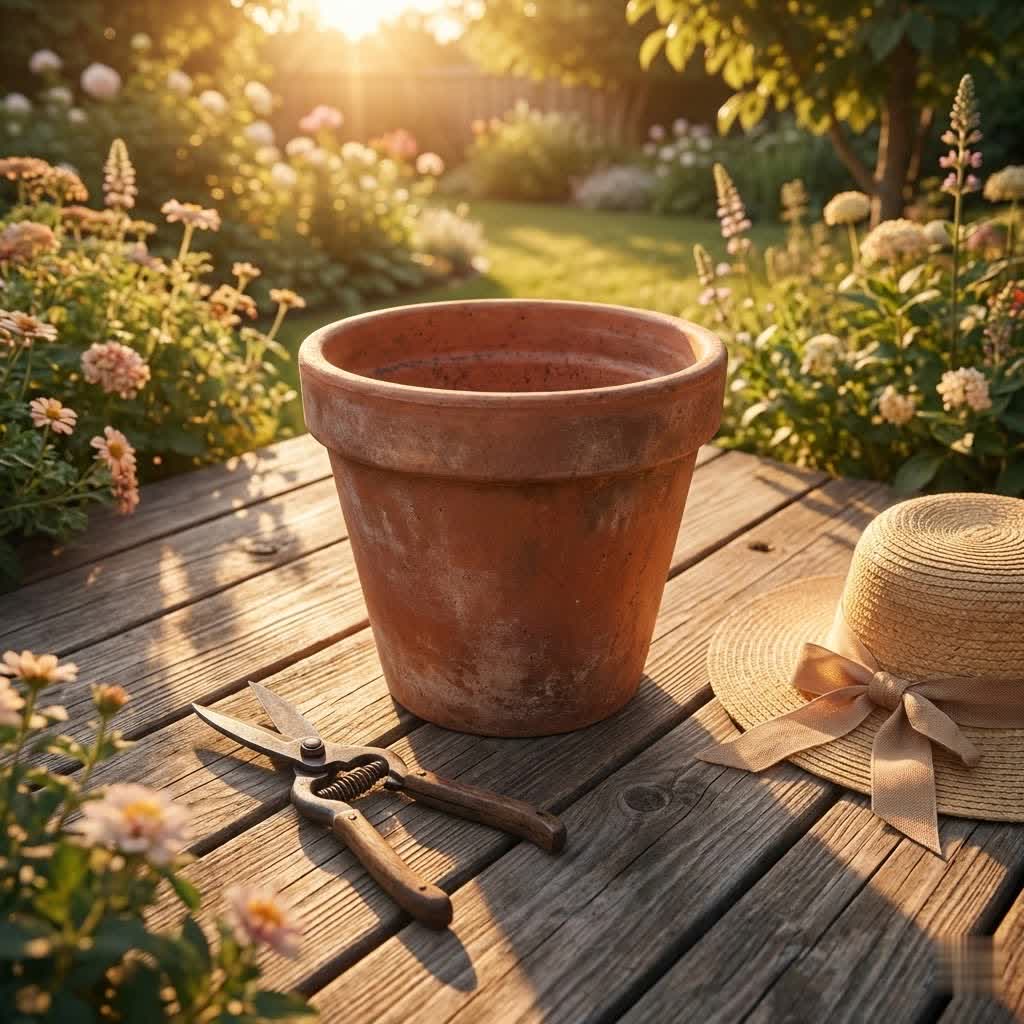
Choosing the right 10-inch plant pot is essential for plant health and aesthetic appeal, providing adequate space for root growth and influencing moisture retention and aeration. These pots are ideal for medium-sized houseplants like peace lilies or snake plants, and their material significantly impacts plant well-being. This guide, from an experienced horticulturist, covers selecting, using, and caring for 10-inch plant pots to ensure your plants thrive.
Popular Plant Pot Types for 10-Inch Sizes
The material of your plant pot significantly impacts plant health, dictating drainage, aeration, and insulation. For a 10-inch plant pot, understanding these characteristics is key to making an informed choice. For more indoor guides on this site.
Ceramic Plant Pots
Ceramic pots, often glazed, are celebrated for their decorative appeal and ability to retain moisture. They bring a touch of elegance and come in an extensive array of colors, patterns, and designs, making them versatile for various interior styles. However, their beauty comes with a few considerations.
- Pros and Cons: Ceramic pots are excellent at holding moisture, which is beneficial for plants that prefer consistent dampness. The glazed finish helps prevent quick water evaporation. On the downside, ceramic pots can be heavy, making them difficult to move, especially when filled with soil and a mature plant. They are also prone to cracking or chipping, particularly in fluctuating temperatures or if dropped, and often lack drainage holes, requiring you to add your own or use a nursery pot inside.
- How to Choose Suitable Ceramic Pots: Look for ceramic pots that include drainage holes. If a pot lacks them, consider if you’re comfortable drilling your own or using it as a decorative cachepot to hold a smaller, well-drained nursery pot. Opt for designs and colors that complement your plant’s foliage and your home decor.
- Ceramic Pot Maintenance Tips: Clean ceramic pots with a non-abrasive sponge or an old toothbrush to avoid scratching the glazed surface. For stubborn dirt or mineral deposits, a paste of baking soda and water can be gently scrubbed on. Rinse thoroughly and allow them to dry completely to prevent mold and bacterial growth. Some smaller glazed ceramic pots may be dishwasher safe on a low-temperature cycle, but always verify before washing.
Plastic Plant Pots
Plastic plant pots are a ubiquitous choice among gardeners due to their practicality and affordability. They offer a lightweight and durable alternative to more fragile materials, making them suitable for many environments.
- Pros and Cons: The primary advantages of plastic pots are their light weight, making them easy to move, and their durability against impact and extreme weather. They excel at retaining moisture, reducing the frequency of watering. However, plastic pots can degrade over time, especially when exposed to UV light, becoming brittle and cracking. They may also not offer the same aesthetic appeal as natural materials for some gardeners, and they are less breathable, which can sometimes lead to root rot if overwatered.
- Safe Plastic Types for Plants: When choosing plastic pots, look for those made from UV-stabilized materials to prolong their life. While most plastics are safe, ensure they are designed for gardening to avoid any potential leaching of harmful chemicals into the soil, though this is a less common concern with modern gardening plastics.
- Recycling Plastic Pots: Many plastic pots are recyclable. Check the recycling codes on the bottom of the pot (usually a number inside a triangle) and consult your local recycling guidelines. Reusing plastic pots after proper cleaning is also an eco-friendly option.
Terracotta Plant Pots
|
Our Picks for the Best Plant Pot in 2026
As an Amazon Associate I earn from qualifying purchases.
|
||
| Num | Product | Action |
|---|---|---|
| 1 | 7 pcs Plant Pots with Drainage Holes and Saucers, Indoor Planters, Set of 7 (7.5, 7, 6.5, 6, 5.5, 4.5, 3.5 Inches), White |

|
| 2 | Indoor Self Watering Planters with Drainage Holes and Saucers, 8, 7, 6.5, 6, 5.5, 5 Inches, Black, 6 Pots |
|
| 3 | Kante 18 Inch Dia Round Concrete Planter, Indoor Outdoor Large Plant Pot with Drainage Hole and Rubber Plug for Home Patio Garden, Black |
|
| 4 | Indoor Outdoor Plant Pots- Self Watering Planters with Drainage Holes and Saucers, 9,8, 7.5 Inches, 3 Pots (Snow) |
|
| 5 | Indoor Self Watering Planters with Drainage Holes and Saucers, 8, 7, 6.5, 6, 5.5, 5 Inches, Green, 6 Pots. |
|
| 6 | Indoor Self Watering Planters with Drainage Holes and Saucers, 8, 7, 6.5, 6, 5.5, 5 Inches, White, 6 Pots |
|
| 7 | Kante 18 Inch Diameter Round Concrete Planter, Indoor Outdoor Large Plant Pot with Drainage Hole and Rubber Plug for Home Patio Garden, Buff Concrete |
|
| 8 | Kante 18 Inch Dia Round Concrete Planter, Indoor Outdoor Large Plant Pot with Drainage Hole and Rubber Plug for Home Patio Garden, Charcoal |
|
| 9 | Kante 18 Inch Dia Round Concrete Planter, Indoor Outdoor Large Plant Pot with Drainage Hole and Rubber Plug for Home Patio Garden, Weathered Concrete |
|
| 10 | Indoor Self Watering Planters with Drainage Holes and Saucers, 8, 7, 6.5, 6, 5.5, 5 Inches, 6 Pots(Green+Brown |
|
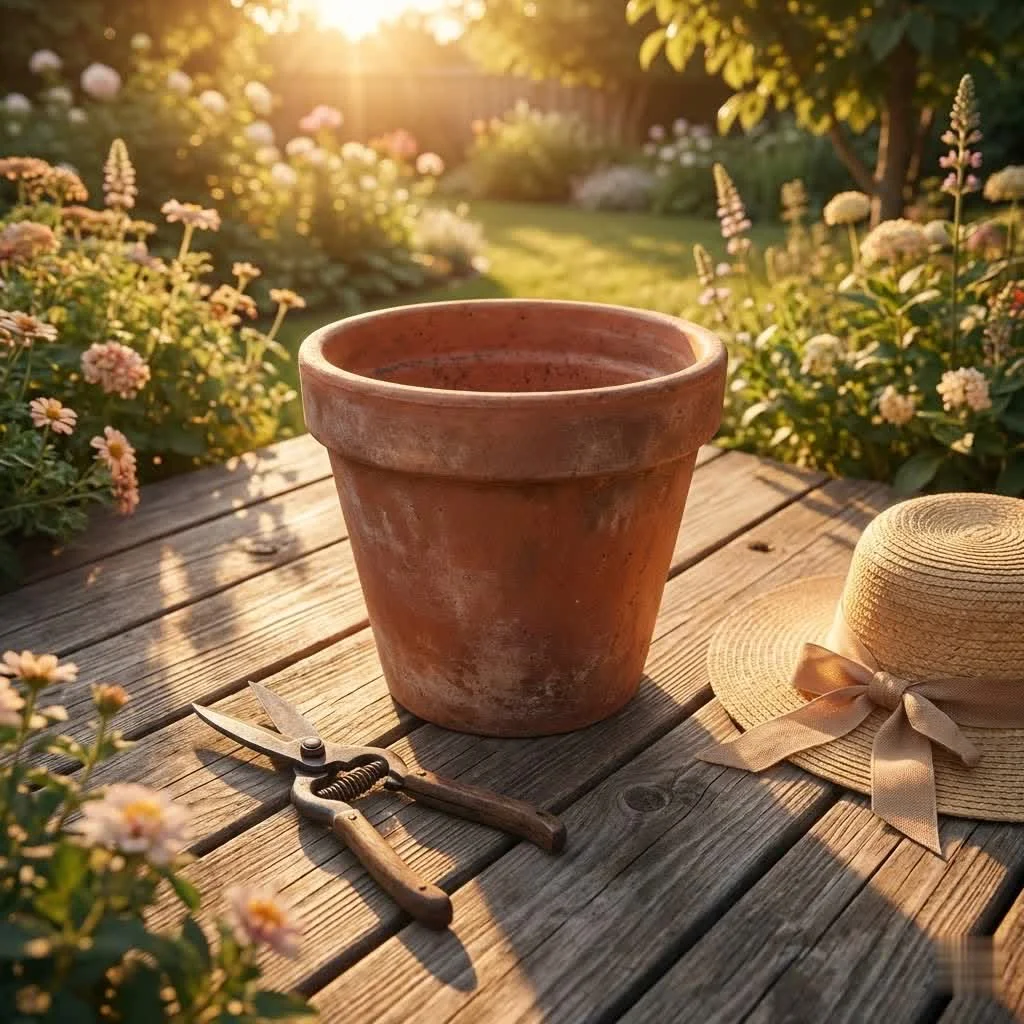
Terracotta pots, made from unglazed fired clay, are a classic choice known for their earthy charm and excellent breathability. They are particularly favored for plants that prefer drier soil conditions.
- Pros and Cons: Terracotta’s porous nature allows air and moisture to pass through the pot walls, promoting healthy root aeration and preventing waterlogging. This makes them ideal for succulents, cacti, and other plants that dislike “wet feet.” The downsides include their fragility – they can crack or shatter easily – and their weight, which is greater than plastic. Their porosity also means water evaporates more quickly, necessitating more frequent watering, especially in hot or dry climates. Mineral and salt deposits can also build up on the exterior.
- Distinguishing Regular from High-Quality Terracotta: High-quality terracotta often has a finer texture, more uniform color, and a smoother finish. While all terracotta is porous, premium varieties might be denser, offering a slight improvement in durability while maintaining breathability. True Italian or Mediterranean terracotta is often sought after for its craftsmanship and authentic look.
- Pre-Use Treatment for New Terracotta Pots: Before using a new terracotta pot, it’s beneficial to soak it in water for several hours or overnight. This saturates the clay, preventing it from wicking moisture away from your plant’s soil immediately after potting. It also helps reduce mineral buildup.
Metal Plant Pots
Metal plant pots offer a sleek, modern, or rustic industrial look, depending on the finish and design. They are durable and can make a striking statement indoors or outdoors.
- Pros and Cons: Metal planters are incredibly strong and durable, resistant to chipping, cracking, and shattering. They can withstand outdoor elements and some types, like galvanized steel, will develop a unique patina over time, adding to their aesthetic. However, metal can conduct heat rapidly, potentially heating the soil to damaging temperatures in direct sun, or cooling it excessively in cold weather. They can also rust if not properly treated or maintained, and heavier options can be challenging to move.
- Considerations for Using Metal Pots: Due to heat conductivity, consider placing metal pots in shaded areas or using them as cachepots with an inner plastic liner to protect roots from extreme temperature fluctuations. Ensure adequate drainage to prevent water accumulation that can lead to rust and root issues.
- Preventing Rust in Metal Pots: Choose rust-resistant metals like galvanized steel, stainless steel, or aluminum. If using untreated metal, apply a rust-inhibiting primer and paint. For existing pots, ensure they are kept dry and consider sealing the interior with a waterproof, plant-safe sealant. Avoid soaking metal pots in bleach or vinegar, as these can cause discoloration or corrosion.
Self-Watering Plant Pots
Self-watering pots are designed for convenience, featuring a reservoir that supplies water to the plant’s roots through capillary action, reducing the need for frequent manual watering.
- Mechanism: These pots typically consist of a planting bed for soil and plants, and a separate water reservoir below. A wicking system (either a physical wick or direct contact between soil and water) draws water upwards into the soil as needed. An overflow hole prevents overwatering.
- Pros and Cons: The main advantage is convenience, making them ideal for busy individuals or those who travel frequently. They ensure consistent moisture, prevent underwatering, and can lead to improved plant health and more efficient water use. However, they are not suitable for all plants, particularly those that prefer dry conditions or have shallow roots. They may also not perform optimally outdoors in very wet climates, as rain can keep the reservoir constantly full, potentially leading to root issues.
- Plants Suitable for Self-Watering Pots: Plants that thrive in consistently moist soil, such as ferns, peace lilies, coleus, and many leafy houseplants, are excellent candidates. Herbs, lettuces, and spinach also do well. Plants with shallow roots like succulents and cacti are generally not recommended as their roots may not reach the water reservoir, and they prefer drier conditions.
Comparative Table of Plant Pot Types
| Feature | Ceramic (Glazed) | Plastic | Terracotta (Unglazed) | Metal | Self-Watering |
|---|---|---|---|---|---|
| Price | Moderate to High | Low | Low to Moderate | Moderate to High | Moderate to High |
| Durability | Fragile (cracks) | Durable (can degrade) | Fragile (cracks) | Very Durable (can rust) | Durable |
| Water Retention | High | High | Low (porous) | High | Excellent (reservoir) |
| Breathability | Low | Low | High | Low | Varies (soil contact) |
| Weight | Heavy | Lightweight | Moderate to Heavy | Moderate to Heavy | Moderate (when filled) |
| Aesthetics | Very Diverse | Functional, often basic | Earthy, classic | Modern, industrial, rustic | Modern, functional |
| Insulation | Moderate | Moderate | Good | Poor (conducts heat/cold) | Good |
| Maintenance | Moderate | Low | High (mineral buildup) | Moderate (rust prevention) | Low (less frequent watering) |
Guide to Selecting Your Ideal 10-Inch Plant Pot
Choosing the perfect 10-inch plant pot involves more than just picking a pretty container. It’s about matching the pot to your plant’s needs, your environment, and your personal style.
Assessing Your Needs
Start by considering the fundamentals of your plant and its environment.
- Plant Species to be Potted: Different plants have different requirements. A moisture-loving fern will thrive in a glazed ceramic or plastic pot, while a desert cactus will prefer the excellent drainage and aeration of terracotta. For a 10-inch pot, consider medium-sized houseplants like peace lilies, snake plants, or a young fiddle leaf fig.
- Current Plant Size: The “10-inch” typically refers to the pot’s diameter, not the plant’s height. If your plant is currently in an 8-inch nursery pot, a 10-inch decorative pot is an ideal next step, offering 1-2 inches of growth space. For plants already in 10-inch pots, a 12-14 inch pot would be the next repotting size. Ensure the new pot is 2-4 inches wider than the root ball to allow for expansion.
- Pot Placement: Will the pot be indoors or outdoors? Outdoor pots need to withstand varying weather conditions, including frost and intense sunlight. Indoor pots can be chosen purely for aesthetics and moisture retention. A heavier ceramic or metal pot might be suitable for a windy patio, while a lightweight plastic pot is easier to move indoors.
Choosing the Right Material
Once you understand your plant’s needs and where it will live, you can narrow down material choices.
- Prioritizing Safe and Durable Materials: Opt for materials that won’t leach harmful substances into the soil. Most commercially available plant pots are safe. Durability is important for longevity and to protect your plant. Fiberglass and high-quality plastics offer excellent durability, while terracotta and ceramic provide a more natural, porous option.
- Considering Drainage and Moisture Retention: Ensure the pot has adequate drainage holes to prevent root rot, which is a common plant killer. Terracotta naturally wicks away moisture, while plastic and glazed ceramic retain it. Match this characteristic to your plant’s watering preferences and your watering habits.
Design and Aesthetics
The pot you choose contributes significantly to your home or garden’s ambiance.
- Matching Interior Style: Select a pot style, texture, and color that harmonizes with your interior design. A minimalist home might prefer sleek metal or matte ceramic, while a bohemian space could embrace textured terracotta or woven materials.
- Color Harmony with Surroundings: Consider the colors already present in your space. A bright pot can be a focal point, while a neutral one allows the plant’s foliage to stand out.
Pre-Purchase Inspection
Before you bring your new 10-inch plant pot home, a quick check can save you future trouble.
- Checking for Damage: Inspect the pot for any cracks, chips, or imperfections, especially with ceramic and terracotta pots. Even small hairline cracks can worsen over time.
- Drainage Hole Verification: Confirm the pot has at least one sufficient drainage hole. If not, be prepared to drill one or use a cachepot setup. A good rule of thumb is a 0.5-inch diameter hole for a 10-inch pot.
- Warranty Information: For more expensive or specialized pots, inquire about any warranty or guarantee against manufacturing defects.
Essential 10-Inch Plant Pot Care Tips
Proper care extends the life of your pot and ensures your plant continues to thrive.
Cleaning Your Plant Pots
Regular cleaning is essential for preventing the spread of diseases and pests.
- Routine Cleaning Methods: Start by removing all old soil and debris. For most pots (plastic, glazed ceramic), wash with warm, soapy water and a brush or sponge. Rinse thoroughly.
- Safe Cleaning Products: For deeper sanitization, a solution of one part bleach to nine parts water, or a solution of one part vinegar to one part water, can be used. Soak pots for several minutes (bleach) or up to 30 minutes (vinegar). Always rinse thoroughly and allow pots to air dry completely, preferably in the sun, before reusing or storing. Avoid bleach or vinegar for metal pots, as they can cause discoloration or corrosion; simply clean with soap and water and dry well.
Repotting Your Plants
Repotting is a critical process for a plant’s continued growth, especially in a 10-inch pot.
- When to Repot: Signs a plant needs repotting include roots growing out of drainage holes, stunted growth, rapid wilting despite watering, or if the plant becomes top-heavy. For a plant in a 10-inch pot, you generally repot when it’s root-bound and needs to move into a larger pot, typically 1-2 inches bigger in diameter.
- Choosing the Right Soil: Always use fresh, high-quality potting mix. Avoid garden soil, which can be too dense and contain pathogens. Select a potting mix appropriate for your specific plant type (e.g., a well-draining mix for succulents, or a moisture-retentive mix for ferns).
- Proper Repotting Procedure:
- Water the plant thoroughly a day or two before repotting to reduce stress.
- Gently remove the plant from its old pot, loosening any circling roots. Avoid disturbing the root ball too much unless the plant is severely root-bound.
- Add a layer of fresh potting mix to the bottom of the new, larger 10-inch pot.
- Center the plant, ensuring its base is about 1/2 to 1 inch below the rim.
- Fill around the root ball with new soil, gently firming it down to remove air pockets. Do not compact it too tightly.
- Water thoroughly immediately after repotting until water drains from the bottom.
- Place the repotted plant in a shaded location for a day or two to recover from transplant shock.
Fertilizing Potted Plants
Plants in pots have limited access to nutrients, making fertilization important.
- Suitable Fertilizer Types: Use a balanced liquid or slow-release granular fertilizer formulated for potted plants. Organic options like compost tea or worm castings can also be beneficial. Specific plant types might benefit from specialized fertilizers (e.g., citrus fertilizer for a dwarf citrus tree in a 10-inch pot).
- Dosage and Frequency: Always follow the manufacturer’s instructions for dosage. It’s often better to under-fertilize than over-fertilize, as excess nutrients can burn roots. Generally, fertilize during the active growing season (spring and summer) and reduce or stop during dormancy (fall and winter).
Conclusion
The 10-inch plant pot is a versatile container, ideal for a wide range of plants, from flourishing houseplants to vibrant patio displays. By thoughtfully considering the material, ensuring proper drainage, and understanding your plant’s specific needs, you’re not just choosing a pot; you’re creating a nurturing environment. Embrace these tips to select and care for your 10-inch plant pots, transforming your space into a lush, green sanctuary. What kind of vibrant life will you bring to your 10-inch pot next?
Frequently Asked Questions
Repotting Your Plant into a 10-Inch Pot
Repotting is a critical process for a plant's continued growth, especially when moving into a 10-inch pot. Follow these steps to ensure a smooth transition and healthy plant development.
Water the plant thoroughly one to two days before repotting to minimize stress. This ensures the root ball is moist and less prone to damage during removal.
Gently remove the plant from its old pot. Carefully loosen any roots that are circling the root ball, but avoid disturbing the main root structure too much unless the plant is severely root-bound.
Add a layer of fresh, high-quality potting mix to the bottom of the new, larger 10-inch pot. Ensure the mix is appropriate for your specific plant type, such as a well-draining mix for succulents.
Center the plant in the new pot, making sure its base is about 0.5 to 1 inch below the rim. Fill around the root ball with new soil, gently firming it down to remove air pockets without compacting it too tightly.
Water the plant thoroughly immediately after repotting until water drains from the bottom. Place the repotted plant in a shaded location for one to two days to help it recover from transplant shock before returning it to its usual spot.
Get our weekly buyer guide
Practical specs, not advice. Unsubscribe anytime.

I really appreciated the detailed breakdown of how pot material impacts plant well-being. I used to just pick whatever looked good, but now I understand the science behind it. My new 10-inch pot for my monstera is perfect, providing ample space for its roots and looking stylish at the same time. Highly recommend paying attention to these details!
This guide was super helpful for picking out a new home for my peace lily. I learned a lot about how different materials affect root growth. I ended up going with a terracotta pot for better aeration, and my lily seems much happier. It’s a good size for a plant that’s outgrowing its nursery pot.
I tried a plastic 10-inch pot for my new fiddle leaf fig, hoping it would be lightweight and easy to move. While it is light, I’ve noticed the soil dries out a bit too quickly, even with regular watering. I might need to repot into something with better insulation soon. The information about drainage was spot on though.
I’ve always struggled with keeping my snake plants happy, but after reading about the benefits of ceramic pots for moisture retention, I decided to switch. My 10-inch snake plant is absolutely thriving now! The glazed finish on the pot I got also looks fantastic in my living room. Definitely a game-changer for my medium-sized houseplants.