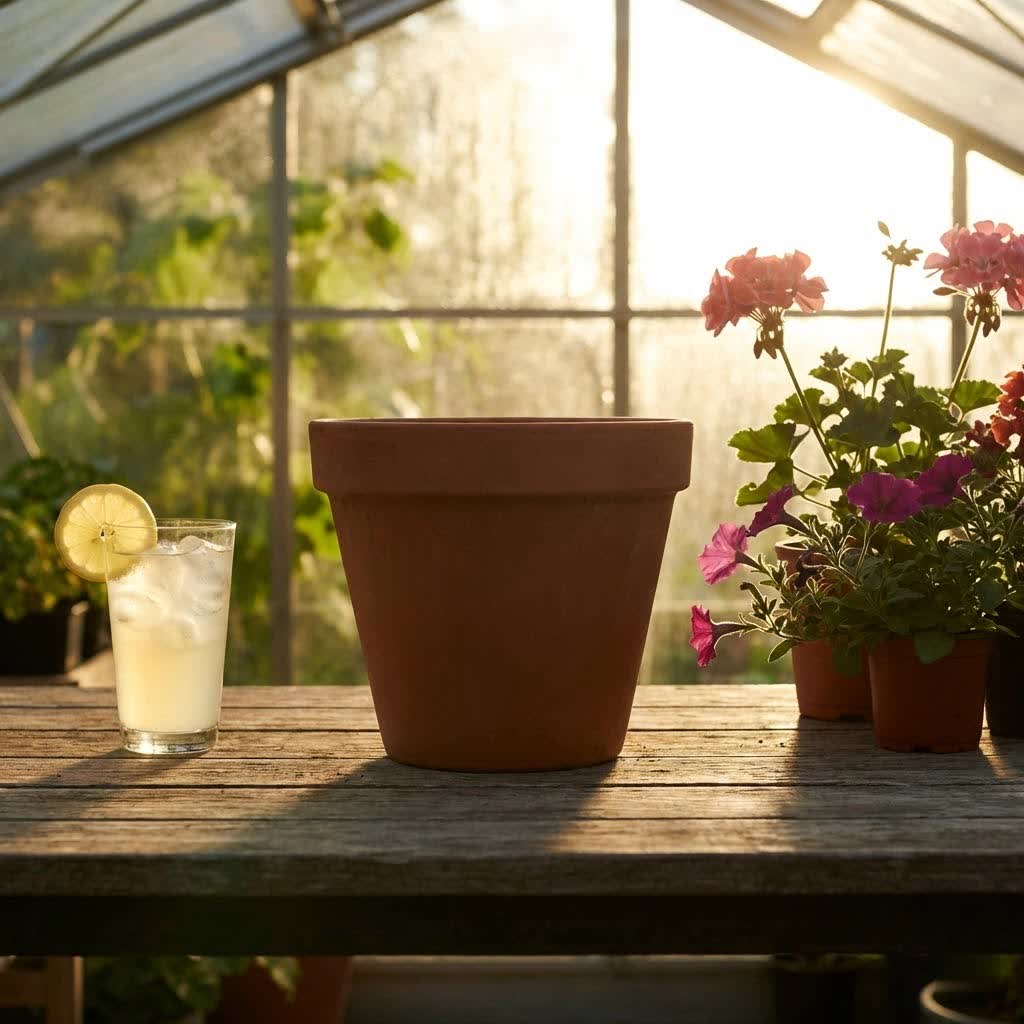
Dreaming of transforming your living space with lush greenery, but want to infuse a touch of modern elegance? Large white plant pots are your answer. More than just containers, these majestic planters serve as statement pieces, bringing both life and sophisticated style to any indoor or outdoor environment. From supporting robust root systems to creating striking visual accents, a well-chosen large white plant pot can dramatically enhance your home and garden aesthetic.
Popular Types of Large White Plant Pot Materials
The material of your large white plant pot plays a crucial role in its durability, weight, and how it interacts with your plants. Understanding the options will help you make an informed decision that suits your specific needs.
Large White Ceramic Plant Pots
Ceramic pots offer a timeless and classic appeal, often seen as a premium choice for plant enthusiasts.
- Advantages: Ceramic is a naturally heavy and sturdy material, providing excellent stability for large plants. Its dense structure offers good insulation, helping to maintain more stable soil temperatures, which is beneficial for root health. Glazed ceramic pots are non-porous, retaining moisture effectively and making them easy to clean, resisting stains and algae buildup. They offer a refined, elegant look that complements various decor styles.
- Disadvantages: Their weight can make them difficult to move once filled with soil and a large plant. Ceramic is also prone to cracking or breaking if dropped or exposed to severe frost if not specifically designated as “frost-proof.” High-quality, large ceramic pots can be quite expensive.
- Choosing the Right Ceramic Pot: Opt for glazed ceramic pots for plants that prefer consistent moisture. If placing outdoors in colder climates, ensure they are frost-proof. Check for a smooth, even finish.
- Care Tips: Clean regularly with mild soap and water to maintain their pristine white finish. For unglazed ceramic (if painted white), consider a sealant to reduce porosity and staining.
Large White Plastic Plant Pots
Plastic pots have evolved significantly, now offering diverse styles and impressive durability. They are a practical and often budget-friendly option.
- Advantages: Plastic pots are notably lightweight, making them easy to move and ideal for balconies, rooftops, or frequent rearrangements. They are generally affordable and highly durable, especially those made from high-quality polypropylene or recycled resin, which resist fading and cracking. Plastic retains moisture well, reducing the frequency of watering. Many modern plastic pots can mimic the look of more expensive materials like terracotta or stone.
- Disadvantages: Cheaper plastic pots can degrade over time, becoming brittle, fading, or cracking under UV exposure. While white plastic reflects heat, darker plastic pots can absorb heat, potentially warming the soil more. Some may lack the premium aesthetic of ceramic or fiberglass.
- Choosing the Right Plastic Pot: Look for UV-stabilized plastic to prevent fading and degradation. Consider options made from recycled resin for an eco-friendlier choice. Self-watering plastic pots are also excellent for busy gardeners.
- Care Tips: Clean with a gentle brush and soapy water to remove dirt and mineral deposits. Ensure good drainage to prevent waterlogging.
Large White Fiberglass Plant Pots
|
Our Picks for the Best Plant Pot in 2026
As an Amazon Associate I earn from qualifying purchases.
|
||
| Num | Product | Action |
|---|---|---|
| 1 | Indoor Self Watering Planters with Drainage Holes and Saucers, 8, 7, 6.5, 6, 5.5, 5 Inches, White, 6 Pots |

|
| 2 | 7 pcs Plant Pots with Drainage Holes and Saucers, Indoor Planters, Set of 7 (7.5, 7, 6.5, 6, 5.5, 4.5, 3.5 Inches), White |
|
| 3 | Indoor Self Watering Planters with Drainage Holes and Saucers, 8, 7, 6.5, 6, 5.5, 5 Inches, Green, 6 Pots. |
|
| 4 | Kante 18 Inch Diameter Round Concrete Planter, Indoor Outdoor Large Plant Pot with Drainage Hole and Rubber Plug for Home Patio Garden, Buff Concrete |
|
| 5 | Indoor Self Watering Planters with Drainage Holes and Saucers, 8, 7, 6.5, 6, 5.5, 5 Inches, Black, 6 Pots |
|
| 6 | Kante 18 Inch Dia Round Concrete Planter, Indoor Outdoor Large Plant Pot with Drainage Hole and Rubber Plug for Home Patio Garden, Weathered Concrete |
|
| 7 | Kante 18 Inch Dia Round Concrete Planter, Indoor Outdoor Large Plant Pot with Drainage Hole and Rubber Plug for Home Patio Garden, Black |
|
| 8 | Kante 18 Inch Dia Round Concrete Planter, Indoor Outdoor Large Plant Pot with Drainage Hole and Rubber Plug for Home Patio Garden, Charcoal |
|
| 9 | Indoor Self Watering Planters with Drainage Holes and Saucers, 8, 7, 6.5, 6, 5.5, 5 Inches, 6 Pots(Green+Brown |
|
| 10 | Indoor Outdoor Plant Pots- Self Watering Planters with Drainage Holes and Saucers, 9,8, 7.5 Inches, 3 Pots (Snow) |
|
Fiberglass planters are a modern solution, combining aesthetic versatility with superior performance.
- Advantages: Fiberglass is incredibly lightweight yet exceptionally durable, offering high resistance to impact, frost, heat, and UV rays, making them suitable for both indoor and outdoor use. They can be molded into various shapes and finishes, often replicating the look of concrete, ceramic, or metal without the associated weight. Many fiberglass pots come with pre-drilled drainage holes and plugs.
- Disadvantages: Fiberglass pots tend to be more expensive than plastic and sometimes ceramic. While durable, extreme impacts can still cause damage, though they are less prone to cracking than ceramic.
- Choosing the Right Fiberglass Pot: Invest in planters made from a reinforced polymer matrix for maximum strength and longevity. Check the warranty offered by the manufacturer, as high-quality fiberglass often comes with substantial guarantees.
- Care Tips: These pots require minimal maintenance. A simple wipe-down with a damp cloth usually suffices to keep them clean.
Large White Concrete/Ficonstone/Cement Plant Pots
These materials are often grouped due to their similar composition and heavy-duty characteristics, providing a robust and earthy feel.
- Advantages: Concrete, ficonstone (a blend of fiberglass and stone/cement), and cement pots are extremely durable and stable, making them perfect for large, weighty plants or windy outdoor conditions. They offer excellent insulation, protecting roots from temperature extremes. Their natural, often minimalist aesthetic works well in contemporary and industrial designs.
- Disadvantages: The most significant drawback is their immense weight, making them very difficult to move once placed. They can be expensive and, if not properly sealed or frost-proof, can crack in freezing temperatures due to water expansion within their porous structure. Unsealed concrete can be porous, leading to moisture loss or staining.
- Choosing the Right Pot: Always look for pots with a frost-proof rating if intended for outdoor use in cold climates. Verify the presence of drainage holes. Consider options that are pre-sealed or plan to apply a sealant.
- Care Tips: Regular cleaning can prevent mineral buildup and stains. Applying a concrete sealant can protect against moisture absorption and improve longevity.
Large White Metal Plant Pots
Metal planters offer a sleek, contemporary edge, often chosen for their bold design statements.
- Advantages: Metal pots, particularly those made from stainless steel or aluminum, are highly durable and can withstand various weather conditions. Their clean lines and reflective surface add a modern, sophisticated touch to any space. They are available in architectural shapes like rectangles, cubes, and cylinders, perfect for creating impactful designs.
- Disadvantages: Metal can absorb and transfer heat rapidly, potentially leading to root stress in extreme temperatures. If not properly treated or coated, some metals can be prone to rust. High-quality metal planters can be quite expensive.
- Choosing the Right Metal Pot: Select rust-resistant metals like stainless steel or aluminum, or those with a durable powder-coated finish. For outdoor use, ensure proper drainage. Consider using a plastic liner inside metal pots to provide better insulation for roots.
- Care Tips: Regularly wipe down to prevent water spots and keep the finish shining. Check for any signs of rust and treat promptly if needed.
Comparison Table of Large White Plant Pot Materials
| Feature | Ceramic | Plastic | Fiberglass | Concrete/Ficonstone | Metal |
|---|---|---|---|---|---|
| Price Range | Moderate-High | Low-Moderate | Moderate-High | Moderate-High | High |
| Durability | High (if glazed/frost-proof) | Moderate-High | Very High | Very High | High |
| Weight | Heavy | Lightweight | Lightweight | Extremely Heavy | Moderate-Heavy |
| Drainage | Often has holes (can retain moisture) | Often has holes (good retention) | Often has holes (good retention) | Often has holes (can be porous) | Often has holes (can be poor insulation) |
| Aesthetic | Classic, Elegant | Versatile, Modern | Modern, Sleek | Industrial, Natural | Contemporary, Bold |
| Insulation | Good | Moderate | Good | Excellent | Poor (can fluctuate) |
| Indoor/Outdoor | Both (check frost-proof) | Both | Both | Both (check frost-proof) | Both (use liners) |
Expert Guide to Choosing Your Large White Plant Pot
Selecting the perfect large white plant pot involves more than just aesthetics; it’s about creating an optimal environment for your plant and seamlessly integrating it into your space.
Defining Your Needs
Before you start shopping, consider these crucial factors:
- Plant Type & Size: What kind of plant do you envision? Tall, statement plants like a Fiddle Leaf Fig, a sprawling Monstera, an elegant Olive Tree, or a vibrant Bird of Paradise thrive in large pots that allow their roots ample room to grow and provide stability. “Large” typically refers to pots 16 inches (40 cm) or taller in diameter or height, offering sufficient volume for mature root systems.
- Placement: Will your pot live indoors or outdoors? For indoor plants, factors like air quality and integrated design are key. For outdoor settings (patio, balcony, entryway), weather resistance, UV stability, and the pot’s weight (especially for elevated spaces like balconies) become paramount.
- Desired Aesthetic: Are you aiming for a minimalist, modern, bohemian, or classic look? White pots are incredibly versatile, serving as a clean canvas that enhances any plant’s natural beauty and brightens up the surrounding area.
Selecting the Right Material
The material dictates much about your pot’s performance and suitability.
- Durability: For outdoor use, prioritize materials that are weather-resistant, UV-resistant, and frost-proof like fiberglass, high-quality polyresin, or treated concrete. Indoor pots can be less demanding on durability but still benefit from robust construction.
- Weight: If you anticipate moving your plant frequently or placing it on a structure with weight limitations (like a balcony), lightweight materials such as fiberglass or plastic are ideal. For permanent, stable installations, heavier materials like ceramic or concrete offer better wind resistance.
- Drainage: This is non-negotiable for plant health. Always choose a pot with adequate drainage holes to prevent root rot. For indoor pots, ensure a saucer is included or that the pot has an integrated plug to prevent water leakage onto your floors. Self-watering systems can be a major upgrade for maintaining consistent moisture levels.
- Insulation: Consider how well the material insulates roots from extreme temperatures. White pots generally reflect light, helping to keep soil cooler in direct sun, but thick materials like concrete and ceramic provide additional thermal buffering. Using liners in metal pots can enhance insulation.
Design and Finish Considerations
The visual elements of your large white plant pot can significantly impact your space.
- Shapes: Explore various shapes – classic round, sleek cylindrical, modern square, tall rectangular, or even unique flared designs. Each shape creates a different visual impact and can complement specific plant forms or architectural styles.
- Finishes: A matte finish offers a soft, contemporary look and is more forgiving, often hiding dust and minor scratches better. A glossy finish provides a high-end, reflective sheen that exudes sophistication and can make a bold statement.
- Color Benefits: Beyond its aesthetic appeal, white reflects sunlight. This helps keep the soil cooler, protecting roots from overheating, particularly beneficial in sunny spots or hotter climates. It also reflects light back onto the plant’s foliage, potentially enhancing light exposure in dimmer indoor areas, and brightens up any room.
Pre-Purchase Checklist
Before finalizing your purchase, a quick inspection can save you future hassle:
- Inspect for Damage: Carefully check the pot for any cracks, chips, or imperfections, especially with ceramic or concrete options.
- Verify Drainage: Confirm the presence of drainage holes. If purchasing for indoor use, ensure it comes with a suitable plug or a matching saucer.
- Check Warranty: For higher-investment materials like fiberglass or premium ceramics, inquire about manufacturer warranties, as these often cover defects or weather-related issues.
- Consider Sets: If you’re decorating a larger area, purchasing a set of varying sizes can create a cohesive and visually appealing plant display.
Care Tips for Your Large White Plant Pot
Maintaining your large white plant pot and its green inhabitant is key to a thriving, beautiful display.
Cleaning and Maintenance
Keeping your white pot pristine enhances its aesthetic appeal and contributes to a healthy environment for your plant.
- Regular Cleaning: Periodically wipe down your pot with a soft cloth and a solution of mild soap and water. This prevents the buildup of dust, dirt, and potential algae, especially on outdoor pots.
- Stain Removal: For stubborn stains on ceramic or concrete, a diluted bleach solution or a specialized cleaner designed for the material can be used, followed by a thorough rinse.
- Sealing Porous Materials: If you have concrete or unglazed terracotta (even if painted white), consider applying a non-toxic sealant to reduce porosity, prevent moisture loss, and minimize staining.
Repotting and Soil
Large plants in large pots have specific needs when it comes to their growing medium.
- When to Repot: Signs your plant needs a larger pot include roots growing out of drainage holes, stunted growth, or the plant becoming top-heavy. Generally, repotting every 1-3 years is a good practice for large houseplants.
- Choosing the Right Soil: Always use a high-quality potting mix specifically formulated for the type of plant you are growing. For large containers, a mix that provides both good drainage and sufficient nutrient retention is essential. Avoid using garden soil, as it can compact and inhibit drainage in pots.
- Proper Repotting Technique: Gently remove the plant from its old pot, loosen any circling roots, and place it in the new large white pot with a fresh layer of soil at the bottom. Fill around the root ball, leaving an inch or two from the rim for watering, and water thoroughly.
Watering and Fertilizing
The increased soil volume in large pots affects watering and feeding schedules.
- Watering Habits: While large pots retain moisture longer than small ones, it’s crucial to check the soil moisture regularly. Stick your finger about two inches deep into the soil; if it feels dry, it’s time to water. Ensure water drains out of the bottom to prevent waterlogging and root rot.
- Fertilization: Plants in pots rely entirely on you for nutrients. Use a balanced, slow-release granular fertilizer or a liquid fertilizer according to the product’s instructions and your plant’s specific needs, especially during its active growing season.
Conclusion: Embrace the Elegance of Large White Plant Pots
Large white plant pots are more than just functional containers; they are design elements that can dramatically improve your home or garden. By carefully considering the material, size, and design, and committing to proper plant care, you can create stunning botanical displays that bring tranquility, beauty, and a touch of modern sophistication to any setting. From the reflective benefits of white in keeping roots cool to the versatility it offers in interior design, these pots are an investment in both aesthetics and plant health. Ready to improve your space with verdant grandeur?
Frequently Asked Questions
What kind of plants are best for large white plant pots?
Tall, statement plants like Fiddle Leaf Figs, Monstera, Olive Trees, Bird of Paradise, large succulents, or even citrus trees thrive in large white plant pots. Their vibrant foliage often creates a striking contrast against the clean white backdrop, making them focal points in any space.
How do white plant pots affect plant health?
White plant pots can positively impact plant health by reflecting sunlight, which helps keep the soil cooler and prevents roots from overheating, especially in direct sun or warmer climates. They also reflect light back onto the plant’s leaves, potentially increasing overall light exposure.
Are large white plant pots suitable for outdoor use?
Yes, many large white plant pots are specifically designed for outdoor use. They are often made from weather-resistant materials like fiberglass, polyresin, or treated concrete, which are UV-resistant and can withstand various environmental conditions, including frost and heat.
How do I ensure proper drainage in a large white plant pot?
Always choose a large white plant pot with adequate drainage holes at the bottom. For indoor use, ensure it comes with a matching saucer or an integrated plug to prevent water leakage. You can also add a layer of coarse material, like pebbles or broken terracotta, at the bottom to further promote drainage, although this is generally less critical than good drainage holes and proper potting mix.
What are the most durable materials for large white plant pots?
Fiberglass and heavy-duty polyresin are among the most durable materials for large white plant pots, offering exceptional resistance to cracking, impact, weather, and UV rays. Glazed ceramic and frost-proof concrete can also be very durable, providing long-lasting performance, especially when properly maintained.
Can I paint an existing large plant pot white?
Yes, you can paint an existing large plant pot white. Ensure the pot is thoroughly cleaned and dry. Use an appropriate primer designed for the pot’s material, then apply several coats of exterior-grade, weather-resistant paint in your desired white shade. Finish with a clear sealant for added protection and durability.
Get our weekly buyer guide
Practical specs, not advice. Unsubscribe anytime.

I appreciated the breakdown of the pros and cons for each material. I got a large white ceramic pot, and while it looks beautiful, it was a lot heavier than I expected. Moving it into place was a bit of a struggle, even before adding soil and the plant. Next time I might consider something lighter for sure.
Great info on the different materials. I was torn between ceramic and fiberglass, but after reading about the weight differences, I decided on a fiberglass pot for my outdoor patio. It’s much easier to move around when I want to rearrange things. It’s a really clean look and holds up well to the elements.
This really helped me visualize how a large white pot could transform my entryway. I picked up a beautiful ceramic one, and it instantly made the space feel more modern and inviting. It’s definitely a statement piece, just like it said. My monstera is thriving in it!
I’ve been looking for the perfect large white pot for my fiddle leaf fig, and this guide was so helpful! I ended up going with a ceramic one, and it looks absolutely stunning in my living room. The quality is fantastic, and it really elevates the whole space. My plant seems much happier too!