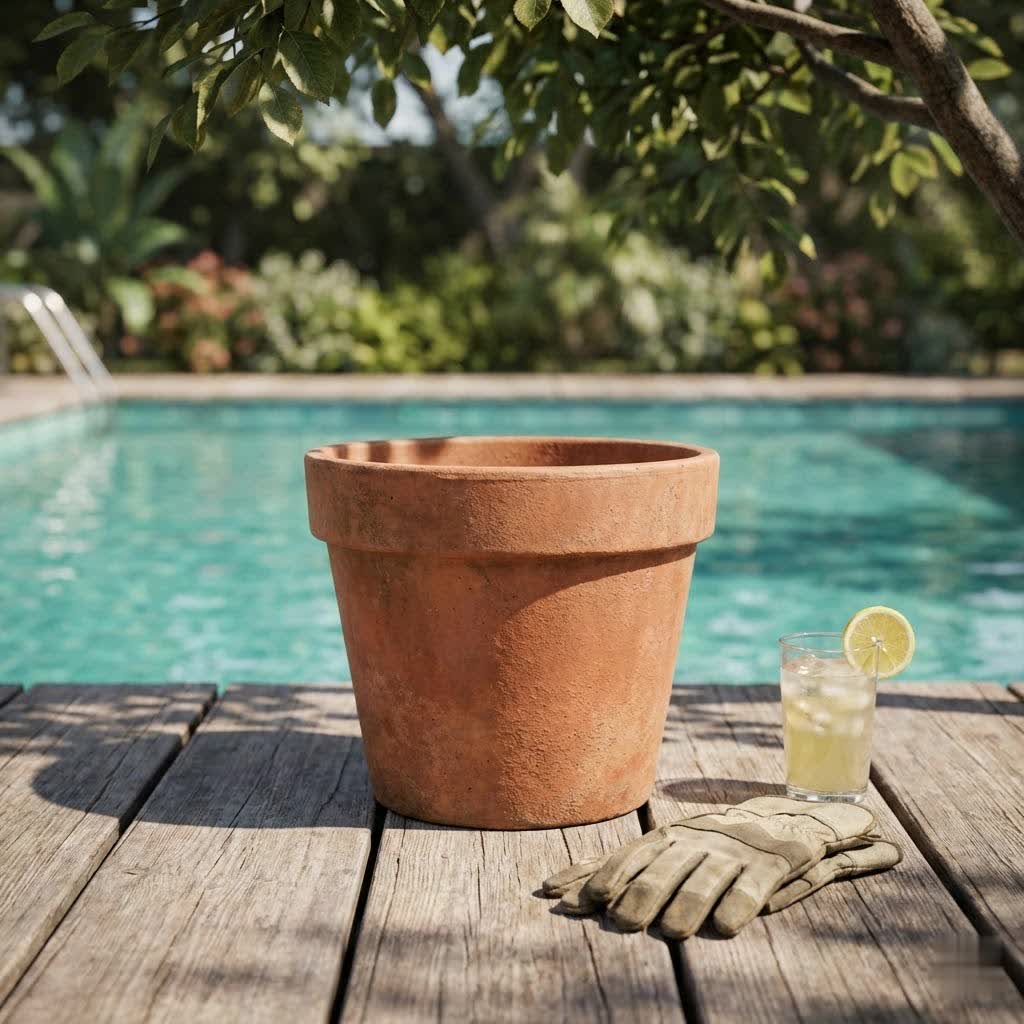
Stepping into the world of indoor gardening can be incredibly rewarding, and a 6-inch plant pot often marks the perfect starting point for many enthusiasts. This versatile size offers ample space for a wide array of small to medium-sized houseplants to thrive, from vibrant succulents to leafy herbs, without overwhelming your living space. Choosing the right pot, however, goes beyond mere aesthetics; it’s about understanding materials, ensuring proper drainage, and matching the pot to your plant’s specific needs. With over a decade of hands-on experience in plant cultivation and pot selection, I’m here to share expert insights to help you make informed decisions, ensuring your plants flourish and your home decor shines.
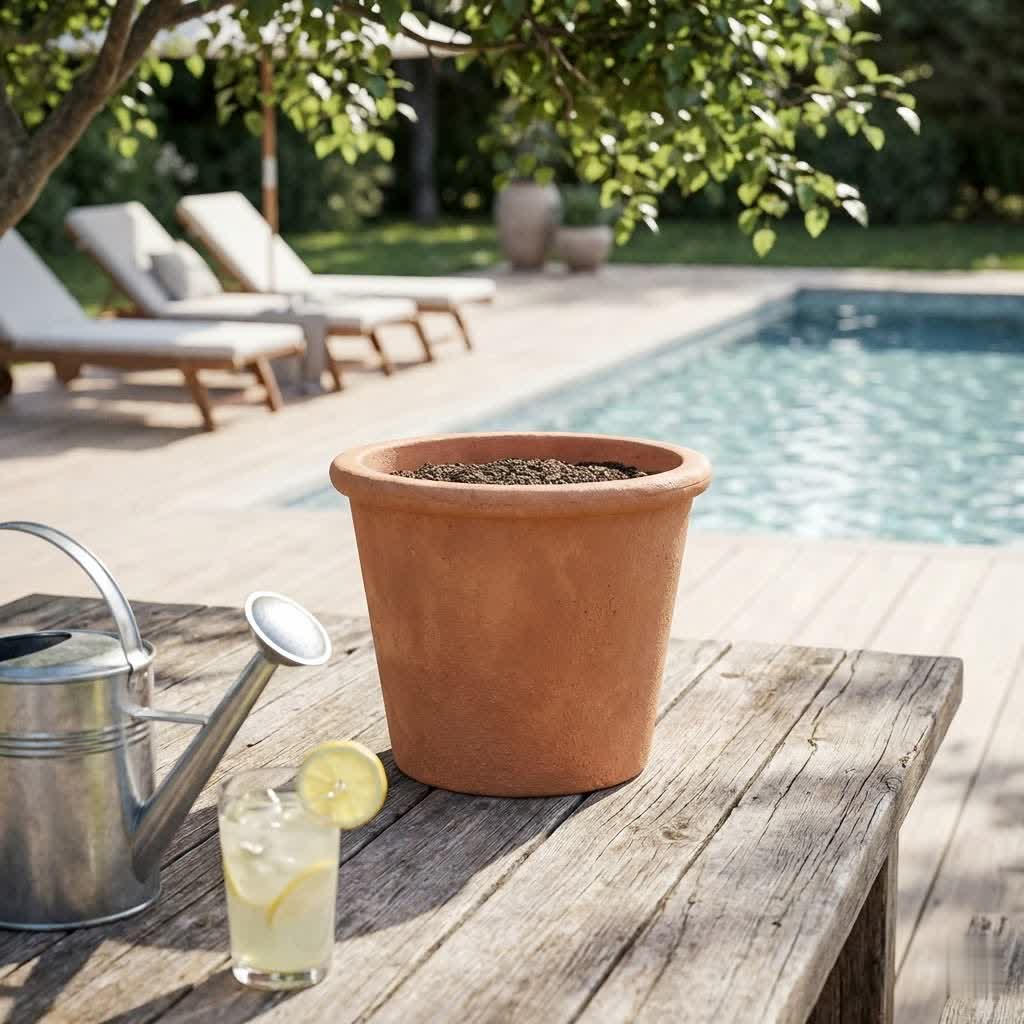
Popular 6-Inch Plant Pot Types
The material of your 6-inch plant pot significantly impacts plant health, drainage, and overall maintenance. Understanding the characteristics of each common type will guide you to the best choice for your green companions.
Ceramic Plant Pots
Ceramic pots are celebrated for their aesthetic appeal and ability to add a touch of elegance to any setting. They are often glazed, which affects their porosity.
- Pros:
- Aesthetics: Available in a vast range of colors, finishes, and artistic designs, including modern, minimalist, and uniquely textured options.
- Weight & Stability: Their substantial weight provides excellent stability, reducing the risk of top-heavy plants tipping over.
- Moisture Retention (Glazed): Glazed ceramic pots retain moisture longer than porous materials like terracotta, which can be beneficial for plants that prefer consistently moist soil.
- Durability: High-quality ceramic pots are strong and long-lasting.
- Cons:
- Cost: Generally more expensive than plastic or terracotta.
- Weight: Can be heavy, especially when filled with soil, making them less ideal for frequent repositioning or hanging.
- Drainage (Glazed): While glazed pots retain moisture, they can also lead to overwatering if drainage is insufficient. Always ensure a drainage hole is present.
- Fragility: Ceramic can crack or break if dropped.
- How to choose suitable ceramic pots: Look for pots with a well-defined drainage hole at the bottom. For plants sensitive to overwatering, consider unglazed ceramic or those with integrated saucers to manage excess water. Choose designs that complement your interior style.
- Tips for caring for ceramic pots: Clean glazed pots with a damp cloth to maintain their shine. For unglazed ceramic, a brush can help remove mineral deposits. Ensure saucers are emptied regularly to prevent waterlogging.
|
Our Picks for the Best Plant Pot in 2026
We may earn a commission when you use one of our links to make a purchase.
|
||
| Num | Product | Action |
|---|---|---|
| 1 | Indoor Outdoor Plant Pots- Self Watering Planters with Drainage Holes and Saucers, 9,8, 7.5 Inches, 3 Pots (Snow) |

|
| 2 | Indoor Self Watering Planters with Drainage Holes and Saucers, 8, 7, 6.5, 6, 5.5, 5 Inches, Black, 6 Pots |
|
| 3 | Kante 18 Inch Dia Round Concrete Planter, Indoor Outdoor Large Plant Pot with Drainage Hole and Rubber Plug for Home Patio Garden, Weathered Concrete |
|
| 4 | Kante 18 Inch Dia Round Concrete Planter, Indoor Outdoor Large Plant Pot with Drainage Hole and Rubber Plug for Home Patio Garden, Charcoal |
|
| 5 | Indoor Self Watering Planters with Drainage Holes and Saucers, 8, 7, 6.5, 6, 5.5, 5 Inches, 6 Pots(Green+Brown |
|
| 6 | Kante 18 Inch Dia Round Concrete Planter, Indoor Outdoor Large Plant Pot with Drainage Hole and Rubber Plug for Home Patio Garden, Black |
|
| 7 | 7 pcs Plant Pots with Drainage Holes and Saucers, Indoor Planters, Set of 7 (7.5, 7, 6.5, 6, 5.5, 4.5, 3.5 Inches), White |
|
| 8 | Kante 18 Inch Diameter Round Concrete Planter, Indoor Outdoor Large Plant Pot with Drainage Hole and Rubber Plug for Home Patio Garden, Buff Concrete |
|
| 9 | Indoor Self Watering Planters with Drainage Holes and Saucers, 8, 7, 6.5, 6, 5.5, 5 Inches, Green, 6 Pots. |
|
| 10 | Indoor Self Watering Planters with Drainage Holes and Saucers, 8, 7, 6.5, 6, 5.5, 5 Inches, White, 6 Pots |
|
Plastic Plant Pots
Plastic pots are a ubiquitous choice for gardeners dueishing to their affordability, lightweight nature, and versatility.
- Pros:
- Affordability: One of the most economical options, making them great for starting many plants or for those on a budget.
- Lightweight: Easy to move, reposition, and ideal for hanging planters.
- Durability: Resistant to breaking, chipping, and cracking, making them very practical for both indoor and outdoor use.
- Moisture Retention: Plastic retains soil moisture efficiently, reducing the frequency of watering.
- Variety: Come in an extensive range of colors, shapes, and sizes, including options that mimic the look of ceramic or terracotta.
- Cons:
- Aesthetics: Can sometimes look less sophisticated than ceramic or terracotta, though high-quality options exist.
- Overwatering Risk: Their excellent moisture retention can be a disadvantage for plants prone to root rot if not managed carefully.
- UV Degradation (Outdoor): Cheaper plastics can degrade and become brittle over time when exposed to sunlight.
- Safe plastics for plants: Look for pots made from virgin polypropylene (PP) or recycled PP for better durability and safety. Many recycled plastic options are now available, promoting sustainability.
- How to recycle plastic pots: Check local recycling guidelines for plastic types. Many garden centers also have recycling programs specifically for nursery pots. Clean pots thoroughly before recycling.
Terracotta Plant Pots
Terracotta pots, made from unglazed fired clay, are a classic choice known for their earthy appeal and excellent breathability.
- Pros:
- Breathability: Highly porous material allows air and moisture to pass through the pot walls, promoting healthy root aeration and preventing waterlogging.
- Moisture Regulation: Helps soil dry out more quickly, which is ideal for succulents, cacti, and plants that prefer drier conditions.
- Weight & Stability: Offers good stability for plants, similar to ceramic, but often lighter.
- Natural Aesthetic: Their rustic, earthy tone blends seamlessly with various decor styles and highlights the plant’s natural beauty.
- Cons:
- Fragility: Can break or chip if dropped.
- Mineral Buildup: The porous nature can lead to salt and mineral buildup on the exterior over time, though some consider this a charming patina.
- Moisture Loss: Dries out quickly, requiring more frequent watering for moisture-loving plants.
- Distinguishing regular vs. high-quality terracotta: High-quality terracotta is typically fired at higher temperatures, making it more durable, less prone to cracking from freeze-thaw cycles (if used outdoors), and sometimes less porous than standard terracotta.
- Curing new terracotta pots: Soaking new terracotta pots in water for several hours (or overnight) before use helps saturate the clay, preventing it from wicking too much moisture from the initial potting soil and plant.
Metal Plant Pots
Metal pots offer a sleek, modern, or industrial aesthetic, making them a bold statement piece in any plant collection.
- Pros:
- Durability: Extremely sturdy and long-lasting, resistant to breakage.
- Modern Aesthetic: Provides a contemporary or industrial look, available in finishes like galvanized steel, brass, copper, or painted varieties.
- Weight: Can be heavy, offering good stability for larger plants.
- Cons:
- Temperature Conduction: Metal heats up and cools down quickly, which can expose plant roots to extreme temperature fluctuations, especially outdoors.
- Rust: Unless treated, many metals are prone to rust, which can be unsightly and harmful to the plant.
- Drainage: Many decorative metal pots lack drainage holes, requiring careful watering or the use of an inner nursery pot.
- Considerations for using metal pots: Due to temperature conductivity, metal pots are often best used as decorative cachepots with an inner plastic nursery pot. This also helps manage drainage. If used directly, ensure adequate drainage holes and consider lining the interior to protect roots from temperature swings and prevent rust.
- Preventing rust: Choose galvanized steel, powder-coated metal, or naturally rust-resistant metals like copper or brass. If using iron, ensure it’s properly sealed or painted with rust-inhibiting products.
Self-Watering Plant Pots
Self-watering pots are designed to simplify plant care by providing a consistent water supply to the plant’s roots, reducing the frequency of manual watering.
- Mechanism: These pots typically feature a reservoir at the bottom and a wicking system (e.g., cotton rope, a porous cone, or a raised platform) that draws water up into the soil as needed.
- Pros:
- Convenience: Significantly reduces watering frequency, ideal for busy individuals or when away from home.
- Consistent Moisture: Provides a steady supply of water, preventing both overwatering and underwatering, leading to healthier plant growth.
- Water Conservation: Plants absorb water more efficiently, minimizing waste from evaporation and runoff.
- Root Health: Encourages roots to grow downwards towards the water source, developing a stronger root system.
- Cons:
- Initial Cost: Often more expensive than traditional pots.
- Algae Growth: Reservoirs can sometimes develop algae if exposed to light, though this is usually harmless.
- Limited Aeration: Some designs may offer less soil aeration compared to porous pots like terracotta.
- Not for All Plants: While many plants thrive, those requiring very dry conditions between waterings (like most succulents and cacti) might not be suitable.
- Suitable plants for self-watering pots: Ideal for moisture-loving plants such as ferns, African violets, herbs (basil, mint), and many common houseplants like Pothos, Philodendrons, and Spider Plants.
Comparison Table of Popular 6-Inch Plant Pot Types
| Feature | Ceramic (Glazed) | Plastic | Terracotta | Metal | Self-Watering |
|---|---|---|---|---|---|
| Price Range | Medium to High | Low to Medium | Low to Medium | Medium to High | Medium to High |
| Durability | High (if not dropped) | High | Medium (fragile) | Very High | High (material dependent) |
| Drainage | Requires hole; retains water | Requires holes; retains water | Excellent (porous) | Often poor (use liner) | Integrated system; excellent |
| Moisture Reg. | High retention | High retention | Low retention (dries fast) | Varies (often high retention with liner) | Consistent moisture |
| Aesthetics | Very High (diverse) | Medium (versatile) | High (natural, rustic) | High (modern, industrial) | Varies (often sleek, modern) |
| Weight | Heavy | Lightweight | Medium | Heavy | Medium (water adds weight) |
| Insulation | Good | Medium | Good (evaporative cooling) | Poor (conducts temp.) | Good (water acts as buffer) |
| Indoor/Outdoor | Both | Both | Both | Primarily Indoor (as cachepot) | Both |
Guide to Selecting Your 6-Inch Plant Pot
Choosing the perfect 6-inch plant pot involves more than just picking a pretty design. It’s about aligning the pot with your plant’s needs, your living space, and your lifestyle.
Determine Your Needs
Before you even think about materials or colors, consider the fundamentals.
- Plant Type: What kind of plant are you planning to house? A cactus will have very different needs than a fern. Succulents and cacti prefer terracotta or pots that dry out quickly, while moisture-loving plants might benefit from glazed ceramic or plastic.
- Plant Size: While we’re focusing on 6-inch pots, consider the plant’s current root ball and its mature size. A 6-inch pot is often suitable for small to medium houseplants, young plants, or for “potting up” a plant from a smaller 4-inch nursery pot. Generally, you want to move up only one pot size (e.g., from 4-inch to 6-inch) to avoid excessive soil that stays wet and promotes root rot.
- Placement Location: Will the pot be indoors or outdoors? Indoor pots can be more decorative, while outdoor pots need to withstand varying weather conditions, including UV exposure and temperature fluctuations. Hanging pots require lightweight materials, whereas floor-standing pots can be heavier for stability.
Choose the Right Material
Each material offers distinct advantages and disadvantages, directly impacting your plant’s health.
- Prioritize Safe, Durable Materials: Opt for materials that won’t leach harmful chemicals into the soil. Ceramic, terracotta, and high-quality plastics (like polypropylene) are generally safe. Fiberglass is also a durable and lightweight option.
- Consider Drainage and Moisture Retention:
- For fast-draining needs (succulents, cacti): Terracotta or unglazed ceramic are excellent as they allow water to evaporate through their porous walls.
- For consistent moisture (ferns, tropicals): Glazed ceramic, plastic, or self-watering pots will help retain moisture longer.
- Think About the Environment: If placing outdoors in direct sun, avoid dark plastic or metal pots that can overheat roots. In humid environments, porous pots help prevent overwatering.
Mind the Design and Color
Beyond functionality, the pot’s aesthetics contribute to your home’s ambiance.
- Match Your Interior Style:
- Modern/Minimalist: Sleek ceramic, metal, or simple plastic pots in neutral tones (white, black, gray) or bold, monochromatic colors.
- Bohemian/Rustic: Terracotta, woven baskets (as cachepots), or ceramic with earthy textures and patterns.
- Traditional: Glazed ceramic with classic patterns or muted colors.
- Color Harmony: Choose colors that either blend seamlessly with your existing decor or provide a striking contrast that makes the plant a focal point. Keep in mind that lighter colors absorb less heat.
Inspect Thoroughly Before Purchase
A quick check can save you future headaches.
- Cracks and Imperfections: Ensure the pot has no visible cracks, chips, or manufacturing defects that could compromise its integrity or drainage.
- Drainage Holes: Always confirm the presence and proper size of drainage holes. For a 6-inch pot, one or more holes are crucial. If a pot lacks drainage, plan to use it as a cachepot (decorative outer pot) with an inner nursery pot that does have drainage.
- Saucer/Tray: Many indoor pots come with an attached or separate saucer to catch excess water. Check that it fits well and is sufficient to prevent spills. If not included, purchase a suitable one separately.
- Warranty/Return Policy: Especially for more expensive pots, understanding the warranty or return policy is always a good practice.
Essential Care Tips for Plants in 6-Inch Pots
Proper care ensures your plants remain healthy and vibrant in their 6-inch homes.
Cleaning Your Plant Pots
Regular cleaning prevents disease and keeps your pots looking their best.
- Routine Cleaning:
- Glazed Ceramic & Plastic: Wipe down with a damp cloth to remove dust and debris. For tougher stains, use a mild soap and water solution.
- Terracotta: If mineral deposits (white crust) appear, scrub with a stiff brush and a solution of equal parts white vinegar and water. Rinse thoroughly.
- Metal: Wipe with a soft, damp cloth. Avoid abrasive cleaners that can scratch finishes.
- Deep Cleaning for Repotting: When repotting or reusing pots, clean them thoroughly to remove old soil, mineral buildup, and any potential pathogens. Soak in a dilute bleach solution (1 part bleach to 9 parts water) for 30 minutes, then scrub and rinse well. This is especially important if a previous plant suffered from disease.
Repotting Plants in 6-Inch Pots
Knowing when and how to repot is vital for continued growth.
- When to Repot:
- Roots Circling: If roots are growing out of the drainage holes or circling tightly around the inside of the pot.
- Stunted Growth: Plant growth has slowed significantly or appears unhealthy despite proper watering and feeding.
- Frequent Watering: The soil dries out much faster than usual, indicating a dense root system has replaced most of the soil.
- Every 1-2 Years: Many plants benefit from repotting into fresh soil every 1-2 years, even if not moving to a larger pot, to replenish nutrients.
- Choosing the Right Soil: Select a high-quality potting mix appropriate for your plant type (e.g., succulent mix for cacti, all-purpose for most houseplants). Ensure it’s well-draining.
- Proper Repotting Technique:
- Gently remove the plant from its current pot, loosening any circling roots.
- Add a layer of fresh potting mix to the new 6-inch pot (or a slightly larger one if sizing up).
- Center the plant, ensuring the top of the root ball is about half an inch below the pot rim.
- Fill with soil, gently tamping it down to remove large air pockets, leaving some space for watering.
- Water thoroughly until water drains from the bottom.
Fertilizing Plants in 6-Inch Pots
Container plants rely entirely on you for nutrients.
- Appropriate Fertilizers: Use a balanced liquid fertilizer diluted to half strength, or a slow-release granular fertilizer, suitable for houseplants. Organic options are also available.
- Dosage and Frequency:
- Growing Season (Spring/Summer): Fertilize every 2-4 weeks, or as per product instructions, keeping in mind that smaller pots (like 6-inch) may need more frequent, lighter applications due to limited soil volume.
- Dormant Season (Fall/Winter): Reduce or stop fertilizing as plant growth slows.
- Application Tips: Always water your plant before fertilizing to prevent root burn. Avoid over-fertilizing, which can harm your plant and lead to salt buildup in the soil. Flush the soil occasionally with plain water to remove excess salts.
Conclusion
A 6-inch plant pot serves as an ideal home for countless plants, offering a perfect balance between size and manageability. By carefully considering the material, ensuring adequate drainage, selecting an appropriate plant, and committing to a consistent care routine of cleaning, repotting, and fertilizing, you empower your plants to flourish. The right pot is more than just a container; it’s a foundation for healthy growth and a beautiful addition to your home. Which type of 6-inch pot will you choose to elevate your indoor garden today?
Frequently Asked Questions
What plants thrive in a 6-inch pot?
Many small to medium-sized houseplants and herbs do well in 6-inch pots. Popular choices include snake plants, pothos, ZZ plants, small peace lilies, African violets, herbs like basil and mint, and many varieties of succulents and cacti, especially when young or if they are slow growers.
How do I know if my plant needs a larger pot than its current 6-inch one?
Look for roots growing out of the drainage holes or circling tightly around the pot’s interior. Stunted growth, rapid drying of the soil requiring very frequent watering, or the plant becoming top-heavy and unstable are also signs it’s time to “pot up” to an 8-inch or larger pot.
Is drainage absolutely necessary for a 6-inch plant pot?
Yes, for almost all plants, proper drainage is crucial to prevent root rot. A drainage hole allows excess water to escape, ensuring roots don’t sit in stagnant, waterlogged soil. If a decorative pot lacks drainage, use it as a cachepot with a smaller nursery pot inside that has drainage.
Can I use a 6-inch pot for outdoor plants?
Certainly! A 6-inch pot is suitable for small annuals, herbs, or starting vegetable seedlings outdoors. Just be mindful of the material’s properties in direct sunlight or cold temperatures, and ensure adequate drainage for outdoor conditions.
How often should I water a plant in a 6-inch pot?
Watering frequency depends heavily on the plant type, pot material, environmental conditions (light, temperature, humidity), and soil mix. Generally, check the soil moisture every few days. Water thoroughly when the top inch or two of soil feels dry to the touch, ensuring water drains from the bottom. Terracotta pots will dry faster than plastic or glazed ceramic.