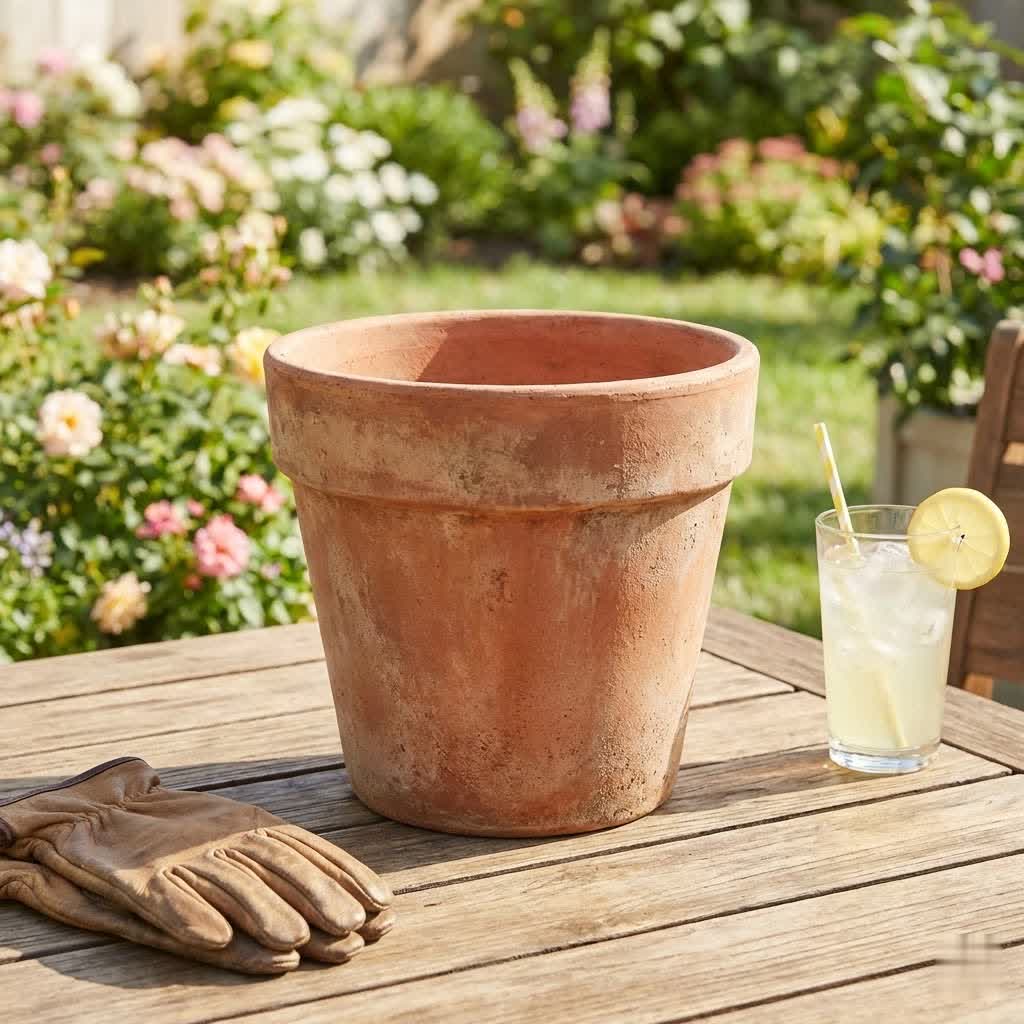
Are you looking to infuse a touch of modern sophistication into your living space? Black indoor plant pots are more than just a passing trend; they are a powerful design statement, capable of transforming any room into a chic, contemporary haven. While their sleek appearance is undeniably captivating, choosing the right black pot involves more than just aesthetics. Understanding the nuances of materials, drainage, and thermal properties is crucial for both your interior design vision and, most importantly, the thriving health of your beloved plants.
In this comprehensive guide, we’ll examine the world of black indoor plant pots, exploring popular materials, offering a detailed comparison, and providing expert advice on selection and care. By the end, you’ll be equipped with the knowledge to select the perfect black pot that not only complements your style but also creates an optimal environment for your green companions. For expert indoor reviews on this site.
The Allure and Practicalities of Black Indoor Plant Pots
Black indoor plant pots command attention, providing a dramatic, sleek, and striking contrast to vibrant green foliage or colorful blooms. They seamlessly integrate into modern, minimalist, industrial, or Scandinavian interior designs, acting as a sophisticated anchor in any decor scheme. A carefully chosen black pot can improve your plant into a true focal point, enhancing the visual appeal of your entire space.
However, the color black isn’t just about good looks; it also possesses distinct thermal properties. Black pots absorb more heat than lighter-colored alternatives. This characteristic can be a significant advantage in cooler indoor environments, as the absorbed warmth can help maintain a more consistent and favorable root zone temperature for many plants. Conversely, if a black pot is placed in direct sunlight, especially near a bright window, it can absorb excessive heat, potentially leading to root damage and faster soil drying. Therefore, mindful placement is key to harnessing the benefits and mitigating the drawbacks of a black planter.
Popular Materials for Black Indoor Plant Pots
The material of your black indoor plant pot plays a crucial role in its durability, aesthetic, and how it impacts your plant’s health. Here’s a look at some common options:
Black Ceramic Plant Pots
Black ceramic pots exude a sense of elegance and sophistication, often featuring glossy or matte finishes that enhance their premium appeal. They are known for their excellent thermal insulation, which helps stabilize soil temperatures, and their weight offers superb stability, making them ideal for larger plants. Glazed ceramic pots are less porous, preventing excessive water absorption into the pot itself.
- Pros: Sophisticated aesthetic, good thermal insulation, stable, durable (if quality ceramic).
- Cons: Heavy, prone to chipping or breaking if dropped, can be more expensive.
- How to choose: Look for high-quality glazes and ensure the pot has proper drainage holes, or plan to use it as a cachepot with an inner nursery pot.
- Care tips: Handle with care to prevent breakage. Clean with mild soap and water to maintain its finish.
Black Plastic Plant Pots
|
Our Picks for the Best Plant Pot in 2026
As an Amazon Associate I earn from qualifying purchases.
|
||
| Num | Product | Action |
|---|---|---|
| 1 | Kante 18 Inch Dia Round Concrete Planter, Indoor Outdoor Large Plant Pot with Drainage Hole and Rubber Plug for Home Patio Garden, Black |

|
| 2 | 7 pcs Plant Pots with Drainage Holes and Saucers, Indoor Planters, Set of 7 (7.5, 7, 6.5, 6, 5.5, 4.5, 3.5 Inches), White |
|
| 3 | Indoor Self Watering Planters with Drainage Holes and Saucers, 8, 7, 6.5, 6, 5.5, 5 Inches, Green, 6 Pots. |
|
| 4 | Indoor Outdoor Plant Pots- Self Watering Planters with Drainage Holes and Saucers, 9,8, 7.5 Inches, 3 Pots (Snow) |
|
| 5 | Indoor Self Watering Planters with Drainage Holes and Saucers, 8, 7, 6.5, 6, 5.5, 5 Inches, Black, 6 Pots |
|
| 6 | Indoor Self Watering Planters with Drainage Holes and Saucers, 8, 7, 6.5, 6, 5.5, 5 Inches, White, 6 Pots |
|
| 7 | Kante 18 Inch Diameter Round Concrete Planter, Indoor Outdoor Large Plant Pot with Drainage Hole and Rubber Plug for Home Patio Garden, Buff Concrete |
|
| 8 | Kante 18 Inch Dia Round Concrete Planter, Indoor Outdoor Large Plant Pot with Drainage Hole and Rubber Plug for Home Patio Garden, Charcoal |
|
| 9 | Kante 18 Inch Dia Round Concrete Planter, Indoor Outdoor Large Plant Pot with Drainage Hole and Rubber Plug for Home Patio Garden, Weathered Concrete |
|
| 10 | Indoor Self Watering Planters with Drainage Holes and Saucers, 8, 7, 6.5, 6, 5.5, 5 Inches, 6 Pots(Green+Brown |
|
Plastic pots, often made from polyresin or ABS, are a highly popular choice due to their versatility and practicality. They are lightweight, making them easy to move, and incredibly affordable, available in an extensive range of shapes and sizes that can even mimic more expensive materials like stone or ceramic.
- Pros: Lightweight, inexpensive, durable, moisture-resistant, wide variety.
- Cons: Can appear less high-end, prone to fading under prolonged light exposure, potential for chemical leaching (avoid for edibles), some fabric plastic types may shed microplastics.
- How to choose: Opt for pots made from thicker, UV-resistant plastics like polypropylene or polyresin for better durability and color retention. Always ensure adequate drainage.
- Care tips: Easy to clean. Consider placing them away from intense, direct sunlight to prevent fading and excessive heat absorption.
Black Terracotta Plant Pots
Traditional terracotta pots are highly prized for their porous nature, which allows the soil to breathe and helps prevent overwatering and root rot. When stained or glazed black, they offer a rustic yet chic aesthetic. This breathability makes them an excellent choice for plants that prefer drier soil conditions.
- Pros: Porous, excellent breathability, prevents root rot, good for drought-tolerant plants.
- Cons: Can cause soil to dry out faster (requiring more frequent watering), heavier than plastic, more fragile than plastic or fiberglass.
- Distinguishing types: Black terracotta is typically unglazed or stained, retaining some of the natural clay’s porous properties. Glazed versions will behave more like ceramic.
- Care tips: Monitor soil moisture closely as they may dry out faster. If unglazed, they may develop a white mineral buildup over time, which can be cleaned with a stiff brush.
Black Metal Plant Pots
Black metal planters introduce an industrial charm and modern edge to any interior design. They are durable and can retain heat, which can be beneficial in cooler settings. However, their material also comes with specific considerations.
- Pros: Durable, modern/industrial aesthetic, good heat retention (in cool spaces).
- Cons: Can be heavy, susceptible to rust if not properly treated or lined, can get very hot in direct sun.
- Considerations: Look for metal pots with rust-resistant coatings or consider using them primarily as decorative cachepots with an inner plastic nursery pot.
- Rust Prevention: Ensure proper drainage and avoid leaving standing water. Using a plastic liner within the metal pot can offer protection.
Black Fiberglass Plant Pots
Fiberglass plant pots are an increasingly popular choice, lauded for combining robust durability with remarkable lightness. This composite material offers excellent thermal regulation, making it versatile for a wide range of plants, and is often UV and frost-resistant.
- Pros: Robust, lightweight, excellent thermal regulation, highly durable, UV and frost-resistant, versatile designs.
- Cons: Can be more expensive than plastic or ceramic.
- Mechanism: Made from fiberglass strands embedded in resin, they are molded into various shapes and sizes, providing a seamless and often high-end appearance.
- Suitable plants: Highly versatile due to their ability to maintain stable soil temperatures, making them suitable for almost any indoor plant.
Comparison Table: Black Indoor Plant Pot Materials
| Feature | Ceramic | Plastic | Terracotta (Black) | Metal | Fiberglass |
|---|---|---|---|---|---|
| Price | Mid-High | Low | Mid | Mid-High | High |
| Durability | Good (can chip) | Good (can fade/crack) | Moderate (fragile) | High (can rust) | Excellent |
| Drainage | Varies (needs holes) | Good (easy to drill) | Excellent (porous) | Varies (needs liners/holes) | Good (needs holes) |
| Aesthetics | Elegant, classic | Versatile, practical | Rustic, chic | Modern, industrial | Sleek, high-end |
| Heat Absorption | Moderate | High | Moderate | High | Low-Moderate (insulating) |
| Weight | Heavy | Lightweight | Moderate-Heavy | Heavy | Lightweight |
How to Choose Your Perfect Black Indoor Plant Pot
Selecting the ideal black indoor plant pot involves harmonizing your plant’s biological needs with your aesthetic preferences and the practicalities of your living space.
Define Your Needs
Before falling in love with a pot, consider the specifics:
- Plant Type: Does your plant prefer consistently moist soil (like ferns) or does it thrive in drier conditions (like succulents and cacti)? Terracotta is great for the latter due to its breathability, while plastic or glazed ceramic retains moisture better.
- Plant Size: A good rule of thumb is to choose a pot that is approximately 1-2 cm wider in diameter than the plant’s current nursery pot. For taller plants, a slightly larger pot can prevent it from looking out of proportion.
- Placement: Where will the pot reside? If it’s in a bright, sunny window, that black pots absorb more heat, potentially stressing heat-sensitive plants. In cooler, shadier spots, the heat absorption can be beneficial.
Select the Right Material
Based on your plant’s needs and your lifestyle, choose a material that offers the best balance. Prioritize safe, durable options such as fiberglass, thick polyresin plastic, or quality ceramic. Consider the pot’s ability to retain moisture versus its need for quick drainage. For plants needing constant moisture, materials that hold water well are preferred; for those prone to root rot, porous materials are better, or ensure excellent drainage in non-porous pots.
Pay Attention to Design and Color
The beauty of black is its versatility. It can act as a bold focal point or blend subtly into a sophisticated backdrop.
- Style Fit: Choose a style that complements your existing interior, whether it’s a sleek, geometric design for modern homes or a textured finish for a more organic feel.
- Matte vs. Glossy: A matte black pot offers a soft, understated elegance, while a glossy finish adds a touch of drama and reflection.
- Contrast or Harmony: Use black pots to create a striking contrast with lush green foliage, or pair them with other dark elements for a cohesive, moody aesthetic.
Inspect Thoroughly Before Buying
A critical step is to carefully inspect any potential purchase.
- Check for Imperfections: Ensure the pot has no cracks, chips, or manufacturing flaws.
- Drainage Holes: Proper drainage is non-negotiable for plant health. Confirm the pot has adequate drainage holes, or if it’s a decorative cachepot, plan to keep your plant in its nursery pot for easy watering and draining.
- Warranty: For higher-priced or specialized pots, inquire about warranty information to protect your investment.
Expert Tips for Caring for Your Black Plant Pots
Caring for your plant pots extends their lifespan and keeps your plants healthy and beautiful.
Cleaning Your Plant Pots
Regular cleaning prevents the buildup of mineral deposits, salt, and potential pests.
- Routine Cleaning: Wipe down the exterior of your black pots periodically with a damp cloth to remove dust and maintain their sleek appearance.
- Deeper Clean: For more stubborn dirt or mineral buildup, especially on terracotta, use a mild soap solution and a soft brush. For plastic and ceramic, a gentle scrub is usually sufficient. Always rinse thoroughly.
- Sanitization: If a plant has suffered from pests or diseases, thoroughly clean and sanitize the pot before reusing it for another plant. A diluted bleach solution (1 part bleach to 9 parts water) can be effective, followed by a thorough rinse.
Repotting Your Plants
Knowing when and how to repot is vital for your plant’s continued growth.
- When to Repot: Look for signs like roots circling the bottom of the pot, roots growing out of drainage holes, stunted growth, or a plant that frequently needs watering. Typically, repotting is needed every 1-2 years.
- Choosing the Right Soil: Select a potting mix specifically formulated for your plant type. Good quality potting soil offers proper aeration and nutrient retention.
- The Process: Gently remove the plant from its old pot. Loosen any circling roots. Add a layer of fresh potting mix to the new pot, place the plant, and fill with more soil, leaving about an inch of space from the rim. Water thoroughly after repotting.
Fertilizing Plants in Pots
Potted plants rely on you for their nutrients, as their access to external sources is limited.
- Suitable Fertilizers: Liquid fertilizers are easy to apply and provide quick nutrient uptake. Slow-release granular fertilizers offer a more sustained nutrient supply. Choose a balanced fertilizer suitable for houseplants.
- Dosage and Frequency: Always follow the product’s instructions carefully. Over-fertilizing can harm your plant. Generally, fertilize during the growing season (spring and summer) and reduce or stop in fall and winter when plant growth slows. The frequency may also be influenced by the pot material; plants in terracotta might need more frequent watering and thus potentially more frequent, but diluted, fertilization.
Conclusion
Choosing a black indoor plant pot is an opportunity to marry functionality with high-end design. Whether you opt for the earthy breathability of black terracotta, the durable lightness of plastic, the sophisticated finish of ceramic, the industrial edge of metal, or the versatile resilience of fiberglass, each material offers unique advantages and considerations. By understanding your plant’s specific needs, assessing the environmental conditions of your space, and carefully inspecting your chosen pot, you can ensure a successful and stylish partnership between your plants and their dark, elegant homes. A thoughtful choice leads to flourishing greenery and an enhanced living environment.
What black pot design will inspire your indoor garden’s next stunning transformation?
Frequently Asked Questions
Are black plant pots bad for plants?
Not inherently. While black pots absorb more heat than lighter ones, this can actually be beneficial in cooler indoor environments by helping to maintain a consistent root zone temperature. However, placing them in direct, intense sunlight can lead to overheating and root stress, so adjust placement for heat-sensitive plants.
How do I prevent black plastic pots from fading?
To minimize fading, choose black plastic pots made from UV-resistant materials like thick polypropylene or polyresin. Positioning them away from prolonged, direct sunlight, especially through a window that magnifies light, can help preserve their color and integrity.
Do black plant pots need more watering?
Due to their heat-absorbing properties, soil in black pots can dry out faster than in lighter-colored pots, particularly if they are near sunny windows or in warmer rooms. It’s advisable to monitor the soil moisture more frequently and adjust your watering schedule accordingly to prevent your plants from drying out.
Can I use black terracotta pots indoors?
Yes, black terracotta pots are well-suited for indoor use. Their natural porosity promotes excellent air circulation to the roots and helps wick away excess moisture, making them ideal for plants that prefer drier soil conditions, such as succulents and cacti.
What plants look best in black indoor plant pots?
Black pots create a striking contrast that makes the lush green foliage, vibrant colors, or unique textures of many houseplants truly pop. Popular choices include ZZ plants, Pothos, Snake plants, Fiddle Leaf Figs, Alocasia, Calathea, and various succulents, all of which stand out beautifully against a dark backdrop.
Get our weekly buyer guide
Practical specs, not advice. Unsubscribe anytime.
