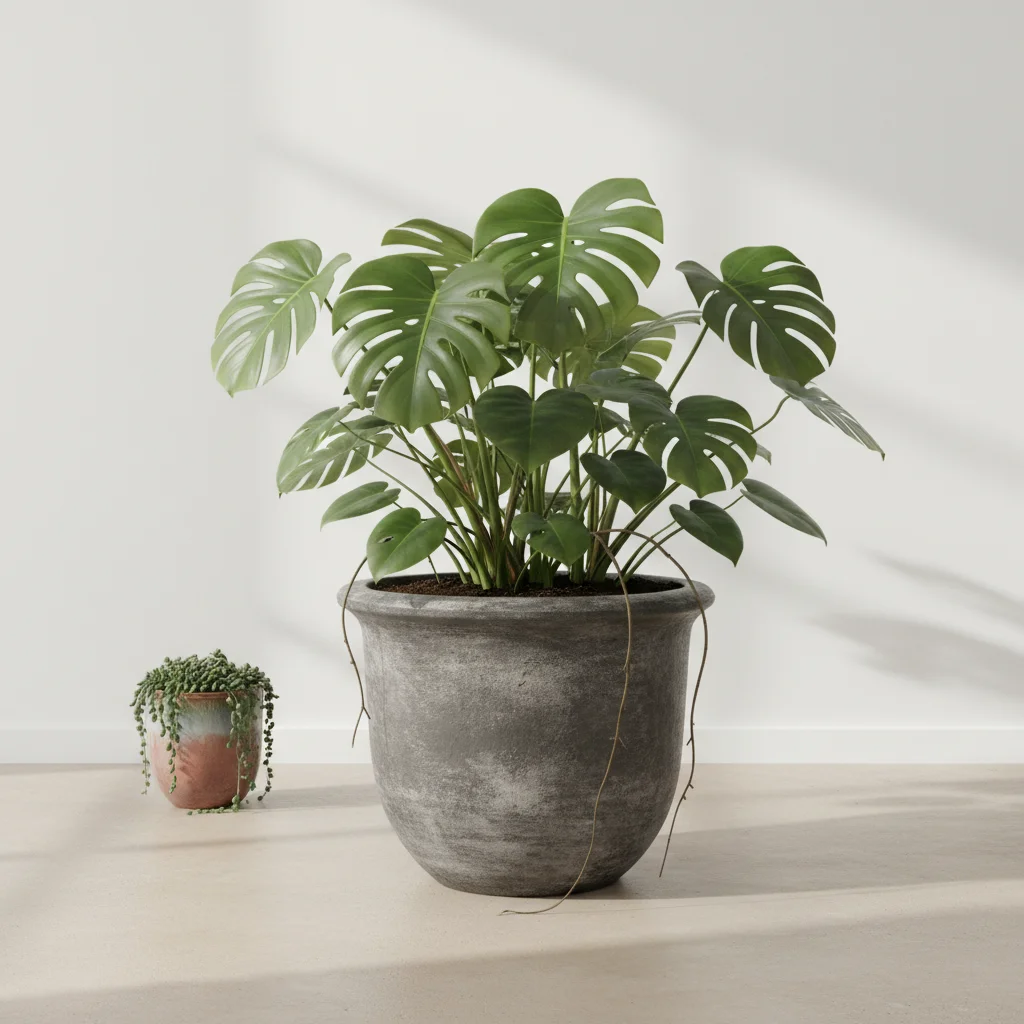
Choosing the right large plant pot is crucial for the health and growth of your substantial greenery. There are five main types of large plant pots to consider, each offering distinct advantages in terms of material, weight, and aesthetic appeal. Understanding these options will help you select a pot that not only supports your plant’s root system but also complements your indoor or outdoor decor.
Understanding Large Plant Pot Materials
Large plant pots come in a variety of materials, each with its own set of characteristics. Terracotta pots are popular for their breathability, which helps prevent root rot, but they can be heavy and prone to cracking in freezing temperatures. Ceramic pots offer a wide range of decorative options and good insulation, but they are also heavy and can be expensive. Plastic pots are lightweight, durable, and affordable, making them a practical choice for many, though they may not offer the same aesthetic as natural materials.
Fiberglass pots are an excellent lightweight alternative to ceramic or terracotta, offering durability and a wide range of finishes. They are resistant to weather and easy to move. Metal pots, such as those made from galvanized steel or aluminum, provide a modern look and are very durable, though they can heat up quickly in direct sunlight, potentially stressing plant roots.
Considering Drainage and Size for Large Plants
Proper drainage is paramount for large plant pots. Ensure the pot you choose has adequate drainage holes to prevent waterlogging, which can lead to root rot. For very large plants, consider using a pot with multiple drainage holes or adding a layer of gravel or broken pottery at the bottom to improve drainage. The size of the pot should accommodate the plant’s current root ball with room for future growth, typically allowing for an inch or two of space around the root ball for smaller plants, and more for larger specimens.
Placement and Mobility of Large Plant Pots
|
Our Picks for the Best Plant Pot in 2026
As an Amazon Associate I earn from qualifying purchases.
|
||
| Num | Product | Action |
|---|---|---|
| 1 | Kante 18 Inch Dia Round Concrete Planter, Indoor Outdoor Large Plant Pot with Drainage Hole and Rubber Plug for Home Patio Garden, Charcoal |

|
| 2 | Kante 18 Inch Dia Round Concrete Planter, Indoor Outdoor Large Plant Pot with Drainage Hole and Rubber Plug for Home Patio Garden, Weathered Concrete |
|
| 3 | Indoor Self Watering Planters with Drainage Holes and Saucers, 8, 7, 6.5, 6, 5.5, 5 Inches, Green, 6 Pots. |
|
| 4 | Kante 18 Inch Dia Round Concrete Planter, Indoor Outdoor Large Plant Pot with Drainage Hole and Rubber Plug for Home Patio Garden, Black |
|
| 5 | Indoor Outdoor Plant Pots- Self Watering Planters with Drainage Holes and Saucers, 9,8, 7.5 Inches, 3 Pots (Snow) |
|
| 6 | Indoor Self Watering Planters with Drainage Holes and Saucers, 8, 7, 6.5, 6, 5.5, 5 Inches, 6 Pots(Green+Brown |
|
| 7 | Indoor Self Watering Planters with Drainage Holes and Saucers, 8, 7, 6.5, 6, 5.5, 5 Inches, White, 6 Pots |
|
| 8 | Kante 18 Inch Diameter Round Concrete Planter, Indoor Outdoor Large Plant Pot with Drainage Hole and Rubber Plug for Home Patio Garden, Buff Concrete |
|
| 9 | 7 pcs Plant Pots with Drainage Holes and Saucers, Indoor Planters, Set of 7 (7.5, 7, 6.5, 6, 5.5, 4.5, 3.5 Inches), White |
|
| 10 | Indoor Self Watering Planters with Drainage Holes and Saucers, 8, 7, 6.5, 6, 5.5, 5 Inches, Black, 6 Pots |
|
The intended placement of your large plant pot will influence your choice. For outdoor use, consider materials that are weather-resistant and can withstand temperature fluctuations. Indoor pots might prioritize aesthetics and weight, especially if you plan to move them. For very heavy pots, consider adding plant pot caddies with wheels to facilitate easy relocation for cleaning or repositioning.
Aesthetic Considerations and Styling
The visual impact of a large plant pot is significant, as it can become a focal point in your space. Consider the color, texture, and style of the pot to ensure it harmonizes with your existing decor. A minimalist concrete pot might suit a modern interior, while a rustic wooden planter could enhance a bohemian or natural setting. Think about how the pot’s design complements the plant itself, creating a cohesive and appealing display.
Maintenance and Longevity of Large Plant Pots
Different materials require varying levels of maintenance. Terracotta and unglazed ceramic pots may develop a patina over time, which some find appealing, but they can also absorb minerals and salts, requiring occasional cleaning. Plastic and fiberglass pots are generally low-maintenance and easy to clean. Metal pots may require treatment to prevent rust, depending on the type of metal and finish. Investing in a durable pot will ensure it lasts for many years, providing a stable home for your growing plants.
- Terracotta: Breathable, heavy, prone to cracking in frost.
- Ceramic: Decorative, good insulation, heavy, can be costly.
- Plastic: Lightweight, durable, affordable, less aesthetic.
- Fiberglass: Lightweight, durable, weather-resistant, versatile finishes.
- Metal: Modern look, very durable, can heat up quickly.
Get our weekly buyer guide
Practical specs, not advice. Unsubscribe anytime.
