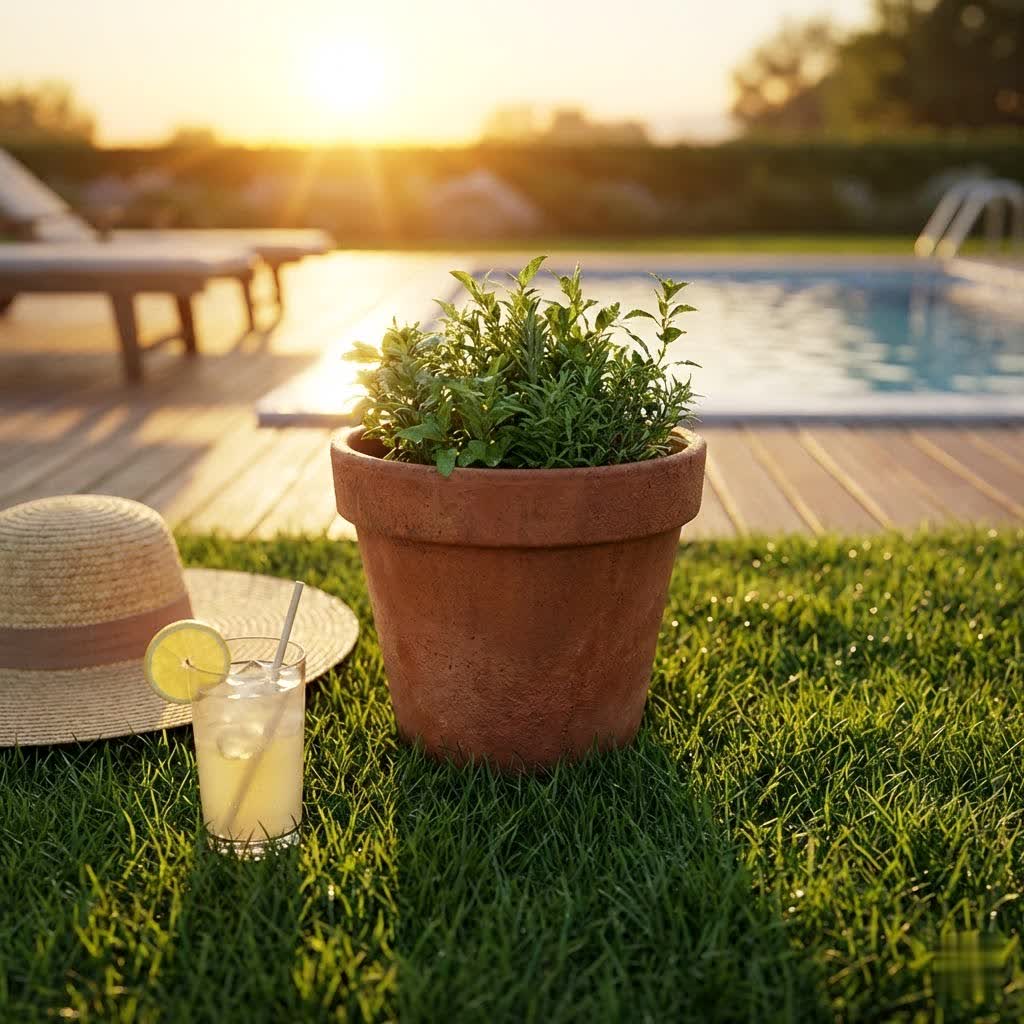
Choosing the right plant pot is more than just a matter of aesthetics; it’s a critical decision that directly impacts the health and growth of your beloved plants. As an experienced horticulturist with a decade devoted to plant care and container gardening, I understand the nuances of materials, sizes, and styles that can make all the difference. This comprehensive guide will walk you through everything you need to know to select the ideal plant pot that meets both your plant’s needs and your personal style, ensuring your green companions flourish.
Popular Plant Pot Types
The market offers a diverse array of plant pot materials, each with unique characteristics that can benefit or hinder plant growth. Understanding these differences is the first step to becoming a successful container gardener. For more indoor guides on this site.
Ceramic Plant Pots
Ceramic pots, especially glazed varieties, are a classic choice known for their aesthetic appeal and durability. They offer a wide range of colors, patterns, and finishes, making them versatile for any decor.
- Pros: Glazed ceramic pots are less porous than terracotta, which means they retain moisture longer, reducing the frequency of watering. Their heavier weight provides excellent stability for larger plants, preventing them from tipping over. They are highly decorative and can elevate the look of any space.
- Cons: Ceramic pots can be quite heavy, especially in larger sizes, making them difficult to move. They are susceptible to cracking and breaking, particularly in freezing temperatures, as absorbed water can expand. Glazed finishes can also chip or peel over time.
- Choosing the Right Ceramic Pot: Look for pots with adequate drainage holes to prevent waterlogging. Consider the pot’s weight if mobility is a concern.
- Care Tips: Clean ceramic pots with warm soapy water and a soft brush to remove dirt and mineral buildup. For stubborn mineral deposits, a solution of 4 parts water to 1 part vinegar can be used for soaking. Ensure thorough rinsing and air drying before reuse.
Plastic Plant Pots
Plastic pots are ubiquitous in gardening due to their practicality and affordability. They are a popular choice for both beginners and experienced gardeners alike.
- Pros: Plastic pots are remarkably lightweight, making them easy to move around, even when filled with soil and a plant. They come in an extensive variety of shapes, sizes, and colors, often mimicking the appearance of more expensive materials. They are generally resistant to rot and rust and are more affordable. Plastic’s non-porous nature helps retain moisture, which can be beneficial in dry conditions.
- Cons: The quality of plastic pots can vary significantly; cheaper plastics may degrade, fade in UV light, and become brittle, cracking in cold temperatures. While moisture retention can be a pro, it can also lead to root rot if drainage is insufficient or if plants are overwatered.
- Safe Plastic Types: Look for plastics labeled as food-safe if you’re growing edibles, as some plastics can leach chemicals into the soil. Recycled plastics are an environmentally friendly option.
- Recycling Plastic Pots: Many garden centers offer recycling programs for old plastic pots. Always check local recycling guidelines.
Terracotta Plant Pots (Unglazed Clay)
|
Our Picks for the Best Plant Pot in 2026
As an Amazon Associate I earn from qualifying purchases.
|
||
| Num | Product | Action |
|---|---|---|
| 1 | Indoor Outdoor Plant Pots- Self Watering Planters with Drainage Holes and Saucers, 9,8, 7.5 Inches, 3 Pots (Snow) |

|
| 2 | 7 pcs Plant Pots with Drainage Holes and Saucers, Indoor Planters, Set of 7 (7.5, 7, 6.5, 6, 5.5, 4.5, 3.5 Inches), White |
|
| 3 | Indoor Self Watering Planters with Drainage Holes and Saucers, 8, 7, 6.5, 6, 5.5, 5 Inches, 6 Pots(Green+Brown |
|
| 4 | Indoor Self Watering Planters with Drainage Holes and Saucers, 8, 7, 6.5, 6, 5.5, 5 Inches, White, 6 Pots |
|
| 5 | Kante 18 Inch Dia Round Concrete Planter, Indoor Outdoor Large Plant Pot with Drainage Hole and Rubber Plug for Home Patio Garden, Charcoal |
|
| 6 | Kante 18 Inch Dia Round Concrete Planter, Indoor Outdoor Large Plant Pot with Drainage Hole and Rubber Plug for Home Patio Garden, Black |
|
| 7 | Kante 18 Inch Diameter Round Concrete Planter, Indoor Outdoor Large Plant Pot with Drainage Hole and Rubber Plug for Home Patio Garden, Buff Concrete |
|
| 8 | Indoor Self Watering Planters with Drainage Holes and Saucers, 8, 7, 6.5, 6, 5.5, 5 Inches, Black, 6 Pots |
|
| 9 | Kante 18 Inch Dia Round Concrete Planter, Indoor Outdoor Large Plant Pot with Drainage Hole and Rubber Plug for Home Patio Garden, Weathered Concrete |
|
| 10 | Indoor Self Watering Planters with Drainage Holes and Saucers, 8, 7, 6.5, 6, 5.5, 5 Inches, Green, 6 Pots. |
|
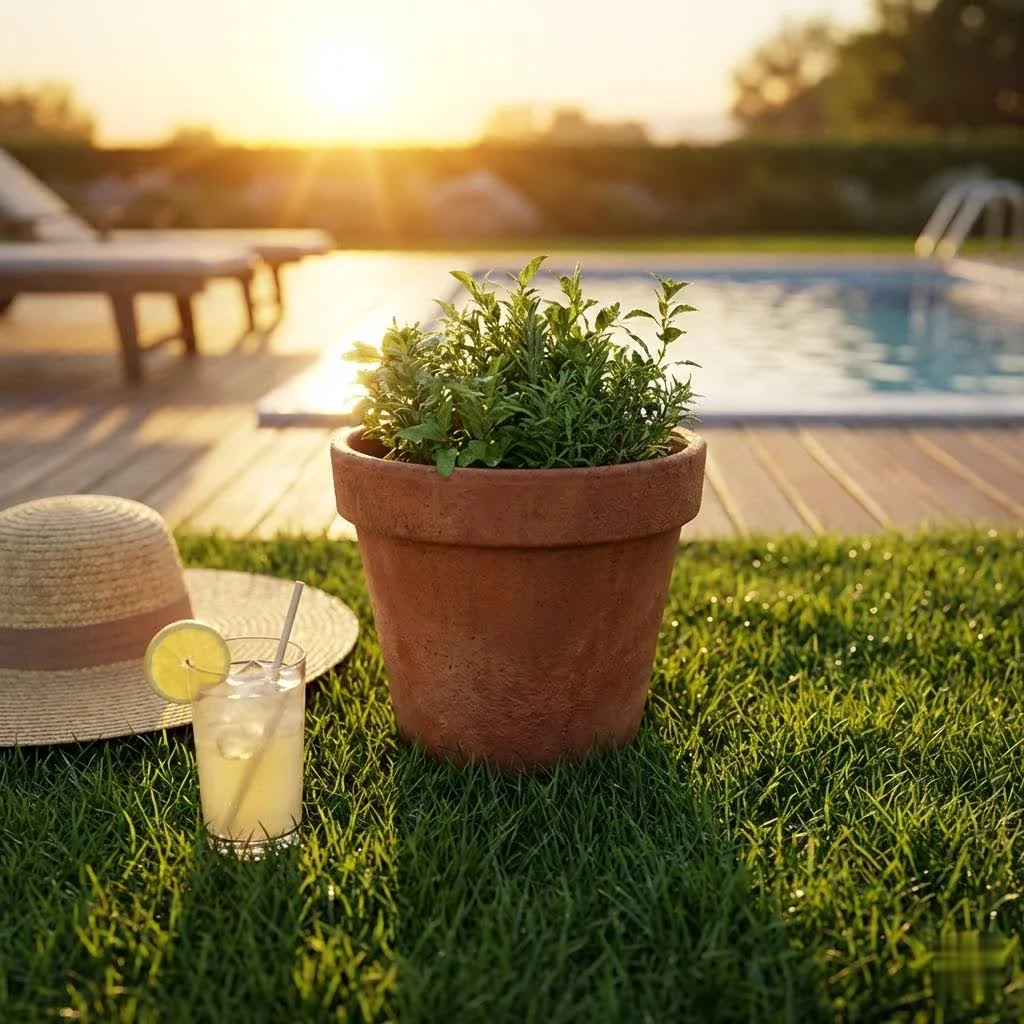
Terracotta pots, made from unglazed fired clay, are known for their earthy, natural appeal and excellent breathability.
- Pros: Terracotta is highly porous, allowing air to circulate freely around plant roots and moisture to evaporate from the pot’s surface. This “breathing” action helps prevent root rot and keeps soil temperatures cooler in hot weather. They are widely available and relatively inexpensive.
- Cons: Due to their porosity, terracotta pots dry out quickly, requiring more frequent watering, especially in hot or sunny conditions. They are heavy and quite fragile, prone to cracking and breaking. Mineral salts from water and fertilizers can accumulate on the exterior, creating a white, crusty buildup that can affect soil pH and plant health.
- Distinguishing Terracotta: Unglazed terracotta has a distinctive reddish-brown color and a rough, matte finish. High-quality terracotta will feel dense and sturdy.
- Treating New Terracotta Pots: Before using new terracotta pots, soak them in water for a few hours to prevent them from wicking moisture away from the potting soil too quickly. This also helps to reduce the initial buildup of mineral deposits. To prevent exterior staining, some gardeners paint the inside and bottom with non-toxic waterproof paint.
Metal Plant Pots
Metal pots offer a contemporary and industrial aesthetic that can add a unique touch to modern spaces.
- Pros: Metal planters are very strong and durable, resisting cracking in freezing temperatures. Materials like aluminum, stainless steel, or Corten steel offer good resistance to rust, with Corten steel developing a protective, stable rust layer over time.
- Cons: Metal pots can heat up significantly in direct sunlight, potentially overheating and stressing plant roots. They are typically heavy, making large sizes difficult to move. Untreated ferrous metals will rust and can stain surfaces below. They can also be expensive and prone to denting. Indoors, metal planters can condense moisture and rust if drainage is poor.
- Considerations: Choose coated or rust-resistant metals for longevity. Ensure adequate drainage and consider insulation in hot climates to protect roots.
Self-Watering Plant Pots
Self-watering pots are designed to provide plants with a consistent water supply, making plant care easier and more efficient.
- Mechanism: These pots typically feature a reservoir at the bottom and a wicking system (like a wick or capillary mat) that draws water up to the soil as needed. This allows plants to absorb water at their own pace.
- Pros: They significantly reduce the frequency of watering, making them ideal for busy individuals or those who travel frequently. They promote consistent moisture levels, which can lead to healthier plant growth and reduce the risk of both overwatering and underwatering.
- Cons: Initial setup can be more complex than traditional pots. They may not be suitable for all plant types, especially those that prefer drier conditions. Overfilling the reservoir or poor drainage can still lead to root rot.
- Suitable Plants: Many houseplants, herbs, and vegetables thrive in self-watering pots, particularly those that prefer consistently moist soil.
Comparing Plant Pot Types: A Detailed Look
Here’s a comparison table to help you quickly weigh the options based on key factors:
| Feature | Ceramic (Glazed) | Plastic | Terracotta (Unglazed) | Metal | Self-Watering |
|---|---|---|---|---|---|
| Price | Moderate to High | Low | Low to Moderate | Moderate to High | Moderate to High |
| Durability | Good | Varies (Fair to Good) | Fragile | Excellent | Good |
| Water Retention | High | High | Low (Dries quickly) | High | Excellent |
| Drainage | Requires holes | Requires holes | Excellent (Porous) | Requires holes | Built-in system |
| Aesthetics | High (Decorative) | Varies (Can mimic others) | Natural (Earthy) | Modern/Industrial | Functional |
| Weight | Heavy | Lightweight | Heavy | Heavy | Varies |
| Insulation | Moderate | Low | Moderate | Low (Heats up) | Moderate |
| Maintenance | Moderate | Low | High (Frequent watering) | Moderate (Rust prevention) | Low (Watering) |
| Outdoor Use | Good (Avoid freezing) | Good | Good (Cracks in freeze) | Good (Rust resistant) | Good |
| Indoor Use | Excellent | Excellent | Good (Needs saucer) | Good | Excellent |
Guide to Choosing the Right Plant Pot
Selecting the perfect plant pot involves a thoughtful assessment of your plant’s needs, your living space, and your personal preferences.
1. Determine Your Needs
Before falling in love with a pot’s appearance, consider the practical aspects.
- Plant Type: Different plants have varying root systems and moisture preferences. Succulents prefer pots that dry out quickly, while moisture-loving plants thrive in pots that retain water.
- Plant Size: A common mistake is choosing a pot that’s too small or too large. A pot that is too small restricts root growth, while an oversized pot can lead to excessive moisture and root rot. As a general rule, choose a new pot that is 2 inches larger in diameter than the plant’s current pot for smaller plants, and gradually increase size as the plant grows.
- Pot Placement: Will the pot be indoors or outdoors? Outdoor pots need to withstand varying weather conditions, while indoor pots should complement your interior decor and protect surfaces from water leakage.
- Mobility: If you plan to move your plants frequently, opt for lightweight materials or pots with wheels.
2. Choose the Right Material
Based on your needs, consider the material’s properties.
- Prioritize Safety and Durability: For edible plants, ensure the material is food-safe. For outdoor use, choose materials resistant to UV, frost, and general wear.
- Assess Drainage and Moisture Retention: Plants need adequate drainage to prevent root rot. Pots with good drainage holes are essential. If a pot lacks holes, either drill them or use an inner pot with drainage. Consider the material’s porosity; terracotta allows evaporation, while plastic retains moisture.
3. Consider Design and Color
The visual appeal of a plant pot can significantly enhance your space.
- Match Interior Style: Choose a pot that complements your home decor, whether it’s modern, rustic, minimalist, or bohemian.
- Harmonize with Surroundings: Select colors and textures that create a cohesive and pleasing aesthetic with your plants and the surrounding environment. Neutral tones often allow the plant’s natural beauty to stand out.
4. Inspect Before Buying
A quick check can save you future frustration.
- Check for Cracks or Damage: Ensure the pot is free from any structural damage that could compromise its integrity or lead to leaks.
- Verify Drainage Holes: Confirm the presence and adequacy of drainage holes.
- Inquire About Warranty: For higher-priced or specialized pots, ask about warranty or return policies.
Essential Plant Pot Care Tips
Proper care of your plant pots ensures their longevity and the continued health of your plants.
Cleaning Plant Pots
Regular cleaning prevents disease and mineral buildup.
- Routine Cleaning: For everyday maintenance, wipe down pots with a damp cloth to remove dirt and grime.
- Deep Cleaning (Before Repotting): Before reusing pots, especially for new plants, thorough cleaning and sterilization are crucial to eliminate pathogens, mineral deposits, and pests.
- Clay Pots: Empty soil, scrub debris, then soak in a solution of 4 parts water to 1 part vinegar for up to 30 minutes to remove mineral buildup. Rinse thoroughly and air dry completely to prevent mold. A 1:10 bleach solution can also be used for sanitization.
- Lightweight Resin/Fiberglass: Wipe down with a dry cloth, then scrub with warm water and gentle soap. For stubborn stains, use equal parts vinegar and water. Rinse well and air dry. Avoid harsh chemicals or abrasive tools.
- Delicate Materials (Wood, Bamboo): Clean with a dry or lightly dampened cloth. Avoid soaking or hosing down. Any plastic inserts can be removed and cleaned separately.
Repotting Plants
Knowing when and how to repot is vital for plant growth.
- When to Repot: Plants typically need repotting when they outgrow their current pot, indicated by roots growing out of drainage holes, a packed root ball, or stunted growth. The ideal time to repot is usually in spring or summer during the plant’s active growth phase.
- Choosing the Right Soil: Use a high-quality potting mix specifically designed for container gardening, as garden soil can be too dense and lack proper drainage.
- Repotting Process:
- Stop watering the plant a day or two before repotting to allow the soil to dry, making it easier to remove the plant and reducing root disturbance.
- Gently remove the plant from its current pot. Loosen any root-bound roots carefully.
- Choose a new pot that is 2-4 inches larger in diameter than the old one.
- Fill the bottom third of the new pot with fresh potting mix, gently pressing it down.
- Place the plant in the new pot, ensuring the soil level is about 1 inch below the rim.
- Fill the remaining space with soil, gently patting it down around the roots.
- Water thoroughly and place the plant in a shaded area for a day or two to help it recover from repotting shock.
Fertilizing Potted Plants
Container plants often require regular fertilization because nutrients can leach out with frequent watering.
- Suitable Fertilizers: An all-purpose fertilizer is a good starting point, providing essential nitrogen, phosphorus, and potassium, along with other micronutrients. For flowering or fruiting plants, choose fertilizers with higher phosphorus or potassium content.
- Dosage and Frequency: Begin regular fertilizer applications 2-6 weeks after planting. Always follow the product label to avoid over-fertilizing, which can damage plants. Consider more frequent, lower-dose applications to prevent nutrient loss through drainage.
- Mulching: Adding mulch to your potted plants can help minimize water loss from evaporation and moderate soil temperatures, keeping roots cooler in hot weather.
Conclusion
The journey of selecting the perfect plant pot is an exciting one, blending horticultural science with personal style. By understanding the unique properties of various materials, making informed decisions about size and aesthetics, and committing to consistent care, you create an optimal environment for your plants to flourish. The right plant pot isn’t just a container; it’s a home where your green companions can thrive and bring beauty to your space.
What unique plant pot challenges have you faced, and how did you overcome them?
Frequently Asked Questions
How do I know if my plant pot is too big?
An oversized plant pot holds more soil, which can retain too much moisture, leading to root rot, especially if the plant’s root system is not large enough to absorb all the water. Signs include slow growth or yellowing leaves. It’s best to gradually increase pot size as your plant grows.
Is drainage always necessary for plant pots?
Yes, adequate drainage is almost always necessary. Without drainage holes, excess water can accumulate at the bottom of the pot, creating a waterlogged environment that suffocates roots and leads to root rot. If a decorative pot lacks drainage, use a grow pot with holes inside it.
How often should I clean my plant pots?
You should clean your plant pots seasonally for occasional maintenance, and always thoroughly clean and sanitize them before repotting a new plant into a used container. This prevents the spread of diseases, pests, and the buildup of harmful mineral deposits that can affect plant health.
Can I use outdoor plant pots indoors?
Yes, many outdoor plant pots can be used indoors, provided they have proper drainage and you place a saucer or tray underneath to catch excess water. Consider the pot’s weight and material, as some outdoor materials like heavy concrete or metal can be cumbersome or too large for indoor settings.
What’s the best pot material for beginners?
Plastic pots are often recommended for beginners due to their affordability, lightweight nature, and good moisture retention, which can be forgiving if you’re still learning watering habits. Terracotta is also a great option, but requires more frequent watering.
Get our weekly buyer guide
Practical specs, not advice. Unsubscribe anytime.
