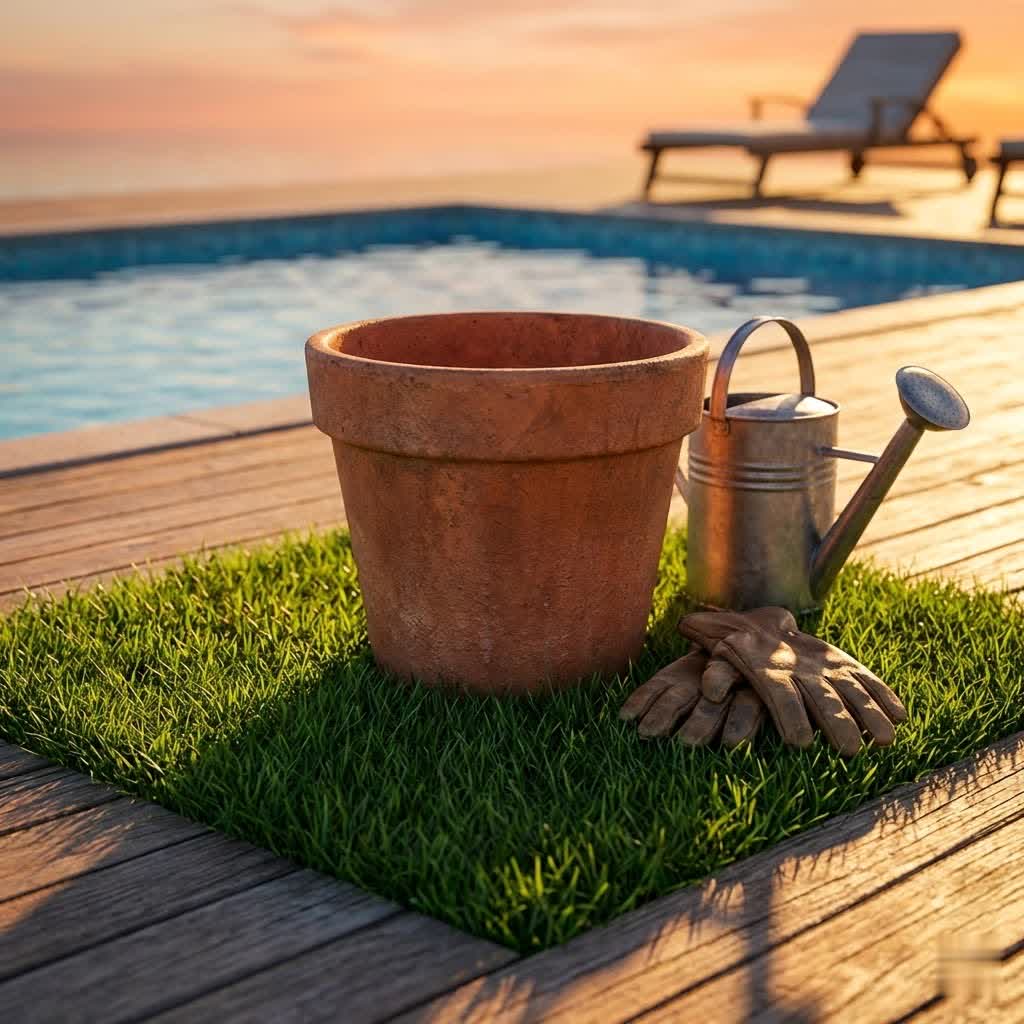
Every thriving indoor jungle or vibrant outdoor garden begins with the right foundation. For plant enthusiasts, the choice of a plant pot and its companion saucer is far more than a decorative decision; it’s a critical factor in your plant’s health and your home’s well-being. From ensuring proper drainage to protecting your precious surfaces, understanding the nuances of these essential gardening tools can transform your plant care routine. Let’s explore how to select, use, and maintain the perfect plant pot and saucer combination for your green companions.
The Unsung Heroes: Why Plant Pots and Saucers Matter
Have you ever wondered why your plants sometimes struggle despite your best efforts? Often, the answer lies hidden beneath the soil, within the pot and its saucer. These often-overlooked components play a crucial role in maintaining optimal plant health and protecting your living spaces.
Firstly, proper drainage is paramount for almost every plant, preventing the dreaded root rot that can quickly lead to a plant’s demise. Pots with drainage holes allow excess water to escape, ensuring roots aren’t left standing in water. This is where the saucer steps in, acting as a vital catch basin. It collects any runoff, safeguarding your floors, furniture, and decks from water damage, unsightly stains, and the corrosive buildup of salts and minerals that can leach from the soil. Beyond protection, saucers can also contribute to water management by allowing plants to reabsorb water from below, conserving moisture, especially in drier climates. For humidity-loving plants, a saucer can even help create a beneficial microclimate as water evaporates.
Common Types of Plant Pots
Choosing a plant pot involves considering various materials, each offering distinct advantages and drawbacks. The ideal choice balances your plant’s needs with your aesthetic preferences and the pot’s placement.
Ceramic Pots (Glazed Clay)
Ceramic pots, particularly those with a glaze, are renowned for their elegant finishes and diverse range of colors and textures. They add a sophisticated touch to any space, complementing both modern and classic decor styles. The heavy and sturdy nature of ceramic makes it an excellent choice for supporting larger plants, providing stability indoors and outdoors. However, ceramic is less porous than unglazed clay, meaning it retains moisture more effectively, which can be beneficial for plants that prefer consistent dampness or if you tend to underwater. On the downside, their weight can make them difficult to move, and they are susceptible to cracking in freezing temperatures if left outdoors with standing water.
Terracotta Pots (Unglazed Clay)
|
Our Picks for the Best Plant Pot in 2026
As an Amazon Associate I earn from qualifying purchases.
|
||
| Num | Product | Action |
|---|---|---|
| 1 | Kante 18 Inch Dia Round Concrete Planter, Indoor Outdoor Large Plant Pot with Drainage Hole and Rubber Plug for Home Patio Garden, Weathered Concrete |

|
| 2 | Kante 18 Inch Diameter Round Concrete Planter, Indoor Outdoor Large Plant Pot with Drainage Hole and Rubber Plug for Home Patio Garden, Buff Concrete |
|
| 3 | Kante 18 Inch Dia Round Concrete Planter, Indoor Outdoor Large Plant Pot with Drainage Hole and Rubber Plug for Home Patio Garden, Black |
|
| 4 | Indoor Outdoor Plant Pots- Self Watering Planters with Drainage Holes and Saucers, 9,8, 7.5 Inches, 3 Pots (Snow) |
|
| 5 | Indoor Self Watering Planters with Drainage Holes and Saucers, 8, 7, 6.5, 6, 5.5, 5 Inches, Black, 6 Pots |
|
| 6 | Indoor Self Watering Planters with Drainage Holes and Saucers, 8, 7, 6.5, 6, 5.5, 5 Inches, White, 6 Pots |
|
| 7 | Indoor Self Watering Planters with Drainage Holes and Saucers, 8, 7, 6.5, 6, 5.5, 5 Inches, Green, 6 Pots. |
|
| 8 | 7 pcs Plant Pots with Drainage Holes and Saucers, Indoor Planters, Set of 7 (7.5, 7, 6.5, 6, 5.5, 4.5, 3.5 Inches), White |
|
| 9 | Kante 18 Inch Dia Round Concrete Planter, Indoor Outdoor Large Plant Pot with Drainage Hole and Rubber Plug for Home Patio Garden, Charcoal |
|
| 10 | Indoor Self Watering Planters with Drainage Holes and Saucers, 8, 7, 6.5, 6, 5.5, 5 Inches, 6 Pots(Green+Brown |
|
Terracotta pots are a classic for a reason. Their natural, earthy aesthetic is beloved by many, but their benefits extend far beyond looks. Made from unglazed clay, terracotta is highly porous, allowing air and moisture to pass through its walls. This “breathability” helps the soil dry out more quickly, making them an excellent choice for plants prone to overwatering or those that prefer drier conditions, such as succulents and cacti. While this natural evaporation is great for root health, it also means terracotta pots dry out faster, requiring more frequent watering, especially in warm, dry environments. They can also “sweat,” leaving moisture rings on surfaces if not adequately protected by a saucer or cork pad.
Plastic Pots
Plastic pots are a ubiquitous and practical choice for many gardeners, primarily due to their lightweight nature, affordability, and durability. They are easy to move, resistant to breakage, and excel at retaining moisture, reducing the frequency of watering. This moisture retention is particularly advantageous for plants that prefer consistently moist soil or for gardeners who tend to underwater. However, plastic pots can sometimes be less aesthetically pleasing than their ceramic or terracotta counterparts, and their non-porous nature means less air circulation for roots. Darker plastic pots can also absorb more heat, potentially stressing sensitive roots in direct sunlight.
Metal Pots
Metal pots offer a sleek, modern, and industrial aesthetic that can elevate contemporary interiors and exteriors. They are durable and often come in unique designs and finishes. However, metal pots can pose challenges for plant health. They tend to heat up quickly in direct sunlight, which can cook roots and dry out the soil rapidly. Conversely, they can cool down significantly in colder temperatures, potentially shocking sensitive plants. Metal pots are also prone to rust, especially if exposed to moisture over time, requiring careful selection of rust-resistant materials and proper maintenance.
Self-Watering Pots
Self-watering pots are designed to simplify plant care by providing a consistent water supply to the plant’s roots. They typically feature a reservoir that holds water and a wicking system that draws moisture up into the soil as needed. This mechanism is a boon for busy plant parents or those who frequently travel, as it significantly reduces watering frequency. While convenient, it’s crucial to understand your plant’s specific needs, as some plants, particularly those sensitive to overwatering, may not thrive in a constantly moist environment. Selecting the right plant for a self-watering pot is key to leveraging its benefits without causing root issues.
Choosing the Perfect Saucer: Sizing, Material, and Style
A saucer is not an afterthought; it’s an integral part of your plant’s ecosystem and your home’s decor. Selecting the right one ensures both functionality and aesthetic harmony.
Sizing Guide for Saucers
The general rule of thumb for saucer sizing is crucial for effective water collection and surface protection. A saucer should typically be one to two inches wider in diameter than the base of your pot. For example, if your planter measures 10 inches across its base, an 11 to 12-inch wide saucer will provide ample space to collect runoff without overflowing. This extra margin ensures that all excess water is caught, protecting your surfaces. For smaller pots, ensure the saucer is at least as wide as the pot’s rim.
Material Considerations for Saucers
Just like pots, saucers come in various materials, each with its own benefits.
- Ceramic saucers are heavy, sturdy, and offer elegant finishes that pair well with both modern and classic planters. They are ideal for supporting large pots and resisting warping.
- Plastic saucers are lightweight, affordable, and widely available. They are effective at containing water but can sometimes be less aesthetically pleasing. Look for clear or heavy-duty options if durability and a minimal look are priorities.
- Terracotta saucers match terracotta pots perfectly and share their porous nature, allowing some evaporation. However, they can also “sweat” and stain surfaces.
- Cork mats are lightweight and waterproof, excellent for preventing moisture from reaching surfaces, especially under cachepots or smaller planters.
Deep vs. Shallow Saucers
The depth of your saucer can also influence water management. Deep saucers are excellent for plants that require more frequent watering, as they can hold a larger reservoir of excess water which the plant can reabsorb through its drainage holes. This encourages a healthier root system by allowing the plant to wick water as needed. Shallow saucers, while still protective, will need to be emptied more frequently to prevent roots from sitting in standing water for prolonged periods, especially if the plant doesn’t like consistently moist conditions.
Alternative Saucer Solutions
For added protection or specific needs, consider alternatives or enhancements. Cork pads can be used under saucers to prevent “sweating” damage to wooden surfaces. Rubber pot risers can elevate pots slightly within the saucer, improving air circulation around the drainage holes and preventing roots from sitting directly in collected water. This is particularly useful for larger plants that are difficult to move for watering.
Finding Your Ideal Plant Pot and Saucer Combo
Selecting the perfect pot and saucer requires a thoughtful approach that considers both your plant’s biological needs and your personal style.
Assess Your Plant’s Needs
Before choosing, consider the type of plant you’re nurturing. Does it have a shallow or deep root system? Succulents and cacti, for instance, thrive in shallower pots that dry out quickly, while deep-rooted plants require more vertical space. Understand its watering habits; a plant that prefers consistent moisture might do well in a non-porous pot, while one susceptible to root rot will benefit from a breathable material like terracotta. Also, consider the plant’s current size and anticipated growth rate. Generally, a new pot should be only one or two inches larger in diameter than the current grow pot to prevent overwatering and to ensure the plant isn’t overwhelmed by its container.
Consider Your Environment
Where will your plant reside? Indoor plants require saucers to protect furniture and floors from water leakage and mineral stains. For outdoor plants, especially on patios or wooden decks, the use of saucers can be debated. While they offer initial protection, prolonged standing water can trap moisture underneath, potentially leading to rot or mold on surfaces. If using saucers outdoors, regular emptying is critical, or consider using pot risers to allow air circulation and drainage beneath the pot. The amount of light and temperature fluctuations in your chosen spot also influence material choice; dark pots can overheat in intense sun, and porous materials like terracotta dry out faster in windy or hot conditions.
Aesthetics and Design
Your plant pot and saucer are also decorative elements that contribute to your home’s ambiance. Choose styles, colors, and textures that complement your existing interior design or garden aesthetic. Do you prefer a modern, minimalist look, a rustic farmhouse feel, or a vibrant bohemian vibe? A cohesive look can be achieved by matching saucer material and color to the pot, or by selecting contrasting elements for a bolder statement. Consider the overall shape and how it integrates with your space, remembering that a very tall plant in a narrow-based pot may be unstable.
Drainage Strategy
The presence or absence of drainage holes fundamentally impacts your choice. If your decorative pot lacks drainage, the “staging” method is often the healthiest approach. Simply keep your plant in its nursery grow pot (which typically has drainage) and place it inside the decorative pot. When watering, remove the grow pot, allow it to drain fully, and then return it to the decorative container. If you plant directly into a pot without drainage, be extremely careful with watering to avoid waterlogged soil and root rot. For pots with drainage holes, a well-matched saucer is indispensable.
Pre-Purchase Checklist
Before committing to a pot and saucer, a quick inspection can save you future headaches. Ensure the pot has adequate drainage holes, or plan for how you will manage drainage if it doesn’t. Check both the pot and saucer for any cracks or imperfections that could lead to leaks. For heavier materials like ceramic, assess the quality of the glaze and finish. Finally, inquire about any warranty or care instructions provided by the manufacturer.
Maintaining Your Plant Pots and Saucers
Proper maintenance ensures the longevity of your pots and saucers, keeps your plants healthy, and preserves the beauty of your living space.
Regular Cleaning
Regular cleaning is vital for both aesthetic appeal and plant health. Over time, pots and saucers can accumulate dust, dirt, hard water stains, and mineral deposits, especially around the rim and drainage holes. This buildup isn’t just unsightly; it can harbor pests and fungal pathogens, which can then affect your plants. Clean pots and saucers seasonally, or more frequently if needed, using a soft cloth or sponge with mild soap and water. For stubborn mineral stains, a mixture of water and vinegar can be effective. Avoid abrasive cleaners or harsh scrub brushes, which can damage the pot’s finish or protective layers. When repotting, thoroughly clean and sterilize old pots to eliminate any lingering diseases or pests before introducing a new plant.
Water Management
Effective water management, particularly with saucers, is critical. Always empty excess water from saucers promptly after watering, especially for indoor plants. Allowing water to sit for extended periods can cause root rot, as plant roots cannot breathe in waterlogged soil. For outdoor plants, this rule is even more crucial. Standing water in outdoor saucers can become a breeding ground for mosquitoes and, as mentioned, can cause rot on wooden surfaces if trapped underneath. If you use deep saucers for water retention, ensure the water level is monitored and replenished to avoid stagnant conditions. For plants sensitive to overwatering, consider using pot risers to keep the pot slightly elevated within the saucer, allowing for better air circulation and preventing the pot from perpetually wicking water.
Repotting and Soil Care
The health of your plants is directly linked to the quality of their soil and appropriate pot size. When a plant becomes root-bound, meaning its roots are circling the pot or growing out of the drainage holes, it’s time to repot. Choose a pot only one to two inches larger in diameter than the previous one to avoid overwatering issues. Always use fresh, high-quality potting mix suitable for your specific plant type. This provides essential nutrients and ensures proper drainage. Fertilize your potted plants according to their specific needs and the season, following product instructions carefully to avoid over-fertilization, which can burn roots.
Winter Protection for Outdoor Pots
If you have ceramic or terracotta pots outdoors in regions with freezing temperatures, take precautions. These porous materials can absorb water, and when that water freezes, it expands, causing the pots to crack or shatter. To prevent this, bring ceramic and terracotta pots indoors during winter months, or store them in a sheltered area like a garage or shed. If moving them isn’t an option, consider wrapping them in insulating materials like burlap or bubble wrap. Ensure any saucers are emptied and dry to prevent ice formation.
The symbiotic relationship between a plant pot and its saucer is fundamental to cultivating healthy, happy plants and maintaining beautiful spaces. By thoughtfully selecting materials, sizes, and styles, and diligently practicing good care and maintenance, you empower your plants to thrive. Embrace the journey of discovery, and watch your green companions flourish under your expert care.
Frequently Asked Questions
How often should I empty my plant saucer?
For most indoor plants, you should empty the saucer within 30 minutes to an hour after watering to prevent root rot. For outdoor plants, it’s even more critical to empty them promptly, especially after heavy rain, to avoid standing water and potential surface damage.
Can I use a pot without drainage holes if I have a saucer?
Using a pot without drainage holes directly with soil is risky due to potential root rot. It’s better to use it as a cachepot: keep your plant in a plastic nursery pot with drainage inside the decorative pot, removing it for watering and draining thoroughly before returning.
What’s the best material for outdoor plant saucers?
Durable materials like heavy-duty plastic, glazed ceramic, or weather-resistant composites are excellent for outdoor saucers. Ensure they are UV-resistant to prevent degradation and can withstand temperature fluctuations without cracking.
How do I know what size saucer to buy?
Measure the bottom diameter of your plant pot. Your saucer should ideally be 1 to 2 inches wider than this measurement. This ensures sufficient capacity to catch all excess water without spilling and provides stability for the pot.
Why are my terracotta pots “sweating”?
Terracotta is a porous material that allows water to evaporate through its walls, a process often called “sweating.” While beneficial for plant roots, this can leave moisture rings or mineral deposits on surfaces. Using a protective cork pad or a glazed ceramic saucer underneath can prevent damage.
Get our weekly buyer guide
Practical specs, not advice. Unsubscribe anytime.
