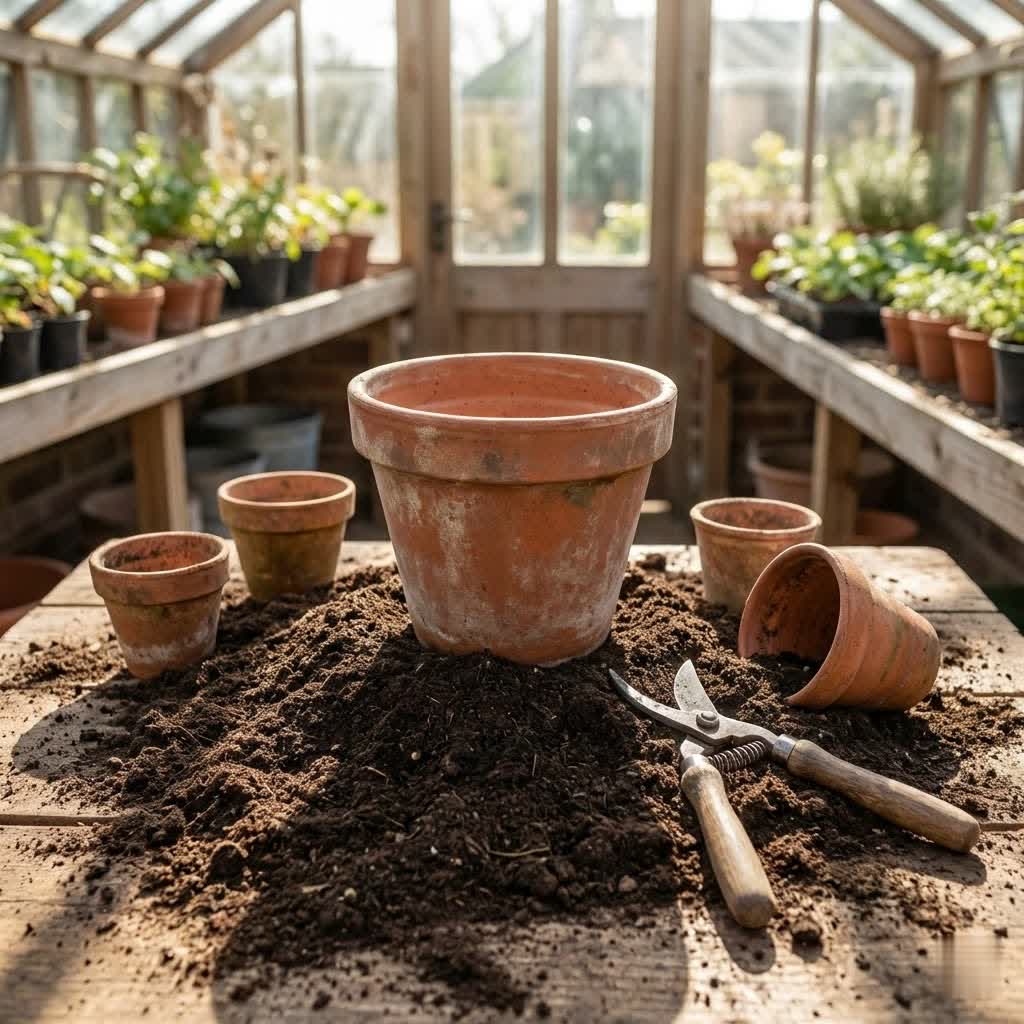
Welcome to ReviewMacy.com! As a seasoned technician with a decade of expertise in plant cultivation and care, particularly with plant pots, I’ve seen how the right pot can transform a plant’s health and a home’s aesthetic. Forget conventional containers; plant pots on legs are a major upgrade, offering a stylish lift that benefits both your plants and your living space. This comprehensive guide will walk you through everything you need to know about these elevated planters, from their practical advantages and diverse materials to choosing and maintaining the perfect one for your green companions.
Why Choose Plant Pots on Legs? The Benefits Unveiled
Plant pots on legs, also known as elevated planters, offer a multitude of advantages that go beyond mere aesthetics. They are designed to enhance your plant’s well-being and simplify your care routine, while simultaneously elevating your interior or exterior decor.
Improved Drainage and Air Circulation
One of the most critical factors for healthy plant growth is proper drainage and air circulation around the root system. When a pot sits directly on a flat surface, drainage holes can become blocked, leading to waterlogged soil and potential root rot. Plant pots on legs lift the container, ensuring that excess water can escape freely and air can circulate around the base. This enhanced ventilation helps prevent the buildup of moisture, significantly reducing the risk of fungal diseases and root suffocation, which are deadly issues for many plants.
Protecting Your Floors and Surfaces
Delicate floors, such as wood, carpet, or even concrete patios, are susceptible to moisture damage and unsightly water rings. An elevated plant pot acts as a protective barrier, preventing direct contact between the wet pot and your surfaces. This simple elevation can save your floors from stains, mildew, and structural damage caused by lingering dampness, preserving the beauty and longevity of your home’s surfaces.
Ergonomic Care and Maintenance
Bending down repeatedly to water, prune, or inspect your plants can take a toll on your back and knees. Plant pots on legs raise your plants to a more accessible height, making routine care much more comfortable and ergonomic. This thoughtful design allows you to tend to your greenery without strain, making plant care an enjoyable, rather than a laborious, task. It also simplifies cleaning underneath the pots, as you don’t need to lift heavy containers.
Enhancing Aesthetic Appeal
Beyond their functional benefits, plant pots on legs are powerful decorative elements. They introduce varying heights and visual interest into your plant displays, creating dynamic compositions that draw the eye. Whether you prefer a sleek, modern metal stand or a rustic wooden base, these planters add a touch of sophistication and intentional design to any room or garden. They allow you to integrate greenery seamlessly into your decor style, from minimalist to bohemian.
Better Light Exposure
|
Our Picks for the Best Plant Pot in 2026
As an Amazon Associate I earn from qualifying purchases.
|
||
| Num | Product | Action |
|---|---|---|
| 1 | Indoor Self Watering Planters with Drainage Holes and Saucers, 8, 7, 6.5, 6, 5.5, 5 Inches, Green, 6 Pots. |

|
| 2 | Indoor Self Watering Planters with Drainage Holes and Saucers, 8, 7, 6.5, 6, 5.5, 5 Inches, Black, 6 Pots |
|
| 3 | Indoor Self Watering Planters with Drainage Holes and Saucers, 8, 7, 6.5, 6, 5.5, 5 Inches, White, 6 Pots |
|
| 4 | Kante 18 Inch Diameter Round Concrete Planter, Indoor Outdoor Large Plant Pot with Drainage Hole and Rubber Plug for Home Patio Garden, Buff Concrete |
|
| 5 | 7 pcs Plant Pots with Drainage Holes and Saucers, Indoor Planters, Set of 7 (7.5, 7, 6.5, 6, 5.5, 4.5, 3.5 Inches), White |
|
| 6 | Indoor Outdoor Plant Pots- Self Watering Planters with Drainage Holes and Saucers, 9,8, 7.5 Inches, 3 Pots (Snow) |
|
| 7 | Indoor Self Watering Planters with Drainage Holes and Saucers, 8, 7, 6.5, 6, 5.5, 5 Inches, 6 Pots(Green+Brown |
|
| 8 | Kante 18 Inch Dia Round Concrete Planter, Indoor Outdoor Large Plant Pot with Drainage Hole and Rubber Plug for Home Patio Garden, Weathered Concrete |
|
| 9 | Kante 18 Inch Dia Round Concrete Planter, Indoor Outdoor Large Plant Pot with Drainage Hole and Rubber Plug for Home Patio Garden, Charcoal |
|
| 10 | Kante 18 Inch Dia Round Concrete Planter, Indoor Outdoor Large Plant Pot with Drainage Hole and Rubber Plug for Home Patio Garden, Black |
|
Elevating your plants can also optimize their exposure to natural light. By raising the pot, plants, especially smaller ones, can receive more sunlight, which is vital for their healthy and balanced development. This is particularly beneficial in rooms where natural light might be limited at floor level, ensuring your plants thrive.
Exploring the Diverse World of Plant Pot Materials with Legs
The material of your plant pot and its accompanying legs plays a crucial role in its durability, aesthetic, and suitability for different plants and environmentsLet’s examine the most popular types.
Ceramic Plant Pots on Legs
Ceramic pots are celebrated for their classic elegance and versatility, offering a timeless look that complements various decor styles.
- Pros: They provide good insulation for plant roots, protecting them from temperature fluctuations. Ceramic is also naturally porous, allowing some air exchange through the pot walls. When paired with a stand, they gain improved drainage and protection from frost damage.
- Cons: Ceramic can be heavy and fragile, making them susceptible to chips or cracks if dropped. Without proper drainage and elevation, they can still lead to waterlogging.
- Tips for Choosing Ceramic: Look for glazed ceramic for less water evaporation and ease of cleaning, or unglazed terracotta for maximum breathability. Ensure the stand is sturdy enough to support the weight of the pot, soil, and plant.
- Care and Maintenance: Clean regularly with mild soap and water to prevent mineral buildup. Inspect for cracks, especially before winter if used outdoors, as freezing water can expand and cause damage.
Plastic Plant Pots on Legs
Plastic plant pots are a practical and often budget-friendly option, widely available in countless shapes, sizes, and colors.
- Pros: They are lightweight, durable, and generally inexpensive. Plastic retains moisture well, which can be beneficial for plants that prefer consistently moist soil. Many plastic planters come with integrated drainage and sometimes even self-watering features.
- Cons: Plastic can degrade over time, especially when exposed to direct sunlight, becoming brittle. It offers less insulation than ceramic, which can cause soil to heat up quickly in direct sun.
- Safe Plastic Types: Look for BPA-free plastics if you have concerns about chemicals leaching into the soil, particularly for edible plants. Recycled plastics are an eco-friendly choice.
- Recycling Tips: Many municipal recycling programs accept plastic pots. Check the recycling code on the pot (usually a number inside a triangle) and consult your local recycling guidelines. Clean pots thoroughly before recycling.
Terracotta Plant Pots on Legs
Terracotta, an unglazed ceramic, is a traditional choice known for its earthy appeal and excellent breathability.
- Pros: Terracotta is highly porous, promoting superior air circulation to the roots and wicking away excess moisture, which helps prevent root rot. This makes them ideal for plants that prefer drier soil, like succulents and cacti.
- Cons: Their porosity means soil dries out faster, requiring more frequent watering for some plants. They are also heavy and fragile, similar to glazed ceramic.
- Distinguishing Standard vs. Premium Terracotta: Premium terracotta often uses higher-quality clay and is fired at higher temperatures, resulting in a denser, more durable pot less prone to chipping and cracking. Standard terracotta may be more prone to efflorescence (white mineral salt deposits).
- Pre-use Treatment: New terracotta pots can be soaked in water for an hour or two before use. This saturates the clay, preventing it from wicking too much moisture from the initial potting soil.
Metal Plant Pots on Legs
Metal planters with legs offer a sleek, modern, and often industrial aesthetic that can make a bold statement.
- Pros: Metal is exceptionally durable and can withstand various weather conditions, making it suitable for both indoor and outdoor use. They come in a variety of finishes, including matte, glossy, and metallic, adding contemporary flair.
- Cons: Metal can heat up significantly in direct sunlight, potentially damaging roots. Some metals, like iron, are prone to rust if not properly treated or coated.
- Considerations for Metal: Choose powder-coated steel or aluminum for rust resistance. Consider double-walled designs for better insulation in hot climates.
- Rust Prevention: For outdoor metal pots, ensure they have a protective coating or are made from rust-resistant materials. Regularly inspect for scratches or chips in the coating and touch them up to prevent rust from forming.
Self-Watering Plant Pots on Legs
Self-watering pots are designed to provide plants with a consistent water supply, reducing the frequency of manual watering. Adding legs combines convenience with elevated design.
- Mechanism: These pots typically feature a reservoir at the bottom and a wicking system (often a wick or a false bottom with soil contact) that draws water up into the soil as needed.
- Pros: They are excellent for busy gardeners or those who travel frequently, ensuring plants receive adequate moisture. They can also help prevent both overwatering and underwatering, promoting healthier root development.
- Cons: Not all plants thrive in the consistently moist conditions these pots provide. They can sometimes lead to salt buildup if not flushed occasionally.
- Suitable Plants: Most foliage plants, ferns, herbs, and many flowering plants adapt well to self-watering systems. Cacti and succulents, which prefer dry conditions, are generally not suitable.
Comparison Table: Plant Pots on Legs
Here’s a quick comparison of common plant pot materials with legs:
| Feature | Ceramic | Plastic | Terracotta | Metal |
|---|---|---|---|---|
| Price Range | Moderate to High | Low to Moderate | Low to Moderate | Moderate to High |
| Durability | Good, but fragile | Very Good | Good, but fragile | Excellent |
| Drainage | Good with holes | Good with holes | Excellent (porous) | Good with holes |
| Moisture Ret. | Moderate | High | Low (porous) | Moderate |
| Insulation | Good | Low | Good | Low (can heat up) |
| Aesthetics | Classic, Elegant | Versatile, Modern | Earthy, Natural | Sleek, Industrial |
| Weight | Heavy | Lightweight | Heavy | Moderate to Heavy |
| Maintenance | Clean, check cracks | Clean, UV protection | Clean, pre-soak, flush | Clean, rust prevent. |
Your Guide to Selecting the Perfect Plant Pot on Legs
Choosing the right plant pot on legs involves more than just picking a pretty design. It requires a thoughtful assessment of your plant’s needs, your living space, and your personal style.
Assess Your Needs
Start by considering the fundamental requirements:
- Plant Type: Does your plant prefer consistently moist soil (like ferns) or well-draining, drier conditions (like succulents)? This will guide your material choice. Taller plants benefit from the added height for better display and light.
- Plant Size: Select a pot that is proportionate to your plant’s current size and allows for future growth. A general rule is to choose a pot that is 1-2 inches larger in diameter than the plant’s current root ball. The stand should also be stable enough to support the full weight.
- Placement: Will the pot be indoors or outdoors? Outdoor pots need to withstand varying weather conditions, while indoor pots should complement your interior decor and protect indoor surfaces. Consider sunlight exposure and temperature fluctuations.
Material Matters
Once you’ve assessed your plant’s specific needs, examine the properties of different materials:
- Prioritize Safety and Durability: For outdoor use, opt for weather-resistant materials like durable plastic, treated wood, or powder-coated metal. Indoors, ceramic and terracotta are popular for their stability and aesthetic appeal. Ensure the legs are stable and robust.
- Consider Drainage and Moisture Retention: Terracotta’s porosity makes it excellent for plants prone to root rot. Plastic and glazed ceramic retain moisture longer, which is ideal for thirsty plants or if you tend to forget watering. Always ensure the pot has drainage holes, regardless of material, and that the stand allows for unimpeded drainage.
Design and Color Harmony
The visual impact of a plant pot on legs is significant, so choose wisely:
- Matching Decor: Select a style that harmonizes with your existing interior design. Mid-century modern stands for a retro vibe, minimalist metal for contemporary spaces, or woven rattan for a bohemian feel.
- Color Harmony: Choose colors that complement your plant’s foliage and your room’s palette. Neutral tones like white, grey, or natural wood are versatile, while bold colors can serve as striking accents.
Pre-Purchase Checklist
Before making a purchase, a quick inspection can save you future headaches:
- Inspect for Damage: Carefully check the pot and legs for any cracks, chips, or wobbles. Even small imperfections can compromise durability and stability.
- Verify Drainage: Confirm that the pot has adequate drainage holes. If not, consider adding them yourself (if the material allows) or using it as a cachepot (decorative outer pot) with an inner pot that has drainage.
- Warranty (if applicable): For higher-value planters, inquire about warranty information. This can provide peace of mind regarding the product’s quality and longevity.
Maintaining Your Elevated Greenery: Plant Pot Care Tips
Proper care extends beyond just the plant; it also involves maintaining the pot itself to ensure its longevity and your plant’s continued health.
Cleaning Your Plant Pots
Regular cleaning prevents disease and keeps your planters looking their best.
- Regular Cleaning: Periodically wipe down the exterior of your pots and stands to remove dust, dirt, and any mineral stains. For outdoor pots, a more thorough wash with a hose and scrub brush might be needed.
- Safe Cleaning Products: Use mild soap and water for most materials. Avoid harsh chemicals that could damage the pot’s finish or harm your plants. For stubborn mineral deposits on terracotta, a diluted vinegar solution can be effective, followed by a thorough rinse.
Repotting for Health
Plants in pots eventually outgrow their homes or deplete the soil’s nutrients, necessitating repotting.
- When to Repot: Signs a plant needs repotting include roots growing out of drainage holes, stunted growth, rapid soil drying, or the plant becoming top-heavy. Typically, most houseplants benefit from repotting every 1-2 years.
- Choosing the Right Soil: Always use fresh, high-quality potting mix appropriate for your plant type. Good potting soil provides essential nutrients, aeration, and drainage.
- The Repotting Process: Gently remove the plant from its old pot, loosen any circling roots, and place it in the new pot (usually one size larger) with fresh soil. Water thoroughly after repotting.
Fertilizing Potted Plants
Potted plants rely on you for their nutrient supply, as the nutrients in potting soil deplete over time.
- Suitable Fertilizers: Use a balanced liquid or slow-release granular fertilizer formulated for houseplants. Organic options like compost tea can also be beneficial.
- Dosage and Frequency: Follow the product instructions carefully. Over-fertilizing can harm your plants. Generally, fertilize during the active growing season (spring and summer) and reduce or stop during dormancy (fall and winter).
Conclusion
Plant pots on legs are more than just a trend; they are a smart investment for any plant enthusiast. By understanding the diverse materials, aesthetic possibilities, and practical benefits they offer—from superior drainage and floor protection to ergonomic care and undeniable style—you can confidently choose the perfect elevated planter for your green companions. Embrace these functional art pieces to create healthier environments for your plants and visually stunning displays in your home or garden.
How will you improve your plant displays with the perfect elevated planter?
Frequently Asked Questions
What are the main benefits of using a plant pot on legs?
Plant pots on legs offer several key advantages, including improved air circulation and drainage to prevent root rot, protection for your floors from moisture and stains, easier ergonomic access for plant care, enhanced aesthetic appeal through varied heights, and better light exposure for your plants.
Can plant pots on legs be used outdoors?
Yes, many plant pots on legs are designed for both indoor and outdoor use. When selecting an outdoor elevated planter, consider materials that are weather-resistant like treated wood, durable plastic, or powder-coated metal to ensure longevity against the elements.
How do I choose the right size plant pot on legs for my plant?
Choose a pot that provides adequate space for your plant’s root system to grow. A good rule of thumb is to select a pot that is 1-2 inches larger in diameter than the plant’s current root ball. Also, ensure the stand is sturdy enough to support the total weight of the pot, soil, and a mature plant.
Do plant pots on legs require special maintenance?
While the plants themselves require regular care, the pots on legs benefit from routine cleaning to remove dust and mineral buildup. For metal stands, occasional inspection for rust and touch-ups might be necessary. Repotting plants as they grow and replenishing soil nutrients through fertilization are also key for healthy elevated plants.
What materials are commonly used for plant pots on legs?
Common materials include ceramic, plastic, terracotta, wood, and metal. Each offers unique benefits: terracotta is excellent for drainage, plastic is lightweight and durable, ceramic provides good insulation, wood offers a natural aesthetic, and metal delivers a sleek, modern look.
Get our weekly buyer guide
Practical specs, not advice. Unsubscribe anytime.
