Stepping into the world of indoor gardening can feel overwhelming, with countless choices for everything from plant species to soil types. But as an experienced technician in plant care and an expert on all things plant pots, I know that one of the most crucial decisions for your plant’s health and your home’s aesthetic is selecting the right container. Specifically, the versatile 8-inch plant pot offers a perfect balance for a wide array of plants, providing ample room for growth without dominating your living space. This comprehensive guide will walk you through everything you need to know about 8-inch plant pots, from material selection to care tips, ensuring your green companions thrive.
Popular Plant Pot Types for Your 8-Inch Needs
Choosing the right material for your 8-inch plant pot is more than just a style decision; it profoundly impacts your plant’s health. Different materials offer unique advantages and disadvantages concerning drainage, insulation, and durability. Let’s explore the most common types.
Ceramic Pots
Ceramic pots, especially glazed ones, bring a touch of elegance and sophistication to any room. Their smooth, often vibrant surfaces are perfect for complementing your interior decor.
- Advantages: Glazed ceramic pots retain moisture well, reducing the frequency of watering. They are heavy, offering excellent stability for larger plants, and come in an endless array of decorative designs and colors.
- Disadvantages: Their non-porous nature can lead to overwatering if not managed carefully, potentially causing root rot. Ceramic pots are also fragile and can crack if dropped or exposed to extreme temperature fluctuations.
- How to choose suitable ceramic pots: Look for pots with a drainage hole to prevent waterlogging. Consider the pot’s finish and color to ensure it harmonizes with your home’s aesthetic.
- Maintenance tips: Clean ceramic pots with mild soap and water to remove mineral buildup. For unglazed ceramic saucers, a gentle scrub can prevent residue.
Plastic Pots
Plastic pots are a ubiquitous choice, often favored for their practicality and affordability. Modern plastic pots have come a long way, offering diverse styles and colors.
- Advantages: Lightweight and easy to move, plastic pots are also resistant to breakage and come in a vast range of shapes and sizes. They are typically more affordable than other materials and retain moisture efficiently, which is beneficial for plants that prefer consistent soil moisture.
- Disadvantages: Cheaper plastics can degrade over time, becoming brittle and discolored from UV exposure. Some can look less aesthetic than natural materials, and their non-porous nature means they don’t allow the soil to breathe as much, increasing the risk of overwatering.
- Safe plastic types: Look for high-quality, UV-stabilized plastic pots. Many manufacturers now use food-grade or recycled plastics that are safer for plants and the environment.
- Recycling plastic pots: Most plastic pots are recyclable. Check local recycling guidelines or look for garden centers that offer pot recycling programs.
Terracotta Pots
|
Our Picks for the Best Plant Pot in 2026
As an Amazon Associate I earn from qualifying purchases.
|
||
| Num | Product | Action |
|---|---|---|
| 1 | Indoor Self Watering Planters with Drainage Holes and Saucers, 8, 7, 6.5, 6, 5.5, 5 Inches, Black, 6 Pots |

|
| 2 | Kante 18 Inch Dia Round Concrete Planter, Indoor Outdoor Large Plant Pot with Drainage Hole and Rubber Plug for Home Patio Garden, Charcoal |
|
| 3 | Kante 18 Inch Dia Round Concrete Planter, Indoor Outdoor Large Plant Pot with Drainage Hole and Rubber Plug for Home Patio Garden, Black |
|
| 4 | Kante 18 Inch Diameter Round Concrete Planter, Indoor Outdoor Large Plant Pot with Drainage Hole and Rubber Plug for Home Patio Garden, Buff Concrete |
|
| 5 | Indoor Self Watering Planters with Drainage Holes and Saucers, 8, 7, 6.5, 6, 5.5, 5 Inches, White, 6 Pots |
|
| 6 | Indoor Outdoor Plant Pots- Self Watering Planters with Drainage Holes and Saucers, 9,8, 7.5 Inches, 3 Pots (Snow) |
|
| 7 | Indoor Self Watering Planters with Drainage Holes and Saucers, 8, 7, 6.5, 6, 5.5, 5 Inches, Green, 6 Pots. |
|
| 8 | Indoor Self Watering Planters with Drainage Holes and Saucers, 8, 7, 6.5, 6, 5.5, 5 Inches, 6 Pots(Green+Brown |
|
| 9 | Kante 18 Inch Dia Round Concrete Planter, Indoor Outdoor Large Plant Pot with Drainage Hole and Rubber Plug for Home Patio Garden, Weathered Concrete |
|
| 10 | 7 pcs Plant Pots with Drainage Holes and Saucers, Indoor Planters, Set of 7 (7.5, 7, 6.5, 6, 5.5, 4.5, 3.5 Inches), White |
|
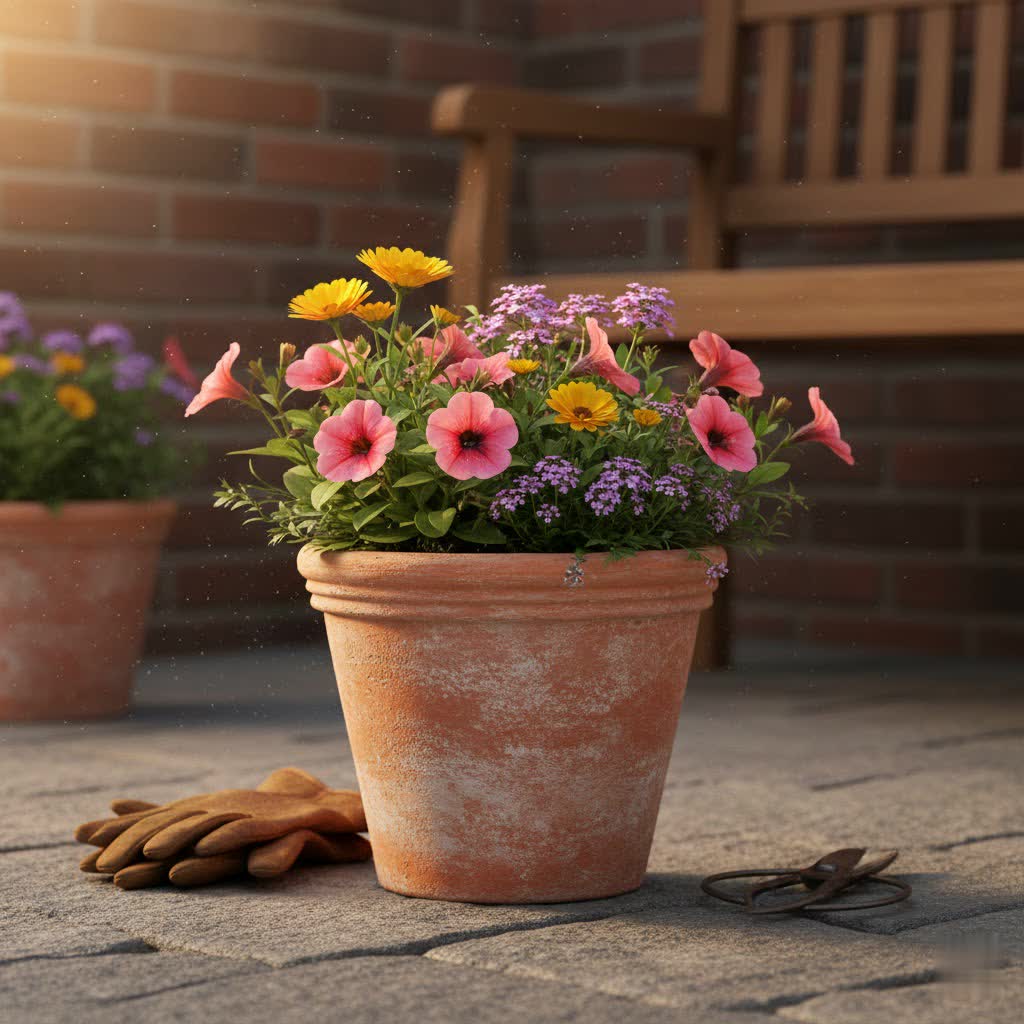
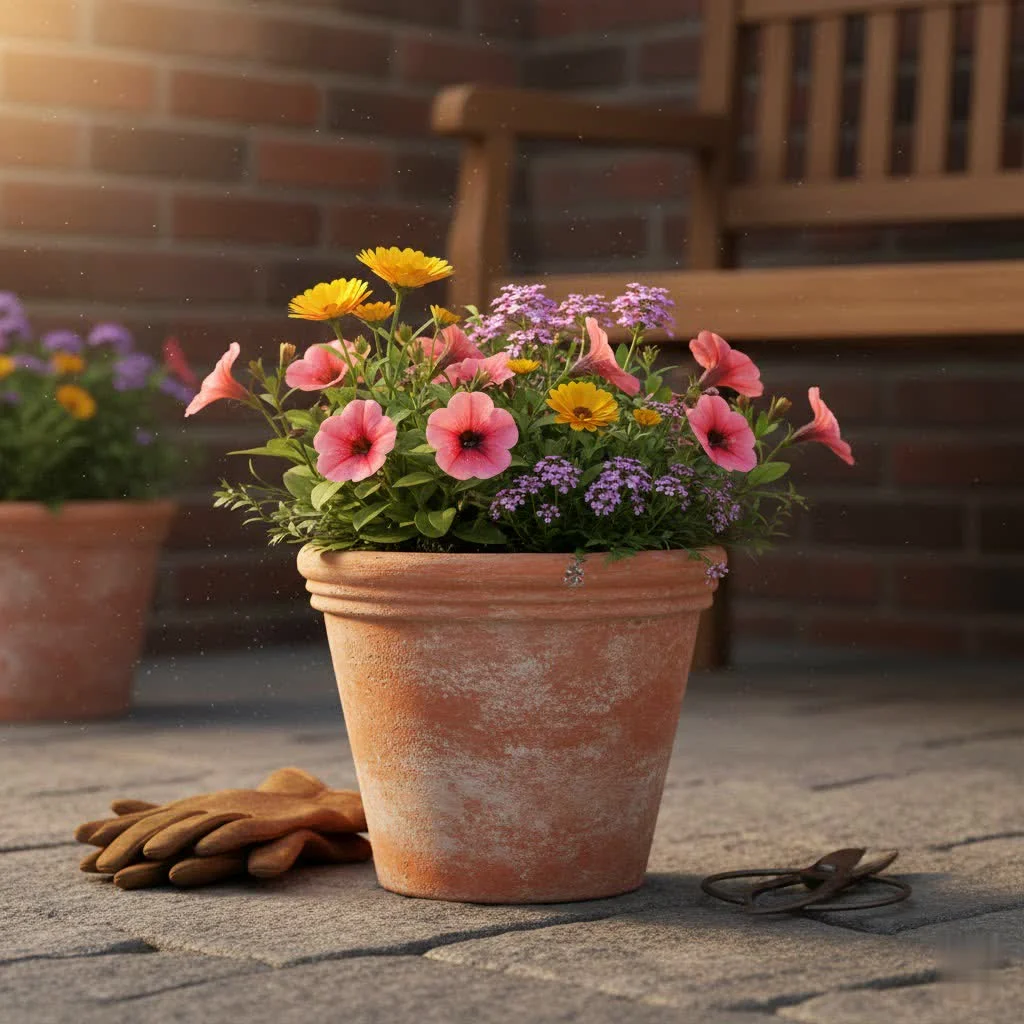
Terracotta pots, made from unglazed fired clay, are a classic for a reason. Their earthy, rustic charm is a favorite among plant enthusiasts.
- Advantages: The porous nature of terracotta allows excellent air circulation to the roots and helps wick away excess moisture from the soil, making them ideal for plants that prefer drier conditions or are prone to root rot. They provide natural insulation, protecting roots from extreme temperature changes.
- Disadvantages: Because they are so porous, terracotta pots can dry out soil quickly, requiring more frequent watering, especially in warm climates. They are heavy and brittle, easily cracking if dropped or exposed to freeze-thaw cycles. Mineral salts can also build up on the exterior, leaving a white residue.
- Distinguishing types: Standard terracotta is unglazed and highly porous. High-fired terracotta or stoneware is denser, less porous, and more durable, but still retains some of the breathable qualities.
- Preparing new terracotta pots: Soak new terracotta pots in water for an hour or two before planting. This prevents the dry clay from drawing moisture from the fresh potting mix, which can stress new plants.
Metal Pots
Metal pots introduce a contemporary or industrial edge to your plant display. They are incredibly durable and can be a bold statement piece.
- Advantages: Metal pots are exceptionally strong and durable, resisting cracks and breakage. They offer a sleek, modern aesthetic that can elevate specific interior or exterior designs. Materials like aluminum or stainless steel are rust-resistant.
- Disadvantages: Metal can heat up significantly in direct sunlight, potentially overheating and damaging plant roots. They can be very heavy, especially larger steel or cast-iron varieties, making them difficult to move. Untreated ferrous metals will rust, which can stain surfaces.
- Considerations: Choose metal pots with a protective coating or made from rust-resistant metals if using outdoors. Ensure adequate drainage to prevent water accumulation.
- Rust prevention: For iron or steel pots, consider applying a rust-proof primer and paint. Keep the drainage hole clear and avoid prolonged exposure to standing water.
Self-Watering Pots
Self-watering pots are a game-changer for busy plant parents or those who frequently travel. They offer a reservoir system that provides a consistent water supply to your plant’s roots.
- How they work: These pots typically feature a double-layer design: an inner pot for the plant and an outer reservoir for water. A wicking system (often a cotton rope or a specially designed inner container) draws water up to the soil as needed.
- Advantages: They significantly reduce watering frequency, ensure consistent moisture levels, and prevent both overwatering and underwatering by allowing the plant to absorb water at its own pace. This promotes healthier root development.
- Disadvantages: Initial setup can be slightly more complex. It’s crucial to still monitor soil moisture, as some plants prefer drying out between waterings. They can also be more expensive than traditional pots.
- Suitable plants: Most houseplants that prefer consistently moist soil, such as ferns, peace lilies, and many leafy greens, thrive in self-watering pots. Succulents and cacti, which prefer dry conditions, are generally not suitable.
Comparison Table: Choosing Your 8-Inch Plant Pot
To help you make an informed decision for your 8-inch plant pot, here’s a quick comparison of popular materials:
| Feature | Ceramic (Glazed) | Plastic | Terracotta (Unglazed) | Metal | Self-Watering (Plastic/Ceramic) |
|---|---|---|---|---|---|
| Price Range | Medium to High | Low to Medium | Low to Medium | Medium to High | Medium to High |
| Durability | Moderate (fragile) | Good (can degrade) | Moderate (fragile) | Excellent | Good |
| Water Retention | High | High | Low (very porous) | High | Excellent (consistent) |
| Drainage | Requires hole | Requires hole | Excellent (evaporative) | Requires hole | Built-in system |
| Aesthetics | Decorative, elegant | Versatile, modern | Rustic, natural | Modern, industrial | Modern, functional |
| Weight | Heavy | Lightweight | Heavy | Heavy (can be very heavy) | Medium to Heavy |
| Insulation | Good | Poor | Excellent | Poor (heats quickly) | Good |
Guide to Choosing Your Ideal 8-Inch Plant Pot
Selecting the perfect 8-inch plant pot involves more than just picking one that looks nice. Consider these key factors to ensure your plant thrives and your space looks its best.
Determine Your Needs
Before you even look at a pot, think about the plant you’re housing and its environment.
- Type of plant: An 8-inch pot is ideal for many medium-sized houseplants and herbs, or as an intermediate size for plants outgrowing smaller pots. Plants like Pothos, Philodendron, ZZ plants, and many types of ferns will flourish in this size. Consider if your plant prefers consistently moist soil (plastic, glazed ceramic, self-watering) or needs to dry out between waterings (terracotta).
- Plant size: While the pot is 8 inches, consider the mature size of your plant. An 8-inch pot can comfortably accommodate plants that are typically 10 to 22 inches tall and wide as a 2-gallon pot, or smaller plants that will grow into it.
- Placement: Will the pot be indoors or outdoors? In a sunny window or a shady corner? This will influence material choice. For instance, metal pots might be too hot in direct sun, while terracotta might dry out too quickly. For outdoor use, consider pots that are frost-resistant.
Choose the Right Material
Based on your plant’s needs and where it will live, select a material that offers the best environment.
- Safety and durability: Prioritize materials that are non-toxic and built to last. High-quality plastic, fiberglass, and glazed ceramic are generally safe and durable for most plants.
- Drainage and moisture retention: For plants that hate wet feet, terracotta is excellent due to its porosity. For those that love consistent moisture, plastic or glazed ceramic works well. Always ensure your chosen pot has drainage holes, or be prepared to drill them yourself.
- Weight: If you need to move your plant frequently, a lightweight plastic or fiberglass pot might be a better choice. For stable, permanent displays, heavier ceramic or concrete options are great.
Consider Design and Color
A plant pot is also a decorative element, enhancing your home’s aesthetic.
- Match your interior style: Do you prefer a modern, minimalist look (metal, sleek ceramic)? A rustic, natural feel (terracotta, wood)? Or something traditional and elegant (glazed ceramic)?
- Harmonize with your space: Choose colors that complement your existing decor. Neutral tones like white, grey, or terracotta are versatile, while bold colors can add a pop of personality. Consider the plant’s foliage color and how it will contrast or blend with the pot.
Inspect Thoroughly Before Buying
A quick check can save you future headaches and ensure your investment is sound.
- Cracks or damage: Always inspect pots for any hairline cracks, chips, or manufacturing defects, especially with ceramic or terracotta. Even small imperfections can compromise the pot’s integrity.
- Drainage holes: Confirm that drainage holes are present and adequately sized. If a pot lacks a drainage hole and you can’t drill one, it’s best used as a cachepot (decorative outer pot) with your plant in a nursery pot inside.
- Warranty: While not common for all pots, some higher-end or specialized pots may offer a warranty against defects. It’s always worth asking, especially for larger or more expensive items.
Tips for Caring for Your Potted Plants
Beyond choosing the right 8-inch plant pot, proper care is essential for your plant’s long-term health and vitality.
Cleaning Plant Pots
Regular cleaning keeps your pots looking fresh and prevents the buildup of harmful substances.
- Routine cleaning: Wipe down the exterior of your pots regularly to remove dust and dirt. For glazed ceramic or plastic, a damp cloth is usually sufficient.
- Deep cleaning: Periodically, especially when repotting, thoroughly clean pots with warm, soapy water. For terracotta pots, a diluted bleach solution (1 part bleach to 9 parts water) can remove stubborn mineral deposits and sanitize the pot, preventing the spread of diseases. Rinse thoroughly.
- Safe cleaning products: Stick to mild dish soap or natural cleaners. Avoid harsh chemicals that could be absorbed by porous materials and harm your plants.
Repotting Plants
An 8-inch pot is a great size, but plants will eventually outgrow it. Knowing when and how to repot is key.
- When to repot: Signs your plant needs a new home include roots growing out of drainage holes, stunted growth, increased watering needs, or the plant becoming top-heavy. Generally, repotting every 1-2 years into a pot one size larger is a good rule of thumb for most houseplants.
- Choosing the right soil: Use a high-quality potting mix appropriate for your plant type. Most houseplants thrive in a well-draining, aerated mix. For succulents, a cactus-specific mix is best.
- Repotting process: Gently remove the plant from its old pot. Loosen any circling roots. Place a small layer of fresh soil in the new 8-inch pot, position the plant, and fill with more soil, leaving about an inch of space from the rim. Water thoroughly after repotting.
Fertilizing Potted Plants
Potted plants rely entirely on you for their nutrients, as soil nutrients deplete over time.
- Suitable fertilizers: Use a balanced liquid fertilizer designed for houseplants. Organic options like worm castings or compost tea can also provide gentle nourishment.
- Dosage and frequency: Follow the instructions on your fertilizer product carefully. Over-fertilizing can burn roots. Typically, fertilize every 2-4 weeks during the growing season (spring and summer) and reduce or stop during dormancy (fall and winter). Always water your plant before fertilizing to protect the roots.
“The 8-inch plant pot is the unsung hero of container gardening, offering the perfect middle ground for a vast array of botanical beauties. It’s large enough to allow significant growth, yet compact enough to fit seamlessly into diverse living spaces, truly embodying versatility.”
Conclusion
Choosing and caring for an 8-inch plant pot is an art that blends functionality with aesthetic appeal. By understanding the unique properties of various materials, considering your plant’s specific needs, and committing to a thoughtful care routine, you can create a vibrant and thriving indoor garden. Remember, the right 8-inch plant pot not only provides a home for your beloved plants but also enhances the beauty and tranquility of your living environment.
What plant will you choose to flourish in your next 8-inch pot?
Frequently Asked Questions
What plants are best for an 8-inch pot?
An 8-inch pot is ideal for many medium-sized houseplants such as Pothos, Philodendron, ZZ Plants, Peace Lilies, and Snake Plants. It’s also suitable for herbs like basil or rosemary, and smaller flowering plants, allowing them ample space for root development and healthy growth.
How many gallons is an 8-inch plant pot?
An 8-inch plant pot typically holds around 1 to 2 gallons of potting mix. The exact volume can vary slightly depending on the pot’s shape and depth, but generally, an 8-inch diameter pot is equivalent to a 1-gallon nursery pot, or slightly larger.
Do 8-inch plant pots need drainage holes?
Yes, nearly all 8-inch plant pots should have drainage holes to prevent waterlogging, which can lead to root rot. If a decorative pot lacks drainage, place your plant in a smaller nursery pot with holes inside it, using the 8-inch pot as a decorative cachepot.
Can an 8-inch pot be used for outdoor plants?
Absolutely. An 8-inch pot is a good size for many annuals, smaller perennials, and even some compact shrubs outdoors. Just ensure the material is weather-resistant (e.g., glazed ceramic, high-quality plastic, or treated metal) and suitable for your local climate to prevent cracking or damage.
How often should I water a plant in an 8-inch pot?
Watering frequency depends on the plant type, pot material, and environmental conditions. Generally, check the soil moisture every few days. Water thoroughly when the top inch or two of soil feels dry. Terracotta pots may require more frequent watering than plastic or glazed ceramic pots due to their porous nature.
Get our weekly buyer guide
Practical specs, not advice. Unsubscribe anytime.
