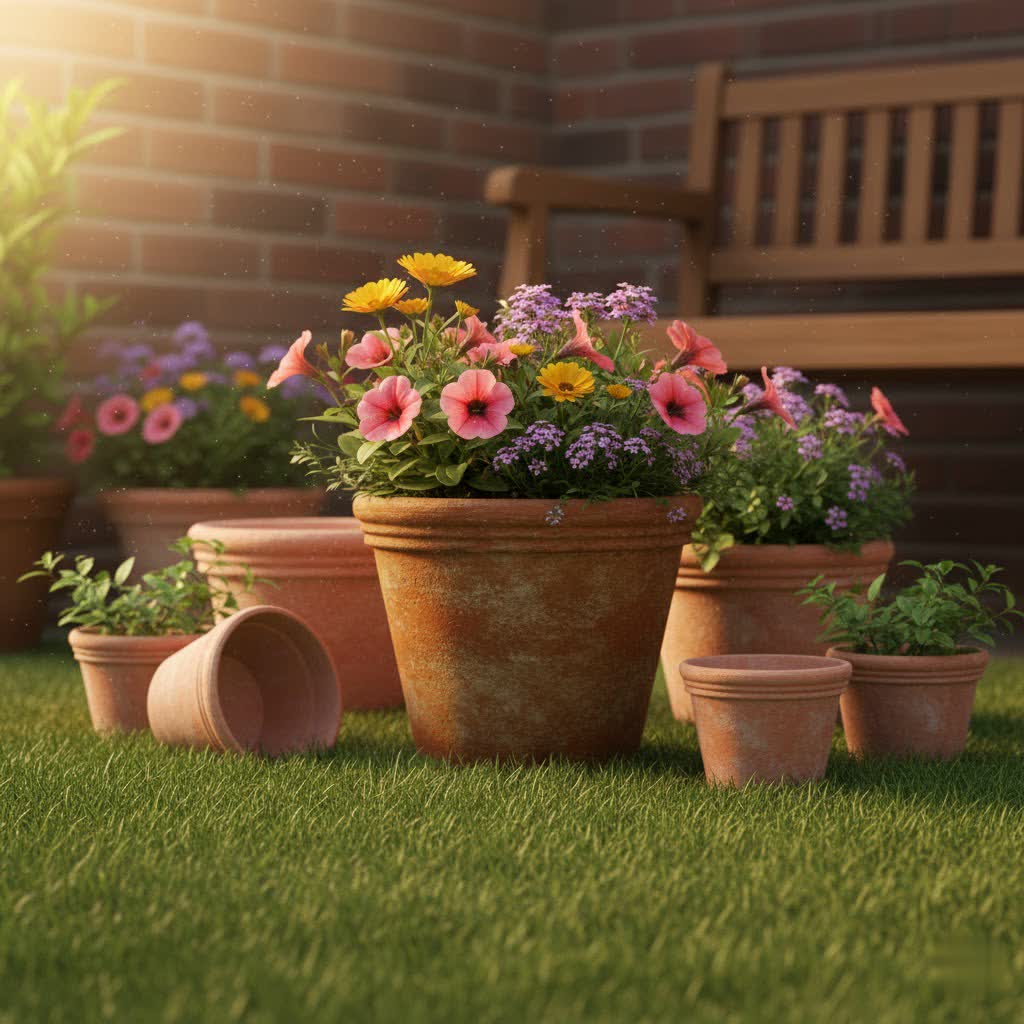
Stepping into the world of indoor gardening, many plant enthusiasts discover that the vessel holding their beloved greenery is just as vital as the plant itself. A plant pot is more than a mere container; it’s a critical element for plant health, growth, and aesthetic harmony within your space. While countless colors and materials abound, green plant pots offer a unique blend of natural appeal and functional benefits, seamlessly integrating your plants into any decor scheme. As a seasoned technician with a decade of experience in plant cultivation and care, particularly in the realm of plant pots, I’m here to share insights that will help you select the perfect green companion for your leafy friends.
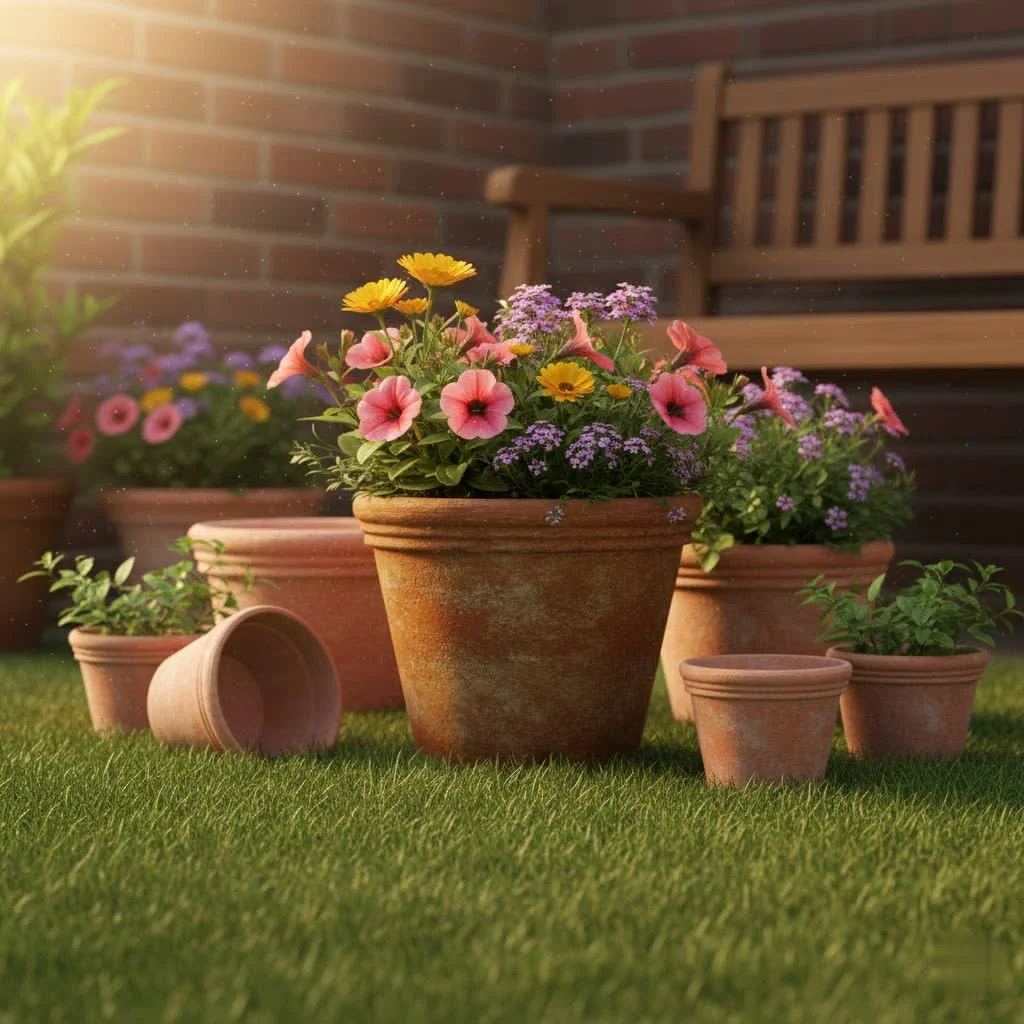
Popular Types of Green Plant Pots
Green plant pots are available in a spectrum of materials, each offering distinct advantages and aesthetic qualities. Understanding these differences is key to making an informed choice for your plant’s well-being and your home’s style.
Ceramic Plant Pots
Ceramic pots, particularly those with a glazed green finish, offer exceptional aesthetic appeal and durability. These pots are crafted from clay, shaped, glazed, and then fired in a kiln, resulting in a smooth, often glossy, surface that can beautifully showcase your plants.
- Pros: Highly decorative, available in various shades of green (from deep emerald to soft sage), excellent moisture retention for plants that prefer consistent humidity, generally heavier and more stable for larger plants.
- Cons: Can be heavy, especially in larger sizes, making them less mobile. They are susceptible to breakage if dropped and can crack in freezing temperatures if not labeled “frost-proof.”
- Choosing the Right Green Ceramic Pot: Look for pots with a consistent glaze and no visible cracks. Consider the shade of green – a vibrant lime might energize a modern space, while a subdued forest green could anchor a traditional setting.
- Care Tips for Green Ceramic Pots: Clean regularly with mild soap and water to maintain their luster. For outdoor ceramic pots, ensure they are frost-proof if you live in a cold climate, or bring them indoors during winter.
Plastic Plant Pots
Green plastic plant pots are a versatile, lightweight, and often budget-friendly option. Modern advancements have led to plastic pots that mimic the look of more traditional materials, available in various green hues.
- Pros: Extremely lightweight, making them easy to move. Durable and less prone to breakage than ceramic or terracotta. Excellent at retaining soil moisture, reducing the frequency of watering. Many options are made from recycled plastics, offering an eco-friendly choice.
- Cons: Cheaper plastic pots can fade and become brittle over time, especially when exposed to direct sunlight. Darker green plastic pots can absorb excessive heat, potentially stressing plant roots in sunny locations.
- Safe Plastic Types for Plants: Look for pots made from polypropylene (PP) or high-density polyethylene (HDPE), often labeled with recycling codes #2 or #5. These are generally considered safe and durable.
- Recycling Plastic Pots: Many garden centers and municipal recycling programs accept plastic plant pots. Always check local guidelines for proper disposal or consider reusing them for seed starting or plant propagation.
Terracotta Plant Pots
|
Our Picks for the Best Plant Pot in 2026
As an Amazon Associate I earn from qualifying purchases.
|
||
| Num | Product | Action |
|---|---|---|
| 1 | Indoor Outdoor Plant Pots- Self Watering Planters with Drainage Holes and Saucers, 9,8, 7.5 Inches, 3 Pots (Snow) |

|
| 2 | Indoor Self Watering Planters with Drainage Holes and Saucers, 8, 7, 6.5, 6, 5.5, 5 Inches, White, 6 Pots |
|
| 3 | Kante 18 Inch Dia Round Concrete Planter, Indoor Outdoor Large Plant Pot with Drainage Hole and Rubber Plug for Home Patio Garden, Weathered Concrete |
|
| 4 | Indoor Self Watering Planters with Drainage Holes and Saucers, 8, 7, 6.5, 6, 5.5, 5 Inches, 6 Pots(Green+Brown |
|
| 5 | Kante 18 Inch Dia Round Concrete Planter, Indoor Outdoor Large Plant Pot with Drainage Hole and Rubber Plug for Home Patio Garden, Charcoal |
|
| 6 | Indoor Self Watering Planters with Drainage Holes and Saucers, 8, 7, 6.5, 6, 5.5, 5 Inches, Black, 6 Pots |
|
| 7 | Indoor Self Watering Planters with Drainage Holes and Saucers, 8, 7, 6.5, 6, 5.5, 5 Inches, Green, 6 Pots. |
|
| 8 | 7 pcs Plant Pots with Drainage Holes and Saucers, Indoor Planters, Set of 7 (7.5, 7, 6.5, 6, 5.5, 4.5, 3.5 Inches), White |
|
| 9 | Kante 18 Inch Dia Round Concrete Planter, Indoor Outdoor Large Plant Pot with Drainage Hole and Rubber Plug for Home Patio Garden, Black |
|
| 10 | Kante 18 Inch Diameter Round Concrete Planter, Indoor Outdoor Large Plant Pot with Drainage Hole and Rubber Plug for Home Patio Garden, Buff Concrete |
|
Terracotta pots, made from porous fired clay, are renowned for their breathability. While typically found in earthy orange tones, they can be painted green or sourced with natural green-tinted clay.
- Pros: Highly porous, allowing excellent air exchange to the roots and promoting quick drainage. This makes them ideal for plants that prefer drier soil conditions, such as succulents and cacti.
- Cons: Their porous nature means soil dries out quickly, requiring more frequent watering. They are heavier than plastic and fragile, prone to cracking if dropped or exposed to freezing temperatures without proper care.
- Distinguishing Regular vs. High-Quality Terracotta: High-quality terracotta often has a denser, more refined finish and may be labeled as “frost-proof” due to higher firing temperatures. Regular terracotta is more prone to weathering and damage in harsh conditions.
- Preparing New Terracotta Pots: Soak new terracotta pots in water for at least an hour before use to prevent them from wicking moisture away from the soil immediately after planting.
Metal Plant Pots
Green metal plant pots offer a contemporary and sophisticated touch to any space, available in finishes like powder-coated green or natural metals that develop a greenish patina over time (e.g., copper).
- Pros: Highly durable and resistant to breakage. Can add a modern or industrial aesthetic, especially in sleek, clean-lined designs. Good for both indoor and outdoor use if properly treated.
- Cons: Metal can heat up quickly in direct sunlight, potentially damaging roots. Some metals are prone to rust if not galvanized or powder-coated. They can be heavy.
- Considerations for Metal Pots: Use a plastic liner inside metal pots, especially outdoors, to protect roots from extreme temperature fluctuations and prevent direct contact between soil and metal, which can leach undesirable elements.
- Preventing Rust: Choose galvanized or powder-coated green metal pots. For untreated metal, consider applying a rust-inhibiting sealant or paint specifically designed for outdoor metal use.
Self-Watering Plant Pots
Self-watering pots, often made of plastic but available in green, feature a reservoir system that provides consistent moisture to the plant’s roots.
- Mechanism: These pots have a false bottom or wicking system that separates the soil from a water reservoir, allowing the plant to draw water as needed.
- Pros: Reduces watering frequency, ideal for busy individuals or travelers. Ensures consistent moisture levels, preventing both over- and under-watering. Promotes healthy root development by preventing waterlogged soil.
- Cons: Can be more expensive than traditional pots. Requires refilling the reservoir, not entirely maintenance-free. Some plants may not thrive with constant moisture.
- Suitable Plants: Many houseplants, herbs, and vegetables thrive in self-watering pots, including African violets, ferns, basil, and tomatoes. Avoid them for plants that prefer very dry conditions, like succulents and cacti.
Comparing Plant Pot Types
Choosing the right green plant pot involves balancing practical needs with aesthetic desires. Here’s a comparative overview to help you decide:
| Feature | Ceramic (Glazed Green) | Plastic (Green) | Terracotta (Painted/Natural Green) | Metal (Green) | Self-Watering (Green) |
|---|---|---|---|---|---|
| Price | Moderate to High | Low to Moderate | Low to Moderate | Moderate to High | Moderate to High |
| Durability | High (but brittle) | High (flexible, UV-resistant types) | Moderate (brittle, prone to frost damage) | Very High (rust-resistant types) | High (typically plastic) |
| Drainage | Requires drainage holes; retains moisture well | Requires drainage holes; retains moisture well | Excellent (porous); dries out quickly | Requires drainage holes; retains moisture well | Integrated reservoir system |
| Moisture Retention | High | High | Low (dries quickly) | High (can lead to overheating) | Consistent/Self-regulating |
| Aesthetics | Elegant, glossy, varied green shades | Versatile, can mimic other materials, diverse styles | Rustic, earthy, subtle green hues (if painted/natural) | Modern, sleek, industrial, bold | Functional, modern (often plastic look) |
| Weight | Heavy | Lightweight | Moderate | Heavy | Lightweight (often plastic) |
| Best For | Indoor plants, moisture-loving plants, decorative use | General use, beginners, mobile displays, nurseries | Plants needing well-drained soil (succulents, cacti) | Modern decor, statement pieces, outdoor (with liner) | Busy gardeners, consistent moisture lovers |
How to Choose the Perfect Green Plant Pot
Selecting the ideal green plant pot is a thoughtful process that considers both your plant’s needs and your personal style.
Determine Your Needs
Before you fall in love with a pot, consider the practical aspects.
- Type of Plant: Research your plant’s specific requirements. Does it prefer consistently moist soil or does it like to dry out between waterings? Does it have deep roots or a shallow, spreading system?
- Plant Size: Choose a pot that is proportionate to your plant. A general rule is to select a new pot 1-2 inches larger in diameter than the current one for smaller plants, and 2-4 inches larger for plants in 10-inch pots or more. An overly large pot can lead to excess soil moisture and root rot, while a pot too small will stunt growth.
- Placement: Will the pot be indoors or outdoors? In direct sun or shade? The location impacts the material choice due to factors like heat absorption and weight.
Choose the Right Material
Once you know your plant’s needs, select a material that supports its health, keeping the green aesthetic in mind.
- Prioritize Safe and Durable Materials: Opt for materials that are non-toxic and built to last. For green pots, look for high-quality glazes on ceramic, durable polypropylene plastics, or rust-resistant treated metals.
- Consider Drainage and Moisture: For plants that hate wet feet, porous terracotta (even if painted green) or pots with ample drainage are crucial. For moisture-loving plants, glazed ceramic or plastic green pots retain water better. Always ensure adequate drainage holes to prevent waterlogging, which is a common cause of plant demise.
Pay Attention to Design and Color
Green plant pots offer incredible versatility in design, allowing you to seamlessly integrate nature into your home decor.
- Complement Your Interior Style: A sleek, minimalist green ceramic pot suits modern decor, while a distressed sage green metal planter might enhance a rustic or bohemian theme. The beauty of green is its inherent ability to blend or stand out.
- Harmonize with Your Space’s Palette: Green can act as a neutral, complementing almost any color scheme. Consider contrasting shades of green with vibrant flowers or using monochromatic greens for a serene, cohesive look with your plant’s foliage. Experiment with different shades of green, like deep forest green for a dramatic look, or soft mint green for a calming effect.
Inspect Thoroughly Before Purchasing
A quick check can save you future headaches.
- Check for Cracks or Damage: Especially with ceramic and terracotta, inspect for any hairline cracks or chips that could compromise the pot’s integrity.
- Verify Drainage Holes: Ensure the pot has adequate drainage holes. If not, be prepared to drill them or use a cachepot with an inner pot that has drainage.
- Inquire About Warranty: For more expensive or specialized pots, ask about a warranty or return policy, especially for outdoor use in varying climates.
Essential Green Plant Pot Care Tips
Proper care extends beyond choosing the right pot; it involves maintaining the pot and the plant within it.
Cleaning Your Plant Pots
Regular cleaning keeps your green pots looking fresh and prevents the buildup of salts and pathogens.
- Routine Cleaning: Wipe down the exterior of glazed ceramic and plastic pots with a damp cloth. For terracotta, a soft brush can remove mineral deposits.
- Deep Cleaning for Repotting: Before reusing any pot, especially if a plant had issues, wash it thoroughly with a diluted bleach solution (1 part bleach to 9 parts water) or a strong soap solution. Rinse completely to remove all chemical residue.
Repotting Plants in Green Pots
Knowing when and how to repot is crucial for plant health.
- When to Repot: Signs include roots growing out of drainage holes, stunted growth, or the plant becoming top-heavy. Generally, repot every 1-2 years or when the plant has outgrown its current pot.
- Choosing the Right Soil: Always use fresh potting mix specifically formulated for your plant type. This provides essential nutrients and proper drainage.
- Repotting Process: Gently remove the plant, loosen circling roots, add a layer of fresh soil to the new, slightly larger green pot, place the plant, and fill with more soil, leaving about an inch of space from the rim. Water thoroughly.
Fertilizing Plants in Pots
Potted plants rely entirely on you for nutrients.
- Appropriate Fertilizers: Use a balanced liquid fertilizer or slow-release granules, following the product’s instructions. Tailor the fertilizer to your plant’s needs (e.g., a high-phosphorus fertilizer for flowering plants).
- Dosage and Frequency: Over-fertilizing can harm plants, so always err on the side of less. Fertilize most plants during their active growing season (spring and summer), typically every 2-4 weeks for liquid fertilizers, and reduce or stop during dormancy.
“The color green, in itself, brings a sense of tranquility and connection to nature. When integrated into your plant pots, it amplifies the natural beauty of your foliage, creating a harmonious and vibrant living space.” – Admin, ReviewMacy.com
Conclusion
The journey of selecting a green plant pot is one of balancing functionality with aesthetic delight. Whether you gravitate towards the timeless elegance of a glazed ceramic emerald pot, the practical resilience of a recycled plastic lime green planter, or the rustic charm of painted terracotta, the right choice will undoubtedly elevate your plant-parenting experience. By understanding the unique characteristics of each material, considering your plant’s specific needs, and paying attention to design, you can cultivate a thriving indoor oasis that is both healthy for your plants and visually appealing for your home.
So, are you ready to infuse your living space with the refreshing vitality of green plant pots?
Frequently Asked Questions
Why choose a green plant pot over other colors?
Green plant pots offer a natural and cohesive look, blending seamlessly with your plant’s foliage. They can create a calming atmosphere and enhance the vibrant greens of your plants, offering a sense of tranquility and connection to nature within your home or garden.
Are green plastic plant pots environmentally friendly?
Many green plastic plant pots are now made from recycled materials, making them a more eco-friendly choice compared to virgin plastic. Always look for labels indicating recycled content to support sustainable practices.
Can I use a green metal plant pot outdoors?
Yes, green metal plant pots can be used outdoors. However, it’s advisable to choose metal pots that are galvanized or powder-coated to resist rust. Additionally, consider using a plastic liner to protect plant roots from extreme temperature fluctuations, as metal can heat up quickly in direct sun.
How do I ensure proper drainage in my green plant pot?
Always select pots with adequate drainage holes at the bottom. For indoor use, pair them with a saucer to catch excess water. If a decorative pot lacks drainage, consider using it as a cachepot (an outer pot) and place your plant in a smaller, inner pot with drainage holes.
What kind of plants look best in green plant pots?
Almost any plant can look stunning in a green plant pot. Plants with contrasting flower colors, like pink or yellow blooms, stand out beautifully. For a sophisticated, monochromatic look, pair a deep green pot with a plant that has light green or variegated foliage.
Get our weekly buyer guide
Practical specs, not advice. Unsubscribe anytime.
