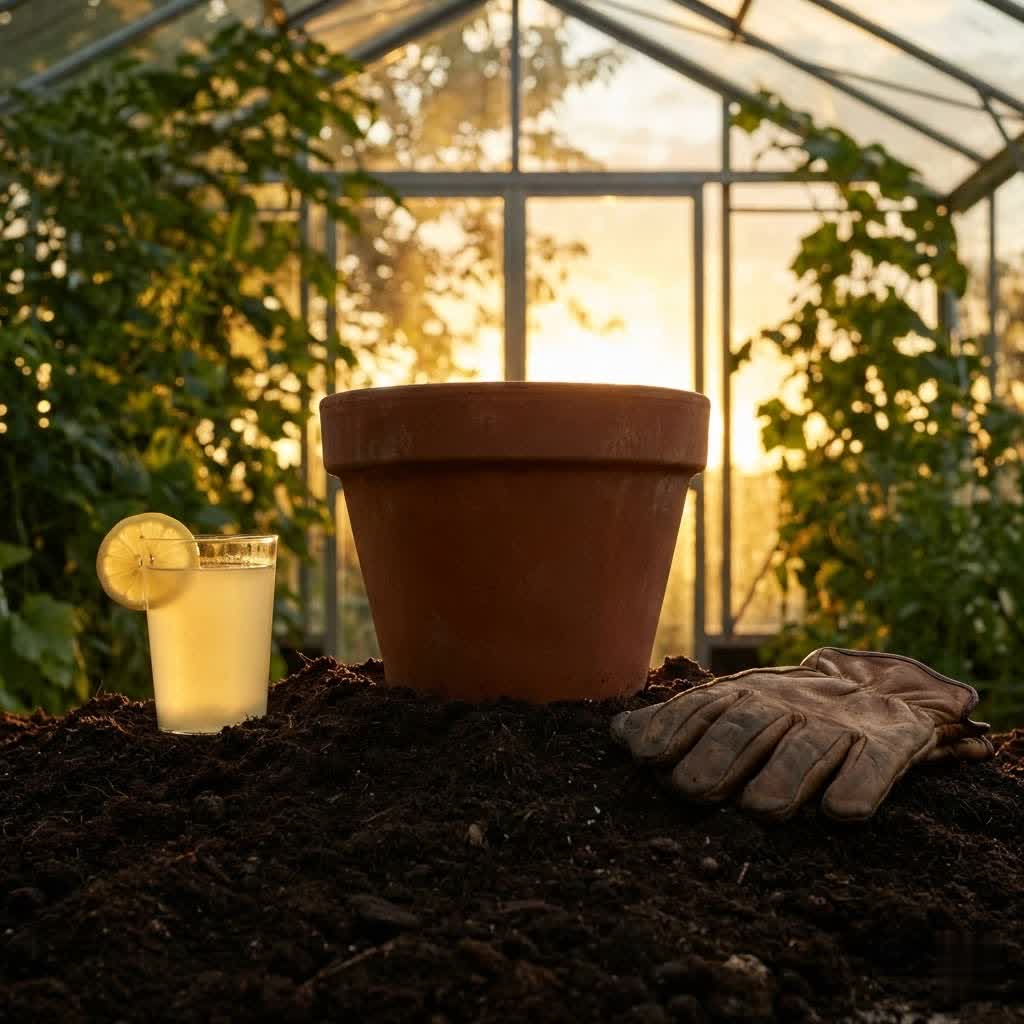
Transforming your living space with lush greenery is a rewarding endeavor, and the vessel you choose for your plants plays a pivotal role in both their health and your home’s aesthetic. While countless options exist, marble plant pots stand out, offering an unparalleled blend of sophistication, durability, and natural beauty. But what truly makes a marble plant pot a superior choice, and how do you navigate the options to find the perfect one for your beloved botanical companions?
What Makes Marble Plant Pots Unique?
Marble plant pots are more than just containers; they are statement pieces, crafted from a natural metamorphic rock renowned for its exquisite patterns and cool, smooth texture. Each pot boasts unique veining and color variations, making it a one-of-a-kind addition to any decor. Beyond pure aesthetics, marble also possesses inherent qualities like superior density and thermal mass, which can contribute to a plant’s well-being. This material elevates indoor and outdoor spaces, from modern living rooms to luxury patios, blending horticultural function with high-end interior design.
Common Types of Plant Pots
Before delving deeper into marble, understanding other popular pot materials provides a valuable comparison for their unique characteristics. Each material presents a distinct set of advantages and disadvantages.
Ceramic Pots
Ceramic pots, often glazed, are popular for their vibrant colors and diverse designs.
- Advantages: They are less porous than terracotta (especially glazed versions), retaining moisture longer, and can be quite heavy, offering good stability for larger plants. Their thick walls also provide some insulation against temperature fluctuations.
- Disadvantages: Glazed ceramic can be less breathable, potentially leading to overwatering issues if drainage is inadequate. They are also fragile and prone to chipping or cracking, particularly in freezing temperatures if moisture expands within the material.
Plastic Pots
Plastic pots are ubiquitous in gardening due to their practicality.
- Advantages: They are lightweight, inexpensive, highly durable, and excellent at retaining moisture, reducing watering frequency. Many are now made from recycled materials, and their flexibility makes repotting easier.
- Disadvantages: They lack the aesthetic appeal of natural materials and can degrade over time when exposed to UV light, becoming brittle. Poor drainage can also be an issue, and they don’t offer the thermal regulation of denser materials.
Terracotta Pots
Terracotta pots, made from porous baked clay, are a classic choice.
- Advantages: Their high porosity allows for excellent airflow and drainage, preventing root rot, which makes them ideal for plants that prefer drier conditions like succulents and cacti. They are also relatively inexpensive and have a rustic, natural charm.
- Disadvantages: Due to their porous nature, water evaporates quickly, meaning plants may require more frequent watering. They are also quite fragile and can crack easily, especially in frosty conditions. Minerals from water can accumulate on the outside, creating a white residue.
Metal Pots
|
Our Picks for the Best Plant Pot in 2026
As an Amazon Associate I earn from qualifying purchases.
|
||
| Num | Product | Action |
|---|---|---|
| 1 | Indoor Self Watering Planters with Drainage Holes and Saucers, 8, 7, 6.5, 6, 5.5, 5 Inches, White, 6 Pots |

|
| 2 | Kante 18 Inch Dia Round Concrete Planter, Indoor Outdoor Large Plant Pot with Drainage Hole and Rubber Plug for Home Patio Garden, Black |
|
| 3 | Indoor Self Watering Planters with Drainage Holes and Saucers, 8, 7, 6.5, 6, 5.5, 5 Inches, 6 Pots(Green+Brown |
|
| 4 | Indoor Self Watering Planters with Drainage Holes and Saucers, 8, 7, 6.5, 6, 5.5, 5 Inches, Green, 6 Pots. |
|
| 5 | Indoor Outdoor Plant Pots- Self Watering Planters with Drainage Holes and Saucers, 9,8, 7.5 Inches, 3 Pots (Snow) |
|
| 6 | Indoor Self Watering Planters with Drainage Holes and Saucers, 8, 7, 6.5, 6, 5.5, 5 Inches, Black, 6 Pots |
|
| 7 | Kante 18 Inch Diameter Round Concrete Planter, Indoor Outdoor Large Plant Pot with Drainage Hole and Rubber Plug for Home Patio Garden, Buff Concrete |
|
| 8 | Kante 18 Inch Dia Round Concrete Planter, Indoor Outdoor Large Plant Pot with Drainage Hole and Rubber Plug for Home Patio Garden, Weathered Concrete |
|
| 9 | 7 pcs Plant Pots with Drainage Holes and Saucers, Indoor Planters, Set of 7 (7.5, 7, 6.5, 6, 5.5, 4.5, 3.5 Inches), White |
|
| 10 | Kante 18 Inch Dia Round Concrete Planter, Indoor Outdoor Large Plant Pot with Drainage Hole and Rubber Plug for Home Patio Garden, Charcoal |
|
Metal pots, often made from steel, aluminum, or copper, offer a sleek, modern look.
- Advantages: They are durable, lightweight (especially aluminum), and can be very stylish, providing a contemporary edge to your decor.
- Disadvantages: Metal can heat up quickly in direct sunlight, potentially damaging roots. Some metals are prone to rust, and they typically lack breathability, requiring careful watering.
Self-Watering Pots
Self-watering pots come in various materials (often plastic or ceramic) but are defined by their watering mechanism.
- Advantages: They feature a reservoir and a wicking system that provides a consistent water supply to the plant, reducing the frequency of watering and ensuring even moisture. This makes them excellent for busy gardeners or plants with high water demands.
- Disadvantages: Over-reliance can lead to root rot if not monitored, and they may not be suitable for all plant types, especially those preferring dry conditions. The cost can also be higher than traditional pots.
Marble Plant Pots: Pros and Cons in Detail
Choosing a marble plant pot involves weighing its many benefits against certain considerations.
Advantages of Marble Pots
Marble plant pots bring a suite of advantages to the discerning plant parent and decorator alike.
- Elevated Aesthetics: Marble’s unique veining and lustrous finish impart a luxurious and sophisticated touch to any setting, transforming a simple plant into a focal point. Whether it’s the classic white Carrara or dramatic black Nero Marquina, marble adds an undeniable elegance.
- Exceptional Durability and Longevity: As a dense natural stone, marble is remarkably durable, resisting scratches, cracks, and fading when properly cared for. These pots are built to last for decades, often becoming cherished heirlooms.
- Natural Thermal Regulation: Marble possesses a high thermal mass, meaning it retains temperature well. This property helps buffer the plant’s root zone against sudden temperature fluctuations, which can be particularly beneficial for indoor plants.
- Superior Stability: The inherent weight of marble provides excellent stability. This is especially advantageous for large, top-heavy plants that might otherwise tip over, and for outdoor settings where wind could displace lighter pots.
- Breathability (with caveats): Natural marble is porous, allowing some air and moisture exchange, which can promote healthy root growth. However, this porosity also necessitates sealing to prevent staining and maintain its pristine condition.
“Marble planters elevate the aesthetic of any outdoor space, adding a touch of sophistication and natural beauty. Their durability, unique veining patterns, and classic appeal make them a popular choice for discerning gardeners.”
Disadvantages of Marble Pots
While stunning, marble pots do come with certain considerations that homeowners should be aware of.
- Significant Weight: Marble is substantially heavier than most other pot materials, making it difficult to move once filled with soil and a plant. This also contributes to higher shipping and handling costs.
- Higher Cost: Genuine marble pots are a premium product, and their cost reflects the expense of quarrying, cutting, and finishing natural stone. They are generally much more expensive than plastic, ceramic, or terracotta alternatives.
- Porous and Prone to Staining: Unsealed natural marble is porous, meaning it can absorb moisture and is vulnerable to staining from water, soil nutrients, or acidic substances like coffee or wine. Regular sealing is crucial.
- Sensitivity to Acids: Marble is a calcium carbonate-based stone, making it susceptible to etching from acids. Even mild acids like lemon juice or vinegar can dull or damage its polished surface.
- Weather Vulnerability (for Natural Marble): While durable, prolonged exposure to extreme weather conditions, such as intense sunlight or freezing temperatures, can cause natural marble to crack or fade if not adequately protected or sealed.
- Drainage Challenges: Many decorative marble pots are designed without drainage holes, which can lead to waterlogging and root rot. If a pot lacks drainage, you may need to drill holes or use a cachepot system.
Types of Marble and Marble-Look Plant Pots
The term “marble plant pot” can encompass several variations, each with different properties and price points.
Natural Solid Marble Pots
These are the most authentic and luxurious option, crafted directly from blocks of genuine marble. Each pot showcases unique, natural veining and coloration.
- Pros: Unmatched beauty, exceptional longevity, natural heat resistance, and undeniable authenticity.
- Cons: Extremely heavy, very expensive, inherently porous (requiring sealing), and sensitive to acids. Best suited for high-end indoor displays or protected outdoor areas.
Engineered (Composite) Marble Pots
Made from crushed marble stone mixed with resins, these pots mimic the look of natural marble.
- Pros: More affordable and lighter than solid marble, offering consistent color and patterns. They are often less porous and may come pre-sealed, making them easier to maintain.
- Cons: While visually similar, they may lack the tactile depth and prestige of real stone. The resin can also yellow over time, especially with UV exposure.
Marble-Look Ceramic or Porcelain Pots
These are not true marble but feature printed or glazed finishes that simulate marble veining.
- Pros: The lowest cost option, lightweight, easy to ship, and generally moisture-resistant due to glazing.
- Cons: They lack the thermal mass and authentic feel of stone, and the marble effect can sometimes appear artificial.
Marble Veneer Pots
These pots feature thin layers of real marble applied over a lighter, often composite or concrete, core.
- Pros: Offer an authentic marble surface at a reduced weight compared to solid marble.
- Cons: The veneer can be vulnerable to chipping at the edges, and the lifespan might be limited if the veneer detaches from the core.
Choosing the Perfect Marble Plant Pot
Selecting the ideal marble plant pot requires careful consideration of several factors to ensure both aesthetic appeal and plant health.
Determine Location
Will your pot be placed indoors or outdoors? Outdoor pots need greater frost resistance and UV protection, while indoor pots prioritize aesthetics and floor protection (e.g., with drainage trays). Ensure the chosen location has a sturdy base that can support the pot’s substantial weight when filled.
Assess Plant Needs
Match the pot size to your plant’s mature dimensions. Large, deep-rooted plants like small trees or shrubs require spacious containers, while shallow-rooted plants like succulents can thrive in smaller, shallower pots. Consider the plant’s root structure and growth habits.
Consider Structural Capacity
Given the significant weight of marble pots, especially when filled, verify the weight-bearing capacity of your chosen surface. This is particularly important for balconies, rooftops, or delicate indoor furniture.
Evaluate Drainage
Adequate drainage is paramount for plant health. Look for pots with pre-drilled drainage holes. If a decorative pot lacks them, you’ll either need to carefully drill one or use the pot as a cachepot (a decorative outer pot) for a plant in a smaller, well-draining nursery pot.
Match Style and Aesthetics
Marble pots come in various shapes, sizes, and marble types (white Carrara, black Nero Marquina, green Verde Alpi). Choose a style that complements your interior design or garden aesthetic, whether it’s sleek modern, classic, or ornate. The unique veining can either subtly enhance or boldly contrast with your existing decor.
Understand Price and Quality
Prices vary dramatically based on the type of “marble” and craftsmanship. Natural solid marble is the most expensive, while marble-look alternatives are more budget-friendly. Inspect the pot for any imperfections, ensure a smooth finish, and confirm the presence of necessary features like drainage.
Caring for Your Marble Plant Pot and Its Green Resident
Proper care is essential to maintain the beauty of your marble pot and ensure your plants flourish.
Cleaning Your Marble Pot
Regular cleaning will keep your marble pot looking pristine. Gently wipe the exterior with a soft, damp cloth and a mild, pH-neutral soap solution. Avoid using harsh chemicals, abrasive cleaners, or scrub brushes, as these can scratch or etch the marble surface. Rinse thoroughly with clean water and dry immediately with a soft towel to prevent water spots.
Sealing for Protection
Natural marble is porous and susceptible to staining. To protect its surface and maintain its luster, apply a stone sealant specifically designed for marble once or twice a year. This creates a barrier against moisture and stains, making routine cleaning much easier.
Protecting from Elements
For outdoor marble pots, consider moving them to a sheltered location during extreme weather, such as intense sunlight, heavy rain, or freezing temperatures, which can cause cracking or fading. Promptly wipe up any spills on the surface to prevent stains.
Repotting and Soil Management for Plants in Marble Pots
When repotting a plant in a marble pot, choose a new pot only a few inches larger than the old one. Use a well-draining potting mix suitable for your specific plant, ensuring that the pot has adequate drainage holes to prevent waterlogging. After repotting, water thoroughly to help the soil settle. Due to marble’s thermal mass, plants in these pots may need slightly less frequent watering indoors than in lighter materials, but always check soil moisture before watering again.
Fertilizing Plants in Marble Pots
Follow the specific fertilization schedule for your plant. Use a balanced liquid fertilizer during the growing season, typically spring and summer. Be mindful not to let fertilizer residue sit on the marble surface, as some fertilizers can contain acidic components that might etch the stone.
Best Plants to Pair with Marble Pots
Marble pots offer a versatile backdrop for a wide array of plants, enhancing their natural beauty.
- Foliage Plants:
- Snake Plant (Sansevieria): Its architectural, upright leaves contrast beautifully with the smooth lines of marble, creating a modern and clean aesthetic.
- Fiddle Leaf Fig (Ficus lyrata): The dramatic, large green leaves of a Fiddle Leaf Fig create a sophisticated statement when placed in a substantial marble planter.
- Pothos (Epipremnum aureum): Especially variegated varieties like Marble Queen Pothos, their trailing vines and marbled leaves can complement the pot’s pattern.
- ZZ Plant (Zamioculcas zamiifolia): Its sleek, waxy leaves and sculptural form make it an ideal, low-maintenance partner for minimalist marble pots.
- Flowering Plants:
- Peace Lily (Spathiphyllum): With glossy green leaves and elegant white blooms, a Peace Lily brings a soft contrast to hard marble surfaces, thriving in consistently moist soil often found in pots without extreme drainage.
- Orchids (Phalaenopsis): A delicate orchid with colorful blooms can add a vibrant splash against a sleek black or white marble pot.
- African Violet (Saintpaulia): Its compact size and cheerful blooms make it a charming addition to smaller marble containers.
- Succulents & Cacti: For these drought-tolerant plants, ensure your marble pot has excellent drainage. Their unique forms and textures offer a striking contrast against the smooth, elegant stone.
Conclusion
Marble plant pots are an investment in both sophisticated design and lasting functionality. Their inherent elegance, exceptional durability, and natural temperature-regulating properties set them apart from other materials. While their weight, cost, and specific care requirements for porosity and acid sensitivity demand thoughtful consideration, the timeless beauty they bring to any space is undeniable. By understanding the different types, choosing wisely based on your plant’s needs and your environment, and committing to proper maintenance, a marble plant pot can become a cherished centerpiece, elevating your botanical displays for years to come. Are you ready to embrace the enduring charm of marble in your plant collection?
Frequently Asked Questions
Are marble plant pots good for plants?
Yes, marble plant pots can be very good for plants, especially indoors. Their thermal mass helps regulate soil temperature, protecting roots from sudden changes. However, it is crucial to ensure adequate drainage and choose plants that suit marble’s characteristics, as natural marble can be porous and susceptible to staining or etching if not properly sealed and cared for.
How do marble plant pots compare in weight to other pots?
Marble plant pots are significantly heavier than most other pot materials like plastic, ceramic, or terracotta. This weight provides excellent stability for large plants but makes them challenging to move once filled with soil and plants.
Do marble plant pots require special cleaning?
Yes, marble plant pots require specific care. They should be cleaned with a soft, damp cloth and a mild, pH-neutral soap solution. Harsh chemicals or abrasive cleaners should be avoided as they can scratch or etch the marble’s surface. Regular sealing is also recommended to prevent stains.
Can I use a marble plant pot outdoors?
Marble plant pots can be used outdoors, but natural marble requires protection. Prolonged exposure to harsh sunlight, freezing temperatures, and acidic rain can damage unsealed marble. It’s advisable to seal outdoor marble pots regularly and consider moving them to a sheltered location during extreme weather conditions to preserve their beauty and integrity.
Get our weekly buyer guide
Practical specs, not advice. Unsubscribe anytime.
