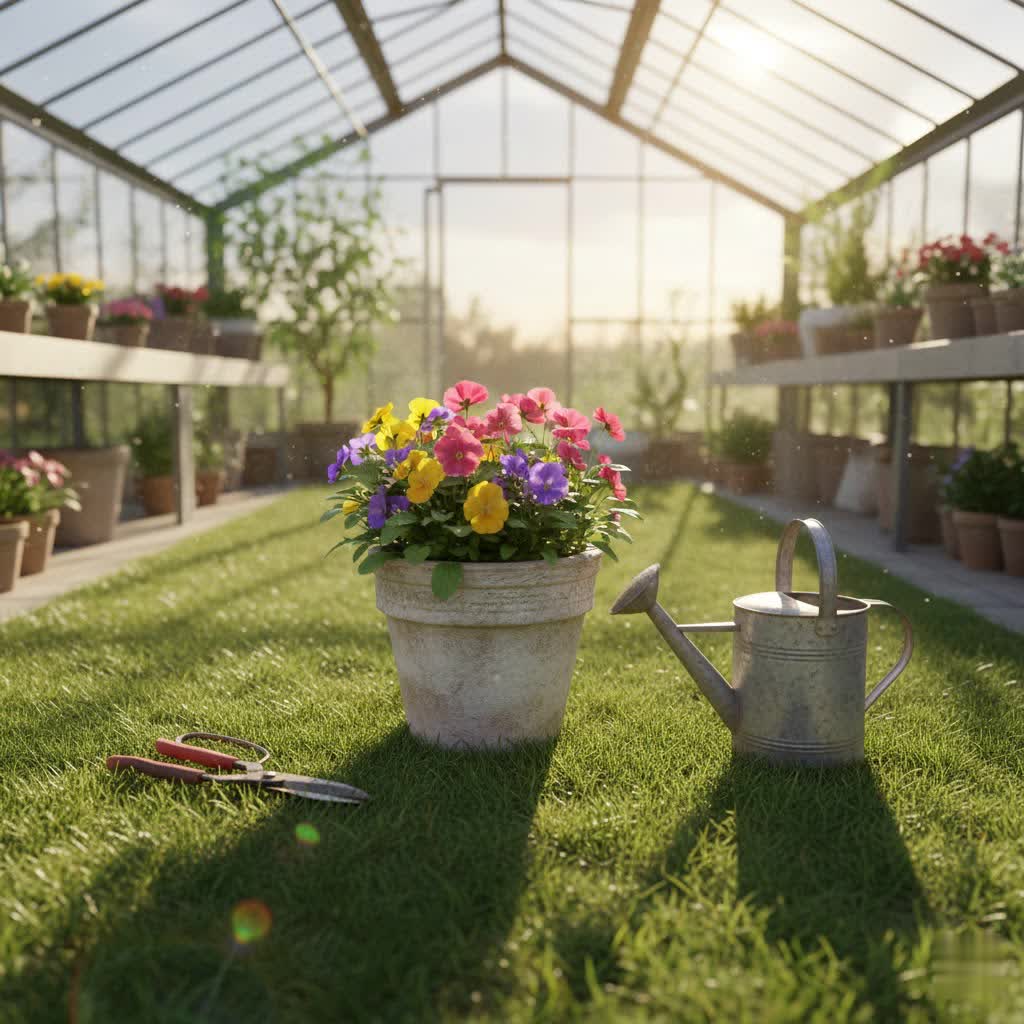
Transforming your living space into a vibrant indoor or outdoor oasis often begins with the right foundation for your botanical beauties. Plant pots and stands are more than mere accessories; they are essential tools that support plant health, enhance aesthetics, and optimize your environment. Choosing the perfect combination of a plant pot and stand can seem daunting with countless options available. This comprehensive guide will walk you through the myriad benefits, popular materials, crucial selection criteria, and essential care tips to help you make informed decisions, ensuring your plants thrive in style.
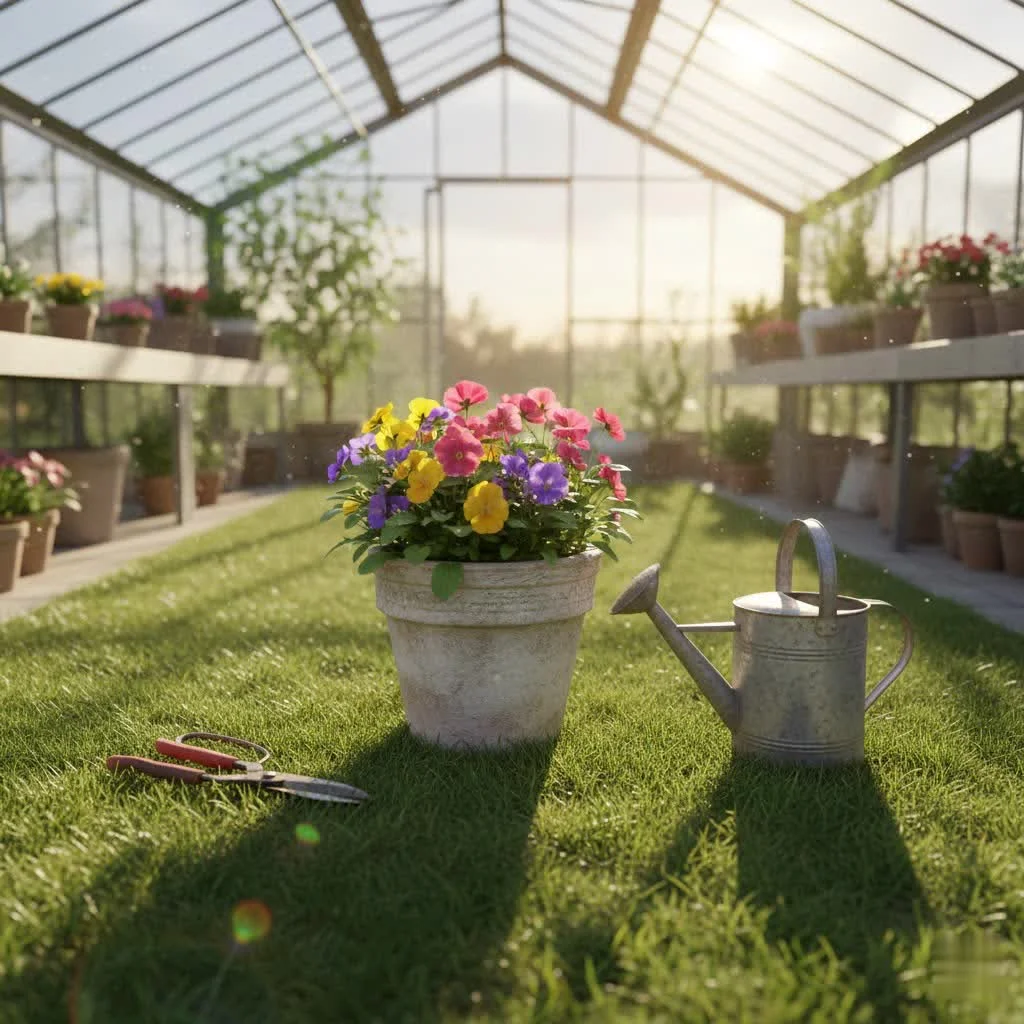
The Unseen Benefits of Plant Pots and Stands
While often chosen for their aesthetic appeal, plant pots and stands offer a host of practical advantages that significantly contribute to the health and longevity of your plants, as well as the cleanliness and design of your space. For explore our indoor reviews on this site.
Improved Air Circulation and Drainage
One of the primary benefits of elevating plants on a stand is the dramatically improved air circulation around the pot. This elevation helps prevent common issues such as root rot, mold, and mildew, which thrive in damp, stagnant conditions. Better airflow also ensures that excess water can drain efficiently from the pot’s drainage holes, preventing waterlogging and promoting healthier root systems.
Optimal Light Exposure
Plant stands allow you to position your plants to receive optimal light, especially in areas where natural light might be uneven. Multi-tiered or adjustable stands are particularly beneficial, enabling you to cater to the varying light requirements of different plants by placing them at suitable heights. This strategic positioning ensures every plant gets its fair share of crucial sunlight, promoting robust growth and vibrant foliage.
Surface Protection
Protecting your precious floors, decks, and patios from water stains, soil spills, and scuffs is another key advantage of using plant stands. They act as a protective barrier, keeping planters elevated and preventing direct contact between wet pot bases and surfaces. This not only preserves the integrity of your flooring but also simplifies cleaning and maintenance.
Pest Deterrence
Elevating your plants can create a less hospitable environment for many common garden pests that prefer to inhabit lower, damp areas near the ground. While not a complete solution, stands can reduce the accessibility for crawling insects, contributing to a healthier, pest-free plant environment.
Aesthetic Enhancement & Space Optimization
From a design perspective, plant pots and stands are game-changers. They allow you to add vertical interest, create dynamic displays, and highlight individual specimen plants, turning them into focal points. In smaller homes or apartments, multi-tiered stands are excellent for maximizing vertical space, enabling you to cultivate a lush indoor jungle without sacrificing precious floor area. They can instantly elevate the visual appeal of any room, complementing your existing decor.
Safety for Pets and Children
|
Our Picks for the Best Plant Pot in 2026
As an Amazon Associate I earn from qualifying purchases.
|
||
| Num | Product | Action |
|---|---|---|
| 1 | Indoor Self Watering Planters with Drainage Holes and Saucers, 8, 7, 6.5, 6, 5.5, 5 Inches, Black, 6 Pots |

|
| 2 | Indoor Outdoor Plant Pots- Self Watering Planters with Drainage Holes and Saucers, 9,8, 7.5 Inches, 3 Pots (Snow) |
|
| 3 | Indoor Self Watering Planters with Drainage Holes and Saucers, 8, 7, 6.5, 6, 5.5, 5 Inches, White, 6 Pots |
|
| 4 | Kante 18 Inch Dia Round Concrete Planter, Indoor Outdoor Large Plant Pot with Drainage Hole and Rubber Plug for Home Patio Garden, Weathered Concrete |
|
| 5 | Indoor Self Watering Planters with Drainage Holes and Saucers, 8, 7, 6.5, 6, 5.5, 5 Inches, Green, 6 Pots. |
|
| 6 | 7 pcs Plant Pots with Drainage Holes and Saucers, Indoor Planters, Set of 7 (7.5, 7, 6.5, 6, 5.5, 4.5, 3.5 Inches), White |
|
| 7 | Indoor Self Watering Planters with Drainage Holes and Saucers, 8, 7, 6.5, 6, 5.5, 5 Inches, 6 Pots(Green+Brown |
|
| 8 | Kante 18 Inch Dia Round Concrete Planter, Indoor Outdoor Large Plant Pot with Drainage Hole and Rubber Plug for Home Patio Garden, Black |
|
| 9 | Kante 18 Inch Diameter Round Concrete Planter, Indoor Outdoor Large Plant Pot with Drainage Hole and Rubber Plug for Home Patio Garden, Buff Concrete |
|
| 10 | Kante 18 Inch Dia Round Concrete Planter, Indoor Outdoor Large Plant Pot with Drainage Hole and Rubber Plug for Home Patio Garden, Charcoal |
|
For households with curious pets or young children, plant stands offer a practical solution for keeping plants out of reach. Elevating delicate or potentially toxic plants on a sturdy stand significantly reduces the risk of accidental knocks, spills, or ingestion, ensuring both your plants and loved ones remain safe.
Ease of Maintenance
With plants elevated, routine care tasks like watering, pruning, and cleaning around the pots become much more accessible. Stands can also make it easier to move plants for cleaning or seasonal rotation, especially if they are equipped with wheels or are made from lightweight materials.
Popular Plant Pot Materials
The material of your plant pot profoundly impacts both the plant’s health and the overall aesthetic. Here’s a breakdown of common options:
Ceramic Plant Pots
Ceramic pots are celebrated for their aesthetic versatility, coming in a vast array of colors, glazes, and artistic designs. They tend to retain moisture well, which can be beneficial for plants that prefer consistent dampness. Glazed ceramic offers a more decorative finish, while unglazed options provide a slight degree of breathability. However, they are typically heavy and can be fragile, making them less ideal for frequent relocation.
Plastic Plant Pots
Plastic pots are a lightweight, affordable, and highly versatile choice. They excel at retaining moisture, reducing the need for frequent watering, and are resistant to breaking. Modern plastic pots can mimic the look of more expensive materials like terracotta or ceramic. While convenient, some gardeners are wary of certain plastics for edible plants, and they can sometimes be less breathable, potentially leading to root issues if overwatered. Look for durable, UV-resistant plastic for longevity.
Terracotta Plant Pots
A classic choice, terracotta pots are made from baked clay, giving them a natural, rustic charm. Their porous nature allows for excellent air circulation to the roots and wicks away excess moisture, making them ideal for plants that prefer drier soil or are prone to root rot. The downside is that they dry out quickly, requiring more frequent watering, especially in hot climates. They are also brittle and can easily crack if dropped.
Metal Plant Pots
Metal pots, crafted from materials like aluminum, steel, or galvanized iron, offer a sleek, modern, or industrial aesthetic. They are incredibly durable and can withstand various weather conditions, making them excellent for outdoor use, provided they are treated to prevent rust. However, metal can absorb heat, potentially warming the soil more than other materials, which might not suit all plants. Ensure good drainage and consider rust-resistant finishes for longevity.
Concrete Plant Pots
Concrete planters are known for their exceptional durability and stability, making them perfect for large plants or windy outdoor areas where tipping is a concern. They offer a contemporary, industrial look that fits well with modern designs. Like metal, they are very heavy, making them difficult to move once planted. Concrete is porous and can dry out soil relatively quickly, and some types may stain surfaces if not properly protected underneath.
Fiberglass Plant Pots
Fiberglass pots are gaining popularity for their unique combination of strength and lightweight properties. They are highly durable, weather-resistant, and can be molded into virtually any shape, size, or color, offering immense design flexibility. While often a higher initial investment, their longevity, performance, and ease of movement make them a favorite for both indoor and outdoor applications.
Self-Watering Pots
While not a material, self-watering pots represent a distinct category worth mentioning. These innovative pots feature a reservoir that provides consistent moisture to the plant’s roots, significantly reducing watering frequency. They are excellent for busy individuals or plants that require steady hydration, preventing both under- and over-watering.
Popular Plant Stand Materials
Just as with pots, the material of your plant stand contributes to its functionality, durability, and visual appeal.
- Wood: Wood stands impart a natural, warm aesthetic, ranging from rustic to polished modern designs. They are sturdy but require treatment or sealing to protect against water damage and rot, especially in humid environments or outdoors.
- Metal: Metal stands, typically made of iron, steel, or aluminum, are known for their durability and ability to support heavy pots. They come in minimalist or ornate designs and are often resistant to moisture, making them suitable for both indoor and outdoor use.
- Bamboo: An eco-friendly and sustainable choice, bamboo stands are strong, lightweight, and resistant to swelling and shrinking. They offer a light, natural appearance, perfect for a bohemian or natural decor style.
- Rattan or Wicker: These woven materials provide a light, airy, and textured look, ideal for bohemian or tropical-themed spaces. They are lightweight but generally best suited for lighter pots and indoor use due to their susceptibility to outdoor elements.
- Acrylic: For a distinctly modern and minimalist look, acrylic stands are clear, sleek, lightweight, and durable. Their transparent nature allows them to blend seamlessly into any decor without overpowering the plant or space.
Choosing the Perfect Plant Pot and Stand Combination
Selecting the ideal pot and stand involves careful consideration of several factors beyond just aesthetics.
Determine Your Needs
Start by understanding the specific requirements of your plant, its eventual size, and where it will live.
- Plant Type and Size: Different plants have varying root systems and growth habits. A tall plant needs a stable, often heavier pot and stand, while a trailing plant might benefit from a hanging or tiered stand.
- Indoor vs. Outdoor Placement: Outdoor setups require weather-resistant materials for both the pot and stand, capable of enduring sun, rain, and temperature fluctuations. Indoor choices can prioritize aesthetic integration and surface protection.
- Available Space and Aesthetics: Measure your space to ensure the pot and stand fit comfortably without cluttering. Consider your existing decor style – do you need a modern, rustic, minimalist, or eclectic look?
Selecting the Right Pot
The pot is the plant’s immediate home, so its characteristics are paramount for plant health.
- Size Matters: A good rule of thumb is to choose a pot that is 1-2 inches larger in diameter than your plant’s current root ball or grower pot. Too small can stunt growth, while too large can lead to excess moisture retention and root rot.
- Drainage is Non-Negotiable: Most plants absolutely require drainage holes to prevent water from accumulating at the bottom, which is a leading cause of root rot. If you fall in love with a decorative pot without holes, use it as a cachepot, placing your plant in a slightly smaller, well-draining inner pot. Always use a saucer to collect excess water when placing pots on stands, especially indoors.
- Material Match: Pair the pot material with your plant’s watering needs. Porous materials like terracotta are great for plants that prefer drier soil, while plastic or glazed ceramic retains moisture better for thirsty plants.
- Shape and Style: The pot’s shape should accommodate the plant’s root system. Deep-rooted plants need taller pots, while shallow-rooted succulents do well in wider, shallower containers.
Choosing the Right Stand
The stand elevates and complements the pot, adding functionality and style.
- Functionality First: How many plants will it hold (single, multi-tier)? What height do you need to optimize light or aesthetic impact? Does it need to be easily movable? Ensure the stand’s weight capacity matches your chosen pot and plant.
- Material Durability: For outdoor use, select materials like treated wood, metal (aluminum, Corten steel), or fiberglass that are built to withstand the elements. Indoors, consider how well the material integrates with your decor and if it will scratch or damage surfaces.
- Aesthetic Harmony: Choose a stand material, color, and design that complements your pot and the surrounding room. A sleek metal stand can elevate a minimalist ceramic pot, while a rustic wooden stand pairs beautifully with terracotta.
- Stability: Ensure the stand is sturdy and stable, especially for larger or top-heavy plants, to prevent tipping.
Plant Pot and Stand Care Tips
Proper care ensures both your plants and their display pieces remain beautiful and functional for years.
Routine Cleaning
Regular cleaning prevents the buildup of mineral deposits and keeps your pots and stands looking fresh.
- For Pots: Periodically empty and scrub pots with warm, soapy water and a stiff brush, especially if you notice mineral crusts or algae. For terracotta, a vinegar solution can help remove white mineral deposits.
- For Stands: Wipe down stands regularly to remove dust, dirt, and any water splashes. For wooden stands, use a wood-friendly cleaner; for metal, a damp cloth is often sufficient.
Repotting Guidance
Knowing when and how to repot is crucial for plant health.
- When to Repot: Repot when roots start circling the pot, emerge from drainage holes, or when plant growth seems stunted. Generally, plants need repotting every 1-2 years.
- How to Repot on a Stand: When repotting, choose a slightly larger pot. Ensure the new pot still fits securely and stably on the stand. Position the plant on the stand after repotting to minimize disturbance.
Maintenance for Longevity
Proactive care extends the life of your pot and stand combination.
- Treating Wood/Metal: For wooden stands, periodic sealing or oiling will protect against moisture and wear. Metal stands, especially those outdoors, may benefit from rust-inhibiting treatments or specific coatings to prevent corrosion.
- Protecting Surfaces from Water: Always use saucers or drip trays beneath pots, even if on a stand, to catch overflow water and prevent damage to floors or furniture. For particularly sensitive surfaces, consider adding felt pads or rubber feet to the stand.
- Regular Checks for Damage: Periodically inspect both pots and stands for cracks, wobbles, or signs of wear. Addressing minor issues promptly can prevent larger problems and ensure the safety of your plants and surroundings.
Conclusion
The journey to a thriving indoor or outdoor garden is significantly enriched by thoughtful choices in plant pots and stands. These essential elements not only provide crucial support for your plants’ health through improved drainage, air circulation, and light exposure but also act as powerful design tools that enhance the beauty and functionality of your space. By understanding the diverse materials available, considering your plant’s specific needs, and maintaining your selections properly, you can create stunning botanical displays that flourish.
Are you ready to elevate your greenery and transform your home? What unique plant pot and stand combination will you choose to breathe new life into your living space?
Frequently Asked Questions
Do all plant pots need drainage holes, especially on a stand?
Yes, nearly all plant pots require drainage holes to prevent root rot from standing water. If your decorative pot lacks holes, use a smaller, well-draining inner pot and place it inside, ensuring a saucer is always used on your stand to catch excess water.
How often should I clean my plant stand?
It’s recommended to wipe down your plant stand regularly, perhaps once a week or bi-weekly, to remove dust and minor spills. A deeper cleaning, specific to the stand’s material, should be done monthly or as needed to maintain its appearance and integrity.
Can I use a plant stand outdoors?
Absolutely! Many plant stands are designed for outdoor use. When choosing one for outside, prioritize weather-resistant materials like treated wood, powder-coated metal, concrete, or fiberglass, and ensure it’s stable enough to withstand wind and other elements.
What’s the best material for a plant stand if I have heavy pots?
For heavy pots, metal (iron, steel) or concrete stands are ideal due to their superior strength and stability. These materials are robust enough to support significant weight without wobbling or risking collapse.
How do I stop my plant pot and stand from damaging my floor?
Always place a saucer or drip tray beneath your plant pot to catch draining water. Additionally, consider attaching felt pads or rubber feet to the bottom of your plant stand to prevent scratches and provide a buffer against moisture for your floor.
Get our weekly buyer guide
Practical specs, not advice. Unsubscribe anytime.
