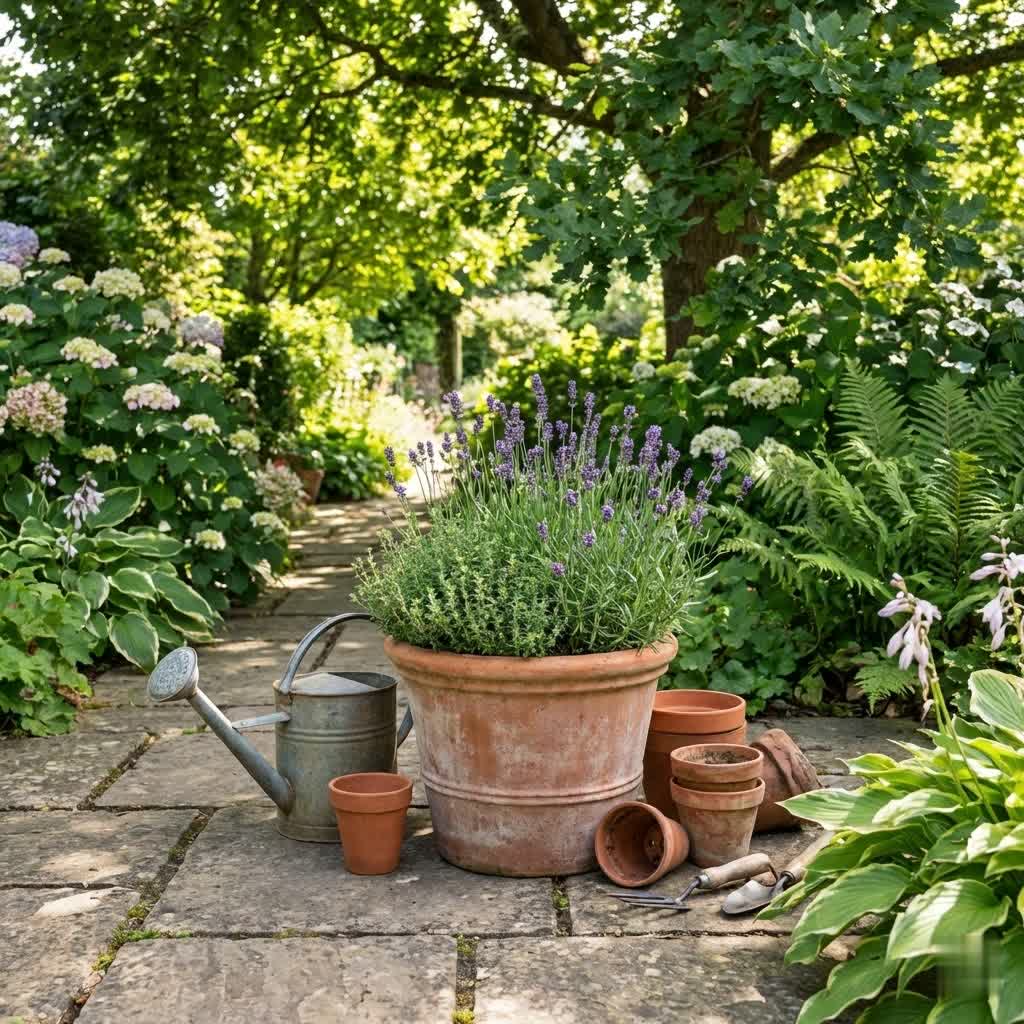
Choosing the right plant watering pot is crucial for plant health, with options like terracotta, plastic, glazed ceramic, metal, and self-watering pots each offering distinct advantages and disadvantages. For instance, unglazed terracotta pots promote superior aeration and faster drying, ideal for succulents, while self-watering pots provide consistent moisture for up to six weeks, perfect for busy individuals. Understanding these material differences helps ensure optimal hydration and root health for your green companions.
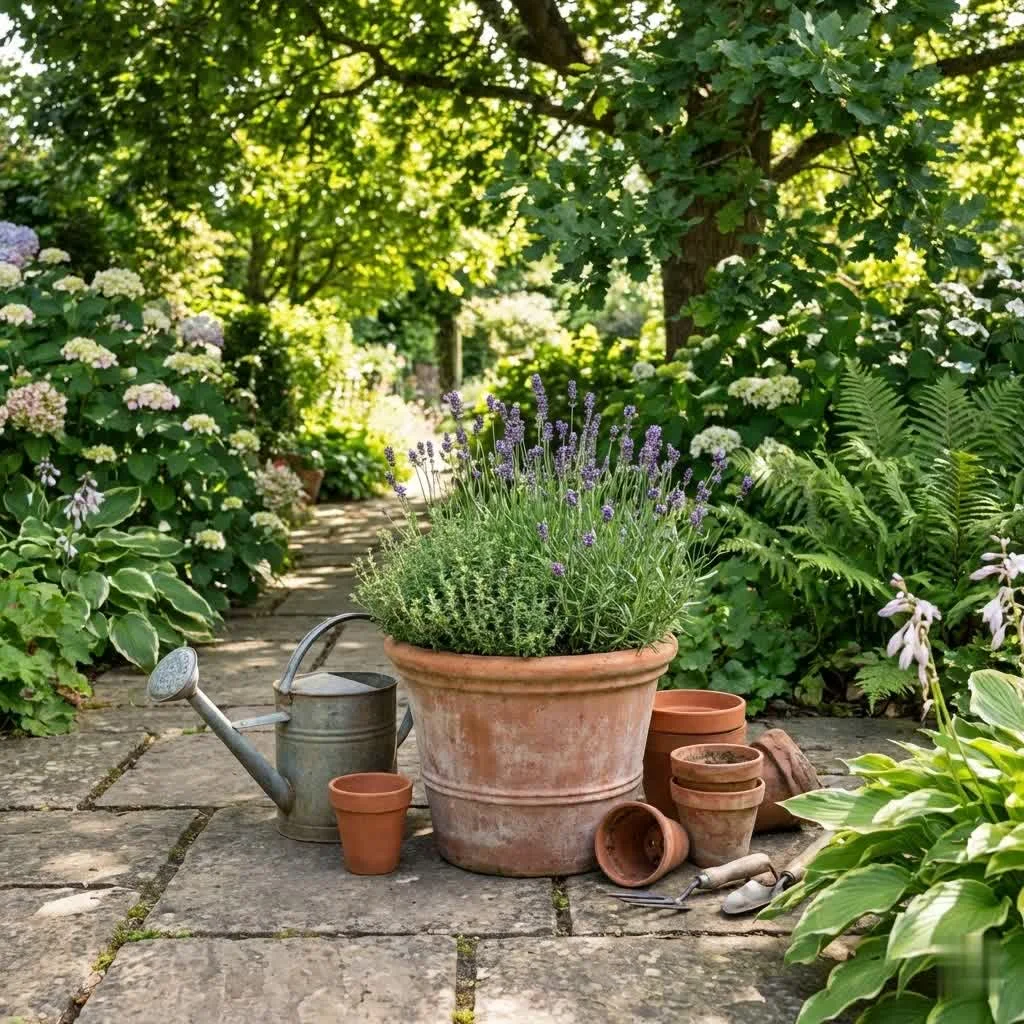
Common Types of Plant Pots and Their Watering Characteristics
The choice of plant pot material significantly impacts how your plants receive and retain water, influencing their overall health and growth. Understanding these characteristics is the first step toward becoming a successful plant parent.
Ceramic Plant Pots (Glazed)
Ceramic pots, particularly those with a glazed finish, are renowned for their aesthetic appeal, offering a wide range of colors, textures, and designs that can complement any décor.
- Pros: Glazed ceramic pots retain moisture effectively, similar to plastic, as the glaze creates a non-porous surface. This means less frequent watering for your plants. They are also heavy and stable, making them ideal for larger plants that might otherwise tip over.
- Cons: Due to their low breathability, glazed ceramic pots can be prone to overwatering if not managed carefully. The lack of air circulation through the pot walls means the soil dries out slowly, potentially leading to root rot if drainage is insufficient.
- How to Choose & Care: When selecting glazed ceramic pots, always ensure they have adequate drainage holes at the bottom. Consider pots with a slightly raised base to allow for better airflow underneath. To prevent moisture issues, allow the top inch or two of soil to dry out before rewatering. Regular cleaning helps prevent mineral buildup and maintain their appearance.
Plastic Plant Pots
Plastic plant pots are a ubiquitous choice for gardeners due to their practicality and versatility. Modern plastic pots are engineered with plant health and durability in mind.
- Pros: Plastic pots are lightweight, affordable, and highly effective at retaining soil moisture, which translates to less frequent watering. Many are designed to be durable, resisting sun-bleaching and cracking, especially those made from high-grade polyethylene. They offer immense design flexibility in terms of shapes, sizes, and colors.
- Cons: While excellent at moisture retention, this can also be a disadvantage. Plastic pots offer poor breathability compared to porous materials like terracotta, making plants susceptible to overwatering and root rot if proper drainage and a well-aerated potting mix are not used. Lower-quality plastics might degrade over time if exposed to harsh outdoor elements.
- Safe Plastics & Recycling: When choosing plastic, look for pots made from high-density polyethylene (HDPE) or polypropylene (PP), often indicated by recycling symbols #2 or #5. These are generally considered safer and more durable. Using BPA-free plastic is also a good practice, though less common for plant pots. Many plastic pots are recyclable; check local recycling guidelines or look for garden centers that offer pot recycling programs to promote sustainability.
Terracotta Plant Pots (Unglazed Clay)
|
Our Picks for the Best Plant Pot in 2026
As an Amazon Associate I earn from qualifying purchases.
|
||
| Num | Product | Action |
|---|---|---|
| 1 | Indoor Self Watering Planters with Drainage Holes and Saucers, 8, 7, 6.5, 6, 5.5, 5 Inches, Black, 6 Pots |

|
| 2 | Kante 18 Inch Dia Round Concrete Planter, Indoor Outdoor Large Plant Pot with Drainage Hole and Rubber Plug for Home Patio Garden, Charcoal |
|
| 3 | Indoor Self Watering Planters with Drainage Holes and Saucers, 8, 7, 6.5, 6, 5.5, 5 Inches, Green, 6 Pots. |
|
| 4 | Kante 18 Inch Diameter Round Concrete Planter, Indoor Outdoor Large Plant Pot with Drainage Hole and Rubber Plug for Home Patio Garden, Buff Concrete |
|
| 5 | 7 pcs Plant Pots with Drainage Holes and Saucers, Indoor Planters, Set of 7 (7.5, 7, 6.5, 6, 5.5, 4.5, 3.5 Inches), White |
|
| 6 | Kante 18 Inch Dia Round Concrete Planter, Indoor Outdoor Large Plant Pot with Drainage Hole and Rubber Plug for Home Patio Garden, Weathered Concrete |
|
| 7 | Kante 18 Inch Dia Round Concrete Planter, Indoor Outdoor Large Plant Pot with Drainage Hole and Rubber Plug for Home Patio Garden, Black |
|
| 8 | Indoor Self Watering Planters with Drainage Holes and Saucers, 8, 7, 6.5, 6, 5.5, 5 Inches, 6 Pots(Green+Brown |
|
| 9 | Indoor Self Watering Planters with Drainage Holes and Saucers, 8, 7, 6.5, 6, 5.5, 5 Inches, White, 6 Pots |
|
| 10 | Indoor Outdoor Plant Pots- Self Watering Planters with Drainage Holes and Saucers, 9,8, 7.5 Inches, 3 Pots (Snow) |
|
Unglazed terracotta pots, made from porous baked clay, are a classic choice known for their distinctive earthy look and excellent plant health benefits.
- Pros: The porous nature of unglazed terracotta allows air and moisture to pass through its walls, promoting superior aeration for plant roots and helping the soil dry out faster. This breathability significantly reduces the risk of overwatering and root rot, making them ideal for plants that prefer their soil to dry out between waterings, such as succulents and cacti.
- Cons: Due to their porosity, terracotta pots dry out much more quickly than plastic or glazed ceramic pots, requiring more frequent watering, especially in warm, dry climates or for thirsty plants. They are also heavier and more fragile, susceptible to cracking if dropped or exposed to freezing temperatures when wet.
- Treating New Pots: New terracotta pots should be soaked in water for at least 30 minutes before planting. This prevents the dry clay from wicking moisture away from the fresh potting mix and plant roots. While there isn’t a strict “high-end” vs. “common” distinction beyond craftsmanship and finish, consistently high-quality terracotta will have fewer impurities and a more even firing, leading to better porosity and durability.
Metal Plant Pots
Metal plant pots offer a contemporary, industrial aesthetic that can add a stylish touch to modern interiors and outdoor spaces.
- Pros: Metal pots are exceptionally durable and provide a sleek, minimalist look. Materials like stainless steel or galvanized steel offer good longevity and can be quite resistant to physical damage.
- Cons: Metal pots can absorb and retain heat rapidly, especially in direct sunlight, which can quickly overheat the soil and damage plant roots. They also conduct cold, potentially harming roots in frosty conditions. Without proper treatment, many metals are prone to rust, particularly when exposed to constant moisture. They also lack breathability.
- Usage & Rust Prevention: To mitigate temperature issues, use metal pots as decorative cachepots, placing plants in an inner plastic nursery pot. This also makes watering easier and helps prevent direct contact with the metal. For outdoor use, select galvanized steel, stainless steel, or powder-coated aluminum to prevent rust. If using ungalvanized metal, a rust-inhibiting primer and paint can help, but regular inspection for corrosion is essential.
Self-Watering Pots
Self-watering pots, also known as sub-irrigation planters, are innovative solutions designed to take the guesswork out of plant hydration, providing a consistent moisture supply to your plants.
- Mechanism: These pots feature a built-in water reservoir at the bottom, separate from the soil. Plants draw water as needed through a wicking system (like a cord or specialized aeration stones) or by direct root contact with the reservoir via capillary action. An overflow hole or indicator prevents overfilling. Advanced “smart” self-watering pots integrate AI sensors to monitor soil moisture, light, temperature, and humidity, automatically adjusting water delivery and providing real-time plant health insights via an app.
- Pros: They offer consistent moisture, significantly reducing watering frequency (often 1-4 weeks), which is ideal for busy individuals or frequent travelers. They prevent both overwatering and underwatering, leading to healthier root development and less plant stress. The contained system can also reduce pests like fungus gnats that thrive on surface moisture.
- Cons: Self-watering pots typically have a higher upfront cost. They are not suitable for all plants, particularly drought-loving species like cacti and succulents, which prefer their soil to dry out completely between waterings. Algae can sometimes form in the reservoir if not cleaned regularly, and outdoor self-watering pots can crack in extreme cold if the reservoir water freezes. While generally preventing overwatering, it’s still possible if the potting mix is too dense or the wicking material is too thick, leading to consistently soggy conditions indoors.
- Suitable Plants: Most tropical houseplants that thrive with consistent soil moisture, such as ferns, peace lilies, and many herbs, are excellent candidates for self-watering pots.
Comparison Table: Plant Pot Types
Choosing the best plant pot involves weighing the features of each material against your plant’s needs and your personal preferences.
| Feature | Ceramic (Glazed) | Plastic | Terracotta (Unglazed) | Metal | Self-Watering |
|---|---|---|---|---|---|
| Price | Moderate to High | Low to Moderate | Low to Moderate | Moderate to High | Moderate to High |
| Durability | Good, can chip | Good, can crack in cold/sun (low quality) | Moderate, can break | High | Good |
| Water Retention | High | High | Low (dries quickly) | High | Excellent (regulated) |
| Breathability | Low | Low | High (porous) | Low | Moderate (designed in) |
| Aesthetics | Diverse, elegant | Diverse, casual | Natural, rustic | Modern, sleek | Modern, functional |
| Drainage (inherent) | Needs holes | Needs holes | Porous surface + holes | Needs holes | Reservoir system |
| Ideal Use | Indoor decor, moisture-loving plants | Versatile, cost-effective, moisture-loving plants | Succulents, cacti, plants needing fast drainage | Decorative cachepot, modern decor | Low-maintenance, busy gardeners, moisture-loving plants |
Choosing the Right Plant Watering Pot
Selecting the ideal plant watering pot goes beyond aesthetics; it’s about creating an environment where your plant can thrive with minimal stress.
Assess Your Plant’s Needs
Begin by understanding your specific plant. Does it prefer consistently moist soil or periods of drying out between waterings? What is its typical size and growth habit? Plants with shallow root systems, like succulents, often prefer pots that promote faster drying, while many tropical plants benefit from more consistent moisture.
Consider Your Lifestyle
Your daily routine significantly influences the best pot choice. If you travel frequently or have a busy schedule, a self-watering pot can be a major upgrade, reducing the need for daily attention. For those who enjoy the ritual of hands-on watering, traditional pots offer greater control.
Evaluate Environmental Factors
Where will the plant be located? Indoor plants face different humidity and temperature challenges than outdoor plants. Outdoor pots need to withstand varying weather conditions, including sun exposure and freezing temperatures. Ensure outdoor self-watering pots have adequate overflow systems to prevent waterlogging during heavy rain and are protected from freezing if they have reservoirs.
Prioritize Material & Design
Look for materials that align with your plant’s watering needs and the environment. Consider durability features like UV protection and crack resistance for outdoor use. Aesthetically, choose a design and color that complements your space. Functionally, features like water-level indicators and easy-fill ports in self-watering pots can greatly enhance convenience. Always verify that any pot you choose has sufficient drainage holes or a well-designed sub-irrigation system to prevent water stagnation.
Essential Plant Pot Care Tips
Proper care extends beyond initial selection; maintaining your plant pots ensures longevity and continued plant health.
Cleaning Your Plant Pots
Regular cleaning is crucial. For self-watering pots, periodically empty and clean the reservoir to prevent the buildup of algae, which can harbor pests or impede water flow. Traditional pots should be cleaned to remove mineral deposits, especially around drainage holes, and to sterilize them between plants to prevent disease transmission. Use mild soap and water, and for stubborn stains, a diluted bleach solution (1 part bleach to 9 parts water) followed by thorough rinsing.
Repotting and Soil Management
Knowing when and how to repot is vital. As plants grow, they may become root-bound, requiring a larger pot. When repotting, choose a high-quality, well-aerated potting mix appropriate for your plant type. For plastic and self-watering pots, a light, airy mix is particularly important to ensure adequate oxygen circulation around the roots and prevent compaction that can lead to root rot. Always ensure good drainage in the new pot.
Fertilizing Plants in Pots
Potted plants rely on you for nutrients. Adjust your fertilization schedule and dosage based on the pot type. Plants in fast-draining terracotta pots might need more frequent fertilization, as nutrients can leach out more quickly. In self-watering systems, nutrients can also be diluted in the reservoir, so monitor your plant’s health closely and adjust liquid fertilizer applications as needed, ensuring they are added appropriately to the soil or reservoir as per the pot’s design.
Conclusion
Choosing the right plant watering pot is a foundational aspect of successful plant care, influencing everything from hydration consistency to root health and overall vitality. Whether you opt for the breathability of terracotta, the moisture retention of plastic, the elegance of ceramic, the modern appeal of metal, or the convenience of a self-watering system, understanding each type’s characteristics will empower you to make informed decisions. By matching the pot to your plant’s needs and your lifestyle, you open up the potential for a thriving, beautiful indoor or outdoor garden.
Every plant is unique, and observing how your plants respond to their environment and chosen pot is key to long-term success. What challenges have you faced with plant watering pots, and what solutions have worked best for you?
Frequently Asked Questions
Can you overwater with a self-watering pot?
Yes, it is possible to overwater with a self-watering pot, especially for indoor plants if the drainage holes are plugged or if the potting mix is too heavy and retains excessive moisture. Using a wick that is too thick can also draw too much water into the root area, leading to soggy conditions.
What plants are not suitable for self-watering pots?
Plants that prefer their soil to dry out completely between waterings are generally not suitable for self-watering pots. This includes most cacti and succulents, which have shallow root systems and are prone to rot in consistently moist conditions.
Do self-watering planters cause root rot?
Self-watering planters do not inherently cause root rot. Root rot is typically a result of an inappropriate soil mix (too heavy), choosing the wrong plant for the pot, or an overly thick wicking material that keeps the soil too wet. Proper soil aeration and selecting the right plant are key to prevention.
How often do self-watering pots need refilling?
The refill frequency for self-watering pots varies depending on the reservoir size, the plant’s water needs, light levels, and ambient temperature. Larger reservoirs can last up to six weeks, while smaller ones might need refilling every few days or weekly.
Are plastic plant pots safe for plants?
Yes, most modern plastic plant pots are safe for plants. Many are made from durable, engineered plastics like high-grade polyethylene that resist degradation and do not leach harmful chemicals. However, some lower-quality plastics might be less durable and best used indoors.
Frequently Asked Questions
Can you overwater with a self-watering pot?
Yes, it is possible to overwater with a self-watering pot, particularly for indoor plants if drainage holes are blocked or the potting mix is too dense. An overly thick wick can also draw excessive water, leading to soggy conditions and potential root issues.
What plants are not suitable for self-watering pots?
Plants that prefer their soil to dry out completely between waterings are generally not suitable for self-watering pots. This category includes most cacti and succulents, which have shallow root systems and are highly susceptible to rot in consistently moist environments.
Do self-watering planters cause root rot?
Self-watering planters do not inherently cause root rot; rather, root rot typically results from an unsuitable soil mix (e.g., too heavy), selecting the wrong plant for the pot, or using an overly thick wicking material that keeps the soil excessively wet. Ensuring proper soil aeration and choosing the correct plant type are crucial for prevention.
How often do self-watering pots need refilling?
The refill frequency for self-watering pots varies significantly based on reservoir size, the plant's water requirements, light exposure, and ambient temperature. Larger reservoirs can sustain plants for up to six weeks, while smaller ones may require refilling every few days or weekly.
Are plastic plant pots safe for plants?
Yes, most modern plastic plant pots are safe for plants. Many are manufactured from durable, engineered plastics such as high-grade polyethylene, which resist degradation and do not leach harmful chemicals into the soil. However, lower-quality plastics may be less durable and are best suited for indoor use.
Choosing the Right Plant Watering Pot
Selecting the ideal plant watering pot involves assessing your plant's needs, your lifestyle, and environmental factors to ensure optimal growth and health.
Determine if your plant prefers consistently moist soil or periods of drying out between waterings. Consider its typical size and growth habit; for example, succulents with shallow roots thrive in pots that dry faster.
Evaluate your daily routine and travel frequency. If you have a busy schedule, a self-watering pot can significantly reduce watering frequency, often to once every 1-4 weeks, making it a convenient choice.
Identify where the plant will be located: indoors or outdoors. Outdoor pots need to withstand varying weather, including sun exposure and freezing temperatures, while indoor plants face different humidity challenges.
Choose a pot material that aligns with your plant's watering needs and environment. Ensure the pot has adequate drainage holes or a well-designed sub-irrigation system to prevent water stagnation and promote root health.
Get our weekly buyer guide
Practical specs, not advice. Unsubscribe anytime.

I’ve always struggled with overwatering my succulents, but the unglazed terracotta pots mentioned here have been a game-changer. My Echeveria is thriving, and I love how quickly the soil dries out, preventing root rot. It’s such a simple solution that makes a huge difference for my desert plants.
The self-watering pots are a lifesaver for my busy schedule. I can go away for a week or two without worrying about my ferns drying out. It’s great to know my plants are getting consistent moisture, though I do wish they came in a wider variety of colors to match my decor better.
I recently switched to plastic pots for some of my larger houseplants, and I’m really impressed with how lightweight and durable they are. They’re easy to move around for cleaning, and I appreciate that they don’t break if I accidentally knock one over. Plus, they’re super affordable, which is a bonus when you have a lot of plants.
I tried a glazed ceramic pot for my peace lily, hoping it would retain moisture better. While it looks nice, I’ve found that it doesn’t dry out as evenly as I’d like, and I’m still having to check the soil pretty frequently. It’s okay, but I might go back to plastic for easier watering management.