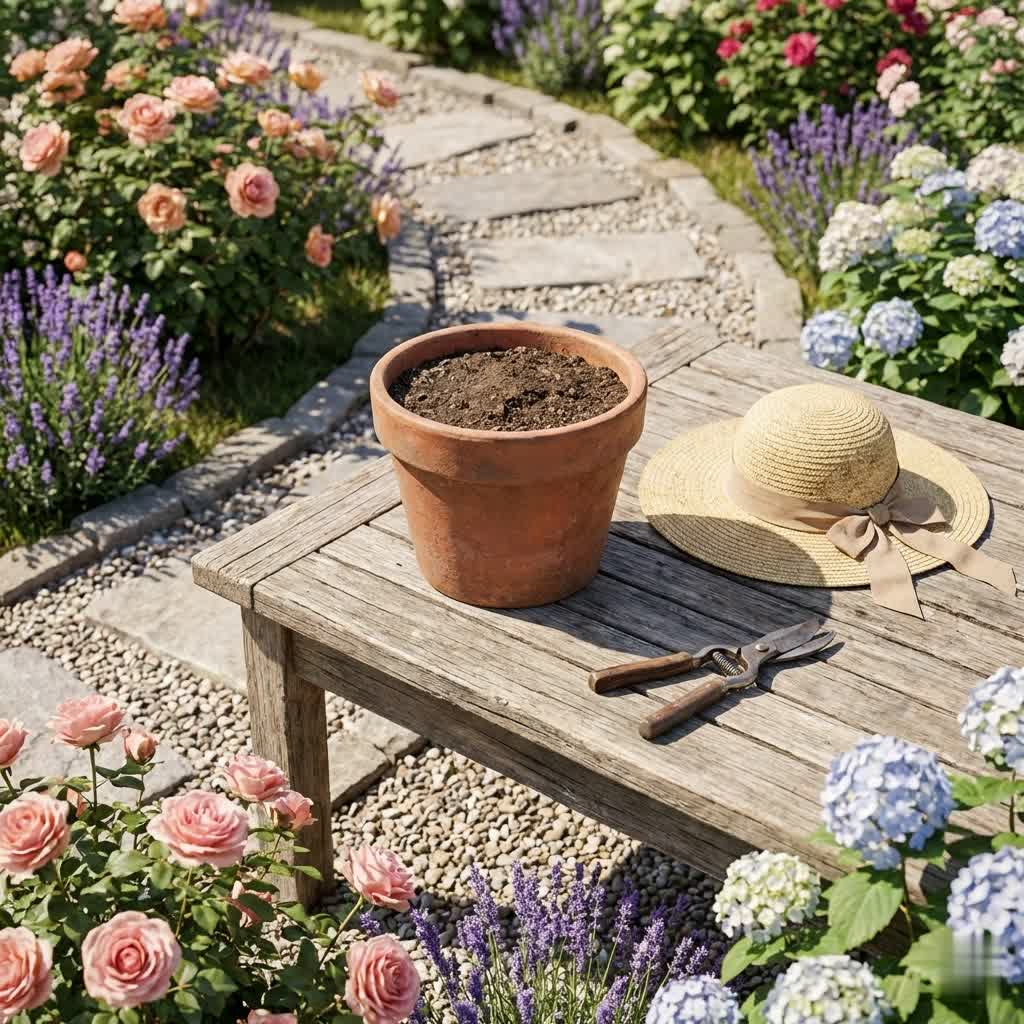
Spider plants are cherished houseplants, beloved for their arching, variegated leaves and their easy-care nature. Whether you’re a seasoned plant enthusiast or just starting your green journey, these resilient beauties can thrive in almost any home. However, the secret to a truly flourishing spider plant often lies hidden in plain sight: the right pot. Choosing the ideal container is not just about aesthetics; it’s a critical decision that impacts your plant’s health, growth, and overall well-being. This guide will walk you through everything you need to know to select the perfect pot for your spider plant, ensuring it looks its best and grows vigorously for years to come.
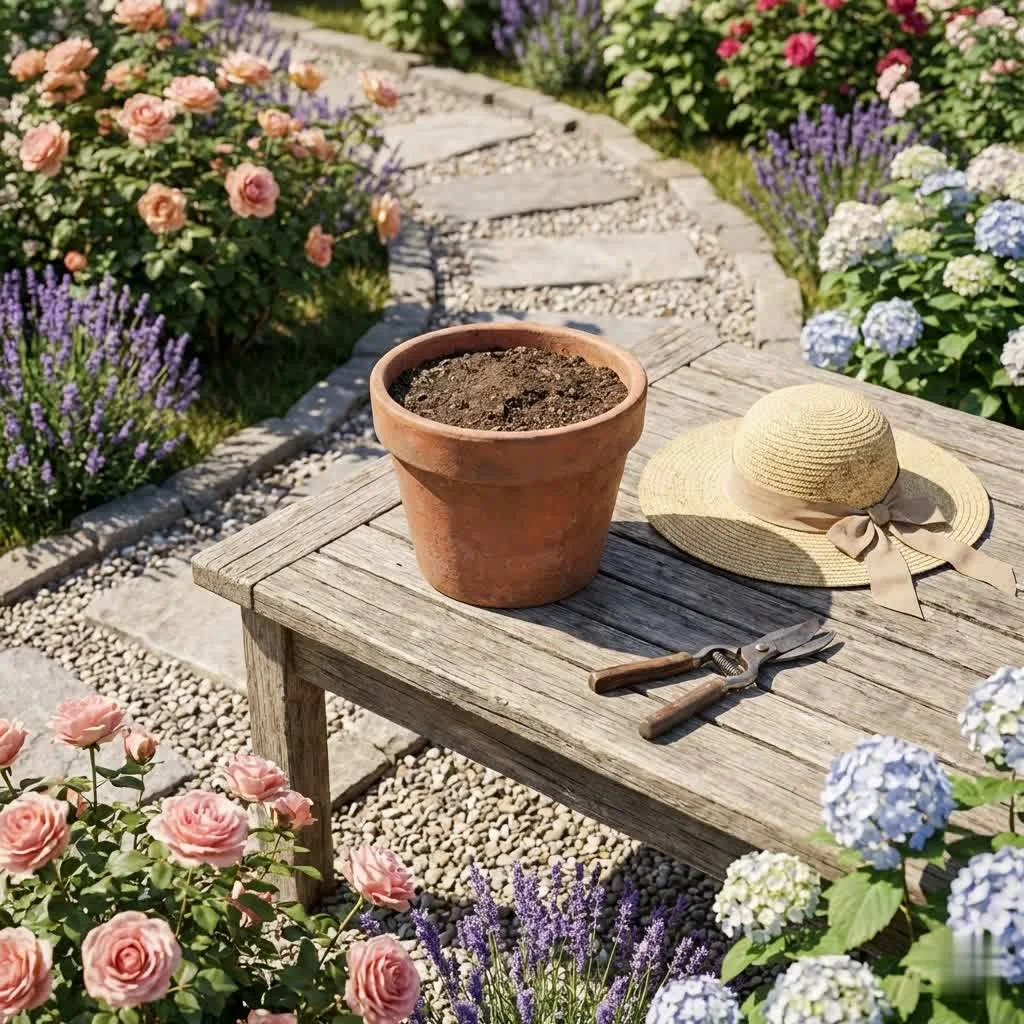
Popular Types of Plant Pots
The market offers a vast array of plant pot materials, each with unique characteristics that can benefit or challenge your spider plant. Understanding these differences is the first step to making an informed choice. For complete indoor library on this site.
Terracotta Pots
Terracotta pots, made from unglazed fired clay, are a timeless choice known for their rustic charm and breathability.
- Pros: These porous pots allow excellent air circulation to the roots and wick away excess moisture from the soil, which is crucial for preventing root rot—a common issue for spider plants. Their weight also provides stability for larger, more mature plants.
- Cons: Due to their porous nature, terracotta pots dry out much faster than other materials. This means you may need to water your spider plant more frequently, especially in warmer climates or dry indoor environments. They are also fragile and can break if dropped.
- Choosing: Always opt for unglazed terracotta to maximize breathability. Ensure the pot has a large drainage hole at the bottom.
- Maintenance: Terracotta can develop a white, powdery residue (efflorescence) over time, which is mineral salt buildup. This is generally harmless but can be cleaned with a stiff brush and a mild vinegar solution.
Plastic Pots
Plastic pots are a ubiquitous option, popular for their affordability and versatility.
- Pros: Lightweight, durable, and available in an endless variety of colors, shapes, and sizes, plastic pots are practical for many plant parents. They retain moisture longer than terracotta, reducing the frequency of watering. Their lightweight nature makes them ideal for hanging baskets, a popular display method for spider plants.
- Cons: Because they don’t allow for much air exchange and retain moisture, plastic pots can lead to overwatering and root rot if proper drainage isn’t ensured. They can also degrade over time with UV exposure.
- Safe Plastics: Most modern plastic pots are made from inert materials safe for plants. If concerned, look for BPA-free options.
- Recycling: Many nurseries offer recycling programs for used plastic pots. You can also clean and reuse them for propagating spider plant babies.
Ceramic Pots
|
Our Picks for the Best Plant Pot in 2026
As an Amazon Associate I earn from qualifying purchases.
|
||
| Num | Product | Action |
|---|---|---|
| 1 | Indoor Outdoor Plant Pots- Self Watering Planters with Drainage Holes and Saucers, 9,8, 7.5 Inches, 3 Pots (Snow) |

|
| 2 | Kante 18 Inch Dia Round Concrete Planter, Indoor Outdoor Large Plant Pot with Drainage Hole and Rubber Plug for Home Patio Garden, Black |
|
| 3 | Indoor Self Watering Planters with Drainage Holes and Saucers, 8, 7, 6.5, 6, 5.5, 5 Inches, White, 6 Pots |
|
| 4 | Kante 18 Inch Diameter Round Concrete Planter, Indoor Outdoor Large Plant Pot with Drainage Hole and Rubber Plug for Home Patio Garden, Buff Concrete |
|
| 5 | Indoor Self Watering Planters with Drainage Holes and Saucers, 8, 7, 6.5, 6, 5.5, 5 Inches, Black, 6 Pots |
|
| 6 | Kante 18 Inch Dia Round Concrete Planter, Indoor Outdoor Large Plant Pot with Drainage Hole and Rubber Plug for Home Patio Garden, Weathered Concrete |
|
| 7 | 7 pcs Plant Pots with Drainage Holes and Saucers, Indoor Planters, Set of 7 (7.5, 7, 6.5, 6, 5.5, 4.5, 3.5 Inches), White |
|
| 8 | Indoor Self Watering Planters with Drainage Holes and Saucers, 8, 7, 6.5, 6, 5.5, 5 Inches, 6 Pots(Green+Brown |
|
| 9 | Indoor Self Watering Planters with Drainage Holes and Saucers, 8, 7, 6.5, 6, 5.5, 5 Inches, Green, 6 Pots. |
|
| 10 | Kante 18 Inch Dia Round Concrete Planter, Indoor Outdoor Large Plant Pot with Drainage Hole and Rubber Plug for Home Patio Garden, Charcoal |
|
Ceramic pots offer a blend of aesthetics and functionality, ranging from glazed to unglazed finishes.
- Pros: Glazed ceramic pots are highly decorative and can complement any interior design. They retain moisture well, similar to plastic, but offer more heft and stability. Unglazed ceramic, while less common, shares some porous qualities with terracotta.
- Cons: Glazed ceramic pots offer less breathability, making proper drainage holes essential to prevent waterlogging. They are generally heavier and more expensive than plastic, and like terracotta, they are prone to breaking if dropped.
- Choosing: Always select ceramic pots with at least one generous drainage hole. If you fall in love with a pot without drainage, consider using it as a decorative cachepot with your spider plant remaining in a nursery pot inside.
- Maintenance: Wipe down glazed ceramic pots with a damp cloth to keep them sparkling. Be mindful of potential water stains on porous surfaces if using unglazed options.
Metal Pots
Metal pots can lend a modern, industrial, or elegant touch to your plant display.
- Pros: Metal pots are durable and can make a striking design statement. They are generally sturdy and resistant to breakage.
- Cons: Metal can heat up significantly when exposed to direct sunlight, potentially damaging delicate spider plant roots. They often lack drainage holes and are prone to rust, especially in humid environments.
- Considerations: It is highly recommended to use metal pots as decorative cachepots. Keep your spider plant in a well-draining plastic nursery pot placed inside the metal container, ensuring no standing water accumulates at the bottom of the metal pot.
- Rust Prevention: If using metal directly, choose galvanized, powder-coated, or stainless steel options. Regularly check for signs of rust and address them promptly.
Self-Watering Pots
Self-watering pots utilize a reservoir system to provide consistent moisture to the plant’s roots.
- Mechanism: These pots typically have an inner pot with wicking material or holes that draw water up from a reservoir below, allowing the plant to absorb water as needed.
- Pros: Ideal for busy plant parents or those prone to forgetting to water, self-watering pots maintain consistent soil moisture, which spider plants appreciate. They can reduce the frequency of watering dramatically.
- Cons: If not used correctly, particularly with overly dense soil, self-watering pots can still lead to overwatering and root rot. It’s crucial to allow the topsoil to dry out slightly between reservoir refills.
- Suitable Plants: Spider plants can thrive in self-watering pots, especially if you monitor the moisture levels and ensure the plant isn’t constantly sitting in soggy conditions. This system works well for spider plants once they are established.
Comparison Table of Pot Types for Spider Plants
| Feature | Terracotta | Plastic | Ceramic (Glazed) | Metal | Self-Watering |
|---|---|---|---|---|---|
| Price | Moderate | Low | Moderate to High | Moderate to High | Moderate to High |
| Durability | Fragile | High | Moderate | High | Moderate |
| Drainage | Excellent | Requires holes | Requires holes | Often none | Integrated |
| Aesthetics | Rustic, Natural | Versatile | Elegant, Modern | Modern, Industrial | Modern, Practical |
| Weight | Heavy | Lightweight | Heavy | Moderate to Heavy | Moderate |
| Moisture Retention | Low (dries fast) | High | High | N/A (use liner) | Consistent |
Guide to Choosing Your Spider Plant Pot
Selecting the perfect pot involves more than just picking a pretty container. It’s about matching the pot to your plant’s needs, your care routine, and your living space.
Assess Your Needs
Before you buy, consider these factors:
- Type and Size of Spider Plant: A small spiderette destined for propagation might start in a 4-inch pot, while a mature, bushy plant producing many babies will need a larger container. Consider the plant’s current size and its potential for growth, especially its vigorous root system.
- Plant Location: Is your spider plant going on a tabletop, a shelf, or will it be a hanging basket? For hanging displays, lightweight pots like plastic are often preferred. For tabletop plants that tend to become top-heavy, a heavier material like ceramic or terracotta offers more stability.
- Your Watering Habits: If you tend to overwater, a porous pot like terracotta can be a lifesaver. If you’re forgetful or travel frequently, a plastic pot that retains moisture or a self-watering system might be a better fit.
Selecting the Right Material
Based on the pros and cons above, prioritize these aspects:
- Drainage is Key: Regardless of material, ensure your chosen pot has adequate drainage holes. Spider plants are highly susceptible to root rot if their roots sit in standing water. If a pot lacks holes, either drill them yourself or use it as a decorative cover pot.
- Breathability and Moisture: Terracotta promotes excellent airflow and quickly dries out the soil, which is great for root health but demands more frequent watering. Plastic and glazed ceramic retain moisture longer, reducing watering frequency but requiring careful monitoring to avoid overwatering.
- Safety and Longevity: Choose durable, non-toxic materials. Most common plant pot materials are safe, but longevity varies. Plastic and metal are generally more durable than terracotta or ceramic, which can chip or break.
Design and Aesthetics
The pot is also an integral part of your home décor.
- Complement Your Interior Style: Choose a pot that aligns with your home’s aesthetic. A minimalist space might suit a sleek ceramic or metal pot, while a bohemian style could embrace a woven basket (with an inner liner) or a natural terracotta pot.
- Harmonize with the Plant: Consider how the pot’s color and texture will enhance your spider plant’s vibrant green and white foliage. Contrasting colors can make the plant pop, while earthy tones create a serene look.
Pre-Purchase Checklist
Before bringing your new pot home:
- Verify Drainage Holes: This is non-negotiable for the health of your spider plant. If there are no holes, consider other options or be prepared to modify the pot or use it as a cachepot.
- Inspect for Damage: Check for cracks, chips, or manufacturing defects, especially with ceramic and terracotta pots.
- Consider Pot Size for Repotting: When repotting, select a new container that is only 1 to 2 inches larger in diameter than the previous one. Spider plants prefer to be slightly root-bound rather than in a pot that is too large, as a much larger pot holds excess soil and moisture, increasing the risk of root rot.
Spider Plant Pot Care Tips
Beyond initial selection, proper pot care contributes to your spider plant’s long-term health.
Pot Cleaning
Regular cleaning is vital, especially when reusing pots.
- Routine Cleaning: Periodically wipe down the exterior of your pots to remove dust and dirt. For terracotta, gently brush off any mineral buildup.
- Deep Cleaning for Reused Pots: Before reusing any pot, especially if a previous plant had disease or pests, clean it thoroughly. Wash with warm, soapy water and then sterilize with a diluted bleach solution (1 part bleach to 9 parts water) to kill any pathogens. Rinse thoroughly and allow to dry completely before repotting.
Repotting for Healthy Growth
Spider plants are fast growers and will eventually need a larger home.
- When to Repot: Look for signs your spider plant is root-bound: roots emerging from drainage holes, growth slowing down, the plant becoming top-heavy and unstable, or the soil drying out extremely quickly. Typically, spider plants need repotting every one to two years.
- Choosing the Right Pot Size: As mentioned, select a pot that is only slightly larger (1-2 inches in diameter) than the current one. This allows room for growth without overwhelming the plant with too much soil.
- Correct Soil: Use a well-draining, airy potting mix. A good general-purpose houseplant mix amended with perlite, vermiculite, or coarse sand will ensure proper aeration and drainage, while still retaining enough moisture for your spider plant.
- Repotting Process: Gently remove the plant from its old pot. Loosen any circling roots. Place a small layer of fresh soil in the new pot, center the plant, fill with more soil, and lightly pat it down. Water thoroughly after repotting.
Fertilizing Potted Spider Plants
Container-grown plants rely on you for nutrients.
- Suitable Fertilizers: Use a balanced liquid houseplant fertilizer, diluted to half strength. Look for options formulated for foliage plants.
- Frequency and Dosage: During the growing season (spring and summer), fertilize every 2-4 weeks. Reduce or stop fertilizing in fall and winter when growth naturally slows down. Always follow the product’s instructions for best results.
Conclusion
Choosing the right pot for your spider plant is a foundational step in ensuring its vibrant health and striking beauty. From the breathable qualities of terracotta to the lightweight versatility of plastic, each material offers unique advantages. By considering your plant’s specific needs, your personal watering habits, and the aesthetic you desire, you can select a container that not only supports vigorous growth but also enhances your living space. A well-chosen pot is an investment in your plant’s future, allowing its graceful arching leaves and charming “spiderettes” to truly shine.
What kind of pot will you choose to improve your spider plant’s home and help it thrive?
Frequently Asked Questions
Do spider plants like small pots?
Spider plants generally prefer to be slightly root-bound rather than having excessive space. When repotting, it’s best to choose a pot that is only 1-2 inches larger in diameter than the current one, allowing just enough room for growth without holding too much excess moisture.
What is the best drainage for spider plants?
Excellent drainage is crucial for spider plants to prevent root rot. Pots made from porous materials like terracotta offer superior drainage due to their breathability. Regardless of material, ensure your pot has ample drainage holes at the bottom, and use a well-draining potting mix.
Can spider plants live in self-watering pots?
Yes, spider plants can thrive in self-watering pots, especially for plant owners who tend to forget watering or travel frequently. These pots provide consistent moisture. However, it’s important to monitor the soil to ensure it doesn’t become waterlogged, and allow the topsoil to dry out between reservoir refills.
How often should I repot my spider plant?
Spider plants are vigorous growers and typically need repotting every 1-2 years. You’ll know it’s time when roots start appearing out of the drainage holes, the plant becomes top-heavy, growth slows, or the soil dries out unusually fast. Spring or early summer is the best time for repotting.
Are terracotta pots good for spider plants?
Terracotta pots are an excellent choice for spider plants due to their porous nature. They promote air circulation to the roots and wick away excess moisture, significantly reducing the risk of root rot. Just be mindful that they dry out faster, so you may need to water your plant more frequently.
Get our weekly buyer guide
Practical specs, not advice. Unsubscribe anytime.
