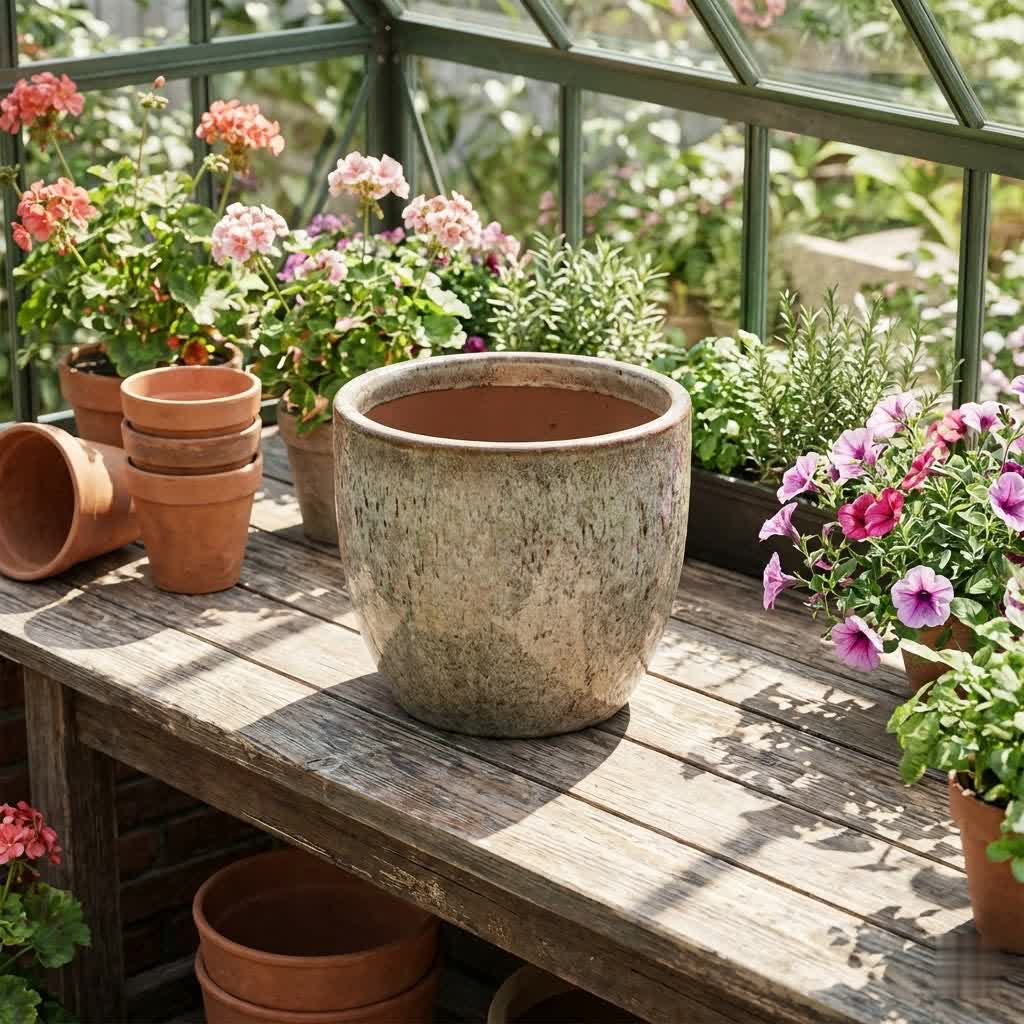
Imagine plucking a fresh, fragrant lemon from your own thriving plant, ready to brighten your drinks or culinary creations. Growing a lemon plant in pot offers this delightful possibility, transforming any patio, balcony, or even a sunny indoor corner into a vibrant, productive oasis. Whether you’re a seasoned gardener or just starting out, mastering container lemon cultivation can seem daunting, but with the right knowledge, you can enjoy homegrown lemons year-round. This comprehensive guide will walk you through everything you need to know, from selecting the perfect pot to expert care tips, ensuring your potted lemon tree flourishes.
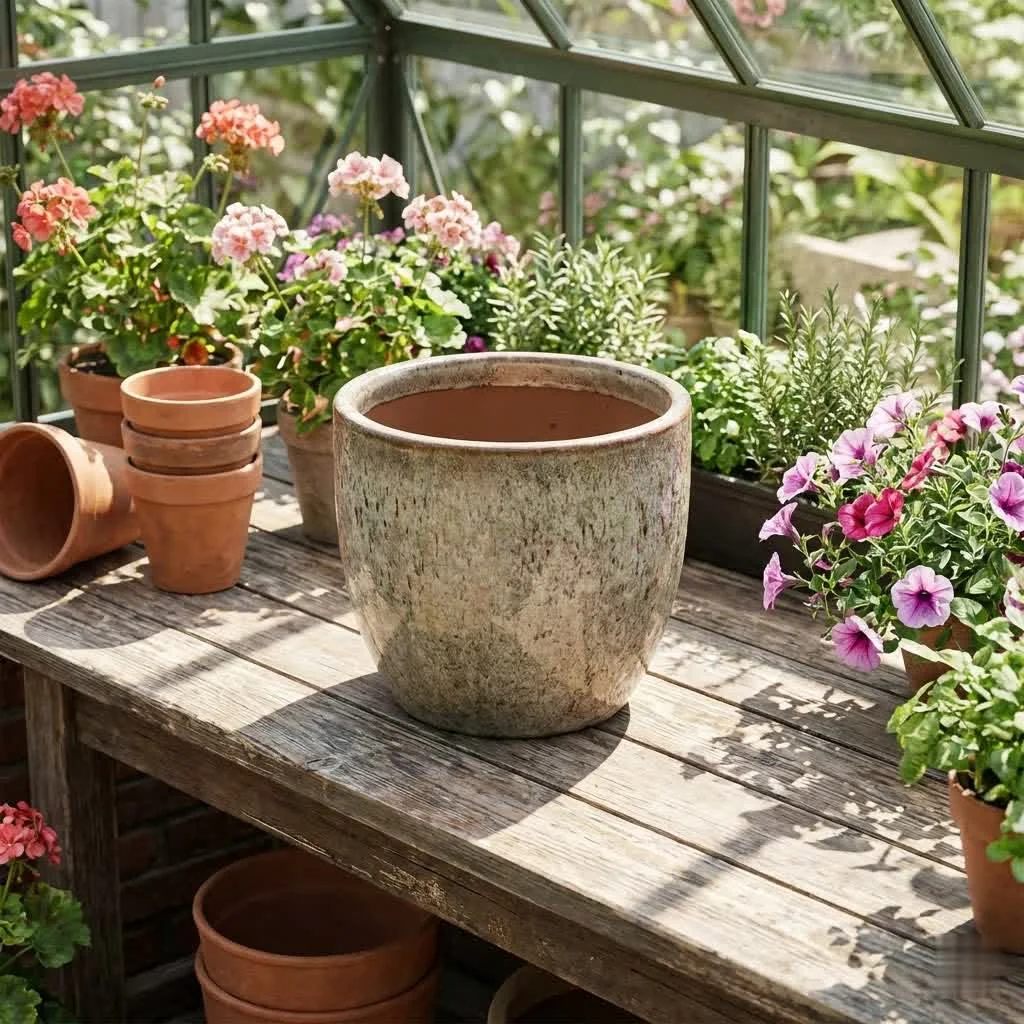
Popular Pot Types for Lemon Plants
Choosing the right container is the first critical step for a healthy lemon plant. Different materials offer unique advantages and disadvantages that impact drainage, temperature, and overall plant well-being.
Glazed Ceramic Pots
Glazed ceramic pots are celebrated for their aesthetic appeal, offering a wide array of colors, finishes, and designs to complement any decor.
- Pros and Cons:
- Pros: Highly decorative, substantial weight provides stability for larger trees, and the glaze helps retain soil moisture, reducing the frequency of watering.
- Cons: Can be very heavy, especially when filled with soil and a mature plant, making them difficult to move. The non-porous nature means less airflow to the roots, increasing the risk of overwatering if drainage isn’t perfect. They can also be expensive and prone to cracking in freezing temperatures if left outdoors.
- Choosing the right glazed ceramic pot: Look for pots with ample drainage holes at the bottom to prevent waterlogging. Ensure the size is appropriate for your lemon tree’s current and anticipated growth.
- Maintenance tips: Since they retain moisture, monitor soil dampness carefully. Clean regularly with mild soap and water to prevent mineral buildup and maintain their appearance.
Plastic Pots
Plastic pots are a popular choice due to their affordability, lightweight nature, and versatility.
- Pros and Cons:
- Pros: Extremely lightweight, making them easy to move indoors and outdoors. They are durable, shatter-resistant, and retain moisture well, which can be beneficial in hot, dry climates. Often the most budget-friendly option.
- Cons: Less breathable than porous materials, potentially leading to overwatering if not managed carefully. Some cheaper plastics can degrade over time in sunlight, becoming brittle. Dark-colored plastic pots can absorb significant heat in direct sun, potentially overheating roots.
- Safe plastic types for plants: Look for food-grade plastic (often marked with recycling symbols #2, #4, or #5) or plastics specifically designed for gardening, as they are generally UV-stabilized and free from harmful chemicals.
- Recycling plastic pots: Many municipal recycling programs accept plastic garden pots. Check local guidelines, or consider reusing them for other plants or nursery starts.
Unglazed Terracotta Pots
|
Our Picks for the Best Plant Pot in 2026
As an Amazon Associate I earn from qualifying purchases.
|
||
| Num | Product | Action |
|---|---|---|
| 1 | Indoor Outdoor Plant Pots- Self Watering Planters with Drainage Holes and Saucers, 9,8, 7.5 Inches, 3 Pots (Snow) |

|
| 2 | Kante 18 Inch Dia Round Concrete Planter, Indoor Outdoor Large Plant Pot with Drainage Hole and Rubber Plug for Home Patio Garden, Charcoal |
|
| 3 | Kante 18 Inch Diameter Round Concrete Planter, Indoor Outdoor Large Plant Pot with Drainage Hole and Rubber Plug for Home Patio Garden, Buff Concrete |
|
| 4 | Indoor Self Watering Planters with Drainage Holes and Saucers, 8, 7, 6.5, 6, 5.5, 5 Inches, 6 Pots(Green+Brown |
|
| 5 | Indoor Self Watering Planters with Drainage Holes and Saucers, 8, 7, 6.5, 6, 5.5, 5 Inches, Black, 6 Pots |
|
| 6 | 7 pcs Plant Pots with Drainage Holes and Saucers, Indoor Planters, Set of 7 (7.5, 7, 6.5, 6, 5.5, 4.5, 3.5 Inches), White |
|
| 7 | Kante 18 Inch Dia Round Concrete Planter, Indoor Outdoor Large Plant Pot with Drainage Hole and Rubber Plug for Home Patio Garden, Black |
|
| 8 | Kante 18 Inch Dia Round Concrete Planter, Indoor Outdoor Large Plant Pot with Drainage Hole and Rubber Plug for Home Patio Garden, Weathered Concrete |
|
| 9 | Indoor Self Watering Planters with Drainage Holes and Saucers, 8, 7, 6.5, 6, 5.5, 5 Inches, White, 6 Pots |
|
| 10 | Indoor Self Watering Planters with Drainage Holes and Saucers, 8, 7, 6.5, 6, 5.5, 5 Inches, Green, 6 Pots. |
|
Unglazed terracotta pots are a classic choice, particularly well-suited for plants that prefer well-aerated soil and dislike “wet feet,” like lemon trees.
- Pros and Cons:
- Pros: Excellent breathability due to their porous nature, which allows air to penetrate the soil and excess moisture to evaporate. This helps prevent root rot and keeps roots cooler. They offer a classic, earthy aesthetic.
- Cons: Dry out more quickly than plastic or glazed pots, requiring more frequent watering. They are heavy and fragile, prone to cracking, especially in freezing conditions. Over time, mineral salts can build up on the exterior, leaving a white residue.
- Distinguishing regular terracotta from high-quality terracotta: Higher-quality terracotta is often denser and fired at higher temperatures, making it more durable and slightly less porous, which can be a good balance for lemon trees. Regular terracotta is more common and very porous.
- Preparing new terracotta pots: Before planting, soak new terracotta pots in water for several hours to prevent the dry clay from wicking moisture directly from the potting mix, which could dehydrate your lemon plant.
Metal Pots
Metal pots, often made from galvanized steel, zinc, or aluminum, offer a sleek, modern look.
- Pros and Cons:
- Pros: Very durable and resistant to breaking. They can add a contemporary design element to your space.
- Cons: Metal is an excellent conductor of heat, meaning roots can easily overheat in direct sunlight, especially in dark-colored pots. This can stress the lemon plant. They can also be heavy and are susceptible to rust if not properly treated or made from rust-resistant materials. Lack of breathability is another concern.
- Considerations when using metal pots: If you choose a metal pot, select a lighter color to minimize heat absorption. Consider placing a smaller plastic or terracotta pot inside the metal one (pot-in-pot method) to create an insulating air gap and protect roots from extreme temperatures. Ensure excellent drainage.
- Rust prevention for metal pots: Use galvanized or powder-coated metal pots, or apply a rust-inhibiting sealant periodically.
Self-Watering Pots
Self-watering pots feature a reservoir that supplies water to the soil via wicks or capillary action, reducing the need for frequent manual watering.
- Mechanism: These pots typically have two main sections: a planting area for the soil and plant, and a water reservoir below. A wicking system or perforated base allows the soil to draw moisture up as needed.
- Pros and Cons:
- Pros: Great for busy gardeners, provide consistent moisture, and can reduce watering frequency significantly. They can help prevent both overwatering (by not constantly soaking the top) and underwatering (by providing a steady supply).
- Cons: Lemon trees prefer the top inch or two of soil to dry out between waterings to prevent root rot. Consistent moisture at the root level from a self-watering pot might lead to root issues if the soil mix isn’t exceptionally well-draining. Some systems can also lead to salt buildup in the soil over time.
- Suitable plants for self-watering pots: While beneficial for many plants, they are less ideal for citrus like lemon trees which are sensitive to perpetually moist roots. If used, ensure the potting mix is extremely fast-draining, and monitor soil moisture carefully, allowing the reservoir to dry out periodically.
Comparison Table of Pot Types for Lemon Plants
Here’s a quick comparison to help you weigh your options for housing your lemon plant:
| Feature | Unglazed Terracotta Pots | Plastic Pots | Glazed Ceramic Pots | Metal Pots | Self-Watering Pots |
|---|---|---|---|---|---|
| Price | Moderate | Low | Moderate to High | Moderate to High | Moderate to High |
| Durability | Fragile (cracks) | High (shatter-resistant) | Moderate (can chip/crack) | Very High (rust risk) | High |
| Drainage | Excellent (porous) | Good (via holes) | Good (via holes) | Good (via holes) | Good (via wicks) |
| Breathability | High | Low | Low | Low | Low |
| Moisture Ret. | Low (dries quickly) | High | High | High | Very High (constant) |
| Weight | Heavy | Lightweight | Very Heavy | Heavy | Moderate to Heavy |
| Aesthetics | Natural, earthy | Functional | Wide variety, elegant | Modern, industrial | Modern, functional |
| Root Temp. | Cooler (evaporation) | Varies (dark colors heat) | Stable | Hot (conducts heat) | Stable |
How to Choose the Best Pot for Your Lemon Plant
Selecting the right pot goes beyond aesthetics; it’s about providing the optimal environment for your lemon tree to thrive and produce fruit.
Assess Your Needs
Before even looking at pots, consider your specific situation.
- Type of lemon tree: Dwarf varieties like the Meyer lemon are excellent choices for containers, typically reaching 4-6 feet tall in pots. Standard varieties can become very large and may struggle in containers long-term.
- Current and mature plant size: A young lemon tree can start in a 12-inch diameter (5-gallon) pot. As it grows, you’ll need to upgrade to larger containers, eventually reaching 18-24 inches in diameter or 15-20 gallons for a mature plant. Starting a small tree in an excessively large pot can lead to overwatering because the soil takes longer to dry out.
- Placement (indoor/outdoor, climate): If you plan to move your lemon tree indoors for winter protection, a lighter plastic or fiberglass pot on a wheeled dolly will be much more manageable than a heavy ceramic one. Consider your climate’s heat and cold tolerance—porous pots help keep roots cool in hot climates, while non-porous ones retain moisture in dry areas.
Select the Right Material
The pot material directly influences soil conditions and root health.
- Prioritize safe, durable materials: Opt for materials that won’t leach harmful chemicals into the soil. Unglazed terracotta and quality plastic or ceramic are generally safe.
- Consider drainage and moisture retention: Lemon trees absolutely require excellent drainage to prevent root rot. Ensure any pot you choose has multiple drainage holes. Terracotta offers superior breathability and moisture wicking, which is often ideal for citrus. If using plastic or glazed ceramic, be extra vigilant about watering and ensure your soil mix is very fast-draining.
Consider Design and Color
While functionality is key, the pot’s appearance also contributes to your space.
- Match interior style: Choose a pot that complements your home or patio decor. A sleek, modern ceramic pot might fit a minimalist style, while a rustic terracotta pot suits a more traditional look.
- Harmonize with surroundings: Consider the color. Lighter-colored pots reflect sunlight, helping to keep roots cooler in hot climates, which is beneficial for lemon trees. Darker pots absorb heat, which can be detrimental outdoors.
Inspect Thoroughly Before Purchase
A quick check can save you future headaches.
- Ensure the pot is not cracked or damaged: Inspect the pot for any hairline cracks or chips that could compromise its integrity, especially for ceramic or terracotta.
- Verify drainage holes: Confirm that there are sufficient drainage holes (ideally multiple) at the bottom. If there’s only one, consider drilling more if the material allows, or be prepared to use a very coarse drainage layer.
- Check for stability: For larger trees, ensure the pot’s base is wide enough to prevent the tree from tipping over as it grows.
Essential Lemon Plant Care in Pots
Once you’ve chosen the perfect pot, consistent care is paramount to nurturing a healthy, fruit-bearing lemon plant.
Watering Your Potted Lemon Tree
Proper watering is crucial to prevent root rot, a common issue for potted citrus.
- How often to water: Lemon trees prefer deep, infrequent waterings. Allow the top 1-2 inches of soil to dry out completely before watering again. Stick your finger into the soil or use a moisture meter to check. During hot summer months, this might mean watering twice a week, while in winter, it could be as infrequent as once a month, depending on indoor humidity and temperature. Always water until you see water draining from the bottom.
- Safe watering products: Tap water is generally acceptable, but if your water is particularly hard or chlorinated, consider letting it sit out for 24 hours or using filtered water to reduce mineral buildup over time.
Repotting Your Lemon Plant
Lemon trees will eventually outgrow their pots and need a larger home.
- When to repot: Repot your lemon plant every 1-2 years, or when you notice roots emerging from the drainage holes, growth slowing significantly, or the plant becoming top-heavy. The best time to repot is in late winter or early spring before new growth begins.
- Choosing the right soil: Lemon trees thrive in well-draining, slightly acidic soil (pH 5.5-6.5). Avoid standard potting mixes that contain a lot of peat or bark, as these decompose and can suffocate roots. Instead, opt for a “mineral-based” soil mix or a specific citrus/cactus mix. You can amend it with perlite, horticultural grit, or sand to enhance drainage.
- Proper repotting procedure: Gently remove the tree from its current pot. Loosen any circling roots at the bottom. Place a layer of fresh soil in the new, slightly larger pot (2-4 inches wider in diameter). Center the lemon tree, ensuring the top of the root ball is at the same level as, or slightly below, the new soil surface. Fill around the roots with more soil, gently tamping it down to remove air pockets. Water thoroughly until water drains from the bottom.
Fertilizing Your Potted Lemon Tree
Potted lemon trees are heavy feeders and require consistent nutrition.
- Suitable fertilizers: Use a high-nitrogen, citrus-specific fertilizer, often with a N-P-K ratio like 2-1-1. Organic slow-release fertilizers are highly recommended as they provide a steady supply of nutrients without causing salt buildup that can burn roots. Ensure the fertilizer contains essential micronutrients like iron, zinc, manganese, and magnesium.
- Dosage and frequency: Apply fertilizer monthly during the active growing season (spring and summer), following the product’s instructions. Reduce or stop fertilizing during the dormant winter months when growth slows. Yellowing leaves can often indicate a nutrient deficiency, typically nitrogen or iron.
“For thriving container citrus, the foundation is mineral-based soil, not decomposing potting mix. This ensures permanent oxygen for the roots, which is crucial for preventing root rot and promoting healthy growth.” – Ron Skaria, US Citrus Nursery expert
Conclusion
Growing a lemon plant in a pot is a truly rewarding experience, allowing you to enjoy fresh, fragrant lemons right from your home. By thoughtfully selecting the right pot—considering materials like breathable terracotta or lightweight plastic—and committing to consistent care, including proper watering, regular repotting, and balanced fertilization, you empower your lemon tree to flourish. Remember that patience and observation are your greatest tools, as each lemon plant might have slightly unique needs. Embrace the journey, and soon you’ll be harvesting your own sunshine-yellow fruits. What delicious lemon-infused creations will you make first with your homegrown harvest?
Frequently Asked Questions
What kind of pot is best for a lemon tree?
Unglazed terracotta pots are often considered best for lemon trees due to their excellent breathability, which helps prevent root rot by allowing excess moisture to evaporate and air to reach the roots. Plastic or glazed ceramic pots are also suitable if they have ample drainage holes and you are careful not to overwater.
How big should a pot be for a dwarf lemon tree?
For a young dwarf lemon tree, start with a pot that is about 12 inches in diameter (approximately 5 gallons). As the tree grows, you will need to gradually increase the pot size, eventually moving to a container that is 18-24 inches in diameter or 15-20 gallons for a mature dwarf tree.
How often should I water my potted lemon plant?
Water your potted lemon tree deeply when the top 1-2 inches of soil feel dry to the touch. This typically means watering once or twice a week during warm, active growing periods, and reducing frequency to once every 2-4 weeks in winter, or when the plant is dormant. Always ensure water drains freely from the bottom of the pot.
What kind of soil does a lemon plant in a pot need?
Potted lemon plants require a well-draining, slightly acidic soil mix with a pH between 5.5 and 6.5. A specialized citrus or cactus potting mix is ideal. You can amend regular potting soil with perlite, sand, or horticultural grit to improve drainage and aeration, or consider a mineral-based soil blend.
Can I keep my potted lemon tree indoors all year?
Yes, you can keep a potted lemon tree indoors year-round, especially dwarf varieties like Meyer lemons. They need at least 6-8 hours of direct sunlight daily, so place them near a south-facing window or supplement with grow lights. Ensure adequate humidity, particularly during dry indoor winter conditions, to prevent leaf drop.
Get our weekly buyer guide
Practical specs, not advice. Unsubscribe anytime.
